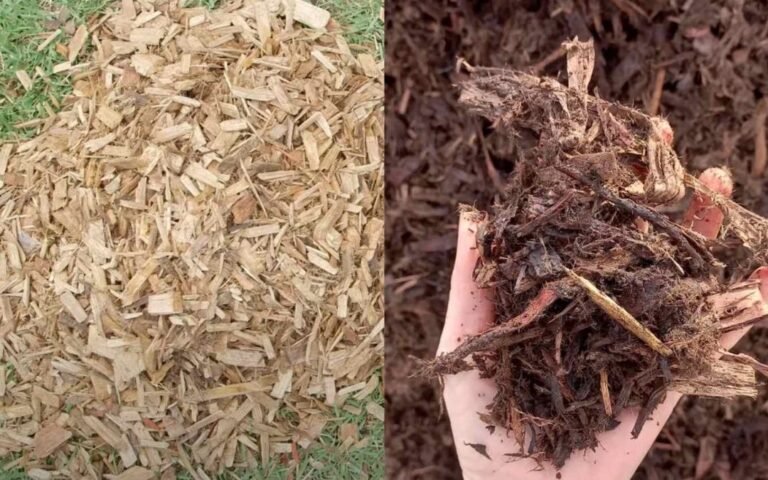
Choose mulch based on your plants, climate, soil needs, and how much maintenance you want.
Knowing how to choose the right mulch for your garden can make the difference between a tidy, thriving bed and one that dries out too fast or stays soggy too long. I’ve seen this play out in real gardens over and over: the right mulch keeps moisture steady, feeds the soil, and cuts down weeds, while the wrong one can invite pests, mess with pH, or simply look out of place. If you want a garden that works with you instead of against you, the details matter.
What Mulch Does for Your Garden
Mulch is any material you spread on top of soil. It can be organic, like bark or leaves, or inorganic, like stone or rubber. Its job is simple, but powerful.
A good mulch helps:
- Hold moisture in the soil
- Slow weed growth
- Keep roots cooler in summer and warmer in winter
- Reduce soil splash onto leaves
- Improve soil structure over time if it breaks down
In my own garden work, I’ve found that mulch is a lot like a good blanket. Too thin, and it does nothing. Too thick, and it can smother the soil. The sweet spot is the key, and that starts with knowing how to choose the right mulch for your garden.
Start With Your Garden Goal
Before picking a mulch, ask what you want it to do. Different gardens need different things.
Some common goals include:
- Weed control in flower beds
- Moisture retention for vegetables
- Better soil health in planting beds
- A clean look around shrubs and trees
- Erosion control on slopes
For example, if your main goal is to build soil, organic mulch is usually the better choice. If you want a long-lasting surface with little upkeep, stone or gravel may fit better. This is one of the first lessons I learned: the best mulch is not the prettiest one in the bag. It is the one that matches the job.
Types of Mulch and When to Use Them
Understanding mulch types is the heart of how to choose the right mulch for your garden. Each kind has strengths and trade-offs.
Organic Mulch
Organic mulch comes from plant or natural materials and breaks down over time. It improves the soil as it decomposes.
Common options include:
- Shredded bark
- Wood chips
- Pine straw
- Composted leaves
- Grass clippings
- Straw
Best for:
- Vegetable gardens
- Flower beds
- Shrubs and trees
- Soil improvement
Pros:
- Feeds the soil
- Helps soil hold moisture
- Often looks natural and neat
Limits:
- Needs replacing more often
- Can attract termites if piled against structures
- May move around in heavy rain or wind
I often recommend shredded bark or wood chips for most home gardens. They are easy to work with and they hold up well through a season. In my experience, pine straw works especially well in acid-loving beds and on slopes because it stays put better than many loose mulches.
Inorganic Mulch
Inorganic mulch does not break down quickly, so it lasts longer.
Common options include:
- Gravel
- Crushed stone
- River rock
- Landscape fabric with top cover
- Rubber mulch
Best for:
- Dry climates
– Pathways - Desert-style landscapes
- Areas where you want low upkeep
Pros:
- Long lasting
- Low maintenance
- Good for drainage in some settings
Limits:
- Does not improve soil
- Can get very hot in direct sun
- Hard to remove once installed
I’ve used stone mulch in areas where people wanted a clean, modern look and little maintenance. It can work well, but it is not always the best choice near tender plants because it can raise soil temperature fast.
Match Mulch to the Plant Type
Different plants respond better to different mulch choices. This is where how to choose the right mulch for your garden becomes more specific.
Vegetable Gardens
For vegetables, organic mulch is usually best. Straw, shredded leaves, untreated grass clippings, and compost work well.
These options can:
- Protect shallow roots
- Keep soil from drying out
- Reduce mud splash on leaves
A common mistake is using fresh wood chips in a vegetable bed and expecting fast soil benefits. Fresh wood chips are better on paths or around shrubs than mixed into annual crop beds.
Trees and Shrubs
Around trees and shrubs, wood chips, bark mulch, or leaf mulch are often ideal.
A few tips:
- Keep mulch away from the trunk
- Spread it in a wide ring
- Aim for a depth of 2 to 4 inches
I’ve seen too many trees harmed by “mulch volcanoes,” where mulch is piled high against the trunk. That traps moisture and can lead to rot and pest problems. The tree wants breathing room at the base.
Flower Beds
Flower beds usually do best with a mulch that looks clean and breaks down at a moderate pace.
Good choices:
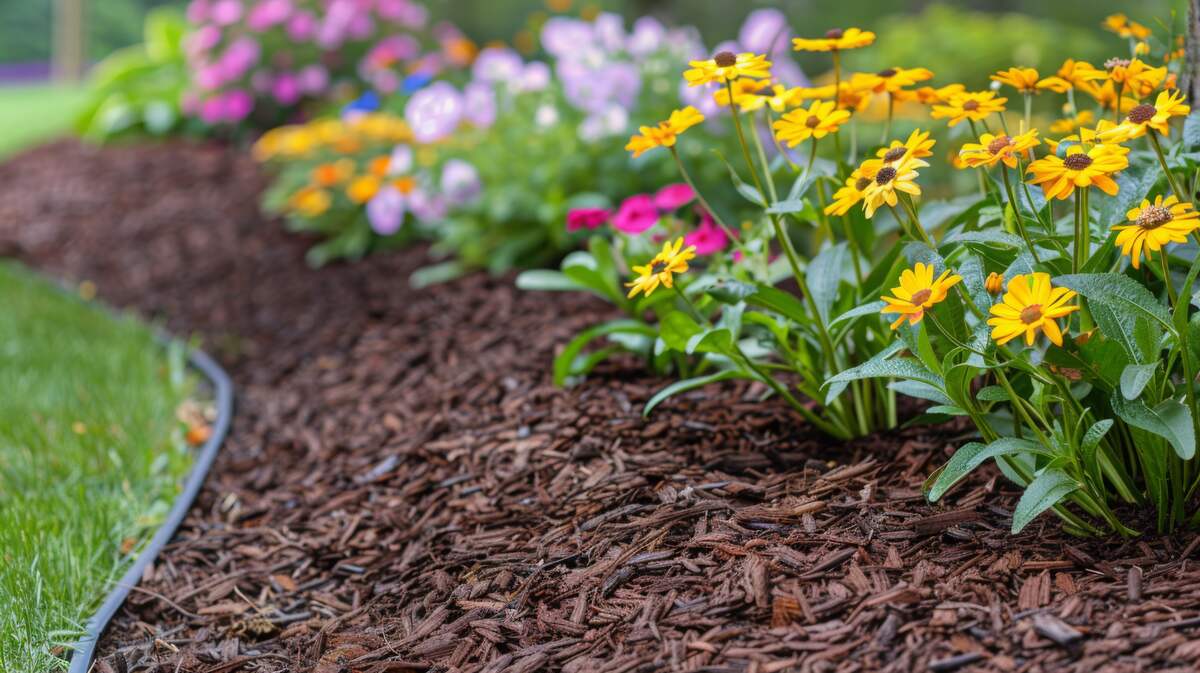
- Shredded bark
- Fine wood mulch
- Compost
- Pine straw in the right climate
If you want rich soil and strong blooms, organic mulch is often the better long-term bet. It supports soil life, which helps plants in subtle but important ways.
Acid-Loving Plants
For azaleas, rhododendrons, blueberries, and camellias, pine straw and pine bark are popular choices. They fit the soil needs of these plants and give beds a polished look.
Still, it is smart to test your soil before assuming mulch alone will change pH. Mulch can influence soil over time, but it is not a magic fix.
Think About Your Climate and Weather
Climate plays a huge role in how to choose the right mulch for your garden. What works in one region may fail in another.
Hot and Dry Climates
In hot areas, mulch helps keep roots cool and reduce water loss.
Good choices:
- Shredded bark
- Wood chips
- Straw
- Compost
Stone can work in some landscapes, but it may absorb and reflect heat, which can stress plants.
Wet or Humid Climates
In damp regions, mulch needs to allow airflow and avoid trapping too much moisture.
Good choices:
- Coarse bark
- Pine straw
- Wood chips
Avoid piling mulch too thick, since that can keep soil overly wet and encourage fungus. I learned this the hard way in a rainy season when a bed stayed soggy for weeks. Thinner, airier mulch would have been better.
Windy Areas
Light mulch can blow away in windy places. Pine straw, small bark, and dry leaves may need help staying in place.
In those areas, heavier mulch like bark nuggets or wood chips often performs better. On slopes, shredded bark and pine straw tend to settle better than smooth, round materials.
Consider Soil Health and Breakdown Rate
One of the biggest parts of how to choose the right mulch for your garden is deciding whether you want the mulch to feed the soil or simply cover it.
Fast-Breaking Mulch
Fast-breaking mulch includes:
- Leaves
- Grass clippings
- Compost
- Straw
These are useful when your goal is soil improvement. They decompose quickly and add organic matter, which helps with structure and water retention.
Slow-Breaking Mulch
Slow-breaking mulch includes:
- Wood chips
- Bark mulch
- Pine nuggets
These last longer and need less frequent replacement. They are great for ornamental beds and around trees.
A simple rule I use is this: if you want more soil life, choose mulch that disappears faster. If you want longer surface coverage, choose mulch that breaks down slowly.
Pick the Right Color and Look
Mulch is functional, but it also affects curb appeal. The color and texture should match your garden style.
Here is a simple way to think about it:
- Dark mulch gives a neat, rich look and helps plants stand out
- Light mulch can brighten a space but may look dusty faster
- Natural mulch blends into the landscape more softly
- Stone gives a modern, clean feel
Still, appearance should come second to plant health. A beautiful mulch that does the wrong job is like wearing dress shoes in a rainstorm. It may look right, but it will not help much.
Check Safety and Material Quality
Not all mulch is equal. Quality matters, especially if you are using it near edible plants or young trees.
Look for mulch that is:
- Free of trash and contaminants
- Made from untreated materials if used in vegetable beds
- Properly aged or composted when needed
- Consistent in texture and size
Be careful with dyed mulch if you are unsure of its source. Most commercially dyed mulch is made from recycled wood, but it should still come from a trusted supplier. I always tell gardeners to ask questions before buying. A few minutes of checking can save a lot of trouble later.
Common Mistakes to Avoid
Learning how to choose the right mulch for your garden also means knowing what not to do.
Avoid these mistakes:
- Piling mulch too deep
- Putting mulch against stems or trunks
- Using fresh grass clippings in thick layers
- Choosing stone for plants that need cool roots
- Ignoring drainage before mulching
- Reusing mulch that may contain disease or weeds
The most common mistake I see is overmulching. More is not always better. In most beds, 2 to 4 inches is enough. Anything deeper can block air and water from reaching the roots.
How to Apply Mulch the Right Way
Even the best mulch can fail if it is applied poorly. A good application helps you get the full benefit.
Follow these steps:
- Clear weeds and debris first
- Water the soil before mulching if it is dry
- Spread mulch evenly
- Keep it a few inches away from stems and trunks
- Maintain the proper depth
- Refresh as needed each season
For most gardens, 2 to 3 inches works well. In hotter or drier areas, you may use a little more, but avoid burying plants. Think of mulch as a light jacket, not a winter coat.
Cost, Maintenance, and Longevity
Budget matters too. The best mulch for your garden is one you can afford to maintain properly.
Here is a simple breakdown:
- Straw and leaves are often low cost but break down fast
- Wood chips and bark are mid-range and fairly durable
- Stone and gravel cost more upfront but last longer
- Compost is excellent for soil but may need frequent top-ups
If you want low maintenance, choose a long-lasting mulch. If you want to improve soil quickly, organic mulch is usually worth the recurring cost. That trade-off is part of how to choose the right mulch for your garden in a practical way.
How Mulch Supports Sustainable Gardening
Mulch does more than make beds look neat. It supports healthier, more sustainable gardening.
Benefits include:
- Less water use
- Fewer weeds, which reduces herbicide use
- Better soil life
- Less erosion
- More stable root zones
Many extension services and horticulture experts recommend mulch as one of the simplest ways to improve garden performance. That lines up with what I’ve seen in real gardens: mulch is one of the easiest changes that gives a clear return.
Frequently Asked Questions
What is the best mulch for most gardens?
For most home gardens, shredded bark or wood chips are a strong choice. They balance moisture control, weed suppression, and long-lasting coverage while still helping the soil over time.
How often should I replace mulch?
Organic mulch usually needs refreshing once a year or every 1 to 2 years, depending on the material and climate. Stone and gravel last much longer but may need occasional cleaning or leveling.
Can I use grass clippings as mulch?
Yes, but use them in thin layers so they do not mat down and block air. Let them dry a bit first, and avoid clippings from lawns treated with herbicides if you plan to use them in edible beds.
Is black mulch better than brown mulch?
Neither is always better. Black mulch gives a bold look and can warm the soil more, while brown mulch looks more natural and often blends better with landscapes.
Should mulch touch plant stems or tree trunks?
No, mulch should stay a few inches away from stems and trunks. Direct contact can hold too much moisture and increase the risk of rot and pest problems.
Conclusion
Choosing mulch does not have to feel complicated. Once you match the material to your plants, climate, soil needs, and maintenance goals, the decision gets much easier. The right mulch can save water, reduce weeds, and help your garden stay healthier all season long.
If you are still deciding how to choose the right mulch for your garden, start with one bed and test what works best in your space. Small changes often teach the biggest lessons. If this guide helped, explore more garden care tips, subscribe for updates, or leave a comment with the mulch you use in your own yard.