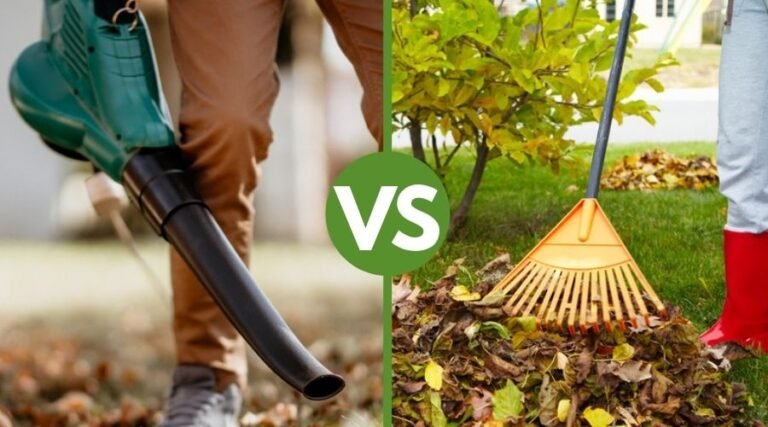
A garden hoe cuts, weeds, and shapes soil; a garden rake gathers, levels, and clears debris.
If you’ve ever stood in a yard center wondering which tool actually fits the job, the garden hoe vs garden rake question matters more than it looks. I’ve used both in real garden beds, and the difference becomes clear fast once you match the tool to the task. This guide breaks down the garden hoe vs garden rake comparison in plain English so you can choose the right one, work faster, and avoid the common mistakes that waste time and energy.
What a garden hoe is and what it does
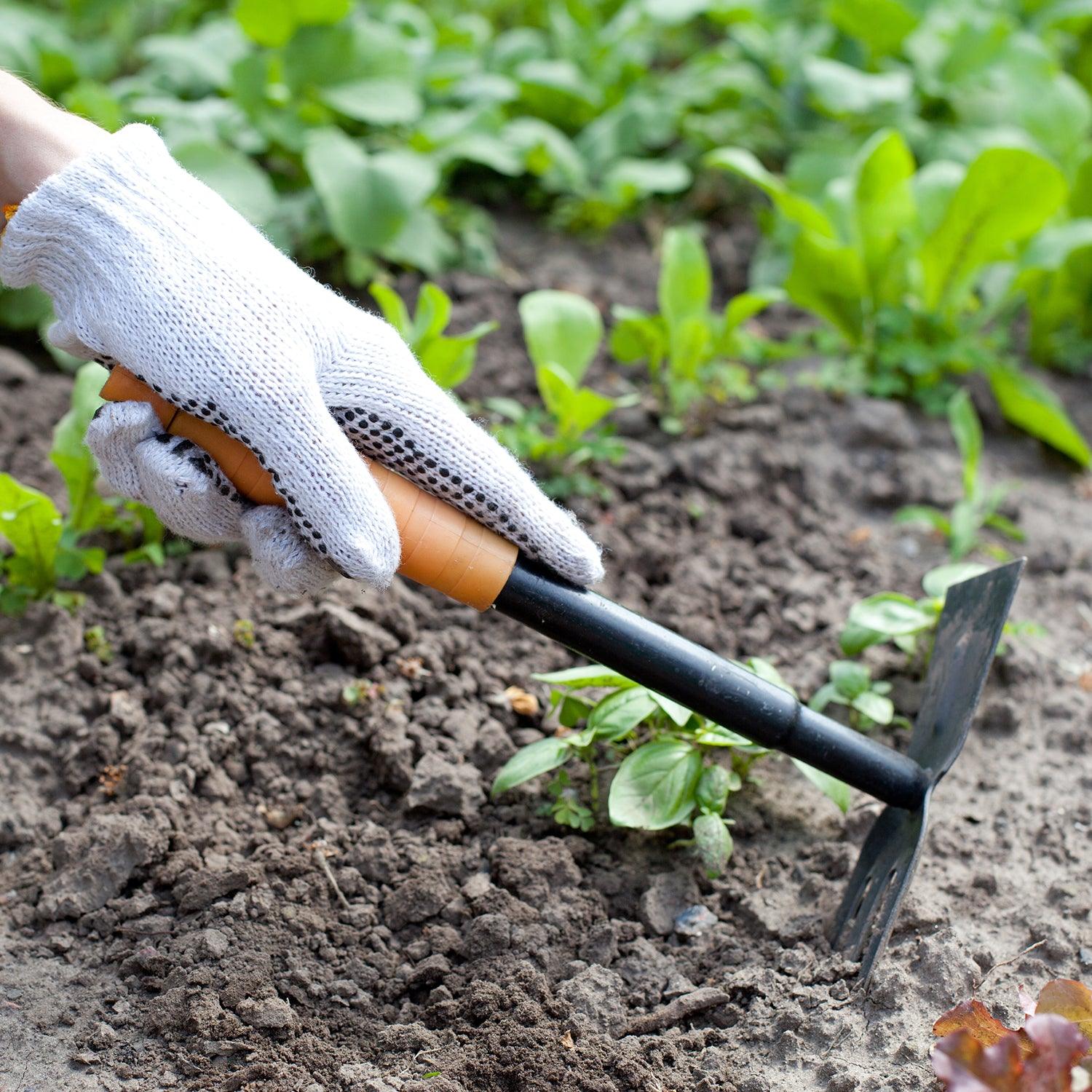
A garden hoe is a digging and cutting tool with a long handle and a flat or shaped blade. Its main job is to break soil, slice weeds, and shape beds. In my own garden work, the hoe is the tool I reach for when the soil feels too packed and weeds are already pushing through.
The garden hoe vs garden rake difference starts here: a hoe works into the soil, while a rake works over the surface. That simple idea helps explain almost everything else. A hoe is for control and cutting. A rake is for gathering and smoothing.
Common uses for a garden hoe include:
- Cutting weeds just below the soil line
- Breaking crusted soil after rain
- Making shallow trenches for seeds or irrigation
- Hilling soil around plants like potatoes
- Shaping rows and garden beds
There are also different hoe styles. A draw hoe is great for pulling soil toward you. A stirrup hoe works well for slicing weeds with a push and pull motion. A collinear hoe is light and sharp, which makes it useful for tight spaces and small weeds.

What a garden rake is and what it does
A garden rake is a tool with a long handle and many tines. It is made to gather leaves, level soil, spread mulch, and remove loose debris. When I finish bed prep, the rake is usually the last tool I use before planting because it leaves the surface neat and even.
In the garden hoe vs garden rake comparison, the rake is the finishing tool. It does not cut into soil the way a hoe does. Instead, it helps you clean up, smooth out, and prepare the surface for planting or lawn care.
Common uses for a garden rake include:
- Collecting leaves, sticks, and grass clippings
- Smoothing soil before seeding
- Spreading compost or mulch
- Removing rocks from topsoil
- Leveling a lawn or garden bed
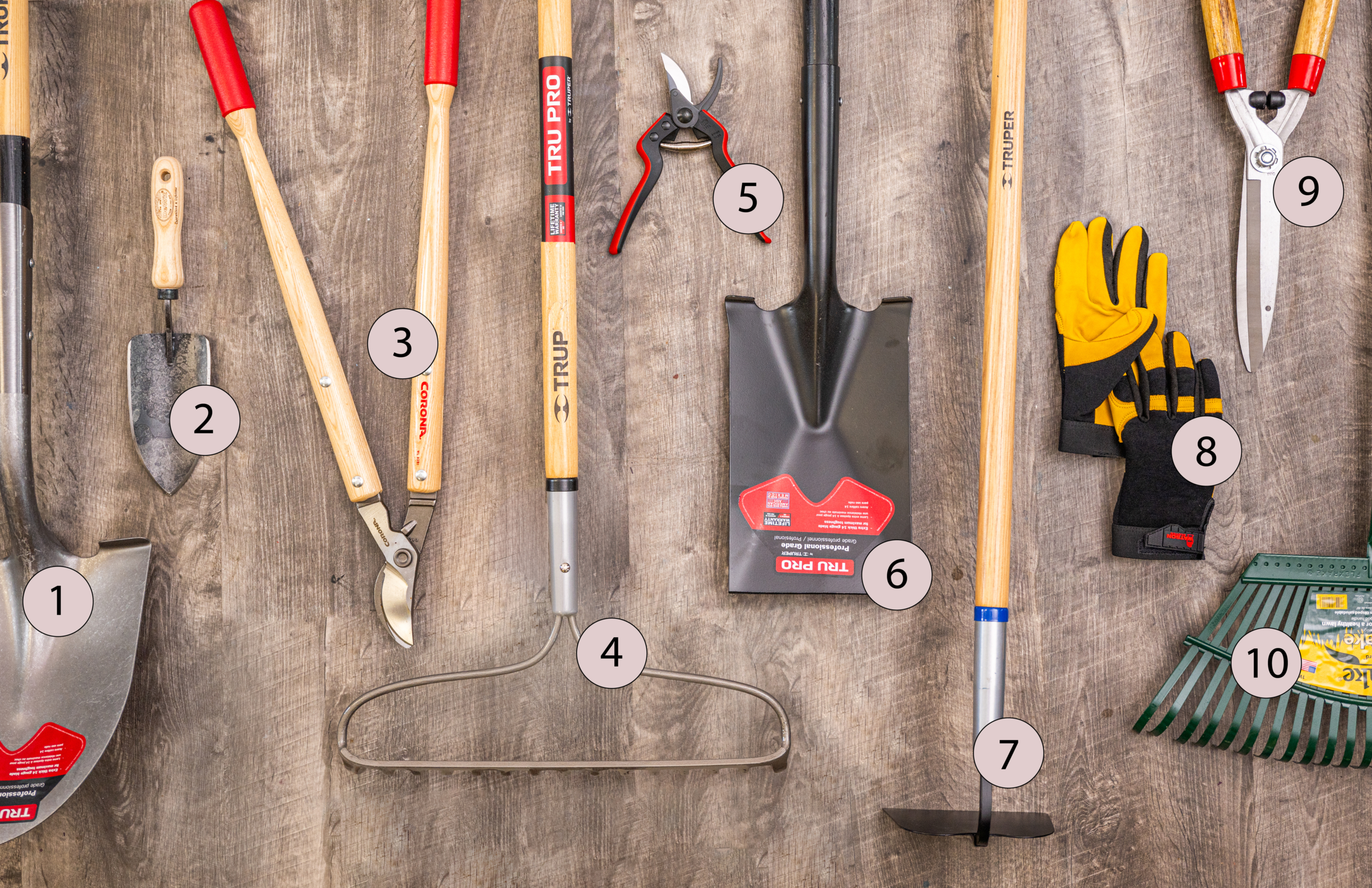
There are a few types worth knowing. A leaf rake has flexible tines and works best for light debris. A bow rake is stronger and better for soil work. A landscape rake can handle larger areas and heavier material.
Garden hoe vs garden rake: the main differences
The biggest garden hoe vs garden rake difference is function. A hoe cuts and shapes. A rake gathers and levels. Once you understand that, tool choice becomes much easier.
Here’s a simple comparison:
| Feature | Garden Hoe | Garden Rake |
|---|---|---|
| Main job | Cut, weed, dig, shape | Gather, smooth, level |
| Best use | Soil and weeds | Debris and surface cleanup |
| Working motion | Push, pull, chop | Drag, sweep, level |
| Soil depth | Works into soil | Works on the surface |
| Best for | Weed control, bed prep | Leaf cleanup, soil finishing |
A hoe is more useful when the soil is active and needs cutting or reshaping. A rake is better when you want order and cleanup. I like to think of the hoe as the tool that does the rough work and the rake as the tool that makes everything look finished.
When to use a garden hoe
Use a garden hoe when the job involves soil or weeds rooted close to the surface. It is one of the best tools for keeping a garden bed under control without turning the whole area over. That matters because disturbing less soil often means fewer weed seeds get brought to the top.
A garden hoe is a smart choice for:
- Weeding between rows
- Cutting young weeds before they spread
- Loosening hard soil
- Making shallow planting furrows
- Mounding soil around stems
One mistake I made early on was trying to rake weeds out of packed soil. It barely worked and left me frustrated. A hoe solved the problem in minutes because it cut the weeds where they grew. That lesson stuck with me: if the job is rooted, reach for the hoe first.
When to use a garden rake
Use a garden rake when the job is about cleanup, leveling, or spreading. It shines after digging or hoeing, when the ground needs a smooth finish. It also helps keep the garden tidy, which is more than just looks. A cleaner bed makes planting easier and watering more even.
A garden rake is ideal for:
- Leveling soil before planting grass seed
- Removing twigs and dead leaves
- Spreading compost in a thin layer
- Smoothing raised beds
- Collecting garden waste after pruning
A rake is not the best tool for deep weeds or hard ground. I’ve seen people try to force a leaf rake through soil and bend the tines. That usually ends with a damaged tool and a sore wrist. If the surface needs light care, use the rake. If it needs cutting, use the hoe.
Which tool is better for weeds
For weeds, the garden hoe usually wins. It cuts weeds at the root zone or just below the soil surface, which is faster and more effective than pulling every weed by hand. A rake may collect loose weed pieces, but it will not stop rooted weeds the same way.
That said, the right hoe matters. A sharp stirrup hoe can skim through small weeds quickly. For larger weeds, a draw hoe may give you more control. If you wait too long and weeds get woody, both tools become less effective, and hand digging may be needed.
A good weed routine often looks like this:
- Use a hoe early when weeds are small
- Rake up the cut weeds after hoeing
- Add mulch to reduce new weed growth
- Check beds regularly so weeds never get too big
Which tool is better for leaves and debris
For leaves and debris, the garden rake is the clear winner. A leaf rake is built for this job. Its flexible tines gather light material without tearing up the ground. A hoe is not made for leaf cleanup and can make the work harder.
If you are clearing a mixed area with sticks, grass, and loose mulch, a bow rake may be a better fit than a leaf rake. It has more strength and can handle heavier material. I often use a rake after pruning because it helps me reset the whole space fast.
Garden hoe vs garden rake for soil prep
For soil prep, both tools can help, but in different ways. A hoe loosens and shapes. A rake finishes and levels. When used together, they make garden bed prep much easier.
A practical sequence looks like this:
- Start with a hoe to break up soil clumps or remove weeds
- Remove roots, stones, and large debris
- Use a rake to level the surface
- Lightly smooth the top layer for seeds or transplants
This is one of the most useful garden hoe vs garden rake lessons I’ve learned over time. If you skip the hoe, the rake has to fight through clumps. If you skip the rake, the bed may stay uneven and make watering messy.
How to choose the right tool for your yard
Choosing between a garden hoe vs garden rake comes down to the task, the soil, and your comfort. A tool should save effort, not create more of it. Think about what the surface looks like and what result you want.
Ask yourself:
- Am I cutting weeds or cleaning debris?
- Do I need to break soil or just smooth it?
- Is the work in tight rows or across a wide area?
- Is the ground hard, loose, wet, or dry?
If you mostly weed and shape beds, buy a good hoe first. If you mostly clean up leaves, mulch, or topsoil, start with a rake. Many gardeners keep both because they complement each other so well.
Practical tips from real garden use
A few small habits can make a big difference. I learned most of these by doing the job the hard way first.
- Keep hoe blades sharp enough to slice weeds cleanly
- Choose a rake with the right tine strength for the material
- Use short, controlled motions instead of forcing the tool
- Work when soil is slightly moist, not muddy or rock hard
- Clean the tool after use to prevent rust and buildup
One of the easiest mistakes is using a rake on compacted soil. Another is trying to dig with a hoe like it is a shovel. Each tool has a lane. Staying in that lane makes the work easier and the results better.
Why tool material and design matter
A garden hoe vs garden rake comparison is not just about shape. Material matters too. Steel heads are durable and good for heavy work. Aluminum or lightweight materials reduce fatigue, which helps if you garden for long periods. Wooden handles feel traditional and comfortable, while fiberglass handles often last longer and resist weather.
Design also affects use:
- Wider hoe blades cover more area but may be less precise
- Narrow hoe blades are better for tight spaces
- Flexible rake tines are better for leaves
- Rigid rake tines handle soil better
In my experience, the best tool is the one that feels balanced in your hands. If it feels awkward, you will avoid using it. And if you avoid the tool, the garden gets harder to manage.
Garden hoe vs garden rake in small gardens and large yards
In small gardens, the hoe often gets more use because space is tight and weeds show up fast. A narrow hoe can move easily between plants without disturbing roots. In larger yards, the rake becomes more important for cleanup, leaves, mulch, and general leveling.
That said, both tools matter in both spaces. A small garden still needs cleanup. A large yard still gets weeds. The real difference is how often each tool gets used and how much ground you need to cover.
Frequently asked questions about garden hoe vs garden rake
Can a garden rake replace a hoe?
No, a garden rake cannot fully replace a hoe. A rake is for surface cleanup and leveling, while a hoe is for cutting weeds and working soil. If you need weed control, the hoe is the better tool.
Is a hoe good for breaking up soil?
Yes, a hoe can loosen shallow soil and break small clumps. For very hard ground, a hoe may struggle, and a spade or fork may be better. A rake can finish the surface after the hoe does the rough work.
What kind of rake is best for garden beds?
A bow rake is often best for garden beds because it is strong enough to move soil and level surfaces. A leaf rake is better for leaves and light debris. The right choice depends on whether you are cleaning or shaping.
Which tool is better for preparing a seedbed?
A garden hoe and garden rake are both useful for seedbed prep. Use the hoe first to remove weeds and break clumps, then use the rake to level and smooth the soil. That gives seeds better contact with the ground.
Do I need both a hoe and a rake?
Most gardeners do. The garden hoe vs garden rake question is really about different jobs, not one tool being better overall. Having both makes planting, weeding, and cleanup much easier.
Conclusion
The garden hoe vs garden rake choice comes down to this: use a hoe for cutting, weeding, and shaping soil, and use a rake for gathering, leveling, and cleanup. When you match the tool to the task, the work gets faster, cleaner, and less tiring. That is the real advantage of understanding the difference.
If you garden regularly, owning both tools is one of the smartest small investments you can make. Start by using the hoe for soil and weeds, then finish with the rake for a neat, even result. Try that approach in your next garden session, and you’ll feel the difference right away.
If you found this guide useful, keep exploring practical garden tool tips and share your own garden hoe vs garden rake experience in the comments.