A hand cultivator loosens soil fast; a garden fork digs deeper and handles tougher jobs better.
If you’ve ever stood in the garden aisle wondering which tool earns its spot in your shed, you’re not alone. The hand cultivator vs garden fork debate comes up a lot because both tools look simple, yet they solve very different problems. I’ve used both in tight beds, rocky soil, and compost work, and the right choice usually depends on how deep you need to go and how much muscle the job takes.

Hand cultivator vs garden fork: what each tool really does
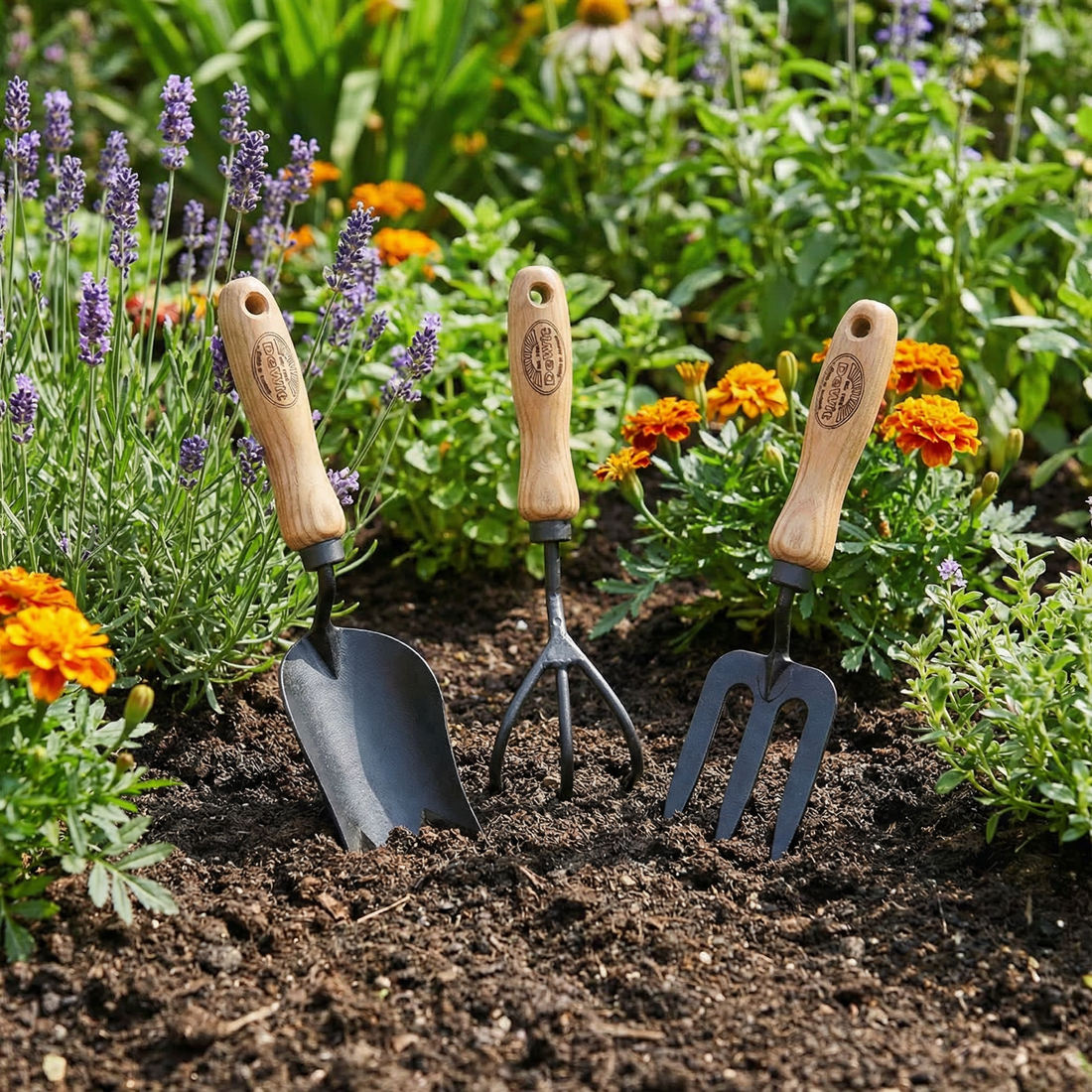
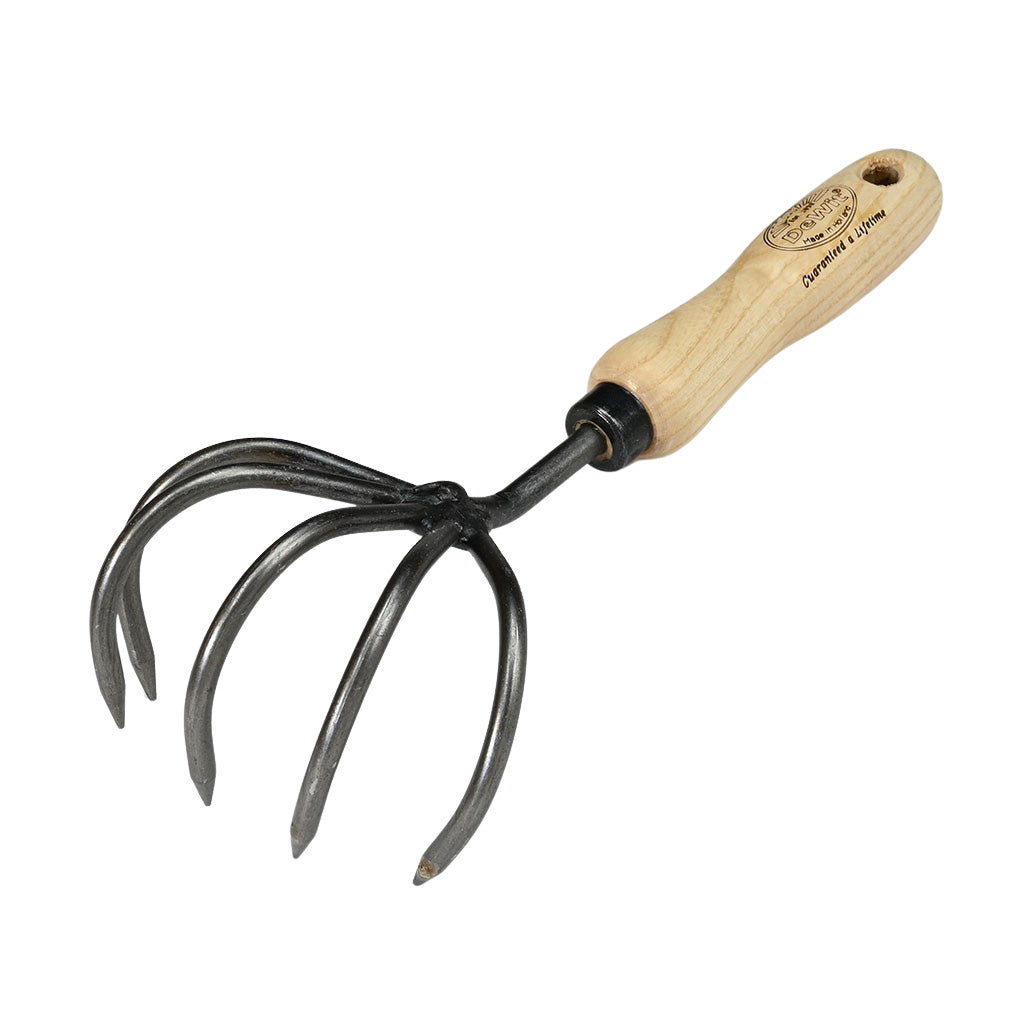
A hand cultivator is a small tool with short tines made for surface work. It helps break up topsoil, remove small weeds, mix in compost, and loosen crusty soil around plants without disturbing roots too much.
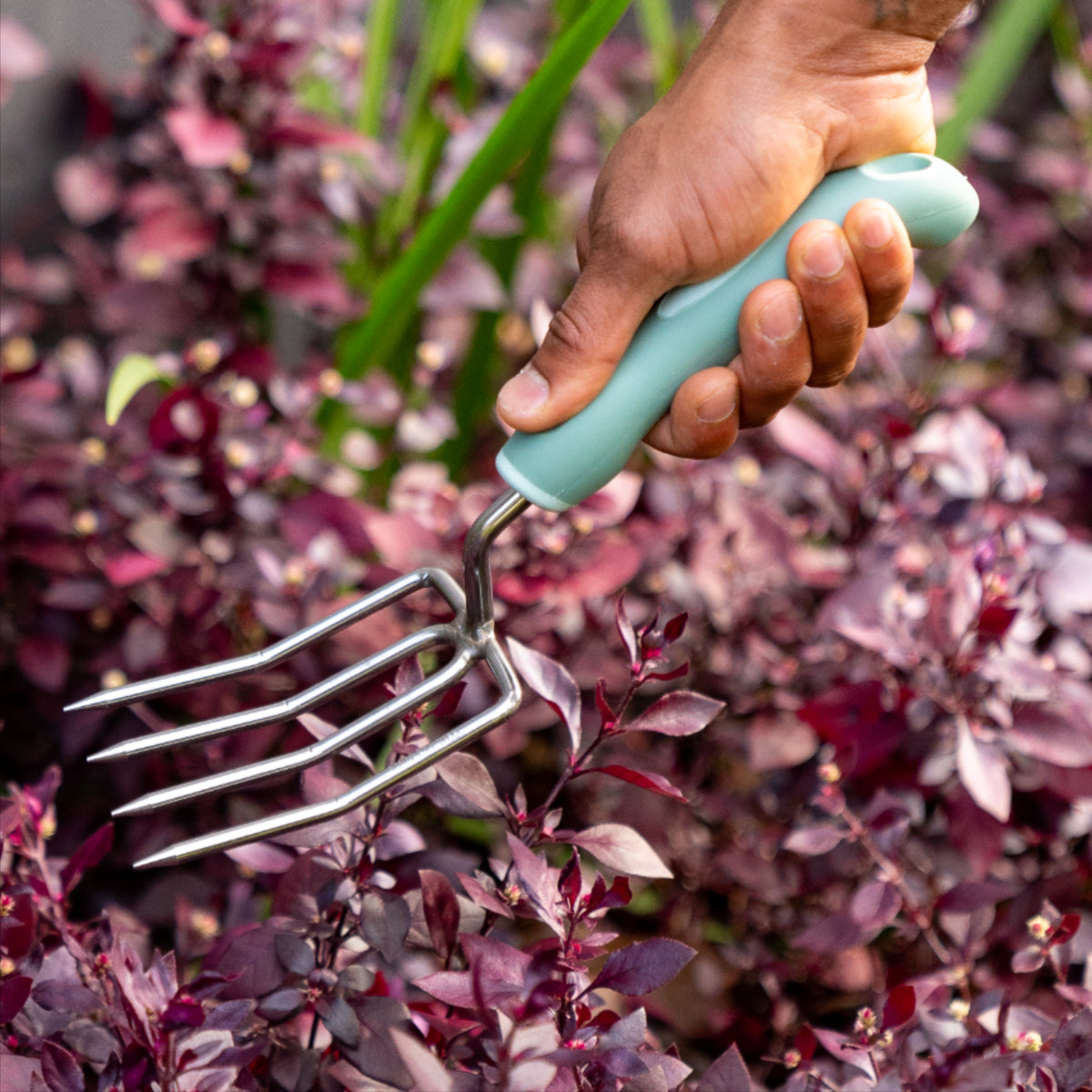
A garden fork is larger and stronger. It has long, sturdy tines that dig deeper, lift compacted soil, turn compost, and pry apart heavy ground. In the hand cultivator vs garden fork comparison, the hand cultivator is the precision tool, while the garden fork is the heavy lifter.
Here’s the simplest way to think about it:
- Hand cultivator: best for shallow loosening, weeding, and light mixing
- Garden fork: best for deep digging, turning, lifting, and breaking compacted soil
- Hand cultivator vs garden fork: one is for finesse, the other is for force
In my own garden, the hand cultivator is the tool I grab when I’m working around herbs, seedlings, or raised beds. The garden fork comes out when the soil feels hard as a brick or when I’m turning a compost pile that needs real muscle.
Hand cultivator vs garden fork: key differences at a glance
The hand cultivator vs garden fork choice becomes much easier when you compare them by task, size, and soil depth.
Size and reach
A hand cultivator is compact. It fits in one hand and works close to the soil surface. A garden fork is much longer, usually with a handle you can grip with both hands for better leverage.
Tine design
A hand cultivator usually has 3 short tines. They are meant to scratch, loosen, and rake lightly.
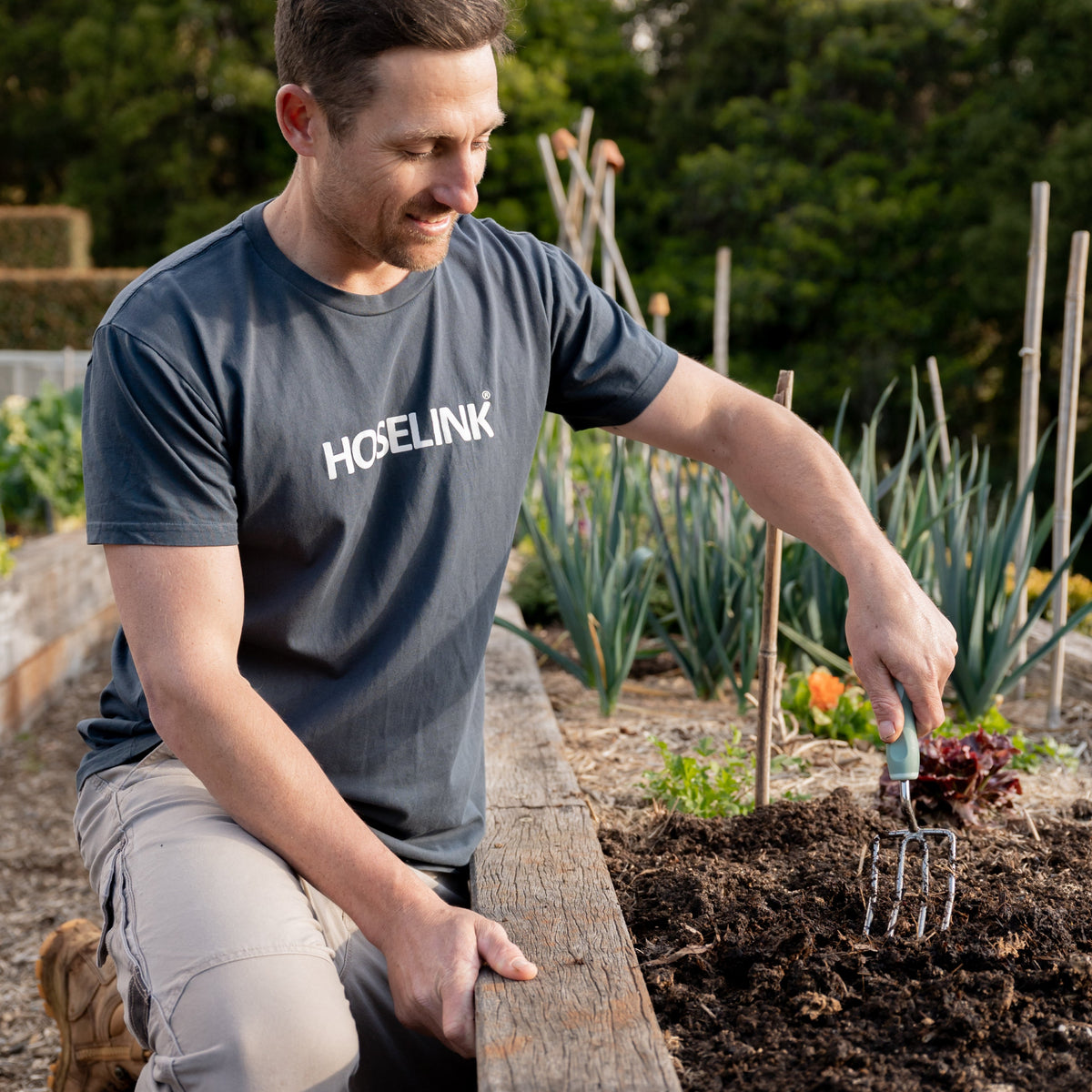
A garden fork usually has 4 long tines. They are built to penetrate deeper and move more soil at once.
Force and leverage
A hand cultivator gives you control. It is gentle and useful near fragile roots.
A garden fork gives you leverage. It can break compacted soil and lift heavy material with less strain on your wrists.
Best use cases
- Hand cultivator: weeding, aerating small spaces, mixing potting soil, loosening the top layer
- Garden fork: digging, dividing perennials, turning compost, lifting potatoes, loosening dense soil
Risk of plant damage
A hand cultivator is usually safer around shallow roots if used carefully. A garden fork can cause more disturbance, but that is often exactly what you want in tough soil.
Effort needed
A hand cultivator takes less setup and is quick for small jobs. A garden fork can save time on big jobs, but it needs more body effort and space.
When to use a hand cultivator
The hand cultivator is the better pick when the job is small, precise, and close to the surface. I reach for mine when I do not want to disturb the whole bed.
Use a hand cultivator when you need to:
- Break up the top inch or two of soil
- Pull tiny weeds from loose ground
- Mix compost into flower beds
- Aerate soil around container plants
- Smooth soil after planting seeds
- Work in narrow spaces between plants
This tool shines in raised beds, herb gardens, and containers. If the soil is already loose, a hand cultivator is usually enough. It is like using a fork to fluff rice instead of a shovel to move dirt.
One mistake I made early on was trying to use a hand cultivator in dry, packed clay. It barely moved. That taught me a simple rule: if the soil resists hard, move up to a garden fork.
When to use a garden fork
The garden fork is the stronger choice when the job is deep, tough, or messy. It is built for real digging and lifting.
Use a garden fork when you need to:
- Break compacted or clay-heavy soil
- Turn garden beds in the off-season
- Lift root crops like potatoes or carrots
- Divide thick clumps of perennials
- Mix in large amounts of compost or manure
- Turn a compost pile for better airflow
A garden fork is especially useful in no-dig and low-till gardening. Even when you avoid full digging, the fork helps open soil just enough to improve drainage and reduce compaction.
I’ve found that a garden fork also saves time when cleaning up after a season. It gets under old roots and dead plant matter better than a hand cultivator ever could.
Hand cultivator vs garden fork for different soil types
Soil type matters a lot in the hand cultivator vs garden fork decision. The same tool that works beautifully in loam may fail in clay.
Sandy soil
Sandy soil is loose and drains fast. A hand cultivator often works well here for light mixing and weeding.
Loamy soil
Loam is the easiest soil to manage. Both tools work well, but the hand cultivator is great for fine work, while the garden fork helps with deeper tasks.
Clay soil
Clay is dense and sticky. A garden fork is usually the better choice because it can push into tight ground more effectively.
Rocky soil
If the soil has stones, roots, or hard patches, the garden fork usually handles the punishment better. A hand cultivator may bend or bounce off the surface.
Wet soil
Wet soil can smear and compact easily. I try not to overwork it with either tool, but if I must choose, I use the garden fork carefully rather than churn the soil with a hand cultivator.

Pros and cons of each tool
The hand cultivator vs garden fork comparison is easier when you look at strengths and limits side by side.
Hand cultivator pros
- Light and easy to carry
- Great for precise work
- Good for containers and raised beds
- Less likely to disturb nearby roots
- Simple to use for quick tasks
Hand cultivator cons
- Not good for hard or deep soil
- Limited reach
- Less effective for lifting or digging
- Can feel slow on larger beds
Garden fork pros
- Strong and durable
- Good for deep loosening
- Excellent for compost and root crops
- Works well in compacted ground
- Offers good leverage
Garden fork cons
- Heavier and bulkier
- Can be too aggressive for delicate areas
- Takes more room to use
- May be overkill for tiny jobs
The truth is, neither tool is “better” in every case. The better tool is the one that fits the task without making you fight the soil.

Hand cultivator vs garden fork for beginners
If you’re new to gardening, this comparison can feel more confusing than it should. Here’s the easy version: start with the tool that matches your most common job.
A hand cultivator is a smart first buy if you grow in containers, raised beds, or small flower beds. It is light, forgiving, and easy to control.
A garden fork is the better first buy if your soil is heavy, your beds are large, or you compost a lot. It will do more demanding work and last a long time if made well.
My advice from experience is simple:
- Buy a hand cultivator if you mostly weed, fluff, and mix
- Buy a garden fork if you need to dig, lift, or break soil
- Buy both if you garden often and want the right tool for each job
For most home gardeners, these tools are not rivals. They are teammates.

How to choose the right tool for your garden
If you are stuck in the hand cultivator vs garden fork decision, use these questions before buying.
-
How deep do I need to work?
If it is shallow, choose a hand cultivator. If it is deep, choose a garden fork. -
Is my soil loose or compact?
Loose soil favors the hand cultivator. Compact soil favors the garden fork. -
Am I working in a small space?
Small spaces usually call for a hand cultivator. -
Do I need to lift or turn material?
That is a garden fork job. -
Am I trying to protect nearby roots?
The hand cultivator is usually gentler.
You should also think about handle comfort, tine strength, and grip. A tool that feels good in your hand will get used more often. In gardening, that matters more than flashy features.
Care and maintenance tips
Good tools last longer when you treat them well. I learned this the hard way after leaving a garden fork damp in the shed one season and finding rust later.
Here’s how to care for both tools:
- Rinse off soil after use
- Dry them before storing
- Oil metal parts lightly if needed
- Check for bent or loose tines
- Store them in a dry place
- Sharpen only if the design allows it
A hand cultivator usually needs less maintenance because it handles lighter work. A garden fork takes more abuse, so inspect it more often. A quick clean after use can save you money and frustration later.
Common mistakes to avoid
The hand cultivator vs garden fork choice gets easier once you avoid these common errors.
- Using a hand cultivator in hard clay
- Forcing a garden fork into wet, sticky soil
- Working too close to fragile roots with the wrong tool
- Buying a cheap tool with weak tines
- Ignoring handle comfort and balance
- Trying to use one tool for every job
The biggest mistake is thinking size alone matters. It does not. Soil condition, depth, and plant safety matter more. The right tool should make the job feel smoother, not harder.
Frequently Asked Questions
What is the main difference between a hand cultivator and a garden fork?
A hand cultivator is made for shallow soil work like weeding and loosening the top layer. A garden fork is built for deeper digging, lifting, and breaking compacted soil.
Can a hand cultivator replace a garden fork?
Not really. A hand cultivator can handle light work, but it cannot match the depth, strength, or leverage of a garden fork. If your soil is hard or your task is heavy, the garden fork is the better tool.
Is a garden fork good for raised beds?
Yes, a garden fork works well in raised beds, especially when the soil gets compacted. Just use it carefully so you do not disturb plant roots too much.
Which tool is better for weeds?
A hand cultivator is usually better for small weeds in loose soil. A garden fork is more useful when weeds have deeper roots or when the soil is too dense for shallow tools.
Should beginners buy both tools?
If possible, yes. A hand cultivator is great for everyday light work, while a garden fork handles bigger and tougher jobs. Together, they cover most home gardening needs.
Conclusion
The hand cultivator vs garden fork decision comes down to depth, soil type, and the kind of work you do most often. A hand cultivator is ideal for light, careful work near the surface, while a garden fork is the stronger choice for digging, lifting, and breaking hard ground.
If you garden often, having both tools gives you more control and less effort over time. Start with the one that matches your soil and your most common task, then build from there. If this helped you sort out the hand cultivator vs garden fork debate, consider bookmarking it, sharing it with a fellow gardener, or leaving a comment with your favorite tool.