You collect rainwater for gardening by catching roof runoff in clean, covered containers and using it safely on plants.
If you garden for long enough, you start looking at every rainstorm a little differently. That water running off your roof is not waste at all. It is free, soft, and often perfect for plants when you collect rainwater for gardening the right way. In this guide, I’ll walk you through the practical setup, safety tips, common mistakes, and smart ways to use rain barrels and other rainwater harvesting methods with confidence.
Why collect rainwater for gardening
Collecting rainwater for gardening is one of the simplest ways to support healthier plants while lowering your water bill. Rainwater is usually free of chlorine and other treatment chemicals found in tap water, which can make it a better fit for sensitive plants, seedlings, and soil life.
It also helps during dry spells. I have seen gardens bounce back faster when a rain barrel was already in place, because the water was there when the hose pressure was low or watering restrictions kicked in. When you collect rainwater for gardening, you are not just saving money. You are building a more resilient garden.
Rainwater harvesting also reduces runoff. Instead of sending water straight into storm drains, you keep some of it on your property and put it to work where it matters most.

How to collect rainwater for gardening step by step
The best way to collect rainwater for gardening is to keep the system simple, clean, and safe. You do not need a huge setup to get real benefits. Even one rain barrel can make a difference.
1. Start with a good collection surface
Most home gardeners collect rainwater from a roof. Metal, asphalt shingle, and tile roofs are common choices. A clean roof helps keep the water cleaner, so it is smart to clear away leaves, dirt, and bird droppings before a storm.
I learned this the hard way after setting up a barrel under a gutter full of debris. The water looked fine at first, but the screen clogged fast and the barrel filled with grit. A quick roof and gutter cleaning before storm season saves a lot of trouble.
2. Direct water from the gutter
Your gutter is the first step in the path. Make sure it slopes correctly so water moves toward the downspout. If the gutter leaks or overflows, fix that first, because a rain barrel only works well when the water can reach it easily.
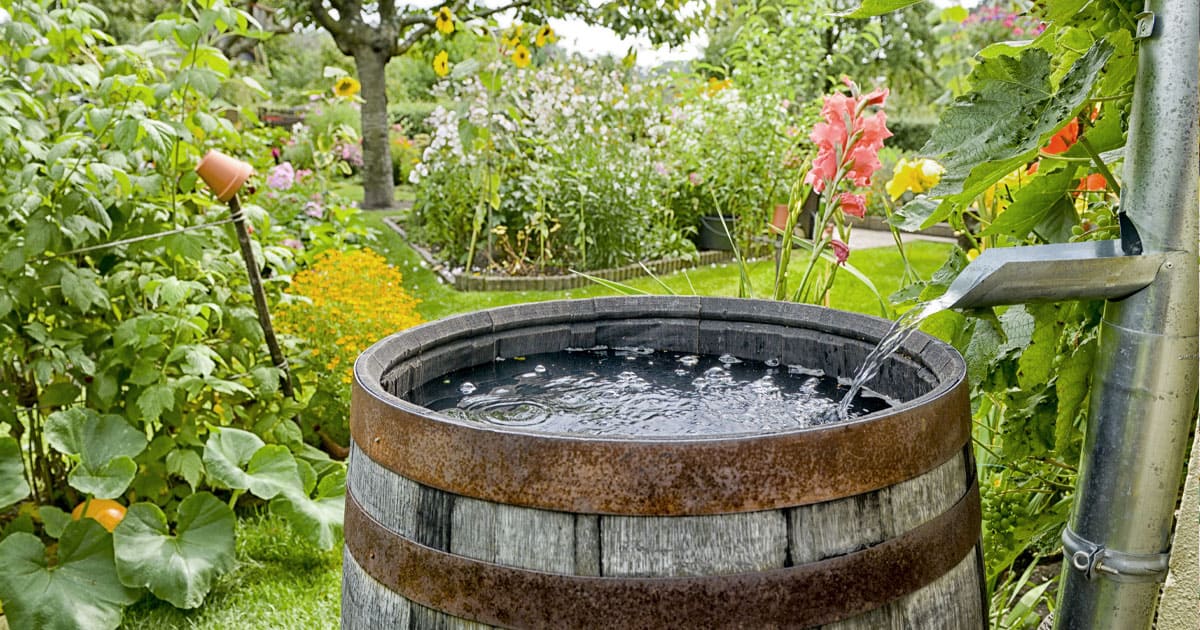
You can attach a downspout diverter or simply cut the downspout to guide water into the barrel. Many home systems use a diverter because it is neat and helps control flow.
3. Use a rain barrel or storage container
A rain barrel is the most common way to collect rainwater for gardening. Standard barrels hold around 50 to 80 gallons. Larger cisterns can hold much more, but they usually need stronger support and more planning.
Choose a container made for outdoor water storage. It should be opaque to block sunlight, which helps limit algae growth. It should also be made from food-grade or safe plastic if you plan to use the water on edible plants.
4. Add a screen or lid
A tightly fitted screen or lid keeps out mosquitoes, debris, and small animals. This is important because standing water can become a breeding ground for insects if it is left open.
In my experience, a snug lid is one of the most underrated parts of a rain barrel setup. People focus on the barrel size, but the lid often decides whether the system stays clean and usable all season.
5. Put the barrel on a stable base
Place the barrel on a strong, level stand. Elevating it improves water pressure, makes it easier to fill watering cans, and helps the spigot work better.
A cinder block base, paver platform, or commercial stand can work well. Just make sure it can handle the full weight of the barrel. Water is heavy, and a full barrel can weigh several hundred pounds.
6. Install an overflow outlet
A good rainwater system needs somewhere for extra water to go. Without overflow, water can spill near your foundation or flood the area around the barrel.
Attach an overflow hose or pipe and route it away from your house. If possible, send the extra water to another garden bed, a soakaway area, or a second barrel.
7. Use the water wisely
Once you collect rainwater for gardening, use it on flower beds, vegetables, containers, shrubs, and newly planted trees. Water at the base of plants instead of spraying the leaves when possible. That helps cut down on disease and waste.
For seedlings and potted plants, rainwater can be especially useful because it is gentle and usually easy for roots to absorb.
Best rainwater collection methods for home gardens
There is more than one way to collect rainwater for gardening. The right setup depends on your space, your budget, and how much water you want to store.
Rain barrels
Rain barrels are the easiest and most affordable option. They are great for small to medium gardens and are simple to maintain. One barrel can provide enough water for regular hand watering during short dry periods.
Multiple barrels connected together
If you want more capacity, you can connect several barrels with linking hoses or fittings. This gives you more storage without moving to a large cistern system.
Cisterns
Cisterns are larger tanks for serious water storage. They work well for bigger gardens or properties with a lot of roof space. They can be aboveground or buried, but they usually cost more and take more planning.
Rain chains and decorative collection setups
Some gardeners use rain chains that guide water into a collection basin or decorative barrel. These can look beautiful and still serve a practical purpose. They are a nice fit if you want the collection system to blend into the landscape.
What kind of water quality matters most
When you collect rainwater for gardening, water quality matters more than many people think. For most ornamental plants, basic roof-collected rainwater is fine when the system is clean. For vegetables and herbs, it is even more important to keep the system sanitary.
Avoid collecting from roofs treated with harmful materials. Also avoid using rainwater that has stood open and stagnant for too long. Freshly collected water is best, especially if you are watering edible crops.
A few simple habits help a lot:
• Clean gutters before rainy seasons
• Keep the barrel sealed
• Flush the first dirty runoff when possible
• Empty and scrub the barrel from time to time
These steps help reduce sediment, odors, and algae growth.
How much rainwater can you collect
The amount of water you can collect rainwater for gardening depends on roof size and rainfall. A simple rule is that one inch of rain on 1,000 square feet of roof can yield around 600 gallons of water, though real-life results are usually lower because of splash, evaporation, and first-flush loss.
That is why even a modest roof can provide a lot of water. I have seen gardeners underestimate this and then end up wishing they had installed a second barrel sooner.
If you want to estimate your own collection potential, think about:
• Roof area
• Local rainfall
• Barrel size
• How often you use the water
This helps you decide whether one barrel is enough or whether a larger system makes sense.
Safety tips when you collect rainwater for gardening
Safety should stay part of the plan from the start. A rain barrel is simple, but it still holds water, weight, and moving parts.
Keep these points in mind:
• Use a secure lid to block mosquitoes and children’s access
• Make sure the base is stable and level
• Check that overflow water drains away from the house
• Clean the system at least a few times a year
• Do not drink untreated rainwater unless it has been properly filtered and disinfected
For gardening, untreated rainwater is usually fine when handled correctly. But if you are unsure about roof materials or contamination, it is better to be cautious, especially with food crops.
Common mistakes to avoid
A lot of first-time gardeners get excited and rush the setup. I have done that too. The good news is that most mistakes are easy to avoid once you know what to look for.
Common errors include:
• Placing the barrel on soft or uneven ground
• Forgetting an overflow line
• Leaving the top open
• Using a dirty gutter system
• Choosing a container that is too small
• Letting water sit too long without use
Another mistake is collecting more water than you can actually use. If your garden is small, start with one barrel and see how fast you go through it before buying more.
How to use collected rainwater in the garden
Once you collect rainwater for gardening, the goal is to make it part of your routine. Use it during early morning or late evening so less water is lost to heat.
Good uses include:
• Watering vegetable beds
• Filling watering cans for containers
• Soaking new transplants
• Supporting young trees and shrubs
• Top watering compost piles when they dry out
If you have a drip irrigation system, rainwater can often be fed into it with the right setup. That can save time and make watering more consistent.
Can rainwater help plants grow better
Many gardeners notice healthier growth when they collect rainwater for gardening. That is partly because rainwater is naturally soft and usually has no added chlorine or chloramine. It can also help the soil stay balanced, especially in areas with very hard tap water.
That said, rainwater is not magic. Plants still need the right sunlight, soil, and nutrients. Rainwater is simply a smart tool that supports good gardening practices.
Environmental and cost benefits
There is a real practical side to rainwater harvesting. You lower household water use, reduce demand on municipal systems, and make use of a resource that would otherwise run off the roof.
The cost savings may be modest at first, but they grow over time, especially if you water a lot of containers or vegetable beds. More importantly, rainwater collection helps build a garden that depends less on outside water sources.
Frequently Asked Questions of how to collect rainwater for gardening
What is the easiest way to collect rainwater for gardening?
The easiest way is to place a rain barrel under a downspout and use a screen or lid to keep out debris. This setup is affordable, simple to install, and works well for most home gardens.
Is rainwater safe for vegetable gardens?
Yes, rainwater is generally safe for vegetable gardens if your collection system is clean and closed. Keep the barrel covered, clean the gutters, and avoid using water from contaminated roofing materials.
How long can rainwater sit in a barrel?
Rainwater can sit for a short time, but it is best to use it within days or a couple of weeks. If it sits too long, it can develop odors, algae, or mosquito problems.
Do I need a permit to collect rainwater?
That depends on where you live. Some places have no restrictions, while others may have local rules about large collection systems, so it is wise to check your city or state guidelines first.
How do I keep mosquitoes out of a rain barrel?
Use a tight lid and fine mesh screen on all openings. Also empty or circulate the water regularly, because mosquitoes are much less likely to breed in a sealed, maintained barrel.
Can I connect more than one rain barrel?
Yes, you can connect multiple barrels to increase storage. This is a smart option if your roof area is large or you want more water for dry periods.
Conclusion
Collecting rainwater for gardening is one of those small habits that pays off again and again. It saves water, supports healthier plants, and gives you a steady supply for dry days without much complexity.
If you are just getting started, keep it simple with one barrel, a clean gutter, and a secure lid. Then build from there as you learn what your garden really needs. Try setting up your first system this season, and if you want, share your results or questions so you can keep improving it over time.