A garden spade cuts clean edges; a digging fork loosens soil and lifts roots with less strain.
If you have ever stood in a bed of stubborn clay and wondered which tool will save your back, this guide is for you. The garden spade vs digging fork choice is not just about preference. It changes how you cut, loosen, lift, and turn soil, and it can make a big difference in speed, comfort, and plant health.
Garden spade vs digging fork: what each tool does best
A garden spade and a digging fork may look like close cousins, but they are built for different jobs. I have used both in wet soil, dry soil, and that awful sticky clay that clings like glue. The biggest lesson I learned early was simple: the right tool makes the work feel twice as easy.
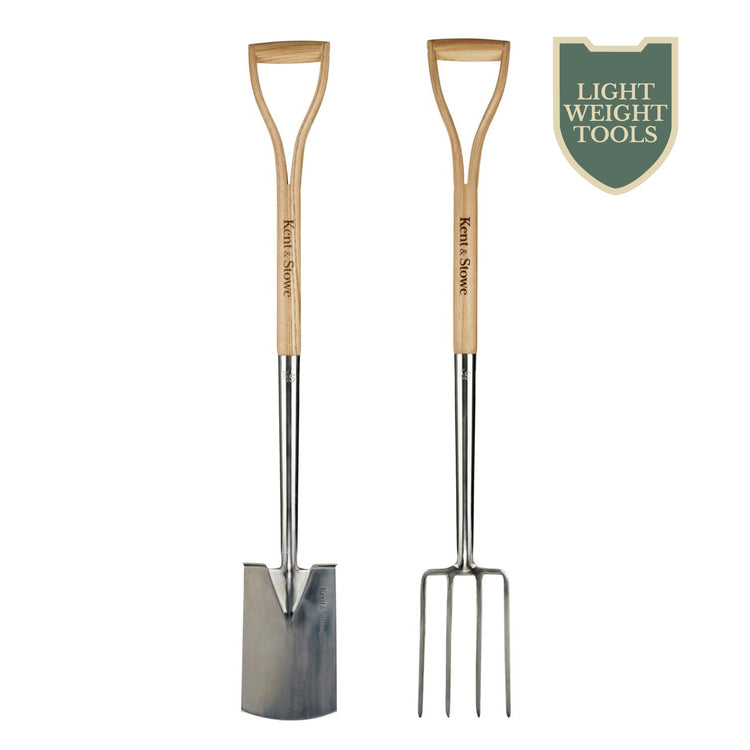
A garden spade has a flat, sharp blade. It is best for slicing into soil, edging beds, cutting through roots, and making neat lines. A digging fork has strong tines that slip into the ground and break it apart with less resistance. It is better for loosening compacted soil, lifting root crops, and turning compost without shredding too much of the soil structure.
In plain terms, the garden spade is your cutter, and the digging fork is your loosener. Knowing that difference helps you avoid forcing the wrong tool into the wrong task.
What is a garden spade?
A garden spade is a hand tool with a flat, usually rectangular blade and a long handle. The blade is often slightly curved or angled, which helps it slice cleanly into soil. Many gardeners use it for digging planting holes, dividing perennials, and shaping bed edges.
From experience, the spade is the tool I reach for when I want neatness. If I am making a border or transplanting a shrub, a spade gives me control. It is like using a kitchen knife instead of tearing bread with your hands.
Common uses for a garden spade include:
- Cutting clean edges along lawn or garden beds
- Digging planting holes for shrubs and small trees
- Removing sod in strips
- Dividing crowded plants
- Trimming roots near the surface
A good spade can save time because it cuts instead of prying. That said, it is not the best choice for very hard or rocky ground. If the soil is dense, a spade may feel like you are trying to slice a brick with a butter knife.
What is a digging fork?
A digging fork, sometimes called a garden fork, has several strong metal tines. It is designed to penetrate soil and loosen it without fully cutting through all the layers. This makes it useful when you want to aerate beds, lift potatoes, or break apart clods.
I have found the digging fork especially helpful after heavy rain or in beds that have been walked on too much. Instead of chopping at the soil, the fork slides in and lifts. It is gentler on soil life too, which matters if you care about worms, roots, and healthy structure.
Common uses for a digging fork include:
- Loosening compacted soil
- Turning compost
- Lifting root vegetables like potatoes and carrots
- Breaking up clumps after digging
- Mixing organic matter into beds
A digging fork shines where a spade struggles. It gives leverage and lifts from beneath. That makes it a favorite for gardeners who want less disruption and more air in the soil.

Garden spade vs digging fork: key differences
The garden spade vs digging fork debate usually comes down to blade shape, force, and purpose. Both tools are useful, but they work differently in the ground. Once you see the contrast, the right choice becomes much easier.
Here are the main differences:
- Blade style: A spade has a flat, solid blade. A digging fork has tines with gaps between them.
- Soil action: A spade cuts through soil. A digging fork loosens and lifts soil.
- Best for: A spade is best for edging, slicing, and digging holes. A fork is best for aerating, turning, and lifting crops.
- Effort: A spade needs more cutting force. A fork needs more rocking and lifting motion.
- Soil impact: A spade disturbs soil more. A fork tends to preserve structure better.
In practice, I think of the spade as a precision tool and the fork as a recovery tool. When soil is already loose and you want a clean shape, the spade wins. When soil is tight and tired, the fork usually does the better job.
When to use a garden spade
A garden spade is best when the job calls for clean lines and controlled cuts. It works well in medium soil, raised beds, and areas where you want to avoid tearing roots too much. If you are making a planting trench, the spade is usually the first tool I grab.
Use a garden spade for:
- Creating straight bed edges
- Digging into moderately soft soil
- Cutting through turf
- Transplanting with a neat root ball
- Digging around shrubs or perennials
One mistake I made years ago was trying to use a spade in very dry, compacted clay. I spent more energy than I should have, and the blade bounced instead of biting. After that, I learned to water the area first or switch to a digging fork when the soil was tough.
When to use a digging fork
A digging fork is the better pick when you need to open the soil, not slice it. It is especially useful in heavy clay, compacted garden beds, and compost piles. It also works well when you want to keep earthworms and soil layers more intact.
Use a digging fork for:
- Loosening packed soil before planting
- Aerating raised beds
- Turning compost
- Lifting potatoes, carrots, and other root crops
- Breaking apart clods after rain
I once used a digging fork in a bed that had been neglected for a full season. A spade would have made the work feel like punishment. The fork let me work in sections, and the soil came apart like a loaf instead of a lump.
Which tool is better for different soil types?
Soil type matters a lot in the garden spade vs digging fork decision. The same tool that feels perfect in one yard can feel useless in another. Soil texture, moisture, and compaction all change how the tool performs.
Here is a simple breakdown:
- Sandy soil: A spade is often enough because the soil cuts easily.
- Loamy soil: Both tools work well, so choose based on the task.
- Clay soil: A digging fork usually works better for loosening. A spade can be used after the soil opens up.
- Rocky soil: A fork may wedge around stones, but both tools can struggle. A stronger steel spade may help with careful digging.
- Compacted soil: A digging fork is usually the safer first choice.
The best approach is often not either-or. I often start with a fork to open the ground, then use a spade to shape the bed or plant the hole. That one-two method saves time and protects your wrists.
Garden spade vs digging fork for compost and soil health
If you care about soil structure, the digging fork has a real advantage. It loosens soil with less slicing, which helps preserve air pockets and can be gentler on roots and microorganisms. This is one reason many no-dig and low-disturbance gardeners prefer forks for bed prep.
A garden spade still has its place, especially for edging and controlled digging. But if you use it too aggressively, you can overwork the soil. That can compact lower layers and reduce the living structure that plants depend on.
From a soil-health point of view, the fork is often the softer touch. It is a bit like fluffing a pillow instead of flattening it. For compost, a fork is also ideal because it lets you turn and lift material without making a dense, wet mess.
Comfort, safety, and body strain
People often ignore this part, but it matters. The wrong tool can put extra strain on your back, shoulders, and wrists. The right tool feels like an extension of your body instead of a fight.
A garden spade can demand more force because the blade cuts into resistance. A digging fork can reduce that cutting effort, but it may require more balance and lifting. Good posture, a firm grip, and short steps make a huge difference with both tools.
A few practical tips I have learned:
- Step down with your body weight instead of forcing with your arms
- Keep the handle at a comfortable length for your height
- Work in smaller sections to avoid fatigue
- Wear sturdy shoes with a firm sole
- Water dry soil slightly before digging if possible
I have seen too many gardeners blame themselves for being “weak” when the real issue was the tool. Often, the tool was simply wrong for the job.
How to choose the right one for your garden
Choosing between a garden spade vs digging fork comes down to your soil, your tasks, and your style of gardening. If you mostly edge beds, plant shrubs, and want neat cuts, a spade is essential. If your soil is compacted, your compost needs turning, or you grow root crops, a fork may be more useful.
Ask yourself these questions:
- Do I need to cut or loosen?
- Is my soil soft, hard, or compacted?
- Am I shaping beds or aerating them?
- Do I grow root vegetables?
- Do I want less soil disturbance?
If you garden on a small budget, start with the tool that matches your most common job. For many home gardeners, that might be a spade. For raised-bed growers, compost users, or vegetable gardeners, a digging fork can be the smarter first buy.
Materials and build quality to look for
Not all tools are made the same. A cheap spade with a weak handle or thin blade may bend fast. A flimsy fork can wobble under pressure and make digging frustrating. Good tools cost more, but they usually last much longer.
Look for these features:
- Strong steel head or tines
- Solid handle connection
- Comfortable grip
- Handle length that matches your height
- Rust-resistant finish
- Durable wood, fiberglass, or metal shaft
I prefer tools that feel balanced in the hand. If a tool feels awkward in the store, it usually feels worse after an hour in the garden. Trust that first impression.
Garden spade vs digging fork for common gardening jobs
The garden spade vs digging fork choice becomes much clearer when you match the tool to the job. Here is a simple guide.
Use a garden spade for:
- Bed edging
- Slicing sod
- Digging planting holes
- Moving soil short distances
- Cutting around roots
Use a digging fork for:
- Breaking hard ground
- Lifting potatoes and carrots
- Turning compost
- Aerating soil
- Loosening compacted beds
For many gardeners, both tools belong in the shed. They are not rivals so much as partners. One shapes the garden, and the other opens it up.
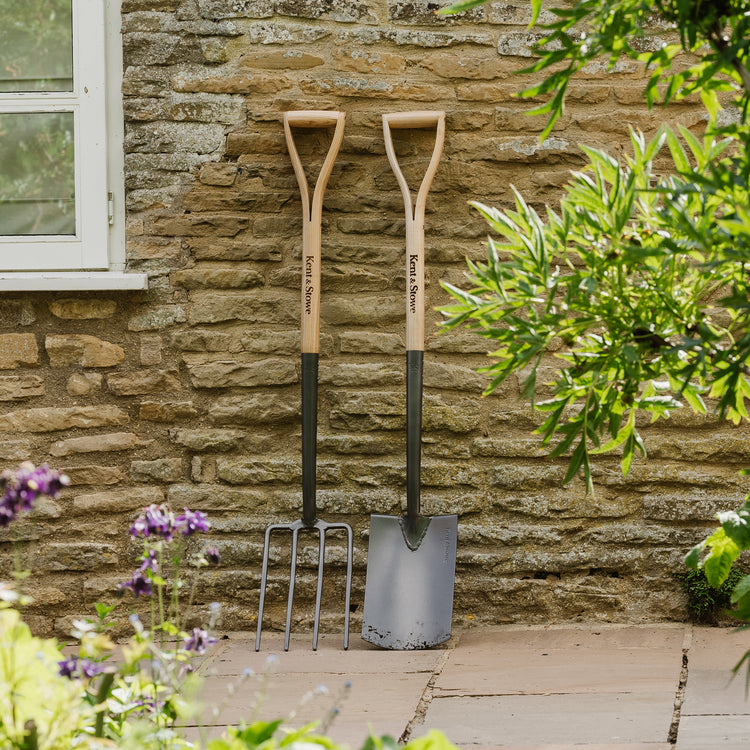
Common mistakes to avoid
A lot of gardening frustration comes from using the wrong motion or the wrong tool. I have made some of these mistakes myself, and they usually cost time and energy. The good news is that they are easy to fix once you know what to watch for.
Common mistakes include:
- Using a spade in very hard soil without loosening it first
- Trying to pry rocks out with a light-duty tool
- Forcing a fork when a clean cut would be better
- Digging in soil that is too dry and compact
- Ignoring handle length and grip comfort
One of the biggest lessons I learned was this: if you are fighting the tool, stop and reassess. Gardening should feel like steady work, not a wrestling match.
Expert tips for getting better results
A few small habits can improve your results fast. These are the kinds of things experienced gardeners often do without thinking, but beginners can learn them quickly. They make the garden spade vs digging fork decision even more effective.
Try these tips:
- Loosen dense soil first with a digging fork, then finish with a spade
- Keep blades clean so they cut and penetrate better
- Sharpen spade edges if the design allows it
- Work when soil is slightly moist, not soaked or bone dry
- Choose the tool that matches the surface, not just the crop
This is where experience matters most. The more you use both tools, the more you notice how much the soil itself tells you. A good gardener listens to the ground.
Frequently Asked Questions
Which is better for clay soil, a garden spade or digging fork?
A digging fork is usually better for clay soil because it loosens dense ground without fighting it too hard. A garden spade can still help after the soil is opened up, especially for shaping and digging neat holes.
Can I use a digging fork instead of a spade?
Yes, in many cases you can. A digging fork works well for loosening soil, turning compost, and lifting crops, but it does not cut clean edges as well as a spade.
Which tool is better for beginners?
A garden spade is often easier for beginners when the job is simple, like digging holes or edging beds. A digging fork is very useful too, especially if the soil is compacted or the garden bed needs aeration.
Is a digging fork gentler on soil than a spade?
Usually, yes. A digging fork tends to disturb the soil less than a spade, which helps preserve soil structure and can be better for worms and roots.
Do I need both a garden spade and a digging fork?
For most gardeners, yes. They handle different jobs, and having both makes garden work easier, faster, and less tiring.
Conclusion
The garden spade vs digging fork choice comes down to one simple idea: cut when you need clean edges, and loosen when you need easier soil movement. A spade is the better cutter, while a digging fork is the better opener. Once you match the tool to the task, gardening feels smoother, safer, and far less tiring.
If you are building your garden toolkit, start with the tool that fits your soil and your most common job. Then add the other one when you are ready. Try both, notice how your soil responds, and choose the tool that helps you work with the ground instead of against it.