Garden bird-friendly planting principles focus on native plants, natural food sources, layered vegetation, seasonal variety, and safe shelter. Choose plants suited to your local U.S. region and grow a mix of trees, shrubs, grasses, flowers, and ground cover to support birds throughout the year.
Across the United States, birds use gardens, yards, parks, and other green spaces to find food, water, shelter, and places to nest. A garden in the Northeast may attract cardinals, chickadees, and blue jays, while a yard in the Southwest may support hummingbirds, wrens, and local finches. Each region has its own birds, plants, soil, and weather. Good planting choices must reflect these local conditions.
The best bird-friendly garden does more than grow pretty flowers. It offers a steady supply of insects, seeds, fruits, and protective cover. Native plants often provide these resources while supporting local insects that many birds need to feed their young. A mix of plant heights and growth forms also gives birds more places to feed, rest, and hide.
You do not need a large yard to create useful habitat. A small garden bed, a group of native shrubs, or a few well-chosen plants in containers can add resources to an urban or suburban space. The goal is to build a living garden that works with nature instead of relying on a neat lawn and a few decorative plants.
Source: empressofdirt.net
1. Choose Native Plants That Suit Your Local Region
Native plants should form the base of a bird-friendly garden. These are plants that occur naturally in a particular region without human introduction. Over time, local insects, birds, and other wildlife have formed relationships with these plants. Growing them can help restore some of the natural food and shelter that developed land has lost.
A native tree may support caterpillars and other insects that feed birds. A native shrub may provide berries, nesting cover, and safe places to rest. Native grasses can produce seeds and create shelter near the ground. These benefits make native plants useful for more than their flowers or appearance.
However, native does not mean suitable everywhere. A plant native to the eastern United States may not support the same ecological relationships in California or Arizona. Check the plant’s natural range and local status before buying it.
Source: stanfords.co.uk
Match plants to your area
Use plants native to your state, local county, or ecoregion. A local native plant society, university extension office, or regional nursery can help identify suitable species.
Favor useful plant types
Include native trees, fruiting shrubs, flowering perennials, seed-producing grasses, and ground covers. Each group provides a different resource.
Check invasive plant lists
Avoid species listed as invasive in your state or region. Some popular ornamental plants can spread beyond gardens and replace useful local vegetation.
Consider local plant varieties
When practical, select locally sourced native plants or regional ecotypes. They can be well suited to local weather, soils, and wildlife relationships.
Find Native Plants for Different U.S. Regions
Plant selection changes across the country. In the Northeast and Mid-Atlantic, examples of useful native plants include oaks, serviceberries, flowering dogwoods, native viburnums, asters, and goldenrods. These plants can provide insects, fruits, seeds, and shelter.
In parts of the Southeast, native oaks, wax myrtle, yaupon holly, American beautyberry, and native flowering shrubs can add food and cover. In the Midwest and Great Plains, native prairie grasses, coneflowers, sunflowers, asters, and locally suitable fruiting shrubs can support seed-eating and insect-eating birds.
In the West, plant choices vary greatly between coastal forests, mountain areas, deserts, and dry interior valleys. Depending on the location, useful choices may include willows, serviceberries, native currants, Oregon grape, manzanita, mesquite, or desert willow.
These are regional examples, not universal planting lists. Check the natural range of each species and its needs before adding it to your garden.
Use reliable plant references
Consult the USDA PLANTS Database, state native plant societies, local extension services, and regional Audubon resources to check plant ranges and growing needs.
Ask about wildlife value
Ask a local native plant nursery which species host caterpillars, produce seeds or fruits, and provide cover for birds in your area.
2. Grow Plants That Provide Natural Bird Food
A bird-friendly garden should offer several kinds of food. Different birds eat different things, and their needs can change during the year. Some search for insects on leaves and branches, while others collect seeds, eat berries, or drink nectar.
Planting a mix of food-producing species creates more feeding choices than growing only one type of flower. It also helps support birds at different stages of life. For example, many songbirds need insects to feed their young, even when adult birds eat seeds and fruit at other times.
Think of the garden as a small food network. Plants feed insects, insects feed birds, and fruits and seeds provide direct food for many species. A healthy mix of these resources makes the garden useful to more wildlife.
Source: girlwhotravelstheworld.com
Grow plants that support insects
Native oaks, willows, birches, cherries, goldenrods, milkweeds, and other suitable local plants can support insect life. Caterpillars are especially valuable to many birds during the nesting season.
Include fruit-producing shrubs
Serviceberry, native dogwoods, elderberries, native viburnums, and other regionally suitable fruiting plants can provide food at different times of the year.
Keep seed-producing flowers
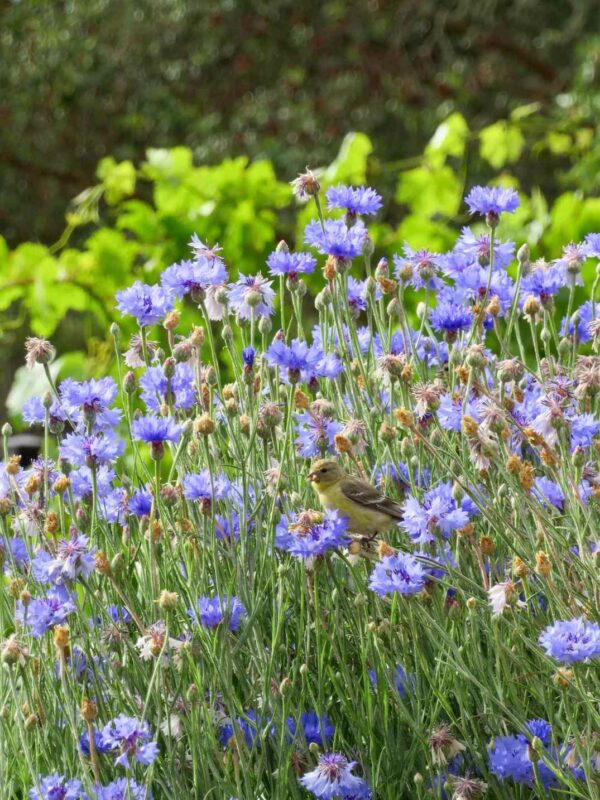
Native sunflowers, coneflowers, asters, and other plants with useful seed heads can feed finches, sparrows, and other seed-eating birds.
Add suitable nut-producing trees
Oaks, hickories, and walnuts can provide acorns and nuts for wildlife. Their branches and leaves also support many insects.
Include nectar-producing plants
Native columbines, penstemons, cardinal flowers, and other local nectar plants can support hummingbirds and insects that become food for other birds.
Why Insects Matter in a Bird Garden
Insects are a key part of many birds’ diets. During the breeding season, adult birds often collect caterpillars, spiders, and other small invertebrates to feed their chicks. Young birds need food that their parents can find and deliver in suitable amounts.
This is one reason native woody plants can be so useful. Many local insects have evolved with particular native plants and use them as places to feed and develop. A garden with suitable host plants can support more of this natural food supply.
Do not judge every insect by whether it eats a leaf. A few holes in foliage can be a sign that the garden is supporting wildlife. Removing every insect may make the plants look tidy, but it can also remove an important food source.
Accept some leaf damage
Allow a reasonable amount of insect feeding on healthy plants. Caterpillar activity is part of the natural food cycle.
Plant more than flowers
Include native trees, shrubs, and host plants that support insect life. A flower-only garden may offer less food for insect-eating birds.
Do Not Rely on Bird Feeders Alone
Feeders can attract birds and provide extra food, but they do not replace natural habitat. They cannot provide nesting cover, insect-rich foliage, or the full range of food that birds find in a healthy landscape.
A garden with native plants can support birds even when feeders are absent. If you choose to use feeders, keep them clean, store seed in dry conditions, and remove spilled food that may attract rodents or other unwanted animals.
Build natural food sources first
Use plants that produce insects, fruit, seeds, and nuts before treating a feeder as the main food supply.
Maintain feeders carefully
Clean feeding equipment on a regular schedule and remove wet or spoiled food to reduce the risk of disease.
3. Create Several Layers of Garden Vegetation
A bird-friendly garden should have different plant heights and forms. This is called vertical layering. It means growing plants from the ground up, much like the structure of a natural woodland, prairie edge, or shrubland.
A yard with only a few tall trees and a short lawn offers limited places for many birds to feed or hide. Adding shrubs, native grasses, flowering plants, and ground cover creates more useful spaces. Different bird species can then use different parts of the same garden.
Layering also helps create a sense of protection. Birds can move from an exposed feeding area into nearby cover when they sense danger. This is useful for small birds that need quick access to shelter.
Source: allbirdspecies.com
Canopy layer
Plant suitable native shade trees or larger trees where space allows. They may offer branches, nesting sites, insects, seeds, nuts, and resting places.
Small tree layer
Use smaller native trees to provide additional branches, seasonal fruits, flowers, and connections between tall trees and shrubs.
Shrub layer
Grow fruiting and dense native shrubs to offer cover, feeding areas, and possible nesting sites.
Herbaceous layer
Include native perennials and flowering plants that attract insects and produce seeds. Select plants with different heights and flowering periods.
Ground layer
Use native grasses, sedges, ferns, and ground covers to provide shelter, seeds, and places for birds to search for insects.
Natural soil layer
Retain some leaf litter, fallen twigs, and suitable decaying wood. These materials support insects and other small organisms that birds may eat.
Group Plants to Build Useful Habitat
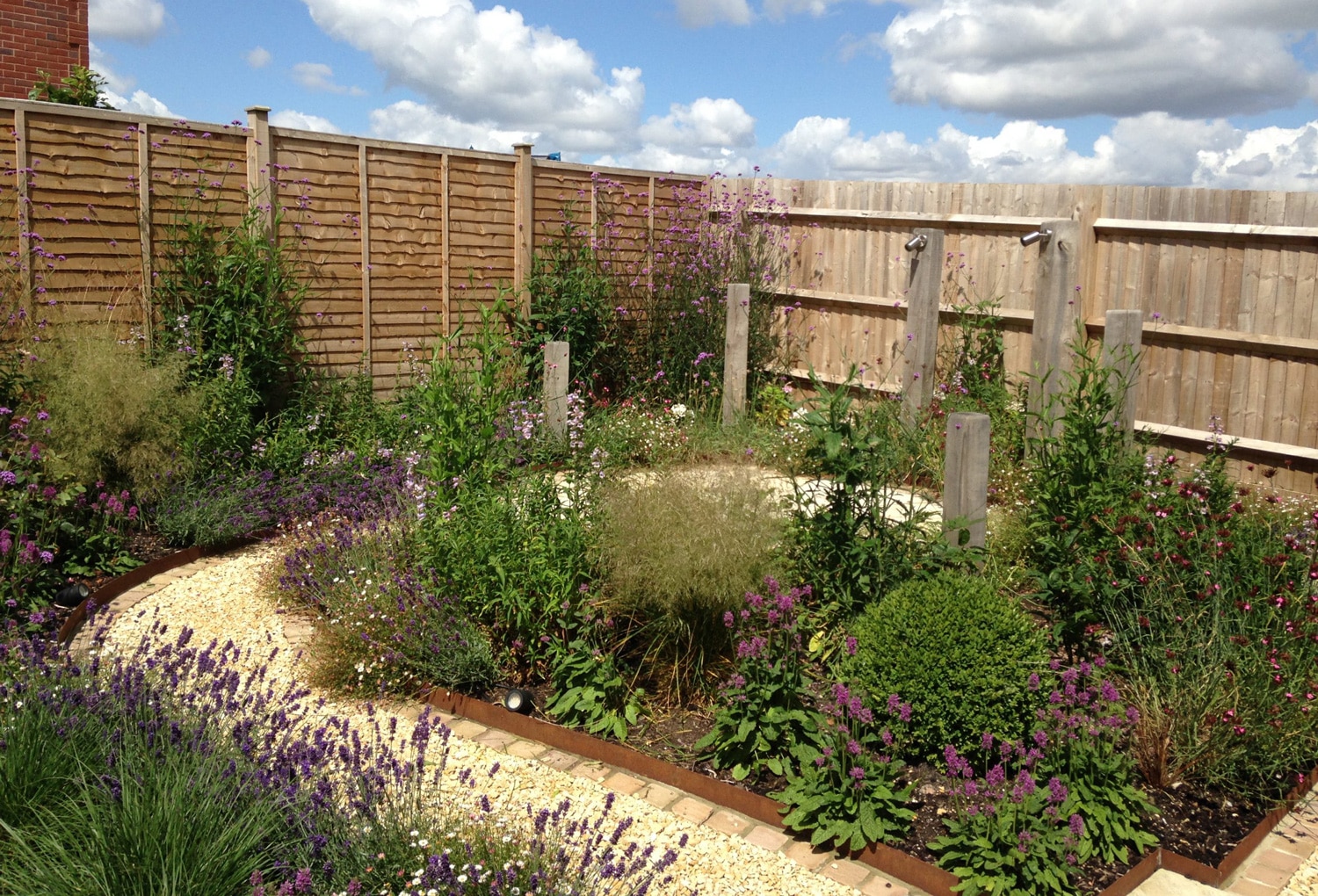
Planting in groups can make habitat easier for birds and other wildlife to use. A cluster of shrubs creates a larger area of cover than a single isolated shrub. Groups of native flowers also make feeding areas easier for pollinating insects to find.
You can place taller plants toward the back of a garden bed and shorter plants near paths or open spaces. In a natural-style garden, the arrangement can be less formal, with groups of different heights blending into one another.
Leave enough room for plants to reach their mature size. Crowded plants may compete for light, water, and nutrients. A good layout gives each plant space to grow while keeping useful shelter close together.
Create connected patches
Place groups of shrubs and flowers near one another so birds can move between feeding and shelter areas without crossing large open spaces.
Mix evergreen and deciduous plants
Evergreens offer cover when deciduous plants lose their leaves. Both types can provide useful habitat.
Keep some open ground
Not every part of a garden needs dense planting. Open areas can provide access to water, sunlight, and ground-feeding spaces.
4. Plan for Food and Shelter in Every Season
Birds need useful plants throughout the year, not just during the spring bloom. A garden that produces flowers for a few weeks may look attractive but leave long gaps in food and cover. Seasonal planning helps make the space useful during nesting, migration, and winter.
Different plants provide different resources as the seasons change. Spring flowers support insects and nectar feeders. Summer fruits and insects support breeding birds. Fall seeds and berries help birds prepare for colder weather or migration. Winter fruit, nuts, and evergreen cover can support birds that remain in the area.
The best approach is to combine plants with different flowering, fruiting, and seed-producing periods. Local weather and plant varieties affect timing, so use regional plant information rather than relying on a fixed national calendar.
Source: everedge.com.au
Spring
Grow early-flowering native plants and shrubs that support insects. Keep some dense vegetation for nesting and resting birds.
Summer
Include plants that support caterpillars, other insects, and seasonal fruits. Maintain safe cover during the active nesting period.
Fall
Allow flowers to form seeds and retain suitable fruiting plants. These resources can help resident and migrating birds.
Winter
Keep evergreen shrubs, conifers, persistent berries, and safe seed heads where they suit your region. These features offer food and protection during cold weather.
Keep Seed Heads and Fallen Leaves
Avoid cutting every flower stalk as soon as blooms fade. Seed heads from suitable native flowers can remain available for birds during fall and winter. They also give the garden a more natural shape.
Fallen leaves have a similar role. They provide cover for insects and other small organisms that birds may find while searching for food. A thin layer beneath trees and shrubs can also help protect soil and hold moisture.
You can still keep paths, drains, and heavily used areas clear. The aim is not to let the whole yard become unmanaged. It is to leave useful natural material in places where it can support wildlife.
Leave some flower stalks
Keep healthy seed-producing stems standing until birds and natural processes have used them.
Retain leaf litter
Leave leaves beneath trees and shrubs where they will not block drains or create other safety problems.
Prune with care
Check for active nests before trimming shrubs and trees. Nesting periods vary by region and species.
5. Plant for Nesting, Resting, and Natural Protection
Food alone does not make a complete bird habitat. Birds also need places to rest, escape predators, build nests, and shelter from harsh weather. The shape, density, and location of plants can help meet these needs.
Dense native shrubs can provide safe cover for small birds. Trees with suitable branches may offer nesting or resting sites. Conifers and other evergreens can give birds shelter when deciduous trees lose their leaves. Grasses and low plants can also provide cover close to the ground.
Different birds have different nesting needs. Some build nests in trees, others use shrubs, and cavity-nesting birds depend on holes in trees or suitable nest boxes. A varied garden is more likely to provide options than a yard filled with one type of plant.
Source: homesteadandchill.com
Grow dense shrubs
Select local native shrubs with branching patterns and foliage that offer cover and, where suitable, nesting structure.
Include evergreen cover
Native pines, junipers, cedars, and other locally suitable evergreens can provide year-round shelter and foraging areas.
Retain safe deadwood
A standing dead tree, known as a snag, may offer cavities and insects. Keep it only where it does not create a risk to people, buildings, or utility lines.
Create a brush pile
A small, stable pile of clean branches in a suitable location can provide shelter and support insects. Keep it away from buildings and other hazards.
Support cavity nesters
Where natural tree cavities are scarce, a correctly designed and maintained nest box may help suitable local species.
Plant Structure Is More Useful Than Decoration Alone
A shrub should not be selected only because it has bright flowers or a neat shape. Look at its mature size, branch structure, foliage density, fruit production, and value to local insects.
Some shrubs provide excellent shelter but are not suitable for supporting nests. Others have branching patterns that may help certain birds build nests. The best choice depends on the bird species and the plant’s growth form.
Avoid trimming every shrub into a tight shape. Allow suitable plants to develop natural branches and foliage. This can create more useful cover and reduce the need for repeated pruning.
Keep nesting areas quiet
Limit disturbance near active nests. Do not move, handle, or remove an active nest.
Use safe plant locations
Place dense shrubs where they provide cover without blocking walkways, sight lines, or access needed for home maintenance.
6. Match Plant Choices to Soil, Sunlight, and Space
A bird-friendly plant must also be able to grow well in your yard. A plant that struggles in poor conditions may produce few flowers, fruits, or seeds. Start by studying the site before buying plants.
Look at sunlight, soil texture, drainage, moisture, wind, and available space. Some native plants grow well in dry, sunny areas, while others need moist soil or shade. Choosing plants that match these conditions can reduce extra watering and plant loss.
Also consider the mature size of every tree and shrub. A small nursery plant may grow into a large tree that needs more room than the yard can provide. Check the expected height and spread before planting near buildings, fences, paths, or overhead wires.
Measure sunlight
Record which areas receive full sun, partial shade, or full shade. Use this information to match plants to their growing needs.
Check soil and drainage
Notice whether the soil is sandy, clay-rich, or loamy and whether water drains quickly or remains after rain.
Observe moisture patterns
Identify dry slopes, low wet areas, and places that receive extra runoff. Choose plants suited to each location.
Plan for mature growth
Check expected plant height, width, root spread, and pruning needs before setting plants in the ground.
A Simple Garden Planning Method
You can plan a useful bird garden without complex landscape software. A simple sketch of your yard can show where trees, shrubs, flowers, and ground covers will fit.
Mark existing trees, buildings, fences, paths, water sources, and sunny or shady areas. Then identify which habitat resources are missing. Perhaps your yard has flowers but no fruiting shrubs, or it has trees but very little cover near the ground.
Use the missing resources to guide your plant list. This approach helps avoid buying several plants that all perform the same role.
Step 1: Inspect the existing garden
List the plants you already have and note which birds visit them. Keep useful native plants whenever possible.
Step 2: Find habitat gaps
Look for missing food sources, seasonal resources, shelter, and vegetation layers.
Step 3: Build a plant list
Choose native species that match the soil, sunlight, moisture, and available space.
Step 4: Arrange plants
Place larger trees and shrubs where they have room to grow. Group smaller plants to create connected feeding and shelter areas.
Step 5: Plant and establish
Follow local planting guidance, water new plants as needed, and monitor their growth during the establishment period.
How to Know Whether Your Planting Plan Is Working
Look for signs that the garden is becoming more useful to wildlife. New growth, healthy flowers, fruit production, seed heads, insect activity, and bird visits can all provide useful clues.
Do not expect every bird species to appear at once. Some birds use gardens only during migration, while others may need mature shrubs or trees before they begin to visit regularly. Habitat development takes time.
Positive signs
Look for birds feeding in shrubs, insects visiting native flowers, fruit being eaten, and birds using safe areas for resting.
Signs that need attention
Repeated plant failure, poor flowering, dry soil, standing water where it is not suitable, or invasive plant spread may indicate that the site or plant choice needs adjustment.
7. Reduce Lawn, Invasive Plants, and Pesticide Use
A large area of closely mowed lawn usually offers less food and shelter for birds than a diverse planting area. Replacing some lawn with native trees, shrubs, grasses, and flowering plants can increase the amount of useful habitat in a yard.
You do not need to remove every patch of grass. Keep lawn where people play, walk, or gather. Focus on areas that receive little use, such as narrow edges, unused corners, and spaces beneath suitable trees.
Invasive plants also deserve attention. They can spread into nearby natural areas and replace local vegetation. Removing them and replacing them with appropriate native plants can help restore useful food and shelter.
Reduce unused lawn
Convert low-use grass areas into native planting beds, meadow patches, or ground-cover areas.
Remove invasive plants
Identify invasive species before removal and use suitable control methods. Some species spread through roots or seeds, so removal may need more than one step.
Avoid routine insect spraying
Broad-spectrum insecticides can kill insects that birds need for food. Allow natural predator-prey relationships to develop whenever possible.
Use targeted pest management
If a pest creates a real problem, identify it first and use the least harmful effective method. Follow all product label instructions and protect nearby wildlife.
Limit excessive fertilizer use
Choose plants suited to local soil conditions. Unneeded fertilizer can encourage excess growth and may contribute to runoff.
Let the Garden Be a Little Less Tidy
A perfectly clean garden may remove many of the small resources that birds use. Fallen leaves, seed heads, small branches, and natural ground cover all have ecological value.
Try to keep some areas natural while maintaining clean and safe paths. You can remove invasive weeds, clear blocked drains, and manage plants near buildings without removing every leaf or twig.
This balance helps create a garden that looks cared for while still supporting wildlife. The goal is not neglect. It is thoughtful maintenance that leaves room for natural processes.
Keep useful natural material
Leave suitable leaves, seed heads, and small branches in selected areas where they can support insects and birds.
Use careful pruning
Prune only when needed, check for active nests, and avoid removing all dense cover at once.
8. Make Small Gardens and Urban Spaces Bird-Friendly
Small gardens can still provide useful bird habitat. A compact yard, townhouse garden, shared outdoor space, or apartment balcony may offer food and shelter when plants are selected carefully.
Start with the resources that fit your available space. A native shrub in a small garden bed can provide more shelter than several isolated decorative pots. A container with suitable native flowers can support insects, while a seed-producing plant may provide food for local birds.
If you have limited ground space, think about plant height and placement. Use containers that suit the mature size of the plants and provide adequate drainage. Select species that can grow well in your local climate and do not become invasive.
For small yards
Choose a few useful native shrubs, compact trees, and flowering plants. Arrange them in connected groups where space permits.
For balconies
Use suitable containers with native flowering or seed-producing plants. Select plants that can tolerate the balcony’s sunlight, wind, and heat.
For shared gardens
Work with neighbors or property managers to create connected planting areas and reduce unnecessary chemical use.
For urban spaces
Use locally suitable plants that tolerate the conditions of paved areas, reflected heat, and limited soil volume.
Connect Your Garden With Nearby Green Spaces
A single yard is only one part of a larger landscape. When nearby properties include native plants, shrubs, trees, and other natural areas, they can form a network of habitat patches.
This connection can help birds move between feeding and resting areas. Even small planting beds can add useful cover when they are close to parks, street trees, gardens, or other green spaces.
You can help by choosing plants that complement nearby vegetation and by avoiding invasive species that may spread beyond your property.
Share native plant choices
Encourage neighbors to grow suitable local species and reduce unnecessary pesticide use.
Keep habitat patches connected
Where possible, place shrubs and other vegetation near existing green areas rather than creating isolated planting islands.
9. Protect Birds From Common Garden Hazards
Good planting choices are only one part of bird-friendly gardening. A garden may provide plenty of food and shelter but still expose birds to hazards. Think about window glass, outdoor cats, chemical use, and the placement of water sources when planning your space.
Windows can reflect trees and sky, making glass difficult for birds to see. If plants or feeders attract birds close to reflective windows, the risk of collisions may increase. Use effective exterior window treatments or other proven bird-safe methods to make glass visible.
Outdoor cats can also hunt birds in gardens. Keep pet cats indoors or use a secure outdoor enclosure. This protects birds and can also reduce risks to the cats themselves.
Make windows visible
Use closely spaced exterior patterns, screens, or other effective bird-safe window treatments. A few widely spaced decorative stickers may not prevent collisions.
Keep cats away from wildlife
Keep cats indoors or use secure enclosures that prevent hunting. Do not rely on garden plants alone to protect birds from predators.
Maintain clean water
Provide a shallow birdbath or suitable water feature. Replace water often and clean the surface to reduce contamination and disease risks.
Manage garden chemicals carefully
Avoid unnecessary pesticides and herbicides. Follow label directions when treatment is needed and prevent chemical drift into wildlife areas.
Check trees and deadwood
Keep snags and large branches only when they are safe. Seek advice from a qualified tree professional if a dead tree could fall near people, buildings, or power lines.
Add Water Without Creating a Health Risk
Birds need clean water for drinking and bathing. A shallow birdbath can be a useful addition to a planted garden, especially during hot or dry periods when natural water may be limited.
Choose a stable basin with a gradual slope or shallow edges. A rough surface or a few clean stones can give small birds a better place to stand. Place it where birds have nearby escape cover but are not easily surprised by predators.
Change the water often and clean the basin on a regular schedule. A neglected water feature can become dirty and may support unwanted mosquito breeding.
Choose a safe depth
Use shallow water that allows birds to stand and bathe without becoming submerged.
Clean the basin
Remove waste and algae, refresh the water, and follow suitable cleaning guidance.
Place it carefully
Provide nearby cover while leaving birds a clear view of their surroundings and room to escape.
Frequently Asked Questions
Q
What plants are best for attracting birds to a garden?
The best plants depend on your region and the birds you want to support. Native oaks, serviceberries, dogwoods, elderberries, native viburnums, sunflowers, coneflowers, asters, and native grasses can provide insects, fruits, seeds, and shelter in suitable parts of the United States.
Choose species that naturally grow in your local area and match your soil, sunlight, and moisture conditions. A mixture of trees, shrubs, grasses, and flowers usually provides more resources than a single plant type.
Q
Do native plants attract more birds than ornamental plants?
Native plants often support more of the local insects that many birds need, especially when feeding their young. They may also provide familiar fruits, seeds, and shelter for regional wildlife.
However, not every native plant has the same value, and some nonnative plants can offer limited food or cover. A good garden should prioritize suitable native species and avoid plants known to be invasive in the local area.
Q
Should I leave dead flowers and fallen leaves in a bird-friendly garden?
Yes, in suitable areas. Seed heads can provide food for seed-eating birds, while fallen leaves create habitat for insects and other small organisms. Those insects may become food for birds.
You can still remove diseased plant material, invasive weeds, and debris that blocks drains or creates a safety problem. Keep useful natural material in selected areas rather than clearing the entire garden.
Q
How can I make a small garden attractive to birds?
Choose a few useful native plants that provide different resources. A compact fruiting shrub, a seed-producing flower, and a small group of native ground-cover plants can add food and shelter to a limited space.
If you have a balcony, use suitable native plants in containers. Clean water and nearby safe cover can also help, but remember that small gardens work best as part of a wider network of green spaces.
Q
When is the best time to plant a bird-friendly garden?
The best planting time depends on your region, plant species, and local weather. Many trees, shrubs, and perennials can be planted during suitable spring or fall conditions, when temperatures are moderate and plants can establish roots.
Follow local nursery or extension guidance. Avoid planting during extreme heat, frozen ground, or other conditions that make establishment difficult. Water new plants as needed until they become established.
✦ Wrapping Up
Conclusion
Garden bird-friendly planting principles begin with a simple idea: grow plants that provide real habitat. Native trees, fruiting shrubs, flowering plants, grasses, and ground covers can support the food and shelter that local birds need. A garden with several vegetation layers and resources available across the seasons can serve more wildlife than a space built around a short lawn and decorative flowers alone.
You can improve an existing yard without changing everything at once. Start by checking the plants you already have, finding the missing habitat resources, and choosing suitable native species. Leave some seed heads and fallen leaves, reduce unnecessary chemical use, and create connected areas of vegetation.
Remember that a bird-friendly garden takes time to develop. Trees need years to mature, shrubs need time to form dense cover, and insects may take time to establish relationships with suitable plants. Small improvements can build into a useful habitat when you maintain them with care.
💡 Key Takeaway
Start with one area of your yard. Check its sunlight, soil, and moisture, then choose three locally native plants that provide different resources, such as insect habitat, seasonal fruit, and seeds. Add more vegetation layers over time, retain useful natural materials, and observe how birds use the garden throughout the year.