Plant respiration is the process by which living plant cells break down sugars to release usable energy. They capture much of this energy in ATP, which powers root growth, nutrient uptake, cell repair, seed germination, and other life processes. Plants respire during both the day and night.
Across the United States, gardeners grow tomatoes in Midwest vegetable beds, herbs on Northeast patios, and fruit trees in warm Southern yards. These plants may face very different weather, but they all depend on one basic process: cellular respiration. It helps every living plant cell get the energy it needs to grow, repair damage, and stay alive.
Plants make sugars through photosynthesis when light is available. However, making sugar is only part of the job. Plant cells must also release the stored chemical energy in those sugars and convert it into a form they can use. This is where respiration comes in.
Plant respiration happens in roots, stems, leaves, flowers, fruits, and seeds. It continues in daylight and darkness. Even when a plant is not making new sugar at night, its cells still need energy to maintain their structure and carry out essential work.
Understanding plant respiration helps gardeners make better choices about soil, watering, drainage, temperature, and plant care. It also explains why healthy roots need air, why waterlogged soil can damage plants, and why stored food supports growth when sunlight is limited.
Source: plantideas.darienicerink.com
What Is Plant Respiration?
Plant respiration is a set of chemical reactions inside living cells. These reactions break down sugars and other organic compounds in a controlled way. The released energy supports the work that keeps the plant alive.
The main fuel for respiration is often glucose, although plant cells can also use other stored or transported compounds. These include sugars, organic acids, and substances made from stored fats. The cell processes these materials through linked metabolic pathways.
Most aerobic respiration takes place in mitochondria. These small structures are found in nearly all living plant cells. They help transfer energy from food molecules into ATP, which cells can use to perform work.
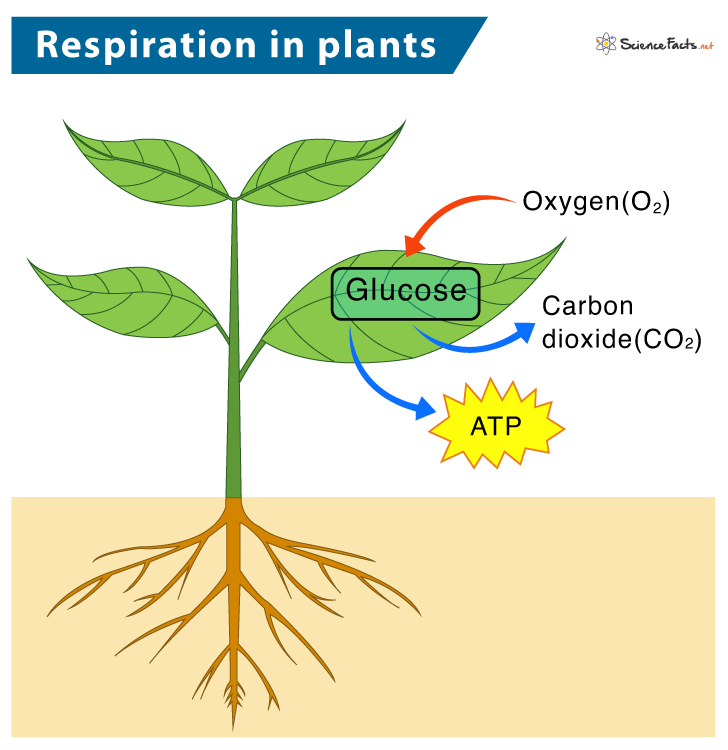
ATP stands for adenosine triphosphate. It is often called the energy currency of the cell because it carries energy from one chemical reaction to another. Think of sugar as stored fuel and ATP as the energy that the cell can spend when it needs to do a job.
Source: sciencefacts.net
It releases stored energy
Respiration breaks down sugars and transfers part of their chemical energy into ATP.
It occurs in living tissues
Roots, stems, leaves, flowers, fruits, and seeds all have cells that need energy.
It continues without sunlight
Plant cells still need energy at night, during cloudy weather, and when they grow underground.
It supports survival
Without a steady supply of usable energy, cells cannot maintain their membranes, transport materials, or build new tissues.
Where Does Respiration Occur in Plant Cells?
Respiration begins in the cytoplasm, the fluid-filled part of the cell. Later stages take place in the mitochondria. The inner membrane of each mitochondrion contains important proteins that help produce most of the ATP made during aerobic respiration.
Unlike photosynthesis, respiration does not require chlorophyll or a chloroplast. This is why roots and other non-green plant tissues can still release energy from stored food.
Cytoplasm
The first stage of glucose breakdown takes place here.
Mitochondrial matrix
Pyruvate processing and the citric acid cycle take place mainly in this internal space.
Inner mitochondrial membrane
The electron transport chain and ATP synthase help produce most aerobic ATP.
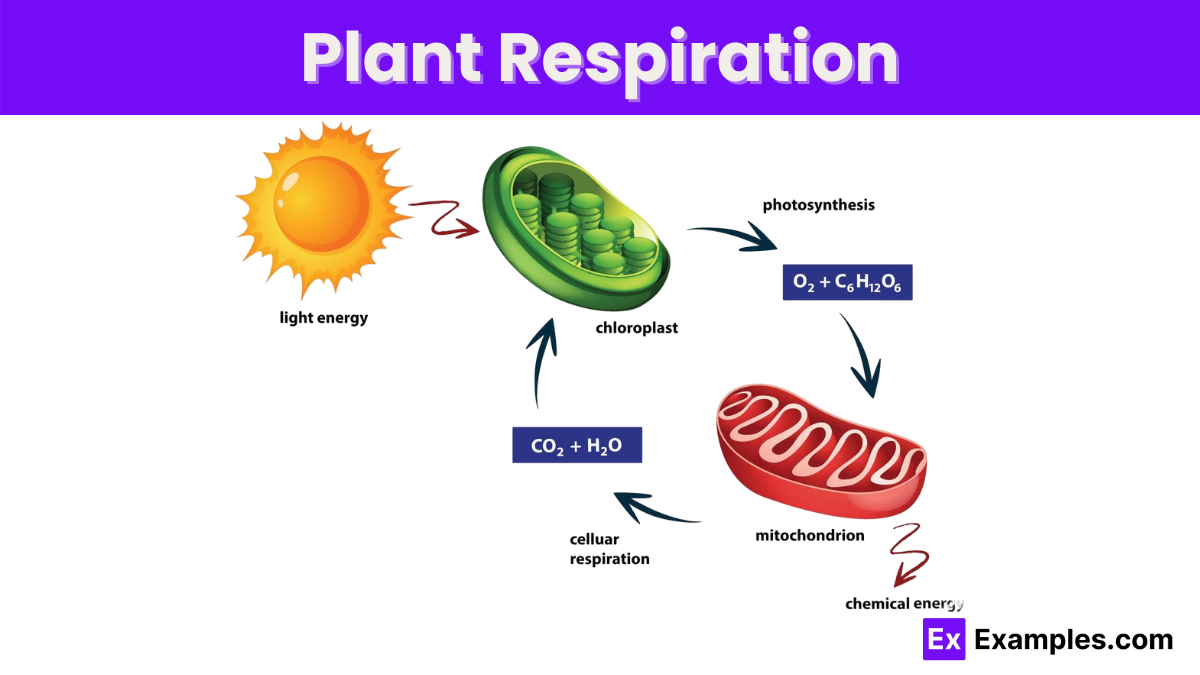
Plant Respiration Equation and Photosynthesis
The basic equation for aerobic plant respiration shows how glucose and oxygen are used to release energy. The main products are carbon dioxide and water, while some of the released energy is captured in ATP and some is released as heat.
The simplified chemical equation is: C6H12O6 + 6O2 → 6CO2 + 6H2O + energy. In this equation, glucose is the fuel and oxygen supports the final stage of aerobic energy production.
This equation helps explain why plants need both food and oxygen. Photosynthesis makes carbohydrates by using light energy, while respiration breaks down those carbohydrates to supply energy for cellular work.
Although the overall equations look like opposite reactions, photosynthesis is not simply respiration running backward. The two processes use different chemical pathways, enzymes, and cell structures. They work together to support plant growth.
Source: examples.com
Photosynthesis stores energy
Chloroplasts use light energy, carbon dioxide, and water to build carbohydrates.
Respiration releases energy
Plant cells break down carbohydrates and transfer usable energy into ATP.
Photosynthesis releases oxygen
Oxygen is produced during the light reactions of photosynthesis.
Respiration uses oxygen
Oxygen acts as the final electron acceptor in the mitochondrial electron transport chain.
How Photosynthesis and Respiration Work Together
During daylight, a healthy green leaf can carry out photosynthesis and respiration at the same time. Photosynthesis may produce sugars faster than the cells use them, allowing the plant to store some carbohydrates or move them to other tissues.
At night, photosynthesis stops because there is no light to drive its light-dependent reactions. Respiration continues, using sugars made earlier or released from stored starch. This energy helps roots grow, cells repair themselves, and tissues maintain normal functions.
The balance between these processes affects how much carbon a plant can retain for new growth. A plant that fixes more carbon through photosynthesis than it loses through respiration and other processes can build more plant material over time.
During the day
Photosynthesis produces sugars while respiration supplies ATP for cellular work.
During the night
Respiration continues and uses stored or transported carbohydrates.
During active growth
The plant needs energy for new roots, leaves, stems, flowers, and fruit.
How Cellular Respiration Produces ATP
Aerobic cellular respiration has several connected stages. Each stage changes the fuel molecule and transfers energy to chemical carriers or ATP. Most of the ATP is produced during the final stage, which takes place in the mitochondria.
The process is more like a controlled series of small energy transfers than a single burst of energy. This allows plant cells to capture useful energy while limiting the loss of energy as heat.
Source: slideshare.net
Glycolysis
Glucose is split into two smaller molecules called pyruvate, producing a small amount of ATP.
Pyruvate oxidation
Pyruvate enters the mitochondrion and is converted into acetyl-CoA, releasing carbon dioxide and forming NADH.
Citric acid cycle
Acetyl-CoA is processed through a cycle of reactions that produces carbon dioxide, electron carriers, and a small amount of ATP or an equivalent molecule.
Oxidative phosphorylation
Electrons move through the mitochondrial electron transport chain, helping create the conditions needed for ATP production.
Stage One: Glycolysis
Glycolysis takes place in the cytoplasm. During this stage, one glucose molecule is split into two pyruvate molecules. The process produces a net gain of two ATP molecules and forms NADH, which carries high-energy electrons to later reactions.
Glycolysis does not directly use oxygen. It can continue for a short time when oxygen is limited, although the cell cannot maintain normal aerobic energy production without restoring the conditions needed for later stages.
Main location
Cytoplasm of the plant cell.
Main product
Two pyruvate molecules from one glucose molecule.
Energy result
A net gain of two ATP molecules and the production of NADH.
Stage Two: Pyruvate Oxidation
When oxygen is available for sustained aerobic respiration, pyruvate enters the mitochondrion. Enzymes convert it into acetyl-CoA, a molecule that can enter the citric acid cycle.
This step releases carbon dioxide and forms more NADH. The NADH carries electrons that will later help drive ATP production.
Fuel preparation
Pyruvate is changed into acetyl-CoA.
Carbon release
Carbon dioxide is released during the conversion.
Stage Three: The Citric Acid Cycle
The citric acid cycle takes place in the mitochondrial matrix. Acetyl-CoA enters a sequence of enzyme-controlled reactions that release carbon dioxide and produce electron carriers called NADH and FADH2.
The cycle also produces a small amount of ATP or an equivalent energy-rich molecule. Its major contribution is the production of electron carriers that feed the next stage.
Main location
Mitochondrial matrix.
Main role
Breaks down carbon compounds and loads energy into electron carriers.
Stage Four: Electron Transport and ATP Production
The electron transport chain sits in the inner mitochondrial membrane. It passes electrons through a series of protein complexes. The energy released during these transfers helps pump hydrogen ions across the membrane.
This creates an electrochemical gradient. Hydrogen ions then move back through an enzyme called ATP synthase. The movement powers the joining of ADP and phosphate to form ATP.
Oxygen accepts electrons at the end of the chain and combines with hydrogen to form water. Without enough oxygen, this system cannot continue at its normal aerobic rate.
You may see textbook estimates of about 30 to 32 ATP molecules from one glucose molecule in eukaryotic cells. This is an approximate value, not a fixed result for every plant cell. Actual ATP production varies with cell type, energy demands, transport costs, and metabolic conditions.
Electron movement
Electrons pass through protein complexes in the inner mitochondrial membrane.
Hydrogen ion gradient
The movement of ions stores energy across the membrane.
ATP synthase
This enzyme uses the ion gradient to produce ATP.
Oxygen
Oxygen accepts electrons at the end of the chain and helps form water.
How Plants Use Energy From Respiration
Plants use ATP to power work that cannot happen on its own. Many cell reactions need an energy input before they can build a new molecule, move a substance, or change the structure of a cell.
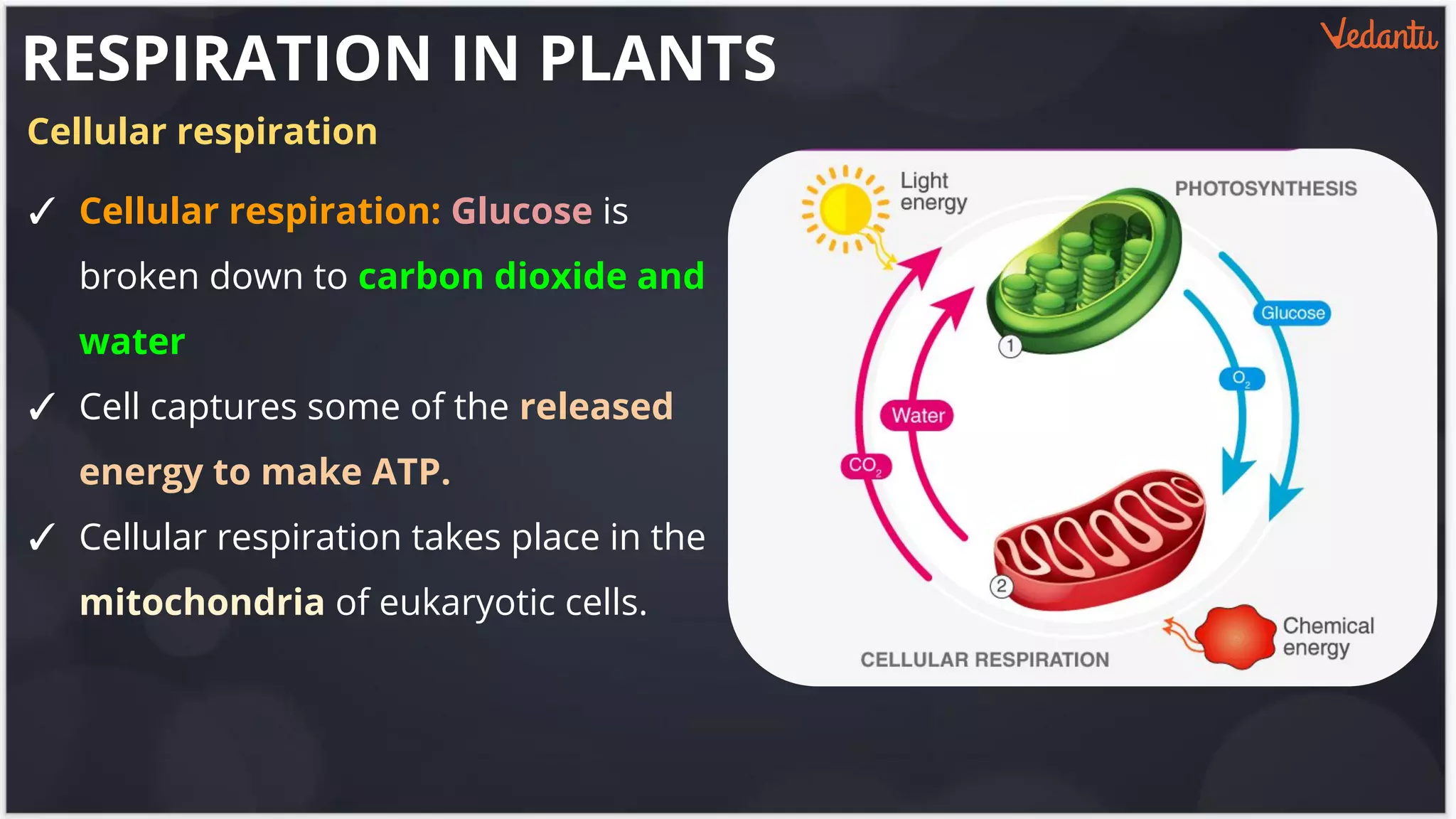
Respiration is therefore essential to more than simple growth. It also supports maintenance, transport, repair, defense, and reproduction. A plant needs a reliable energy supply even when it is not making new leaves or flowers.
Source: vedantu.com
Root activity
ATP supports the movement of mineral ions and other substances across root cell membranes.
New tissue formation
Cells use energy to make proteins, membranes, and other materials needed for growth.
Cell division
Growing root tips, shoot tips, and developing tissues need energy to divide and form new cells.
Cell repair
Energy helps cells replace damaged materials and maintain normal functions.
Water balance
ATP-powered transport processes help control ion movement in guard cells and other tissues.
Energy Use in Roots
Roots need energy to explore the soil and absorb nutrients. Root cells use ATP to support active transport, which moves selected mineral ions across cell membranes even when the movement goes against a concentration gradient.
This energy also supports root hair development, new root growth, and the maintenance of living tissues. A plant with damaged or oxygen-starved roots may struggle to absorb water and nutrients even when the soil contains enough of them.
Mineral uptake
Root cells use energy to move essential ions into the plant.
Root growth
New cells need ATP to divide, expand, and develop.
Membrane maintenance
Energy helps maintain the conditions needed for normal cell transport.
Energy Use in Leaves, Flowers, and Fruits
Leaves use energy to maintain cells, manage stomatal movement, and build new tissue. Guard cells change their ion levels and water content to control whether stomata open or close. These changes involve energy-dependent transport.
Flowers and developing fruits also need energy. Their cells use ATP during growth, cell division, sugar transport, pigment production, and the formation of reproductive structures.
Leaf maintenance
ATP supports membrane activity and the repair of cell structures.
Flower development
Energy supports the formation and maintenance of reproductive tissues.
Fruit development
Developing fruits need energy for growth and the movement of stored sugars.
How Plants Get Oxygen for Respiration
Plants do not have lungs or a central breathing system. Oxygen moves into their tissues mainly by diffusion. Diffusion is the movement of molecules from an area where they are more concentrated to an area where they are less concentrated.
Leaves have tiny pores called stomata. These pores allow gases to move between the leaf and the surrounding air. Inside the leaf, spaces between cells help oxygen reach living tissues and allow carbon dioxide to move out.
Roots also need oxygen. They obtain much of it from air spaces between soil particles. This is why soil structure and drainage have a direct effect on root health.
Leaves
Oxygen moves through stomata and internal air spaces to reach living cells.
Green stems
Gases can move through openings and spaces in living stem tissues.
Woody stems
Small structures called lenticels help gas exchange through the outer bark.
Roots
Oxygen moves from air spaces in the soil into root tissues.
Why Root Oxygen Matters
Healthy soil contains both water and air. Water fills some spaces between soil particles, while air fills others. Roots need access to both because water supplies essential materials and oxygen supports aerobic respiration.
When soil stays saturated for too long, water replaces much of the air in the soil pores. Oxygen then moves much more slowly toward roots. The shortage can reduce aerobic ATP production and make it harder for roots to absorb minerals and maintain their cells.
Some wetland plants have special internal air spaces called aerenchyma. These spaces help move oxygen through plant tissues in flooded habitats. Most common garden crops do not have the same level of adaptation, so they need suitable soil drainage.
Good soil structure
Allows water to drain while keeping useful air spaces.
Waterlogged soil
Can limit oxygen movement and increase the risk of root injury.
Compacted soil
Can reduce large pores and make it harder for roots to obtain oxygen.
Factors That Affect Plant Respiration Rates
Plant respiration does not happen at one fixed speed. Its rate changes with temperature, oxygen supply, available food, plant age, tissue type, and growth stage. These factors affect how quickly cells use stored carbohydrates and produce ATP.
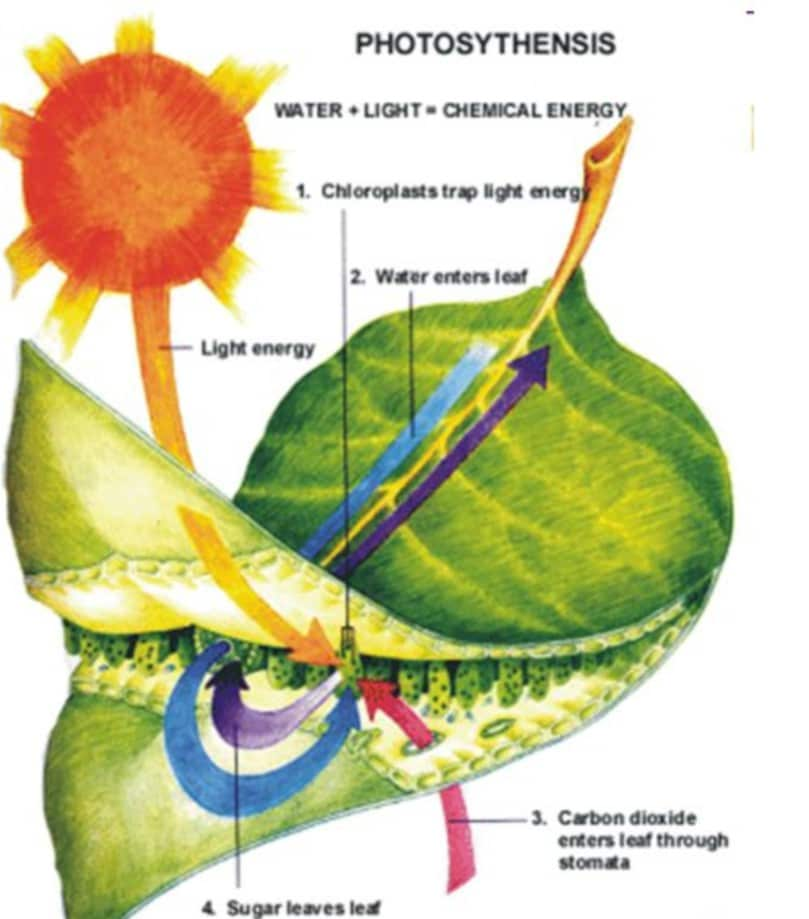
A change in respiration is not always harmful. A young plant may need more energy because it is making new roots and leaves. However, when respiration uses stored sugars faster than photosynthesis can replace them, less carbon may remain for growth.
Source: vectormine.com
Temperature
Respiration generally becomes faster as temperature rises within a suitable range. Very high temperatures can cause stress and disrupt normal cell functions.
Oxygen supply
Low oxygen can restrict aerobic respiration, especially in roots growing in saturated or compacted soil.
Sugar availability
Cells need suitable fuel sources. Stored starch can be broken down to supply sugars when current photosynthesis is limited.
Plant growth stage
Germinating seeds and actively growing tissues often have high energy demands.
Water stress
Severe drought can close stomata, reduce photosynthesis, and change the plant’s energy balance.
How Temperature Changes Energy Use
Temperature affects the enzymes that control respiration. Within a suitable range, warmer conditions often speed up enzyme reactions and increase the rate at which stored sugars are used.
This does not mean that warmer conditions always help a plant. Excessive heat can damage tissues, increase water stress, and disrupt several metabolic processes. High nighttime temperatures can also increase respiratory carbon loss when photosynthesis has stopped.
Cooler conditions often slow respiration. This is one reason many plants use less stored energy during dormancy or periods of slow growth. The exact response depends on the species and its ability to adjust to changing conditions.
Cool conditions
Usually slow many enzyme-controlled reactions and reduce respiratory activity.
Moderate warmth
Can support active metabolism when water and oxygen are available.
Extreme heat
Can increase stress, speed sugar use, and damage normal cell functions.
How Oxygen Shortage Changes Respiration
When oxygen becomes scarce, the mitochondrial electron transport chain cannot maintain its normal activity. Plant cells may rely more on fermentation to keep glycolysis running for a limited time.
Fermentation produces far less ATP per glucose molecule than aerobic respiration. Some oxygen-starved plant tissues form ethanol and carbon dioxide during this process. If the shortage continues, the lack of energy and the buildup of harmful substances can injure root cells.
Short oxygen shortage
Some cells may temporarily use fermentation to keep a small supply of ATP available.
Long oxygen shortage
Can reduce root function, damage tissues, and slow plant growth.
Garden Practices That Support Healthy Plant Respiration
Gardeners cannot directly control every chemical reaction inside a plant. However, they can improve the conditions that allow respiration to work well. The most useful steps are to protect root health, maintain suitable soil moisture, prevent severe compaction, and reduce avoidable heat stress.
The goal is not to make a plant respire as quickly as possible. Respiration uses stored carbon to provide energy, so an unusually high rate can use sugars that might otherwise support growth. The goal is to maintain a healthy balance between food production, energy use, and plant needs.
Improve soil drainage
Use suitable soil structure and drainage practices to prevent long periods of saturation around roots.
Avoid soil compaction
Limit heavy foot traffic and equipment over active root zones, especially when soil is wet.
Water according to soil conditions
Check soil moisture and the needs of the plant rather than following a fixed watering schedule.
Use suitable containers
Choose containers with open drainage holes and avoid leaving roots in standing water.
Reduce excessive heat stress
Use suitable planting times and protect heat-sensitive container plants from extreme root-zone temperatures.
Maintain balanced plant care
Provide suitable light, water, and nutrients without forcing growth through excessive fertilizer.
How to Check Whether Soil Has Enough Air
Start by checking the soil after watering. If water remains on the surface or the root zone stays saturated for long periods, drainage may be poor. Also look for compacted areas where water cannot move through the soil easily.
For container plants, check that drainage holes are open and that the pot does not sit in a tray of standing water. For garden beds, observe how quickly excess water drains after normal irrigation or rain.
Do not dig deeply around established roots just to test soil aeration. You can damage the very roots you want to protect. Use a small inspection area away from the main stem when a closer check is needed.
Check moisture
Feel the soil below the surface to see whether it remains wet long after watering.
Check drainage
Look for standing water, blocked container holes, and areas that remain muddy.
Check root condition
Where safe to inspect, healthy roots are generally firm, while damaged or decaying roots may be soft and dark.
Make gradual changes
Correct watering and drainage problems without disturbing large parts of the root system.
What to Do When a Plant Wilts in Wet Soil
Wilting does not always mean that a plant needs more water. Roots damaged by poor aeration may fail to take up water properly, even when the soil is wet. Adding more water can make the problem worse.
First, check soil moisture and drainage. If the soil is saturated, allow excess water to drain and review the watering routine. Check container holes and look for signs of root decay. If the plant continues to decline, consider whether a root disease or another stress may also be involved.
Avoid adding fertilizer as the first response. Stressed roots may not absorb nutrients well, and extra fertilizer can add further stress. Correct the root-zone problem before changing the nutrient plan.
Symptom
Leaves wilt even though the soil feels wet.
Possible cause
Poor drainage, low root-zone oxygen, or damaged roots.
First check
Inspect soil moisture, drainage holes, and the condition of accessible roots.
Next step
Correct excess moisture and seek local plant disease advice if the plant continues to decline.
Plant Respiration During Germination and After Harvest
Respiration is especially important when a seed begins to germinate. A dry seed may remain inactive for a long time, but once it absorbs enough water under suitable conditions, its cells become active. Stored food then supplies energy for the embryo to grow.
The young root usually develops first, followed by the shoot. During this period, the seedling depends on stored carbohydrates, fats, or proteins until its leaves can carry out enough photosynthesis to support its needs.
Respiration also continues after fruits and vegetables are harvested. A picked tomato, apple, or leafy vegetable is still made of living cells for a time. Those cells continue using stored food, which is one reason harvested produce changes as it ages.
Seed activation
Water uptake activates many processes needed to support seed germination.
Embryo growth
Respiration supplies energy for cell division and the development of the first root and shoot.
Seedling establishment
Stored food supports growth until photosynthesis can meet more of the plant’s energy needs.
After harvest
Living produce cells continue to respire and use stored carbohydrates.
Why Respiration Matters for Produce Storage
After harvest, fruits and vegetables do not instantly become inactive. Their cells continue to use oxygen and release carbon dioxide as they carry out respiration. Over time, this process contributes to the use of stored food and changes in freshness.
Cooling suitable produce can slow respiration and delay some forms of deterioration. However, storage conditions should match the crop. Some fruits and vegetables are sensitive to cold injury, so refrigeration is not the right answer for every harvested crop.
Good harvest handling also matters. Avoid unnecessary bruising, remove damaged produce, and follow suitable crop-specific storage guidance to maintain quality.
Respiration continues
Harvested fruits and vegetables remain biologically active for a period after picking.
Cooling can slow the process
Suitable low temperatures often reduce respiratory activity and slow quality loss.
Storage needs vary
Temperature and humidity requirements differ among crops, so use guidance for the specific fruit or vegetable.
Common Misunderstandings About Plant Respiration
Plant respiration is often confused with photosynthesis or the movement of gases through leaves. These processes are related, but they do different jobs. Understanding the difference helps gardeners avoid incorrect watering, lighting, and soil-care decisions.
Another common mistake is assuming that respiration is harmful because it uses stored sugars. In reality, respiration is essential. A plant cannot turn stored food into usable energy for growth and maintenance without it.
Myth: Plants respire only at night
Respiration happens during both daylight and darkness. Photosynthesis is the process that depends on light.
Myth: Only green leaves respire
Living roots, stems, flowers, fruits, and seeds also carry out cellular respiration.
Myth: Respiration is the same as photosynthesis
Photosynthesis stores energy in carbohydrates, while respiration releases usable energy from those compounds.
Myth: More respiration always means better growth
Very high respiratory use can consume stored sugars faster, leaving less carbon available for growth.
Myth: Waterlogged soil gives roots more water, so roots must grow better
Roots also need oxygen. Excess water can reduce soil air spaces and limit normal aerobic respiration.
Is Plant Respiration the Same as Breathing?
People sometimes use the word breathing when talking about plant gas exchange. However, plants do not have lungs or a breathing system like humans and other animals.
Plant respiration is a chemical process inside cells. Gas exchange is the movement of oxygen and carbon dioxide into and out of plant tissues. Gas exchange supplies the oxygen needed for aerobic respiration and helps remove carbon dioxide produced by the process.
Respiration
Chemical reactions that release usable energy from food molecules.
Gas exchange
Movement of gases through stomata, lenticels, roots, and internal air spaces.
Frequently Asked Questions
Q
Do plants respire during the day and at night?
Yes. Plants respire during both the day and night. During daylight, photosynthesis and respiration can happen at the same time. At night, photosynthesis stops because light is unavailable, but respiration continues to provide ATP for cell maintenance, growth, and repair.
Q
Do plant roots need oxygen for respiration?
Yes. Most garden plant roots need oxygen to support normal aerobic respiration. They obtain much of this oxygen from air spaces between soil particles. Waterlogged or compacted soil can limit oxygen movement, reduce energy production, and damage roots.
Q
What is the main purpose of ATP in plants?
ATP supplies usable energy for many cellular tasks. Plants use it for mineral uptake, cell division, tissue growth, protein production, membrane transport, repair, and other metabolic activities. It is a short-term energy carrier rather than the main form of long-term food storage.
Q
Does photosynthesis stop plant respiration?
No. Photosynthesis does not stop respiration. Green plant cells can carry out both processes during daylight. Photosynthesis builds carbohydrates, while respiration breaks down food molecules to release energy that cells can use.
Q
Can too much water reduce plant respiration?
Yes. When soil becomes saturated, water can replace the air in soil pores. This reduces the movement of oxygen toward roots and limits aerobic respiration. Long periods of poor drainage can cause root injury, slow nutrient uptake, and reduce plant growth.
✦ Wrapping Up
Conclusion
Plant respiration is essential because it turns stored food into usable energy. Through a series of chemical reactions, plant cells transfer energy from sugars into ATP. This energy supports roots, leaves, stems, flowers, fruits, seeds, and nearly every living part of a plant.
Photosynthesis and respiration work together. Photosynthesis captures light energy and builds carbohydrates, while respiration releases usable energy from those carbohydrates. Both processes help determine how much energy and carbon remain available for growth.
For gardeners, the most useful lesson is that healthy plant growth depends on healthy living tissues and suitable growing conditions. Good drainage, proper watering, reduced soil compaction, and protection from extreme stress all help roots and other tissues function well.
💡 Key Takeaway
Check the soil around your plants before changing your watering routine. Keep the root zone moist enough for the crop but well drained, avoid compacting wet soil, and remember that plants need oxygen as well as water. These simple habits support healthy respiration, root function, and long-term growth.