Heavy rain recovery starts with drainage, pruning damage, and gentle care before roots rot or plants shock.
Heavy rain can leave a garden looking tired, flattened, and muddy, but most plants can bounce back with the right steps. I’ve seen plenty of plants that looked finished one day and fully recovered a week later once the water drained, the damaged parts were trimmed, and the soil had a chance to breathe. If you want to know how to recover plants after heavy rain without making things worse, this guide walks you through exactly what to do, what to avoid, and how to help your garden regain strength fast.
How Heavy Rain Affects Plants
Heavy rain does more than just soak the soil. It can damage roots, wash away nutrients, compact the ground, and invite disease. Some plants perk up after a good soak, but too much water turns the root zone into a low-oxygen zone, and roots need air as much as they need moisture.
When I first started gardening, I thought “more rain equals less work.” That turned out to be wrong. After one storm, my tomato plants wilted even though the soil was wet, and I learned the hard way that soggy roots can act like thirsty roots because they can’t take in oxygen well enough.
Common effects of heavy rain include:
- Waterlogged soil that slows root growth
- Broken stems and bent branches from impact and wind
- Soil erosion that exposes roots
- Leached nutrients, especially nitrogen
- Fungal disease and root rot
- Slugs, snails, and pests that show up in damp conditions
Understanding these effects is the first step in how to recover plants after heavy rain. Once you know what the storm did, you can choose the right fix instead of adding stress.

First Steps to Take Right After the Rain Stops
The first 24 to 48 hours matter most. This is when you can stop small problems from turning into bigger ones. Move slowly, because wet plants are fragile and wet soil compacts easily.
Start with this simple order:
-
Check drainage
Look for standing water around pots, beds, and low spots in the yard. If water is sitting for hours, roots may already be under stress. -
Avoid walking on soaked soil
Wet soil compacts fast. Compacted soil blocks air movement and makes recovery slower. -
Remove broken leaves and stems
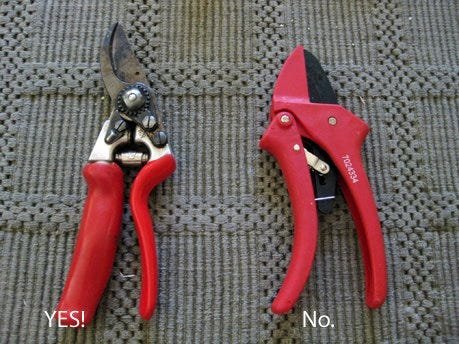
Use clean, sharp pruners. Cut only clearly damaged tissue so you do not create extra wounds. -
Support leaning plants
Stake tall plants if they have fallen over. Gentle support helps them reset without snapping. -
Inspect the root zone
For container plants, make sure drainage holes are clear. For in-ground plants, check whether mulch or debris is sealing the surface.
This early response is a big part of how to recover plants after heavy rain. The goal is not to rush. It is to reduce stress and let the plant stabilize.
Check Whether the Plant Is Truly in Trouble
Not every droopy plant is doomed. After heavy rain, some leaves sag because the roots are briefly overwhelmed, not because the plant is dead. A plant can often recover once the soil dries enough for air to return to the root zone.
Look for these signs of trouble:
- Leaves turning yellow or soft
- Stems that feel mushy near the base
- A sour smell from the soil
- Black or brown roots
- Continued wilting even after the soil drains
- Mold or fuzzy growth near stems
If the soil still feels wet and the plant still looks limp, do not water again. That is one of the most common mistakes I see. People panic and water a plant that is already drowning.
A better test is to press your finger into the soil about 2 inches deep. If it feels wet, wait. If it starts drying and the plant is still weak, then you can step in with careful support.
Improve Drainage Fast
Drainage is the heart of how to recover plants after heavy rain. If water keeps pooling, the plant cannot heal. You do not need fancy tools to make a difference, but you do need to help the soil breathe.
Try these practical fixes:
-
Pull mulch back from stems and crowns
Mulch trapped against stems holds moisture too long and can cause rot. -
Open blocked drainage holes in pots
Stick to gentle clearing. Never force a tool deep into roots. -
Tilt pots slightly
This helps excess water escape faster. -
Create shallow channels in beds
Small paths can guide water away from root zones. -
Add organic matter later, not immediately
Compost helps long term, but do not mix heavy wet soil while it is saturated.
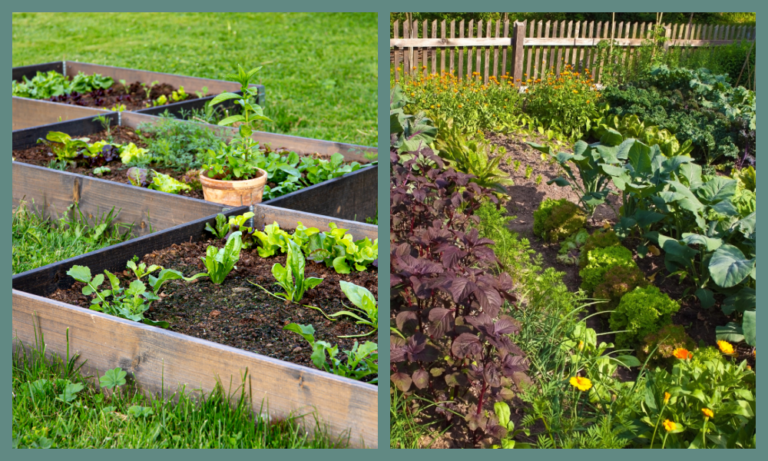
For repeated flooding, raised beds are often the best long-term fix. Extension research and horticulture guidance consistently show that improved drainage helps reduce root disease and supports healthier root systems.
Prune Damaged Growth the Right Way
After a storm, many people want to cut everything back at once. I get it. The garden looks messy, and you want it neat again. But heavy pruning can shock an already stressed plant.
Use this approach instead:
- Remove only snapped, torn, or fully collapsed parts
- Cut back to healthy tissue
- Disinfect tools before moving to another plant
- Avoid pruning more than needed right away
- Wait on major shaping until the plant begins to recover
This is especially important for shrubs, flowering annuals, and young trees. A light cleanup helps the plant redirect energy into healing instead of trying to support broken tissue.
If a branch is split but still partly attached, remove it cleanly. Jagged breaks invite disease, which can spread fast in wet weather.
Help the Soil Recover Too
Plants live below ground as much as above it. Heavy rain can strip nutrients, compress the soil, and damage the tiny air spaces roots depend on. Soil recovery is just as important as plant recovery.
Here is what helps:
- Let the soil dry naturally before digging or tilling
- Loosen only the top layer if the surface crusts over
- Add compost once the ground is workable
- Replenish nutrients after a storm if plants show pale leaves
- Use a balanced, mild fertilizer only after roots are stable
I learned not to “fix” soggy soil too quickly. When I tried to work wet clay after a storm, I made hard clods that stayed compacted for weeks. Waiting a bit longer would have saved me a lot of trouble.
If the rain washed away fertilizer, a gentle feeding later can help. But do not feed a plant with rotten roots. Fertilizer on a struggling root system can do more harm than good.
Special Care for Container Plants
Potted plants often suffer more than garden plants in heavy rain. Containers fill up fast, and roots can sit in water for hours. That is why how to recover plants after heavy rain often starts with the pots.
Do this for container plants:
- Empty saucers right away
- Make sure pots have clear drainage holes
- Move containers to a sheltered spot
- Check the mix for sour smell or slime
- Replace soaked potting mix if it stays saturated too long
If a plant is in a lightweight pot and the soil is waterlogged, you may need to repot it into fresh mix. Be gentle with the roots. Shake off only loose wet soil, and do not scrub the roots unless rot is obvious.
Herbs, succulents, and tropical houseplants in outdoor pots are especially vulnerable. They dislike staying wet for long periods, and many recover only if you act quickly.
Special Care for Garden Beds and Lawns
In-ground plants have more room to recover, but garden beds and lawns still need attention. Heavy rain can wash soil away, expose roots, and create disease-prone conditions near the surface.
For garden beds:
- Rebuild eroded soil around exposed roots
- Add a thin layer of compost after the soil dries
- Remove debris that traps moisture
- Watch for fungal spots on leaves
- Space watering out until the bed dries
For lawns:
- Stay off the grass until the ground firms up
- Rake away branches and soggy debris
- Fill ruts after the soil dries
- Watch for fungal patches or yellowing
If you see standing water in the same spot after every storm, the issue is probably drainage, not the plant itself. In that case, fixing grading or soil structure will matter more than any rescue step.
When to Water Again After Heavy Rain
This is where many gardeners overdo it. The best answer is simple: do not water until the soil has actually dried enough for roots to use it. Surface dryness can be misleading, so check below the top layer.
A good rule is:
- Water only if the top 1 to 2 inches of soil feel dry
- Use less water than usual at first
- Water in the morning so foliage dries faster
- Focus on the root zone, not the leaves
If the plant is still wilted but the soil is wet, wait. Wilting after rain often means root stress, not thirst. That distinction is a core part of how to recover plants after heavy rain safely.
Prevent Fungal Disease After Wet Weather
Damp conditions are perfect for fungi and bacteria. Once leaves stay wet and air movement is poor, disease can spread fast. That is why the best recovery plan includes prevention.
Keep an eye out for:
- Powdery mildew
- Leaf spots
- Stem rot
- Root rot
- Mold on mulch or soil surface
To lower risk:
- Improve spacing around plants
- Remove infected leaves quickly
- Water at the base, not overhead
- Increase air flow where possible
- Avoid crowding pots together
If disease appears severe, separate the plant from others if you can. Some infections move quickly in wet weather, and early action makes a big difference.
Long-Term Ways to Protect Plants from Heavy Rain
The best recovery plan is the one that prevents repeat damage. Once the garden is stable, make changes that reduce future stress. Think of it like building a stronger roof after the storm has passed.
Good long-term strategies include:
- Planting in raised beds
- Choosing rain-tolerant species for wet areas
- Improving soil with compost and organic matter
- Using mulch correctly, away from stems
- Fixing low spots where water collects
- Selecting containers with strong drainage
Some plants naturally handle wet periods better than others. Native plants, wetland-adapted ornamentals, and deep-rooted shrubs often bounce back faster. If your area gets frequent storms, choosing plants with local climate tolerance is one of the smartest moves you can make.
Mistakes to Avoid
I have made most of these mistakes myself at some point, and they can slow recovery fast. A stressed plant does not need extra drama.
Avoid these common errors:
- Watering again too soon
- Pruning too much at once
- Walking on soaked soil
- Fertilizing before roots recover
- Leaving broken stems on the plant
- Ignoring drainage problems after the first storm
The biggest mistake is panic. Plants usually need calm, steady support more than aggressive repair. Small, smart steps win here.
How to Tell If Your Plant Is Recovering
Recovery is often slow at first. You may not see big changes for several days. But signs of improvement are usually easy to spot if you know what to look for.
Good signs include:
- Leaves standing up again
- New growth at the tips
- Stems becoming firmer
- Soil drying at a healthy pace
- No new yellowing or collapse
- Roots that smell earthy, not sour
If the plant keeps declining after a week or two, the problem may be root rot or severe tissue damage. At that point, you may need to trim more heavily, repot, or remove the plant if it cannot recover.
Frequently Asked Questions
How do you save a plant from too much rain?
Start by improving drainage and removing damaged parts. Let the soil dry before watering again, and check for signs of root rot or fungal disease.
Should I fertilize plants after heavy rain?
Only after the soil has drained and the plant shows signs of recovery. Fertilizing a stressed or waterlogged plant can make the problem worse.
Can overwatered plants recover after a storm?
Yes, many can recover if the roots are not badly rotted. Fast drainage, careful pruning, and patience give them the best chance.
How long does it take plants to recover after heavy rain?
It depends on the plant and the damage. Some bounce back in a few days, while others may need several weeks to fully recover.
What should I do if my potted plant sat in rainwater?
Empty the excess water, check the drainage holes, and move the pot to a dry, bright spot with good airflow. If the mix stays soggy, repotting may be necessary.
Conclusion
Heavy rain can shake a garden, but it does not have to ruin it. The best way to recover plants after heavy rain is to act calmly, improve drainage, remove damaged growth, and give roots time to breathe again. With the right care, many plants can rebound stronger than you expect.
If you take one thing from this guide, let it be this: do less, but do it well. Check the soil, protect the roots, and avoid common mistakes like watering too soon or pruning too hard. If you want, share your storm recovery questions in the comments or explore more plant care tips to keep your garden resilient all year long.