Prevent sunscald on plants by giving them shade, steady water, and gradual sun exposure.
Sunscald can sneak up fast, especially during sudden heat waves or after pruning exposes tender stems and leaves. I’ve seen it happen in home gardens, raised beds, and even with container plants that were thriving one week and scorched the next. If you want to protect your plants before damage starts, the key is knowing when plants are most vulnerable and how to reduce stress without blocking all sunlight.
What sunscald on plants looks like
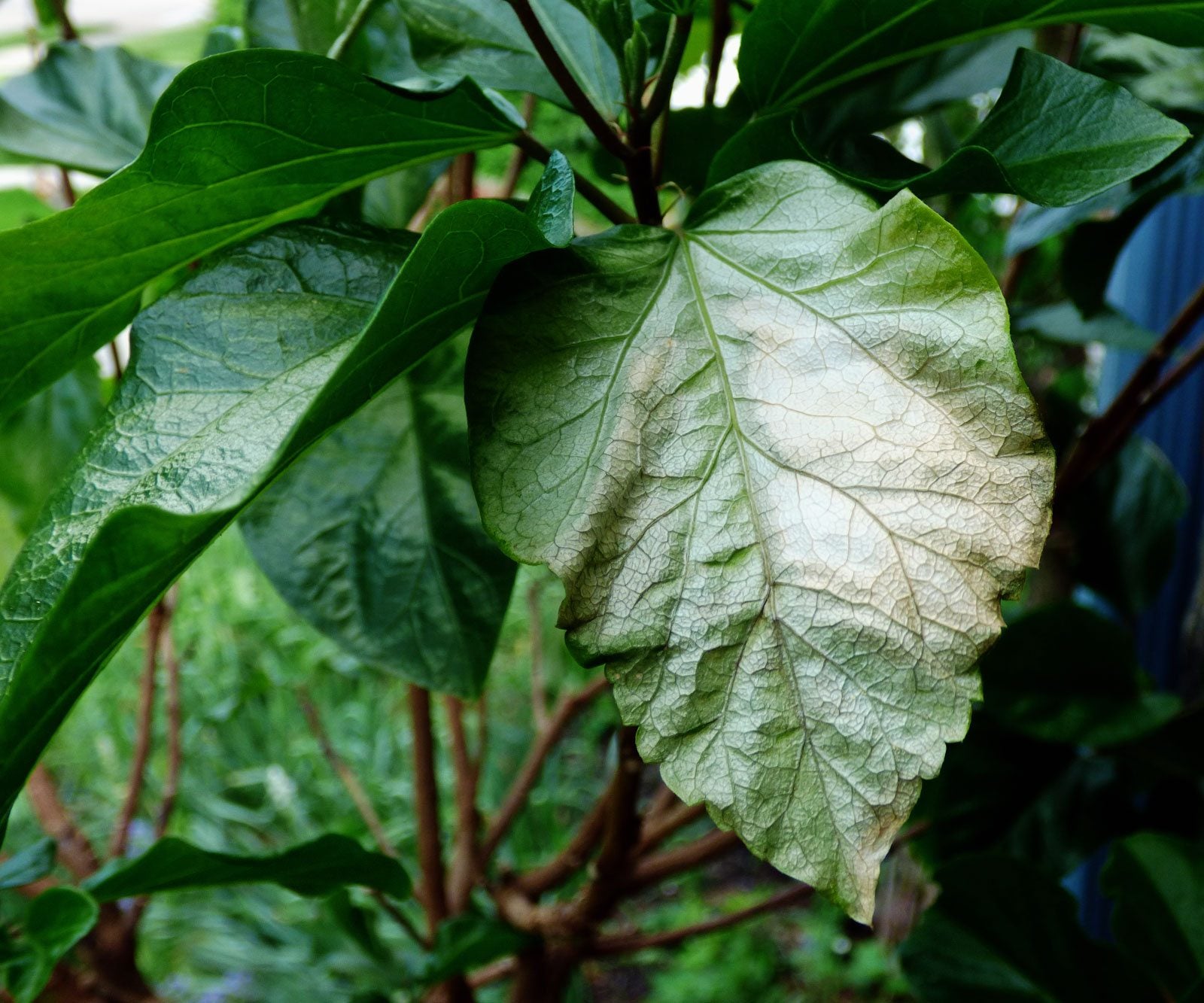
Sunscald is damage caused when plant tissue gets too much direct sun and heat too quickly. It often shows up as bleached patches, brown crispy edges, split bark, or sunken spots on fruit. Unlike a simple watering issue, sunscald usually appears on the side of the plant facing the strongest light.
Common signs include:
• Pale or white spots on leaves
• Brown, dry, or papery leaf edges
• Fruit with bleached, softened, or cracked skin
• Bark that looks cracked or sunken on young trees
• Leaves curling after sudden exposure to full sun
I’ve found that many gardeners miss the early signs because sunscald can look like drought stress at first. The difference is that sunscald damage is often localized to the hottest side of the plant, while drought usually affects the whole plant more evenly.

Why sunscald happens
Sunscald usually happens when a plant cannot adjust fast enough to stronger light, higher temperatures, or reflected heat. This is common after transplanting, pruning, drought, or a sudden move from shade to full sun. Young plants and thin-barked trees are especially at risk because they have less natural protection.
Several factors raise the risk:
• Sudden changes in light levels
• Hot afternoon sun
• Dry soil and low humidity
• Wind that dries leaves and soil
• Reflective surfaces like pavement, stone walls, or windows
• Heavy pruning that exposes inner stems or fruit
• Weak or stressed plants with poor root growth
Research-based extension guidance often points to stress as the trigger. That matches what I’ve seen in real gardens: sunscald rarely hits a strong, well-hardened plant the same way it hits a newly moved or water-stressed one.
How to prevent sunscald on plants
The best way to prevent sunscald on plants is to reduce sudden exposure and keep the plant healthy enough to handle sun and heat. That means timing matters, watering matters, and shade can matter a lot more than people think. The goal is not to keep plants in darkness, but to help them build tolerance gradually.
Harden off plants before moving them outdoors
If you grew plants indoors or in a greenhouse, do not put them into full sun all at once. Give them time to adapt by increasing light exposure over 7 to 14 days. Start with a few hours in bright shade, then move them into morning sun, and only later into stronger afternoon light.
A simple hardening-off plan:
• Days 1 to 3: bright shade or filtered light
• Days 4 to 6: early morning sun only
• Days 7 to 10: longer sun exposure with afternoon shade
• After that: full placement based on the plant’s needs
I learned this the hard way with basil and peppers. I rushed them outside on a warm spring day, and the leaves got pale and spotted in less than 24 hours. Since then, I always treat hardening off like a slow warm-up, not a sprint.
Water deeply and consistently
Dry soil makes sunscald worse because stressed plants lose their ability to cool themselves. Deep watering helps roots stay active and gives leaves and fruit more support during heat. For most garden plants, it is better to water less often but more thoroughly than to give light, shallow watering every day.
Good watering habits include:
• Water early in the morning
• Soak the root zone, not just the surface
• Mulch to slow moisture loss
• Check container plants daily in hot weather
• Avoid letting soil swing from bone dry to soaked
Plants in pots are especially vulnerable because the soil heats up faster. If you grow in containers, group them together and move them out of harsh afternoon sun when possible.
Use shade cloth or temporary shade
Shade cloth is one of the easiest ways to prevent sunscald on plants during heat waves. A light cloth can reduce direct sun while still allowing air flow and enough light for growth. For many vegetables and ornamentals, 30 to 50 percent shade works well in intense summer heat.
Helpful shade options:
• Shade cloth over a frame or hoop
• Old sheets or lightweight garden fabric
• Patio umbrellas for container plants
• Temporary row covers used as sun barriers, not just insect barriers
• Positioning pots under a tree, fence, or porch edge
The trick is to avoid trapping heat. I’ve seen plastic covers do more harm than good because they create a mini oven. Breathable shade works better because it softens the sun without cooking the plant.
Mulch around the root zone
Mulch helps keep soil cooler and steadier. When the root zone stays cooler, the plant handles sun and heat better. A 2 to 3 inch layer of organic mulch can also reduce water loss and protect shallow roots.
Good mulch choices:
• Shredded bark
• Straw
• Compost
• Pine needles
• Leaf mulch
Keep mulch a few inches away from stems or trunks. Piling mulch against the base can trap moisture and invite rot. I always think of mulch as a blanket for the roots, not a jacket for the stem.
Avoid overpruning
Heavy pruning can expose leaves, fruit, or bark that were previously protected by shade. That sudden exposure is a common cause of sunscald on plants and trees. If pruning is needed, do it in stages so the plant can adjust.
Smart pruning habits:
• Remove only what is necessary
• Prune in cooler weather if possible
• Avoid stripping the south or west side of young trees all at once
• Leave enough canopy to shade fruit and stems
• Thin gradually instead of making drastic cuts
This matters a lot for tomato plants, young shrubs, and fruit trees. A plant that was shaded by its own leaves can get burned almost overnight if you remove too much at once.
Protect young trees and tender stems
Young trees are classic sunscald victims because their bark is thin and sensitive. Their trunks can also heat up in winter sun and then crack when temperatures drop at night. White tree guards, trunk wraps, or diluted white latex trunk paint can help reflect sunlight and reduce damage.
Protection tips for trees:
• Use tree guards on young trunks
• Wrap trunks if winter sun is strong in your area
• Keep grass and weeds away from the base
• Water young trees well during dry spells
• Mulch the root area without touching the trunk
I’ve worked with newly planted trees that looked fine until late afternoon sun hit the exposed trunk. Once we added a guard and cleaned up the root zone, the stress dropped fast.
Place plants in the right location
Location is a huge part of sunscald prevention. Some plants love full sun, but many still need protection from intense afternoon light, especially in hot climates. South-facing walls, stone patios, and reflective fences can increase heat more than you expect.
When choosing a spot, think about:
• Morning sun vs. afternoon sun
• Nearby reflective surfaces
• Air flow
• Soil drainage
• Seasonal changes in sun angle
If you garden in a very hot area, a little afternoon shade can make a big difference. Many plants perform better with strong morning light and filtered light later in the day.
Choose sun-tolerant varieties
Some plants simply handle heat and strong light better than others. If sunscald is a recurring issue in your garden, look for varieties bred for heat tolerance or plants native to your region. These are often better suited to your climate from the start.
Examples of better-adapted choices include:
• Heat-tolerant tomatoes
• Drought-tolerant herbs like rosemary and thyme
• Native perennials adapted to local sun
• Fruit tree varieties recommended for your region
This is one of the most practical long-term fixes. Good plant selection reduces stress before it starts, which is always easier than rescuing scorched leaves later.
Plants most likely to get sunscald
Some plants are more prone to sunscald than others. Tender seedlings, newly transplanted crops, and young trees are usually the first to suffer. Plants with thin leaves, thin bark, or shallow roots also tend to struggle more in sudden heat.
High-risk plants often include:
• Newly planted vegetables
• Houseplants moved outdoors too quickly
• Young fruit trees
• Tomatoes, peppers, and cucumbers during heat spikes
• Container plants with small root zones
• Shade-loving ornamentals moved into full sun
In my experience, fruit often gets overlooked. Tomatoes, apples, and peppers can all show sunscald on the side facing the strongest sun, especially after pruning removes leaf cover.
How to treat sunscald if it already happened
If your plant already has sunscald, the goal is to stop the damage from getting worse. Damaged tissue usually does not heal completely, but the plant can recover if you reduce stress quickly. The earlier you act, the better the outcome.
What to do:
• Move container plants to softer light
• Add temporary shade for in-ground plants
• Water deeply and keep soil evenly moist
• Remove only dead tissue if it becomes brittle or diseased
• Do not fertilize heavily right away
• Watch for secondary problems like rot or insect damage
I usually tell gardeners not to panic-prune. A damaged leaf can still help the plant if part of it remains green. If you cut too much too fast, you may add even more stress.
Common mistakes that make sunscald worse
A few easy mistakes can turn a manageable heat problem into real damage. The biggest one is assuming a plant that loves sun can take unlimited sun without adjustment. Even sun-loving plants need time to harden off and steady moisture to stay safe.
Mistakes to avoid:
• Moving plants from shade to full sun overnight
• Letting soil dry out completely
• Pruning too much at once
• Using non-breathable covers that trap heat
• Forgetting about reflected heat from walls or pavement
• Assuming cloudy-day exposure will be gentle enough
One mistake I made early on was using a black pot for a tender herb in peak summer. The roots overheated long before the leaves looked stressed. After that, I started using lighter-colored pots or double-potting in extreme heat.
Practical seasonal tips for preventing sunscald
Sunscald prevention changes a bit with the season. Spring, summer, and winter can all create different kinds of stress. Keeping an eye on weather shifts is one of the easiest ways to stay ahead.
Seasonal tips:
• In spring, harden off seedlings slowly
• In summer, use shade cloth during heat waves
• After pruning, protect newly exposed tissue
• In winter, guard young tree trunks from strong sun and freeze-thaw cycles
• During drought, increase monitoring and mulch coverage
I like to think of this as reading the weather like the plant does. Plants do not care what the calendar says. They respond to heat, light, wind, and moisture all at once.
Frequently Asked Questions of how to prevent sunscald on plants
What causes sunscald on plants?
Sunscald happens when plant tissue gets too much direct sun and heat too fast. It is more likely when plants are stressed, recently transplanted, pruned heavily, or exposed to reflected heat.
Can sunscald be reversed?
Damaged tissue usually does not recover fully, especially if it has turned brown or crispy. The plant can still recover overall if you reduce stress, water properly, and protect it from more sun.
Is shade cloth good for preventing sunscald on plants?
Yes, shade cloth is one of the best tools for preventing sunscald on plants. It lowers heat and light intensity while still letting air move around the plant.
Do all sun-loving plants need protection from sunscald?
Even sun-loving plants can get sunscald if conditions change too quickly. Plants still need time to adapt, especially after transplanting, pruning, or a sudden heat wave.
How do I know if my tree has sunscald?
Look for cracked, sunken, or discolored bark on the side facing the strongest sun. Young trees are most at risk, especially if their trunks are thin and unprotected.
Conclusion
Preventing sunscald on plants comes down to a few simple habits: harden plants off slowly, keep soil evenly moist, use shade when needed, and avoid sudden exposure to harsh sun. Once you learn how sun, heat, and plant stress work together, it becomes much easier to protect your garden before damage starts.
If you take one thing from this guide, make it this: small changes made early are far better than trying to fix scorched leaves later. Start with one or two of these tips today, and your plants will be in a much better position when the next heat wave hits. If you found this helpful, save it for later, share it with a fellow gardener, or leave a comment with your own sunscald experience.