A pruning saw is best for precise branch work; a chainsaw is for fast, heavy cutting of larger limbs.
I’ve spent years trimming trees and clearing yards with both tools. In this guide I compare pruning saw vs chainsaw in plain terms. I will explain when each tool shines, safety tips, maintenance needs, and buying advice. Read on and you’ll know which tool fits your job, skill level, and budget.
Pruning saw vs chainsaw: core differences
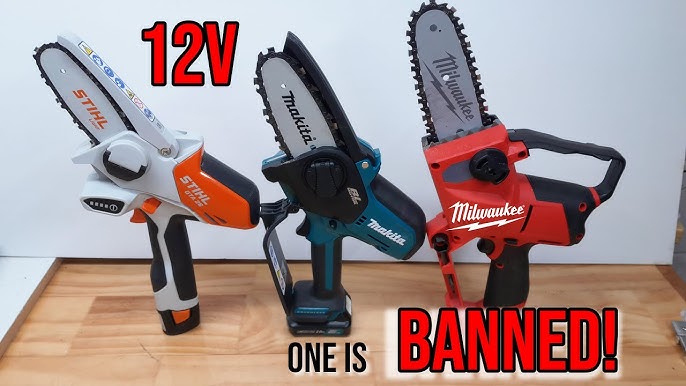
A quick look helps you choose fast. The pruning saw vs chainsaw choice comes down to size, precision, and power.
- Pruning saws are small, light, and designed for precise cuts on live branches. They are hand-powered or small folding models.
- Chainsaws are powered tools. They cut fast and handle large limbs and trunks.
- Pruning saw vs chainsaw trade-offs include speed, control, cleanup, noise, and risk. Chainsaws cut more, pruning saws cut smarter.
Why this matters: using the wrong tool wastes time and risks injury. Choose based on tree size, the angle of cut, and the job length.
When to use a pruning saw
Pruning saws shine on living trees and fine work. They let you make clean cuts that help tree health.
- Best for branches up to 2–4 inches in diameter. They are handy for thinning, shaping, and removing small dead wood.
- Ideal for precise cuts near the trunk or on awkward limbs. The blade design reduces tearing and bark damage.
- Low noise and no fuel or battery. This makes pruning saws good for small yards and urban areas.
- If you want tidy wounds that heal well, a pruning saw is the right choice in the pruning saw vs chainsaw debate.
Practical tip: use a pruning saw for cuts that require care. I use it for shaping fruit trees and finish work on ornamental trees. It keeps cuts neat and trees healthy.

When to use a chainsaw
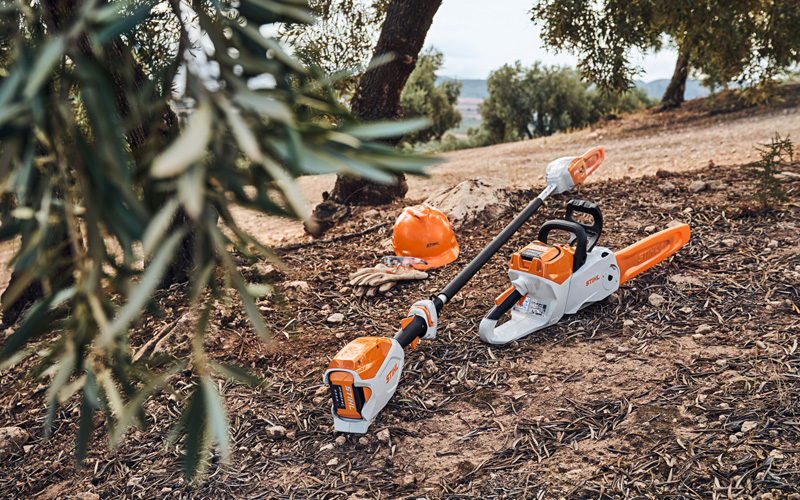
Chainsaws do heavy lifting. Pick a chainsaw when the branches are thick or you need speed.
- Best for limbs over 4 inches. Chainsaws cut quickly through wood and save time on large jobs.
- Useful for storm cleanup and felling small trees. They remove big sections fast.
- Powered models need fuel or a battery and produce noise and vibration. Plan for cleanup and safety gear.
- In the pruning saw vs chainsaw matchup, chainsaws win for power and speed.
Personal note: For fallen trees after storms, a chainsaw turned a weekend of work into a few hours. Still, I avoid using it for thin or delicate cuts.

Safety, technique, and maintenance
Both tools need care. Safe use makes the job faster and keeps you healthy.
Safety basics
- Wear gloves, eye protection, and hearing protection for chainsaws.
- Keep bystanders at a safe distance.
- Check blade sharpness before starting. Dull blades cause slips and rough cuts.
Technique tips
- For pruning saws, cut outside the branch collar. Use smooth, controlled strokes.
- For chainsaws, plan escape routes and cut from a stable stance. Never cut above shoulder height.
- Use proper chain tension and chain brake on chainsaws.
Maintenance checklist
- Pruning saws: clean after use, oil the blade, and sharpen teeth as needed.
- Chainsaws: maintain chain tension, sharpen chain, clean air filter, and use correct fuel or battery care.
- Regular checks reduce breakdowns and improve safety.

Choosing the right tool: buying guide
Decide by job type, budget, and comfort. Here’s how to pick between a pruning saw vs chainsaw.
Consider the job
- Small yard or detailed pruning: choose a pruning saw.
- Large trees or storm cleanup: choose a chainsaw.
Power source
- Manual pruning saws need no power.
- Electric chainsaws are quieter and easier for light work.
- Gas chainsaws offer the most power for heavy cuts.
Features to look for
- Pruning saw: blade length, tooth pattern, folding vs fixed handle.
- Chainsaw: bar length, chain pitch, anti-vibration features, safety systems.
Budget and upkeep
- Pruning saws cost less and need little maintenance.
- Chainsaws cost more and need fuel or battery management and regular service.
My buying tip: match bar length to common limb size. Smaller bars are safer and easier to handle. This choice prevents overbuying power you don’t need.

Practical examples and real-life lessons
I’ll share honest lessons from field work to help you avoid mistakes.
Example 1: Fruit tree care
- I used a pruning saw to remove a few tight branches. Cuts healed fast. The fruit tree recovered well.
Example 2: Storm cleanup
- A chainsaw cleared limb piles quickly. I wore full PPE and replaced the chain often. It saved hours of labor.
Common mistakes to avoid
- Using a chainsaw for small, precise pruning. It tears bark and harms the tree.
- Using a pruning saw on thick limbs. It wastes time and risks breaking the blade.
- Skipping safety gear to save time. That leads to injuries.
Personal tip: keep both tools if you manage a variety of trees. Use a pruning saw for health and detail. Use a chainsaw for bulk removal.

Frequently Asked Questions of pruning saw vs chainsaw
Which tool is better for pruning live trees?
A pruning saw is usually better for live trees because it makes clean cuts that heal well. Chainsaws are too aggressive for fine pruning and can damage the trunk.
Can a chainsaw replace a pruning saw?
A chainsaw can cut many branches, but it cannot replace the precision of a pruning saw. Chainsaws risk tearing bark and causing poor healing on live trees.
How do I choose bar length for a chainsaw?
Match the bar length to the largest limb you expect to cut. For most home tasks, 12–16 inch bars are practical and safer than long bars.
Is a folding pruning saw worth it?
Yes, folding pruning saws are safe and portable. They are great for pruning in tight spots and for carrying in a tool belt.
How often should I sharpen blades and chains?
Sharpen pruning saws when cuts become harder or the blade pulls instead of slices. Sharpen chains whenever the saw produces fine sawdust instead of chips or requires more force.
Conclusion
Pruning saw vs chainsaw comes down to the job. Use a pruning saw for clean, careful cuts and tree health. Use a chainsaw for fast work on big limbs and storm cleanup. Both tools have a place in good yard care. Pick the one that fits your tasks, skill level, and safety comfort.
Take action: assess your yard, list common jobs, and choose the tool that matches those needs. If you liked this guide, try one technique this weekend and leave a note about your results or questions below.