Liquid Fertilizer vs Granular Fertilizer: liquids feed fast, granules last longer and release slowly.
I have worked with home gardens, municipal green spaces, and small farms for years, testing both liquid and granular products. This guide on Liquid Fertilizer vs Granular Fertilizer explains how each works, when to use one or the other, real-world pros and cons, and clear steps you can apply today to get healthier plants and smarter budgets. Read on for practical tips drawn from field experience and research-backed best practices.
How Liquid Fertilizer vs Granular Fertilizer Work
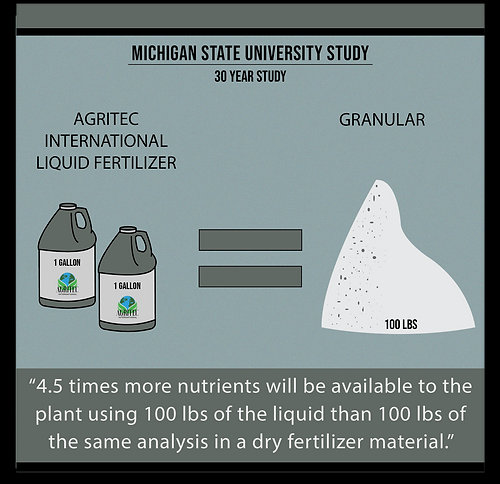
Liquid Fertilizer vs Granular Fertilizer differ mainly by form and release speed. Liquid fertilizers are dissolved in water or sold as concentrated solutions. They are applied by foliar spray or through irrigation and are immediately available to plants. Granular fertilizers are dry particles that sit on or in the soil and release nutrients slowly as they dissolve or break down.
Plants absorb nutrients differently from liquids and granules. Liquid Fertilizer vs Granular Fertilizer influence nutrient timing: liquids give a quick boost, while granules supply steady nutrition over weeks to months. Understanding this helps you match fertilizer type to crop needs and timing.
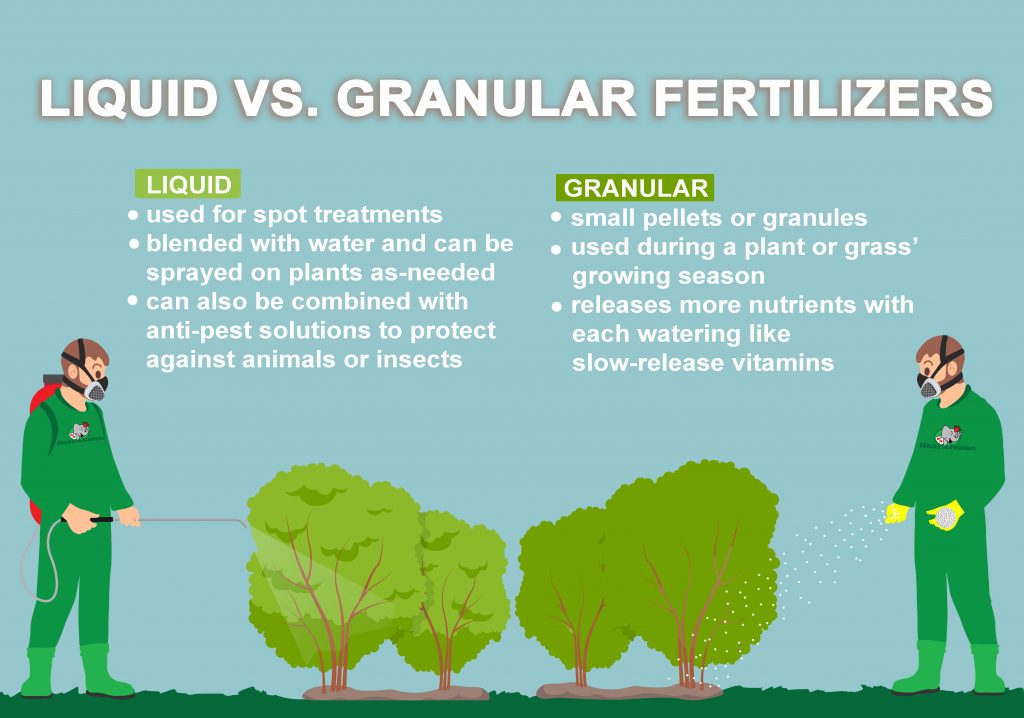
Pros and Cons: Liquid Fertilizer vs Granular Fertilizer
Liquid Fertilizer — Benefits
- Fast uptake for quick correction of deficiencies and rapid growth.
- Easy to apply through drip systems and foliar sprays.
- Good for young plants, container gardens, and high-value crops.
- Precise nutrient blends are available for targeted nutrition.
Liquid Fertilizer — Limitations
- Effects are short-lived; frequent applications are often needed.
- Higher risk of leaching if overapplied or if heavy rains follow.
- Requires more labor or automated dosing to maintain regular feeding.
- Storage and handling can be messier and heavier to ship.
Granular Fertilizer — Benefits
- Slow release provides steady nutrition and fewer applications.
- Often lower cost per application for large areas.
- Less frequent labor and more convenience for lawns and large beds.
- Many granules are formulated for controlled release to prevent spikes.
Granular Fertilizer — Limitations
- Slower to correct acute nutrient deficiencies.
- Uneven application can cause hot spots or missed areas.
- Not ideal for foliar feeding or rapid greenhouse adjustments.
- Some granules require incorporation into soil for best effect.
Together, Liquid Fertilizer vs Granular Fertilizer offer complementary strengths. Mix and match based on the crop, season, and goals.
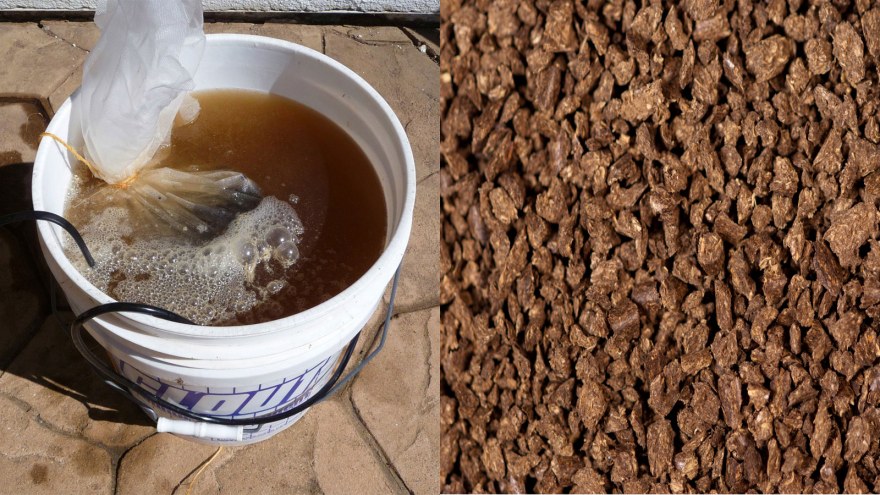
When to Choose Liquid Fertilizer vs Granular Fertilizer
Use liquid fertilizer when:
- You need quick correction of a nutrient deficiency.
- You grow containers, new transplants, or high-value vegetables.
- You have a fertigation system or want foliar feeding for fast results.
Use granular fertilizer when:
- You manage lawns, large flower beds, or field crops needing steady feed.
- You want lower labor and fewer applications over time.
- You need slow-release nutrition to avoid quick nutrient swings.
For many gardeners, combining both works best: apply granular fertilizer as a baseline, then use liquid fertilizer for targeted boosts during key growth stages. This balanced approach makes Liquid Fertilizer vs Granular Fertilizer work together.

Application Tips and Best Practices for Liquid Fertilizer vs Granular Fertilizer
Follow safe and efficient steps:
- Calibrate application equipment to avoid over- or under-feeding.
- Read labels for rates, timing, and compatibility with irrigation.
- Apply granules to moist soil and water them in to reduce loss from wind.
- Use liquid fertilizer during active growth and avoid foliar sprays in hot midday sun.
Personal note: I once overapplied a high-nitrogen liquid to tomato seedlings and saw soft, leggy growth and more pests. The lesson was to start at half strength and watch plants for a few days. Small tests save time and plants.
PAA-style question 1
How quickly will plants respond to liquid fertilizer vs granular?
Plants often show response to liquid fertilizer within days because nutrients are immediately available. Granular fertilizer can take several days to weeks as it dissolves and moves into the root zone.
PAA-style question 2
Can you apply both liquid fertilizer and granular fertilizer together?
Yes, you can use granular fertilizer for baseline nutrition and apply liquid fertilizer for targeted feeding or corrections. Always check label compatibility and avoid doubling nutrient rates.
PAA-style question 3
Is one safer for the environment than the other?
Both can impact water quality if misused; granular slow-release products can reduce runoff risk, while carefully timed liquid applications can be efficient and lower total use. Good practices and proper timing matter most.

Environmental and Cost Considerations
Cost and environmental impact vary:
- Liquid Fertilizer vs Granular Fertilizer differ in upfront cost, shipping, and labor. Granules are often cheaper per application for wide areas, while liquids can cost more but reduce waste with targeted dosing.
- Runoff and leaching risks depend on timing, soil type, and weather. Liquid fertilizers can leach quickly in sandy soils if overapplied, while some granular slow-release formulas better protect waterways.
- Storage and shelf life: Granular fertilizer usually stores well without special handling. Liquid Fertilizer vs Granular Fertilizer concentrates may need temperature control and secure containers.
To reduce impact:
- Test soil before major applications.
- Match fertilizer type to crop needs.
- Use precision application tools and avoid fertilizing before heavy rain.
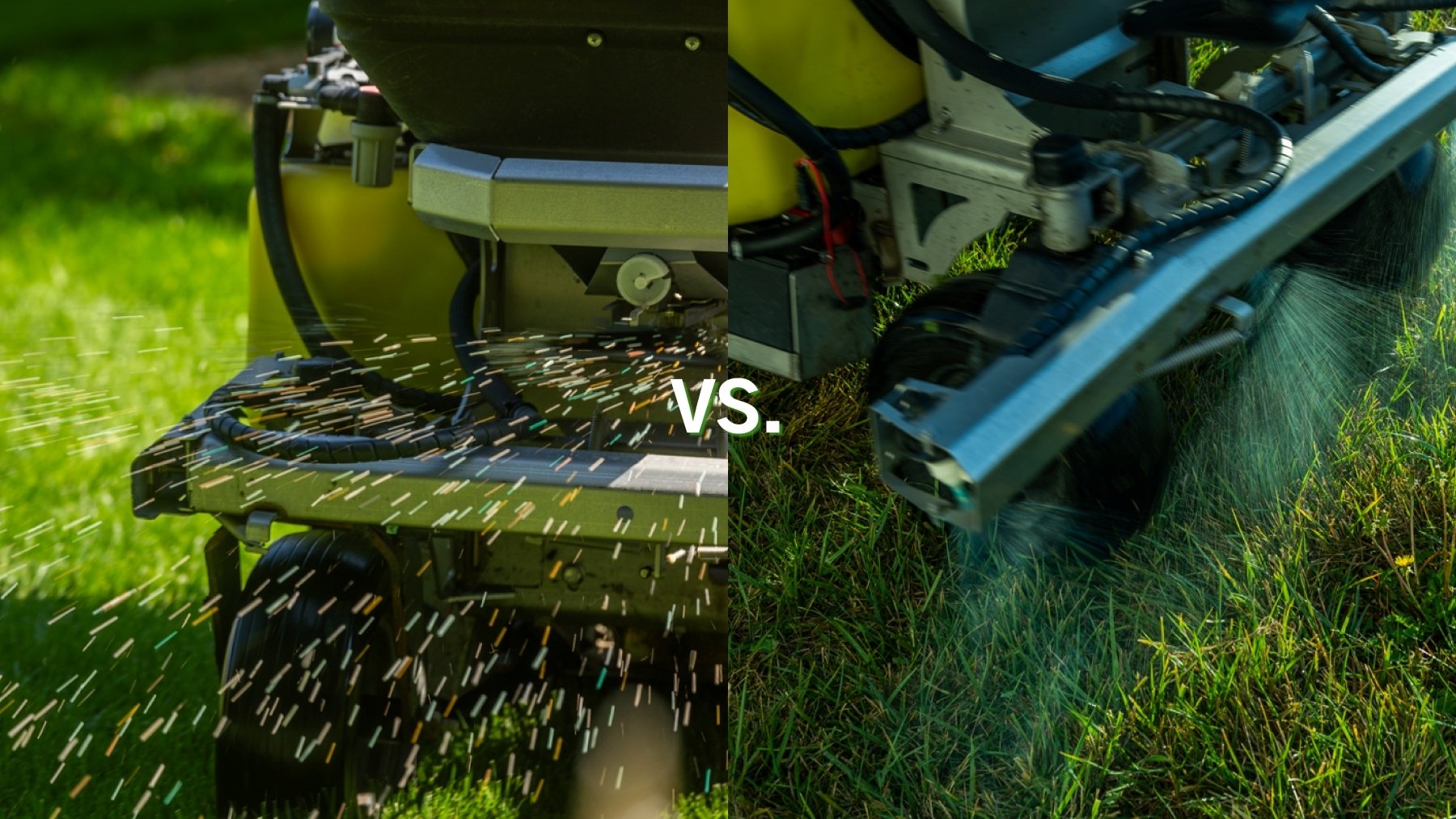
Frequently Asked Questions of Liquid Fertilizer vs Granular Fertilizer
What is the main difference between liquid fertilizer and granular fertilizer?
Liquid fertilizer is applied dissolved in water and acts quickly, while granular fertilizer releases nutrients slowly as it dissolves in soil. Liquids suit rapid corrections; granules suit long-term feeding.
Which type is better for container plants?
Liquid fertilizer is often better for containers because you can apply precise, frequent feeds without reworking the potting mix. Granules can work but may release unevenly in small volumes.
Can I overuse liquid fertilizer more easily than granular?
Yes, liquid fertilizer can be overused more easily because it acts fast and is applied frequently. Start at lower strength and follow label rates to avoid burn or excess growth.
Are slow-release granular fertilizers safe for lawns?
Yes, many slow-release granules are designed for lawns and reduce the need for frequent applications while lowering runoff. They offer steady green-up without frequent feeding.
How should I switch from granular to liquid fertilizer mid-season?
Begin by reducing the granular rate if possible, then apply lower-strength liquid feeds to fill gaps or correct deficiencies. Monitor plants and soil moisture to avoid overlapping high nutrient levels.
Is mixing liquid and granular fertilizers harmful?
Mixing in the soil is fine when done carefully; do not mix concentrated liquid products directly with dry granules in storage or spray tanks. Follow compatibility guidance on labels.
How does soil type affect the choice between liquid and granular?
Sandy soils favor liquids for faster uptake but risk leaching; clay soils hold nutrients longer, making granules effective. Test soil texture and drainage to choose wisely.
Conclusion
Liquid Fertilizer vs Granular Fertilizer each have clear roles: liquid for fast, targeted feeding and granular for steady, low-labor nutrition. Use both strategically—granules as a baseline and liquids for corrections or growth pushes—to get healthy plants and better budgets. Try a small test plot, monitor plant response, and keep records to refine your schedule. Share your results, subscribe for more tips, or leave a comment about your experience with Liquid Fertilizer vs Granular Fertilizer.