Wood mulch is natural and budget-friendly; rubber mulch lasts longer but raises environmental and heat concerns.
I’ve worked in landscaping and home improvement for years, testing both wood mulch and rubber mulch across yards, playgrounds, and garden beds. This guide on Wood Mulch vs Rubber Mulch explains pros, cons, costs, safety, and real-use tips so you can pick the right ground cover for your space with confidence.
What is wood mulch?
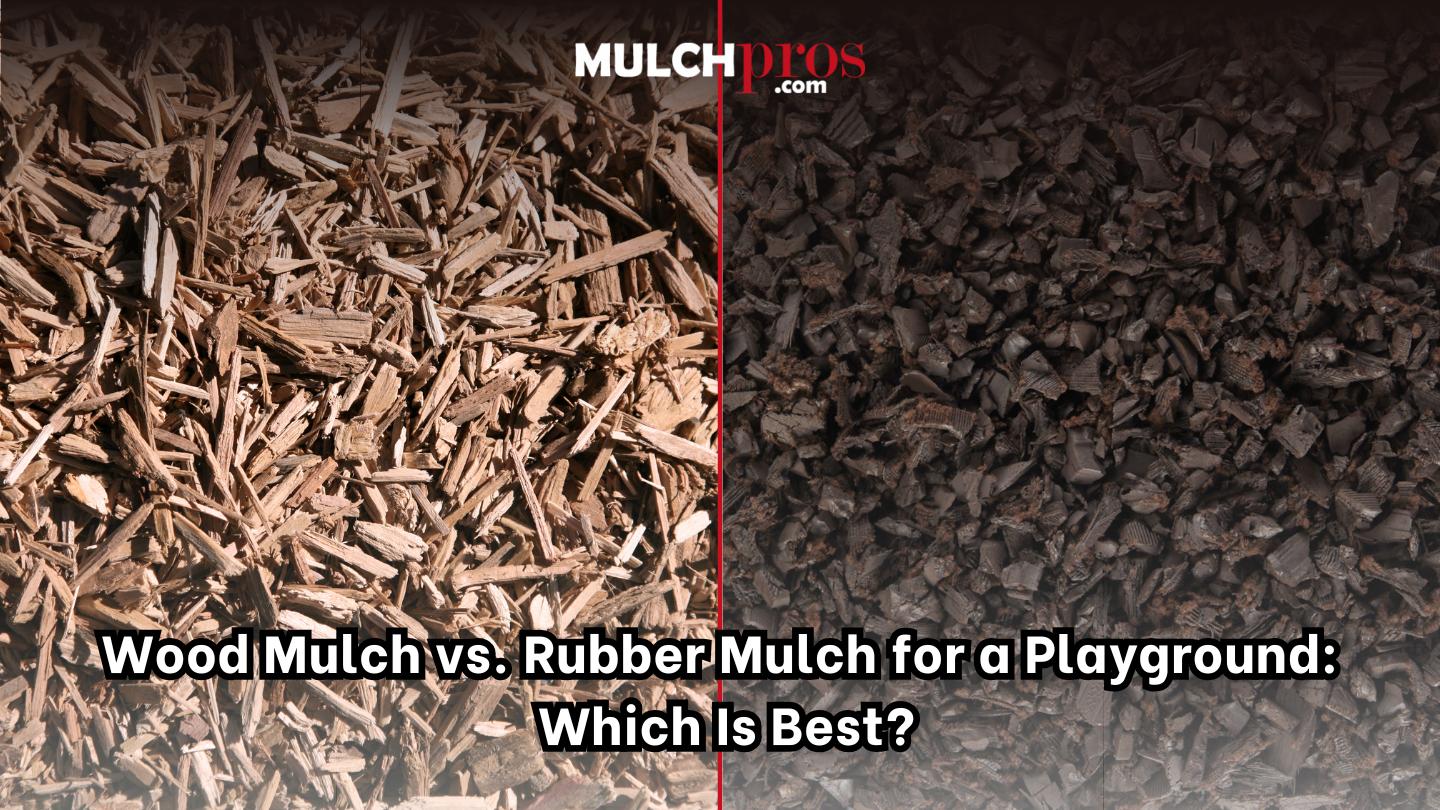
Wood mulch is shredded or chipped bark, wood, or composted wood products. It comes from trees like pine, cedar, and hardwoods.
Wood mulch breaks down over time. That feeds soil with organic matter and improves structure. It also cools soil, holds moisture, and looks natural in landscapes.
Common types and uses
- Pine bark: good for acid-loving plants and decorative beds.
- Cedar mulch: fragrant and naturally pest resistant.
- Hardwood mulch: long-lasting color, good for general use.
- Compost mulch: adds nutrients and helps very poor soils.
Wood mulch vs Rubber Mulch note: wood absorbs and recycles nutrients while rubber does not. This key difference affects soil health and plant growth.
(3).jpg)
What is rubber mulch?
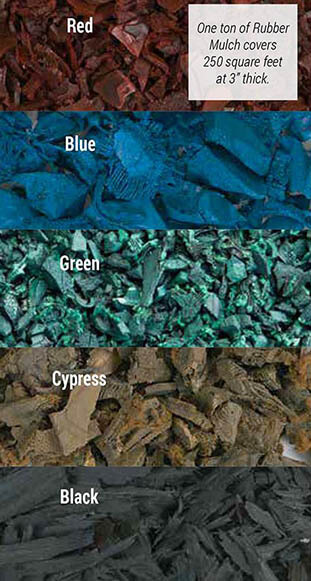
Rubber mulch is made from recycled tires or synthetic rubber. It’s processed into nuggets or shredded pieces and dyed for color variety.
Rubber mulch resists decay and compacts less than old wood in heavy-traffic areas. It’s popular for playgrounds and low-maintenance landscapes. Rubber mulch does not add nutrients to soil and can retain heat more than wood.
Rubber mulch varieties and uses
- Tire-derived nuggets: common for play areas.
- Colored shredded rubber: used for decorative beds and pathways.
- Infill blends: mixed with other surfacing for sports surfaces.
When comparing Wood Mulch vs Rubber Mulch, rubber excels for longevity and erosion control but differs in environmental and heat behavior.

Side-by-side comparison: key factors
Appearance and aesthetics
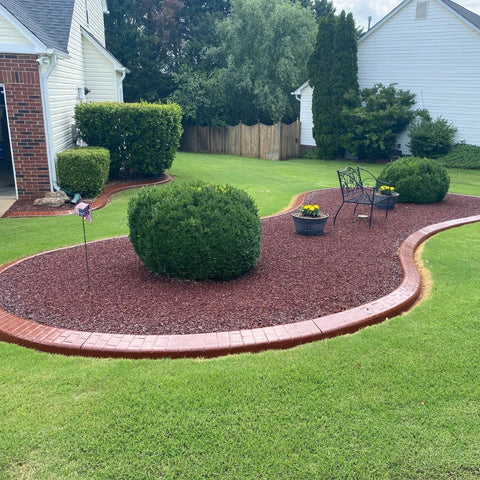
- Wood mulch: natural look, fades to earth tones, blends with plants.
- Rubber mulch: bold, long-lasting color, uniform texture.
Longevity and maintenance
- Wood mulch: lasts 6–12 months before thinning; needs topping yearly.
- Rubber mulch: lasts 5–10+ years; minimal replacement.
Cost and value
- Wood mulch: lower upfront cost, recurring replacement cost.
- Rubber mulch: higher upfront cost, lower long-term replacement cost.
Soil and plant health
- Wood mulch: improves soil, supports microbes, retains moisture.
- Rubber mulch: does not decompose to feed soil and can change pH over time.
Drainage and compaction
- Wood mulch: good drainage and aeration.
- Rubber mulch: drains, but can float in heavy rain if not contained.
Heat retention
- Wood mulch: stays cooler, protects root zones.
- Rubber mulch: can absorb and radiate heat, which may stress plants.
Safety and toxins
- Wood mulch: can harbor fungi or weeds if not processed.
- Rubber mulch: concerns exist about chemical leaching and off-gassing, especially in hot climates.
Common quick questions
- Will rubber mulch leach chemicals into soil? Studies show some compounds can leach, especially in acidic or hot conditions, though long-term risk to landscapes is debated.
- Will wood mulch attract pests? Fresh wood can attract termites or carpenter ants in rare cases; choosing kiln-dried or cedar reduces risk.
When thinking about Wood Mulch vs Rubber Mulch, weigh visual goals, maintenance willingness, and soil health priorities.
Environmental impact and recyclability
Wood mulch is biodegradable. It returns carbon and nutrients to soil as it breaks down. Sourcing matters: locally sourced, untreated wood has the best environmental profile.
Rubber mulch reuses tires and diverts waste from landfills. However, it is not biodegradable and may release micro-particles or chemicals over time. Recycling tires into mulch reduces waste but creates a product that persists in the environment.
Environmental pros and cons
- Wood mulch pros: improves soil, supports insects and microbes, renewable.
- Wood mulch cons: requires periodic replacement, potential for over-harvesting if not sourced responsibly.
- Rubber mulch pros: diverts tire waste, long lifespan means fewer replacements.
- Rubber mulch cons: non-biodegradable, possible chemical leaching, not ideal for composting.
Transparency note: research on long-term leaching and microplastics is ongoing. I recommend local environmental guidelines when choosing between Wood Mulch vs Rubber Mulch.

Cost, installation, and maintenance
Typical costs (approximate, vary by region)
- Wood mulch: $20 to $50 per cubic yard installed.
- Rubber mulch: $80 to $150 per cubic yard installed.
Installation basics
- Clear weeds and lay landscape fabric if desired.
- Spread wood or rubber mulch 2–4 inches deep for beds; 6–12 inches for play areas.
- Keep mulch 2–3 inches away from plant stems to avoid rot.
Maintenance tips
- Rake wood mulch annually and top up as it decomposes.
- Check rubber mulch for compaction and debris; fluff or top up as needed.
- Inspect both types after storms to maintain coverage and edging.
Personal cost insight: I switched a small playground from wood to rubber once to reduce annual maintenance. The upfront cost was higher, but yearly labor and topping needs dropped significantly.
Safety and usability
Playground safety
- Rubber mulch provides good shock absorption when installed to proper depth.
- Wood mulch also meets safety standards when deep enough and maintained.
Fire risk
- Wood mulch is combustible and can ignite under some conditions.
- Rubber mulch may melt or burn differently; both require caution near open flames.
Pet and child concerns
- Pets may chew or dig; rubber can be tempting to some animals and might be ingested.
- Wood mulch is less likely to be eaten and is generally safer for garden soil.
Allergies and odors
- Fresh wood mulch can smell strong but fades quickly.
- Rubber mulch can emit a rubber odor, especially when new or hot.
When weighing Wood Mulch vs Rubber Mulch, consider the user: garden plants, pets, or high-use play areas all shift the balance.
How to choose and install for your yard
Decision checklist
- Do you want soil benefits? Choose wood mulch.
- Do you want low yearly upkeep? Consider rubber mulch.
- Is heat or chemical sensitivity a concern? Lean toward wood mulch.
- Do local regulations prefer recycled materials? Rubber may be favored.
Installation step-by-step
- Prepare the site by removing weeds and debris.
- Add a thin layer of compost if using wood mulch for nutrient boost.
- Install edging to contain either mulch type.
- Spread evenly to the recommended depth.
- Inspect annually and refresh as needed.
Common mistakes to avoid
- Piling mulch against trunks and stems.
- Skipping depth checks for playground surfaces.
- Ignoring local codes about recycled materials.
Personal tip: I always test a small area first. I observed rubber mulch heating more in full sun. For plant beds in hot climates, I use wood mulch for cooler roots.
Personal experience and lessons learned
I installed wood mulch in a flower bed five years ago. The soil improved and plants grew stronger after two seasons. I topped it yearly and saved money on fertilizer.
I also installed rubber mulch under a community playground. It lasted many years and cut down on yearly maintenance. Over hot summers, I noticed surface heat felt higher. We added shade to keep kids comfortable.
Lessons learned
- Match material to use: beds vs play areas need different priorities.
- Consider local climate: rubber can heat up in hot sun.
- Factor total cost: upfront vs lifetime maintenance matters.
These firsthand observations helped me guide clients toward the best choice between Wood Mulch vs Rubber Mulch for their needs.
Frequently Asked Questions
Is rubber mulch safe for gardens with vegetables?
Rubber mulch is not ideal for vegetable gardens because it does not add nutrients and could leach compounds. Use wood mulch or compost around edible plants instead.
How deep should mulch be for playground safety?
Playground mulch should typically be 8–12 inches deep to provide proper shock absorption. Follow local safety standards and check periodically for compaction.
Will wood mulch attract termites or pests?
Properly processed and aged wood mulch rarely attracts termites when kept away from foundations and trunk bases. Use cedar or kiln-dried options to lower pest risks.
Can I mix wood mulch and rubber mulch in the same yard?
Mixing is possible but usually not recommended for the same bed because their functions differ. Use wood for planting beds and rubber for playgrounds or paths.
How often should I replace rubber mulch?
Rubber mulch lasts 5–10 years or more before needing replacement, depending on UV exposure and heavy use. Inspect and top up periodically to maintain coverage.
Does mulch help conserve water?
Yes. Both wood and rubber mulch reduce surface evaporation and help retain soil moisture, though wood mulch also improves soil water-holding over time.
Conclusion
Choosing between Wood Mulch vs Rubber Mulch comes down to priorities: soil health, cost, maintenance, safety, and environmental concerns. Wood mulch feeds soil, looks natural, and stays cool. Rubber mulch lasts longer, reduces waste, and cuts upkeep but may raise heat and environmental questions.
Take action: assess your site, think about plants and users, and pick the material that fits your goals. Try a small test area if unsure, and leave a comment below about your experience or questions.