Greenhouse offers full control; cold frame gives simple, low cost season extension.
I have spent years building and tending both small cold frames and full greenhouses. This guide compares Greenhouse vs Cold Frame in clear, practical terms. You will learn what each structure does best, real-world pros and cons, setup tips, and how to choose based on space, budget, and goals. Read on for hands-on advice, trusted facts, and quick decisions you can act on today.
What is a greenhouse?
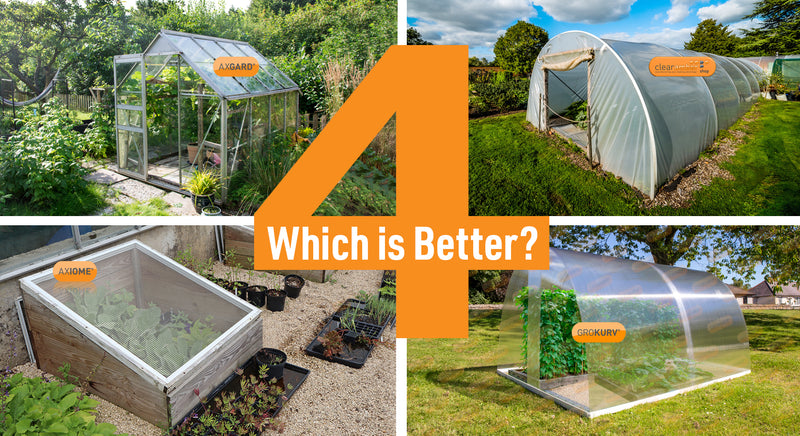
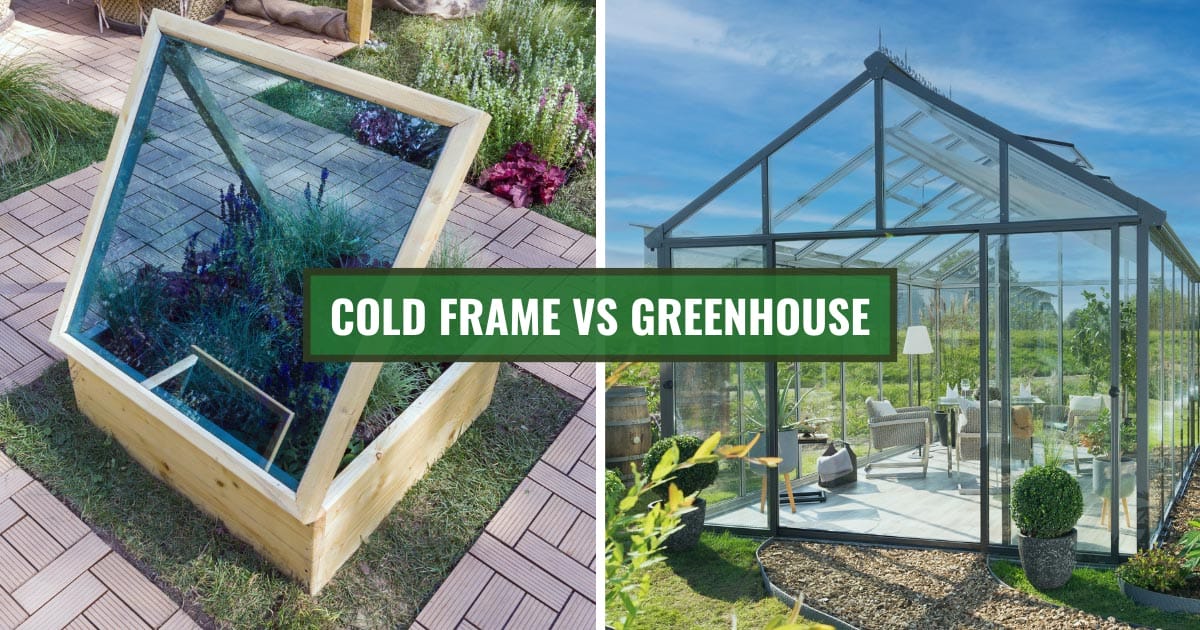
A greenhouse is an enclosed structure with transparent walls and roof. It traps heat and light to create a controlled growing space. Greenhouses can be small hobby units or large commercial houses. They often include heating, ventilation, and irrigation systems for year-round growing. Greenhouse vs Cold Frame here means full environmental control versus simpler protection.
What is a cold frame?
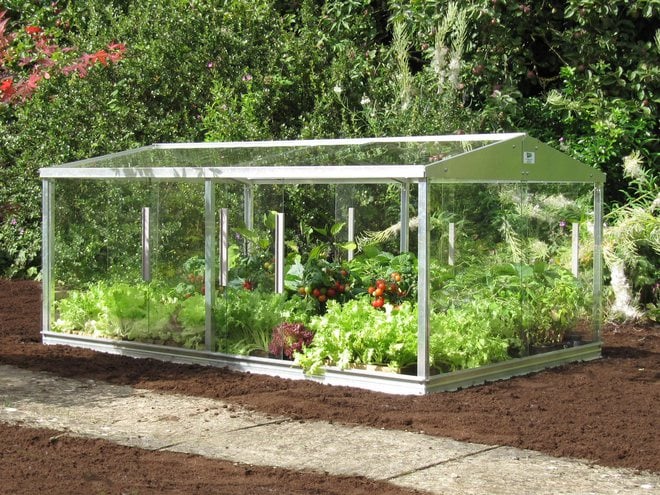
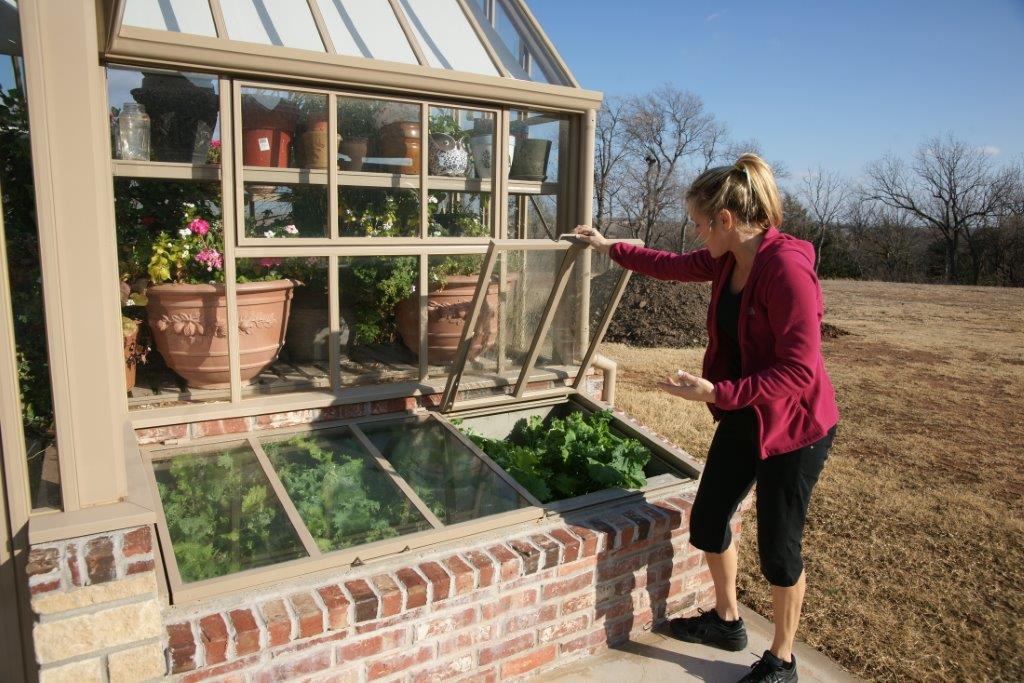
A cold frame is a low, unheated box with a transparent top. It sits on the ground and captures solar heat to protect plants from frost. You use cold frames to harden seedlings and extend the growing season. They are cheap to build and easy to move or modify. Cold frames work well for quick season extension when greenhouse space is not available.

Key differences: Greenhouse vs Cold Frame
Below are the main contrasts to help you choose.
- Climate control
- Greenhouse: Allows active heating, cooling, and humidity control.
- Cold frame: Passive warming only; no active climate systems.
- Size and scale
- Greenhouse: Can be large and permanent.
- Cold frame: Small, compact, and portable.
- Year-round use
- Greenhouse: Supports year-round growing with heat.
- Cold frame: Best for spring and fall season extension.
- Cost and complexity
- Greenhouse: Higher cost and maintenance needs.
- Cold frame: Low cost and low maintenance.
- Light and ventilation
- Greenhouse: Better light management and ventilation options.
- Cold frame: Limited airflow; must be opened on warm days.
- Crop flexibility
- Greenhouse: Grows a wide range of crops including tropicals.
- Cold frame: Best for hardy greens, seedlings, and transplants.
- Construction materials
- Greenhouse: Glass, polycarbonate, or polyethylene film.
- Cold frame: Wood, old windows, or clear plastic lids.
Which is better for a beginner?
A cold frame is simpler and cheaper. It is easy to build and learn basic season extension before investing in a greenhouse.
Can a cold frame replace a greenhouse?
Not fully. A cold frame can protect plants for months, but it lacks the climate control needed for year-round tropical crops.

How to choose: Greenhouse vs Cold Frame for your garden
Think about these factors when deciding.
- Goal and crops
- If you want year-round tomatoes, choose a greenhouse.
- If you want earlier lettuce in spring, a cold frame may do the job.
- Budget and time
- Greenhouses require more money and time.
- Cold frames are budget-friendly and low time commitment.
- Space and zoning
- Greenhouses need a stable footprint and sometimes permits.
- Cold frames can be placed on patios, beds, or raised rows.
- Climate and weather
– Harsh winters benefit from heated greenhouses.- Mild climates get big gains from simple cold frames.
- Experience level
- New growers often start with cold frames and scale up.
Typical cost ranges (very general)
- Small cold frame: Low cost, often under $100 using reclaimed materials.
- Hobby greenhouse: Moderate cost, $500 to $5,000 depending on size and materials.
- High-end greenhouse: Thousands to tens of thousands for heated, automated systems.
Setup, maintenance, and common mistakes
Practical steps to get started and avoid errors.
- Placement
- Put both on a south-facing spot for best sun.
- Avoid shade from buildings or tall trees.
- Foundation and drainage
- Make sure the base is level and drains well.
- For greenhouses, use proper footings to prevent shifting.
- Ventilation
- Add vents or removable panels to prevent overheating.
- Open cold frames on warm days to avoid suffocating plants.
- Heating and insulation
- Use small heaters, thermal mass, or insulating blankets in greenhouses.
- Use straw bales, mulch, or insulating lids for cold frames at night.
- Watering and humidity
- Monitor soil moisture; both structures can dry quickly in sun.
- Prevent mold by airing out and avoiding overwatering.
- Pest control
- Seal gaps and use screens for vents.
- Check plants daily to remove pests early.
Common mistakes to avoid
- Relying only on passive heat in deep freeze conditions.
- Overcrowding plants and not providing airflow.
- Placing structures in shaded areas or poor drainage.
- Skipping simple automation in greenhouses that save time.
Personal experience and practical tips
I built my first cold frame from old windows and used it for three seasons. It gave me reliable seedlings and saved about six weeks each spring. Later, I added a small greenhouse. It let me grow peppers and citrus through winter. The key lessons I learned are simple.
- Start small. Test with a cold frame before scaling up.
- Invest in ventilation. It prevents the most problems.
- Use thermal mass. Water barrels or stones stabilize night temperatures.
- Reuse materials. Old windows and pallets work well for frames.
These tips will save money and reduce errors when moving from a cold frame to a greenhouse.
Frequently Asked Questions of Greenhouse vs Cold Frame
What is the main advantage of a greenhouse over a cold frame?
A greenhouse gives active climate control and year-round growing. It supports a wider range of crops and larger volumes.
Can I build a cold frame from recycled materials?
Yes. Old windows, clear plastic, and scrap wood make excellent cold frames. They are cost-effective and quick to assemble.
How much does a simple greenhouse cost?
A basic hobby greenhouse can range from a few hundred to several thousand dollars, depending on size and materials. Costs rise with added heaters and automation.
Do cold frames need ventilation?
Yes. Cold frames need to be opened on sunny days to avoid overheating and humidity buildup. Simple hinges or removable lids work well.
Which structure saves more money in the long run?
Cold frames cost less up front and are cheap to maintain. Greenhouses can save money long term if you grow high-value produce year-round.
Is heating required for a greenhouse in mild climates?
Not always. In mild climates, passive solar gain and thermal mass may be enough for many crops. Heating is needed for consistent year-round warmth or frost-sensitive plants.
How do I protect plants during sudden freezes?
Cover the plants with row covers, insulation blankets, or add a small heater if possible. For cold frames, add extra straw or move plants to a warmer spot if feasible.
Conclusion
Both greenhouse vs cold frame have clear strengths. Choose a cold frame for low cost, quick season extension, and easy learning. Choose a greenhouse for full control, larger scale, and year-round production. Start with one that matches your goals, test it, and scale up as you gain skill and confidence. Try a cold frame first if you are unsure, then upgrade to a greenhouse when you need more control. Leave a comment with your project plans or subscribe for step-by-step build guides and seasonal checklists.