Perlite usually beats sand for drainage and aeration; sand stabilizes heavy soils.
If you’ve ever debated perlite vs sand for plants, you’re not alone. I’ve trialed both in greenhouses, balconies, and backyard beds. In this guide, I break down the science and the small details. You’ll see clear use cases, tested mix ratios, and pro tips to help your roots thrive. Read on to master perlite vs sand for plants like a seasoned grower.

What is perlite and how does it help plants?
Perlite is a puffed, porous volcanic glass. It looks like tiny white stones. Growers love it because it adds air pockets to soil. Those air pockets keep roots from drowning.
In perlite vs sand for plants, perlite wins on aeration. It is very light. It holds some water on its surface. It drains fast. It is clean and inert, so it will not feed pests or fungi. It is near neutral in pH.
Limitations do exist. Perlite can float to the top when you water. It can blow away. It can be dusty, so wet it before use. It also breaks down over time when handled a lot.
Use perlite when you want fast drainage in pots. It shines in seed starting, cuttings, orchids, and aroids. It also helps succulents when mixed with coarse parts like bark or sand.

What is horticultural sand and when to use it?
Horticultural sand is washed, coarse quartz or grit. Particle size is the key. You want sharp, larger grains. Fine play sand can backfire and make soil dense.
In perlite vs sand for plants, sand adds weight and stability. It keeps top-heavy plants upright. It is great for cacti and bonsai training where root anchoring matters. It boosts drainage if the grains are coarse enough.
Sand has limits. It adds no nutrients. It can compact if too fine. It is heavy to move in bulk. Always buy horticultural or sharp sand. Rinse salty or dusty sand before use.
:max_bytes(150000):strip_icc()/SPR-vermiculite-vs-perlite-6455754-hero-1a2d3e14e0584fbaa4a990ebef1d494b.jpg)
Perlite vs sand for plants: key differences that matter
The right choice depends on roots, water needs, and container size. Here are the main points I see in real use.
- Aeration and oxygen: Perlite creates large air gaps. Sand helps if coarse, but not as much as perlite.
- Drainage speed: Perlite drains very fast in potting mixes. Coarse sand drains fast too, but fine sand drains slow.
- Water holding: Perlite holds a thin film of water. Sand holds little and releases it fast.
- Root anchoring: Sand gives weight and grip. Perlite is too light for tall, top-heavy plants.
- pH and chemistry: Both are inert. Perlite is near neutral. Sand is neutral if pure quartz.
- Sterility: Perlite is heat-expanded and clean. Sand may hold salts or dust and needs rinsing.
- Longevity: Sand keeps shape. Perlite can crush with pressure over time.
- Handling and cost: Perlite is light and easy to carry. Sand is cheap per bag, but heavy to ship.
In short, perlite vs sand for plants is a trade between airiness and anchoring. Pick based on plant type and pot size.

When to use perlite vs sand for plants: real-world use cases
Over the years, I’ve used both across many plant types. Here are scenarios where each shines.
Use perlite when:
- Potting aroids like monstera or philodendron for airy roots and fast growth.
- Starting seeds or rooting cuttings to prevent rot.
- Refreshing heavy bagged soil that stays wet too long.
- Growing hydroponic starts or Kratky herbs in an inert medium.
Use sand when:
- Potting cacti, euphorbia, and agave that need weight for stability.
- Training bonsai where roots must grip and spread tight.
- Amending outdoor beds with very organic mixes that slump.
- Creating a thin top-dress to deter fungus gnats in houseplants.
In perlite vs sand for plants, I often blend both. Perlite opens the mix. Sand keeps pots stable. The mix depends on pot size, plant type, and your watering style.
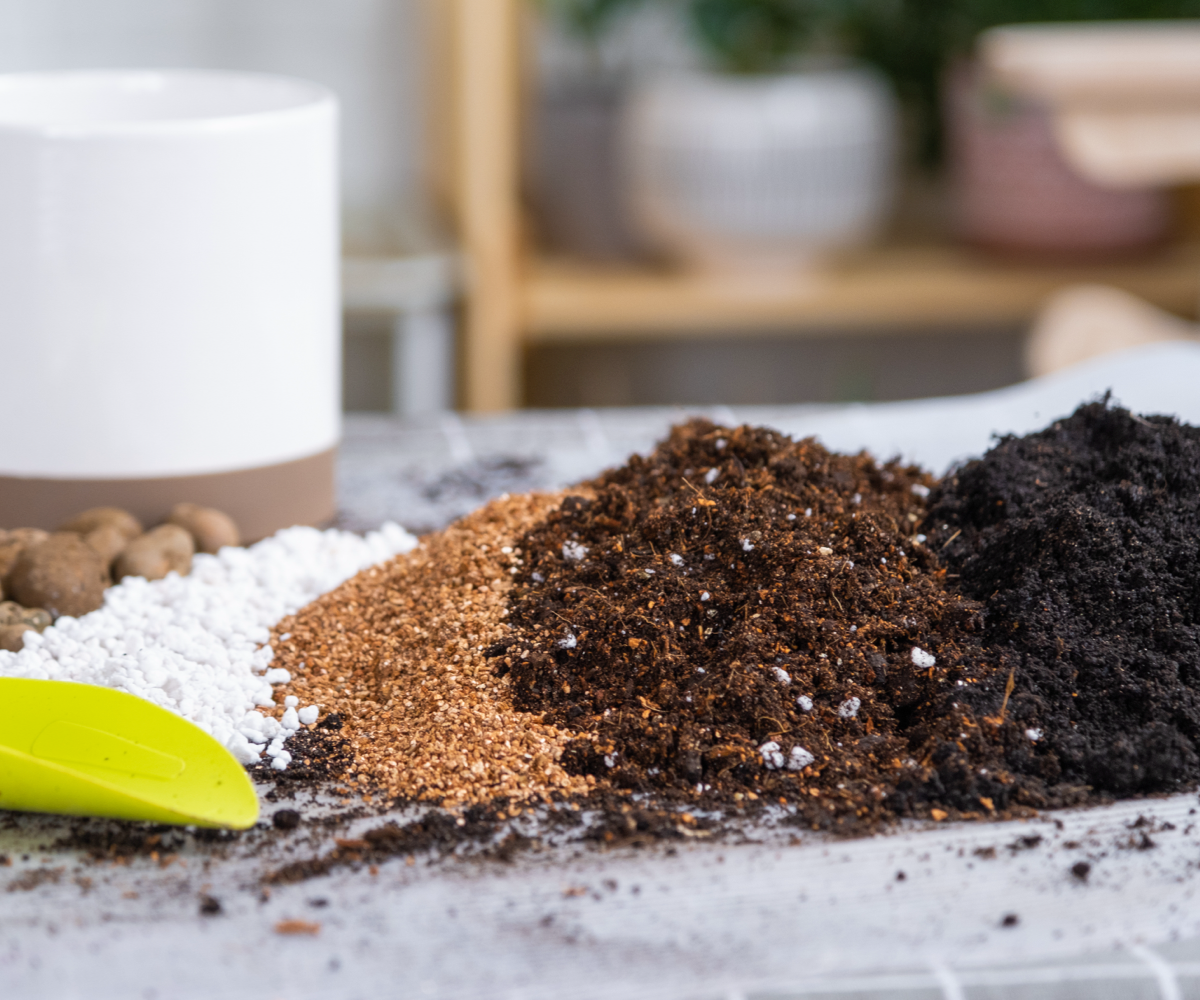
Proven mixing ratios and easy recipes
These recipes are simple, flexible, and beginner-friendly. Adjust based on your climate and pot size.
For succulents and cacti:
- 40% perlite
- 30% coarse sand
- 30% potting mix or sifted compost
For aroids and houseplants:
- 40% perlite
- 30% coco coir or peat
- 20% fine bark
- 10% compost or worm castings
For herbs and veggies in pots:
- 30% perlite
- 60% potting mix
- 10% compost
For seed starting and cuttings:
- 50% perlite
- 50% coco coir or peat
- Optional: a pinch of vermiculite for even moisture
For raised beds with heavy soil:
- Use lots of organic matter first.
- Add 10–20% coarse sand only if it is truly coarse.
- In perlite vs sand for plants in beds, organic matter often beats both.
Common mistakes and how to avoid them
I’ve made these mistakes so you don’t have to.
- Using play sand: It is too fine. It compacts and can trap water. Choose coarse horticultural sand.
- Skipping a rinse: Some sand has dust or salts. Rinse until water runs clear.
- Overloading perlite at the surface: Perlite floats and blows away. Mix it deeper or top with bark.
- Ignoring your watering style: Heavy waterers need more perlite. Light waterers can use a bit more sand.
- Mixing sand into clay in small amounts: A little sand in clay can make a brick. Use lots of organic matter or very coarse grit.
In perlite vs sand for plants, match the mix to your habits, not just the label on the bag.

Cost, sustainability, and availability
Budget and impact matter too. Here is the plain talk.
- Cost and weight: Perlite is light and easy to haul. Sand is cheap per bag but heavy.
- Reuse: You can rinse and reuse both. Perlite can crush after many cycles. Sand lasts a long time.
- Sourcing: Perlite is mined and heat-expanded. Sand is often local but can be taken from fragile sites. Buy from vetted suppliers.
- Footprint: Transport distance matters. A light bag of perlite shipped far can still beat a long haul of sand by weight. Local options are often greener.
Perlite vs sand for plants is not only about roots. It is also about what you can buy, carry, and reuse with care.
Field tests and lessons learned
I ran a balcony test with basil and jade plants. One pot had 40% perlite. The other had 40% coarse sand. I kept light and water the same.
The basil in perlite grew faster and stayed perkier after hot days. The jade in sand stood firm and did not tip in wind. The take-home for perlite vs sand for plants was clear. Use perlite for fast growth in soft-stem plants. Use sand for weight and tough, woody succulents.
A later test with seedlings showed fewer damping-off losses with more perlite. The roots had air. Water wicked away fast. That one change saved a whole tray.

Troubleshooting drainage and aeration at home
Not sure which way to go? Test your mix before you plant.
- Percolation test: Fill a pot with your mix. Pour one cup of water. If water pools longer than a minute, add perlite. If it vanishes in seconds and the pot is unstable, add sand or bark.
- Squeeze test: Moisten a handful. Squeeze and release. If it clumps hard, add perlite. If it falls apart like dry sugar, add a bit of sand or coco.
- Root read: Yellow, limp leaves and a swamp smell mean poor air. Add perlite. Droop from a top-heavy plant or leaning stems? Add sand.
Use these quick checks to tune perlite vs sand for plants to your room, season, and routine.
Frequently Asked Questions
Is perlite better than sand for all plants?
No. Perlite is best for fast drainage and seed starting. Sand is better for weight, grip, and some succulents.
Can I use beach sand in potting soil?
Avoid it. Beach sand can have salts and fine particles. It can harm roots and slow drainage.
Does perlite change soil pH?
Not much. Perlite is near neutral. It will not swing pH in normal use.
How much perlite should I add to potting mix?
For most houseplants, 20–40% works well. For cuttings or wet spots, go up to 50%.
What type of sand is best for plants?
Use coarse, washed horticultural sand or sharp grit. Avoid play sand and very fine builder’s sand.
Will perlite float to the top?
Yes, it can. Mix it well and top with bark or a light mulch to keep it in place.
Can I reuse perlite and sand?
Yes. Rinse well and sterilize if needed. Perlite may break down over many uses, while sand holds shape longer.
Is sand good for clay soil?
Only if you add a lot of very coarse sand. Small amounts can make clay denser. Add organic matter first.
Conclusion
Perlite vs sand for plants comes down to this. Use perlite for air and quick drainage. Use sand for weight and root grip. Blend both if you need balance. Match the mix to your plant, pot size, climate, and watering style.
Try one small change today. Add perlite to a slow, soggy pot. Or add coarse sand to steady a wobbly cactus. Share your results, ask a question, or subscribe for more plant-tested recipes and tips.