Compost is safer and steadier; manure is stronger but riskier and smellier.
If you want richer soil and better harvests, you need the right organic matter. In this guide, I break down compost vs manure with clear steps, data, and field tips. I’ve made and used both for years. You’ll learn when to use each, how to apply them, and how to avoid costly mistakes that can set your garden back.
What is compost?
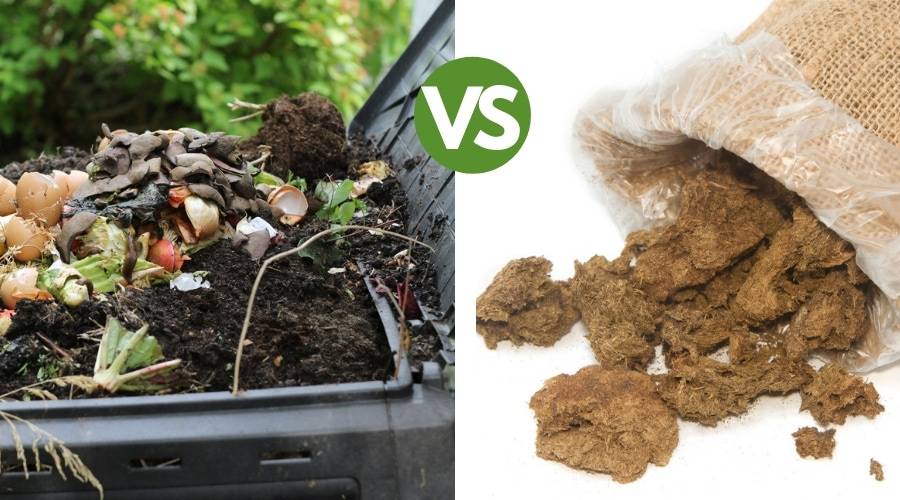
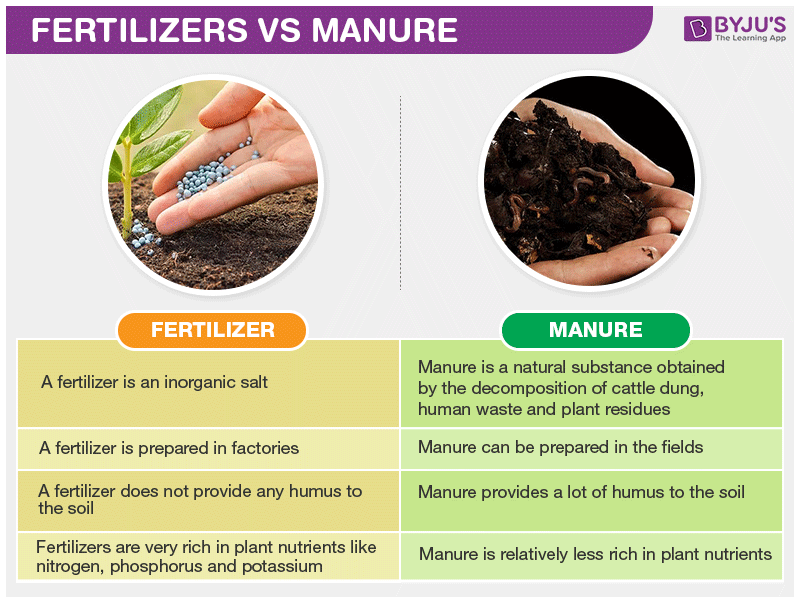
Compost is decayed organic matter made from yard waste and kitchen scraps. It includes leaves, grass, prunings, coffee grounds, and fruit peels. Microbes break it down into a dark, crumbly mix that smells like a forest floor.
Good compost has a balanced carbon-to-nitrogen ratio. It holds water well and feeds soil life. Nutrients release slowly and help plants over time. Finished compost is stable, gentle, and safe for most beds and lawns.
What is manure?
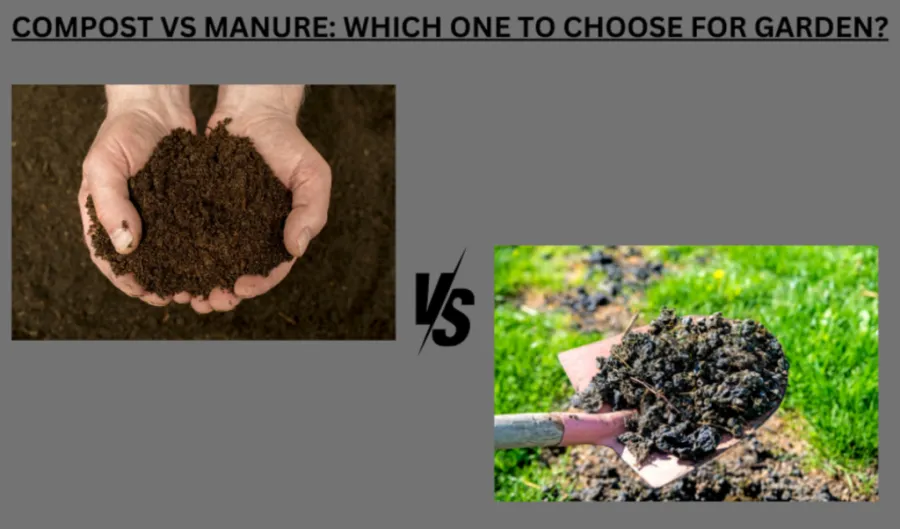
Manure is animal waste, sometimes mixed with bedding like straw or wood shavings. Common types include cow, horse, chicken, rabbit, and sheep. It can be fresh, aged, or composted.
Fresh manure is strong. It can burn plants and may carry pathogens or weed seeds. Aged or composted manure is milder and safer. Nutrient content varies by animal and diet. Poultry manure is high in nitrogen. Cow manure is milder. Horse manure can carry weed seeds if not well composted.
Compost vs manure: key differences at a glance
Compost vs manure often comes down to safety, nutrients, and speed. Here is a quick view of how they differ.
- Nutrient strength: Manure is often richer in nitrogen. Compost is moderate but steady.
- Release rate: Manure can act fast. Compost feeds slowly over months.
- Safety: Finished compost is low-risk. Fresh manure may contain pathogens.
- Weed seeds: Finished compost is low in seeds. Some manure can spread weeds.
- Salts and burn risk: Poultry manure can burn young roots. Compost is gentle.
- Smell: Manure often smells strong. Good compost smells earthy.
- Timing: Compost can go in any time. Fresh manure needs a wait period before harvest.
- Use cases: Compost builds soil structure. Manure is best for boosting growth when managed well.

Nutrients and soil health
Compost vs manure both add nutrients. But they do it in different ways.
- Compost brings stable organic matter. It boosts soil structure and water holding. It raises cation exchange capacity, which helps soil store nutrients. It also supports fungi and bacteria that help roots.
- Manure can deliver more nitrogen, especially poultry manure. That can push leafy growth. But the form of nitrogen can be hot. It can turn to ammonia or leach if overused.
Typical ranges (very general):
- Finished compost: low to moderate N-P-K, often around 1-1-1, but steady.
- Cow manure (aged): mild N, often around 0.5-0.5-0.5 to 1-1-1.
- Poultry manure (aged): higher N and P, often around 3-2-2 or more.
Think of compost as a pantry for the soil. Think of manure as a strong meal. I often blend both. A layer of compost for structure, and a light touch of well-aged manure for a boost. This compost vs manure mix has given me strong yields without burn.
Note on teas:
- Compost tea can add microbes, but results vary.
- Manure tea can carry risk. Avoid using it on edible leaves.

Safety, pathogens, and weed seeds
Compost vs manure safety matters, especially for food crops. Heat kills risks when used right.
- For composted materials, a common standard is to hit 131°F or higher. Hold it for several days. For windrows, that can be 15 days with five turns. This helps kill E. coli, Salmonella, and many weed seeds.
- For raw manure on food crops, many organic rules use wait times. Apply at least 90 days before harvest for crops with no soil contact. Apply 120 days before harvest for crops that touch soil, like lettuce.
- Avoid pet or human waste. These can carry serious pathogens.
- Watch salts and ammonia in fresh manure. They can burn roots. Poultry manure is the main risk.
- Antibiotic and herbicide residues can occur in some manures and bedding. If unsure, test a small pot with beans. If the seedlings twist or fail, do not use it on beds.
I once rushed and used semi-fresh chicken manure on young kale. The edges burned in two days. Now I compost manure first or blend it into a larger compost pile to be safe.

When to use compost vs manure
Use compost vs manure based on your goal and season.
- Starting new beds: Compost first for structure and life. Add a light layer of aged manure if the soil is very poor.
- Clay soil: Compost helps open it up and improve drainage.
- Sandy soil: Compost helps hold water and nutrients.
- Lawns: Top-dress with compost once or twice a year. It thickens turf without burn.
- Heavy feeders like corn or brassicas: Use aged or composted manure in fall or early spring. Blend it into the top few inches.
- Perennials and shrubs: Compost as a mulch. It feeds slowly and keeps roots safe.
- Root crops: Lean on compost. Go easy on manure to avoid forking or too much top growth.

How to apply: rates and timing
Rates depend on your soil and the material.
- Compost: Spread 0.5 to 2 inches on beds. Work into the top 4 to 6 inches or use as mulch. For lawns, use about 0.25 inch and rake in.
- Aged or composted manure: Use 0.25 to 0.5 inch on garden beds. For poultry manure, start light. Blend with compost to cut burn risk.
- Fresh manure: Apply only in fall. Till it in. Follow the 90 or 120-day wait rule for edible crops.
- Container mixes: Use compost for up to 20 to 30% of the mix. Avoid straight manure in pots.
- Water after you spread. Then mulch with leaves or straw to lock in moisture.
In my tests, two inches of compost plus a light sprinkle of aged manure in spring gave me lush tomatoes. The soil stayed moist longer, and I used less fertilizer.
Environmental impact and sustainability
Compost vs manure both help recycle waste. But they have impacts.
- Composting yard and food waste cuts landfill methane. It turns trash into a soil resource.
- Manure left in piles can release methane and runoff. Managed well, it becomes a clean input.
- Local sourcing lowers transport emissions. Farm manure and community compost are great finds.
- Compost adds stable carbon to soil. That helps with carbon storage and soil resilience.
- Use clean feedstocks. Avoid manure from animals fed on hay treated with long-life herbicides.
Cost, access, and storage
Compost vs manure costs vary by source.
- Bagged compost: Easy but pricier per yard. Bulk is cheaper for big beds.
- Manure: Often free from farms, but you haul it. Aged or composted manure may cost more but is safer.
- Storage: Keep piles covered. Rain can wash out nutrients and cause runoff. Keep piles off drains and away from wells.
- Smell and neighbors: Compost that is balanced should not stink. Fresh manure can. Turn and cover to control odor.
Common mistakes and how to avoid them
- Spreading fresh manure before quick-harvest crops: Wait 90 to 120 days, or compost it first.
- Using too much poultry manure: Start small. Blend with compost.
- Skipping maturity checks: Finished compost is dark, crumbly, and cool. If it heats up or smells sour, wait.
- Ignoring salts: Overuse of manure can build salts. Flush with water and switch to compost for a while.
- Forgetting a soil test: Test every year or two. Adjust rates based on results.
Quick answers: compost vs manure PAA
Is compost safer than manure?
Yes, finished compost is safer for most beds. It has fewer pathogens and low burn risk.
Can I mix compost and manure?
Yes. Blend aged manure into compost for a balanced boost. It reduces burn and improves structure.
Which is better for vegetables?
For most vegetables, compost is the base. Add aged manure for heavy feeders and apply it well before harvest.
Frequently Asked Questions of compost vs manure
How often should I add compost vs manure?
Add compost once or twice a year. Use aged manure once a year or less, based on crop needs and soil tests.
Does compost vs manure change soil pH?
Compost is usually near neutral and buffers pH. Manure can nudge pH up slightly, but changes are often small at normal rates.
Is horse manure safe to use?
Yes, if it is well composted. Fresh horse manure can carry many weed seeds, so heat it well first.
Can compost vs manure replace fertilizer?
Sometimes. Compost builds long-term fertility, while manure gives a short boost. Heavy feeders may still need extra nutrients.
What is the best time to add manure?
Fall is best for fresh manure. Aged or composted manure works in early spring if mixed in and watered.
Conclusion
Compost vs manure is not a fight. It is a toolkit. Compost builds living soil and protects roots. Manure, when aged or composted, gives a strong push to hungry crops. Use compost as your base. Add manure with care, timing, and light hands.
Take one bed and test this plan: two inches of compost, a sprinkle of aged manure, water, and mulch. Track growth and yields. Ready for more soil wins? Subscribe for new guides, ask a question in the comments, or share your results so we can learn together.