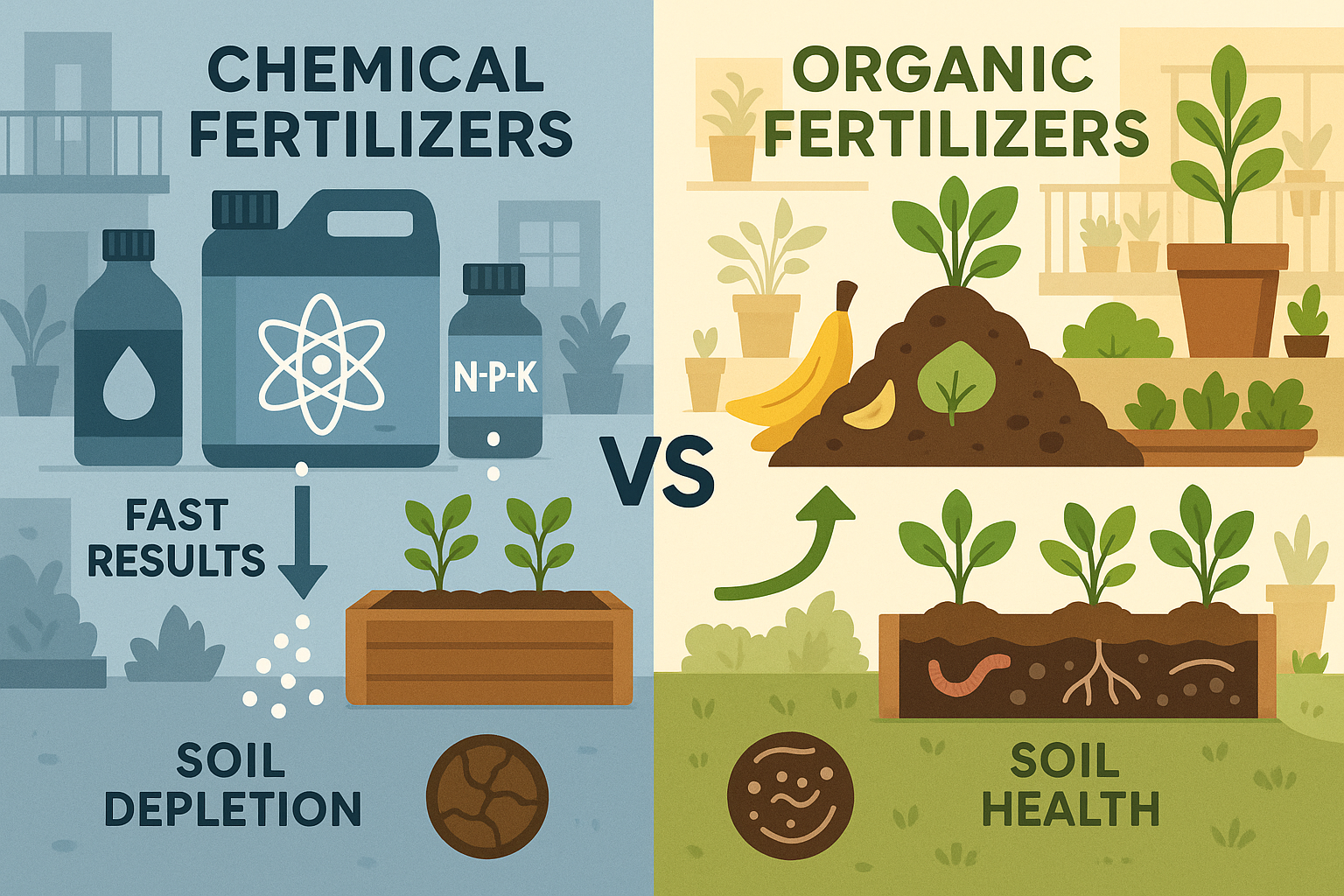
Organic fertilizers build soil life slowly; chemical fertilizers deliver quick nutrients but can harm ecosystems.
I have worked with farmers, home gardeners, and landscape crews for over a decade, testing organic and chemical options across soils and climates. This article compares organic vs chemical fertilizer with clear explanations, practical examples, and hands-on tips so you can choose what suits your garden, crop, or lawn with confidence.
Understanding organic vs chemical fertilizer
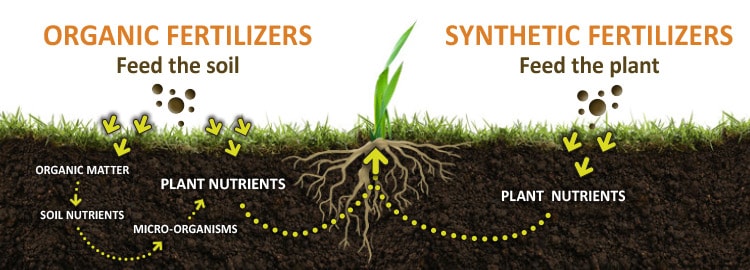
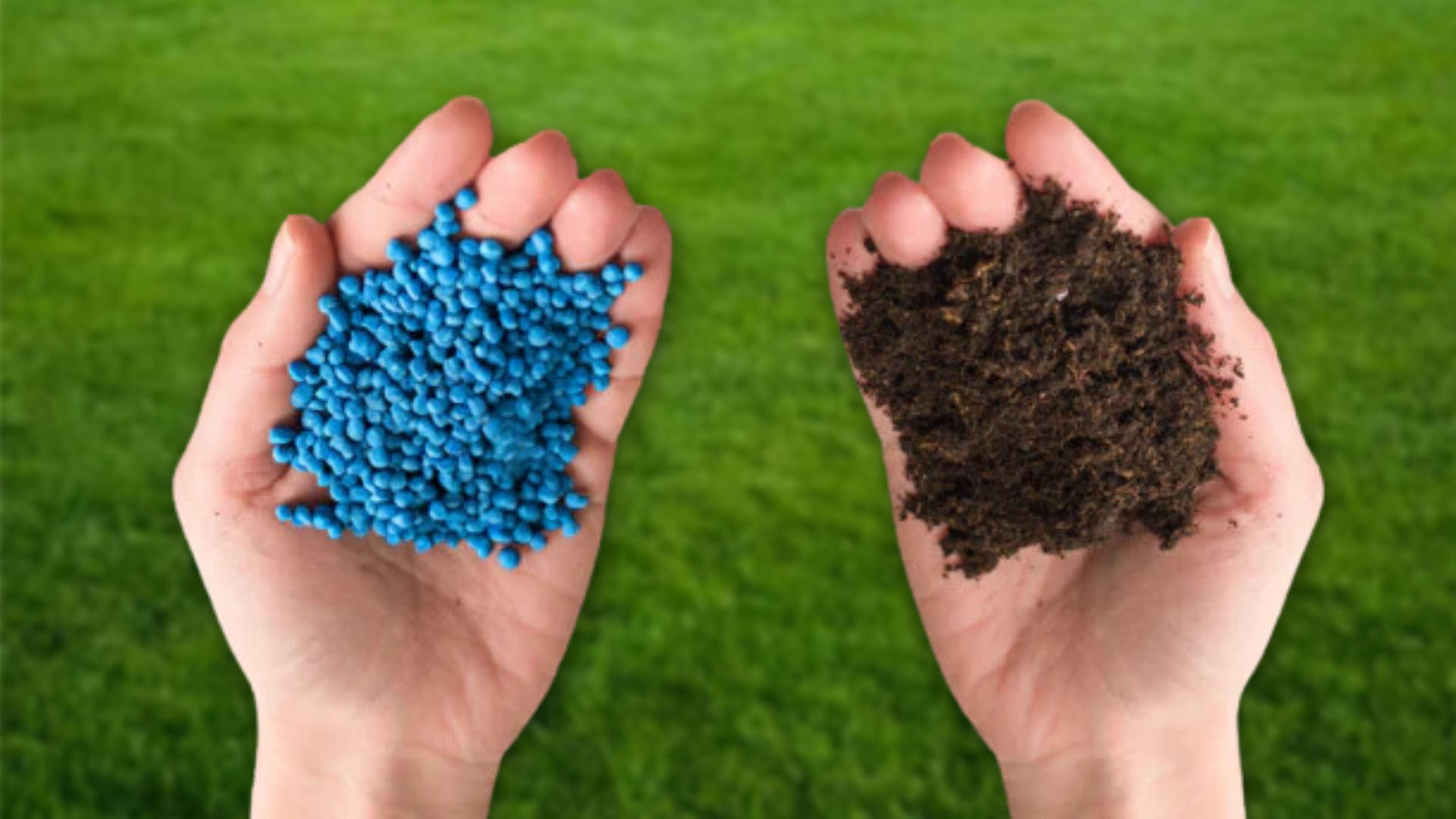
Organic vs chemical fertilizer refers to two broad approaches to feeding plants. Organic fertilizer comes from plant or animal matter or mineral sources and adds organic matter and microbes to soil. Chemical fertilizer, also called synthetic or inorganic fertilizer, is manufactured to deliver precise amounts of nitrogen, phosphorus, and potassium in readily available forms.
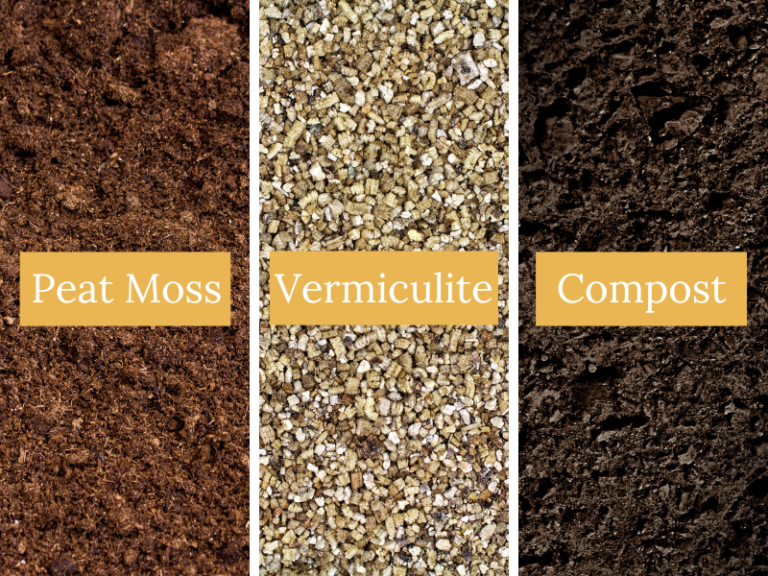
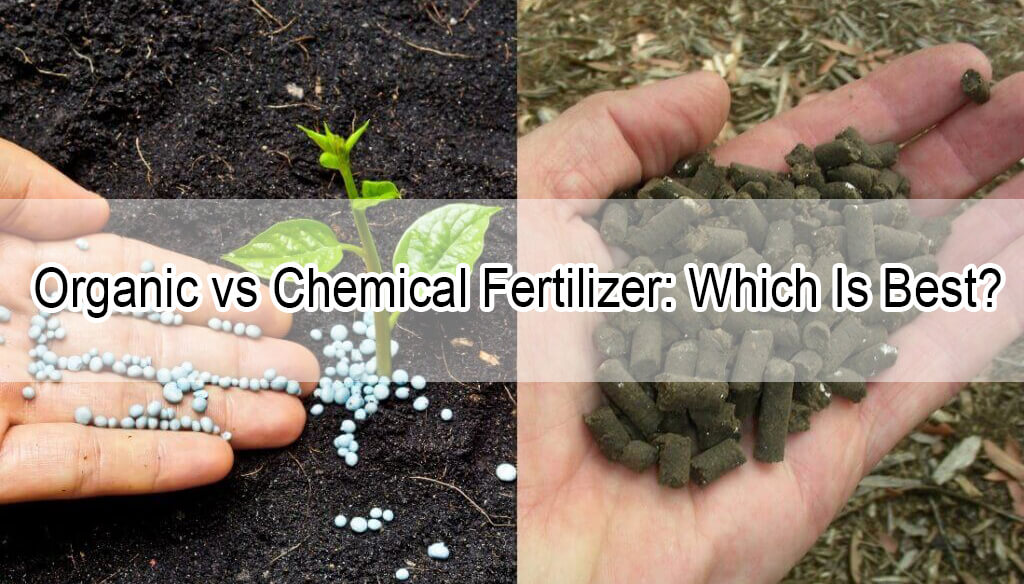
Organic vs chemical fertilizer differ in composition, release rate, and long-term effects on soil structure. Organic options include compost, manure, bone meal, blood meal, and seaweed. Chemical options include urea, ammonium nitrate, superphosphate, and potash blends designed to hit exact NPK ratios. These core differences shape how you use them and the outcomes you can expect.
How organic and chemical fertilizers work
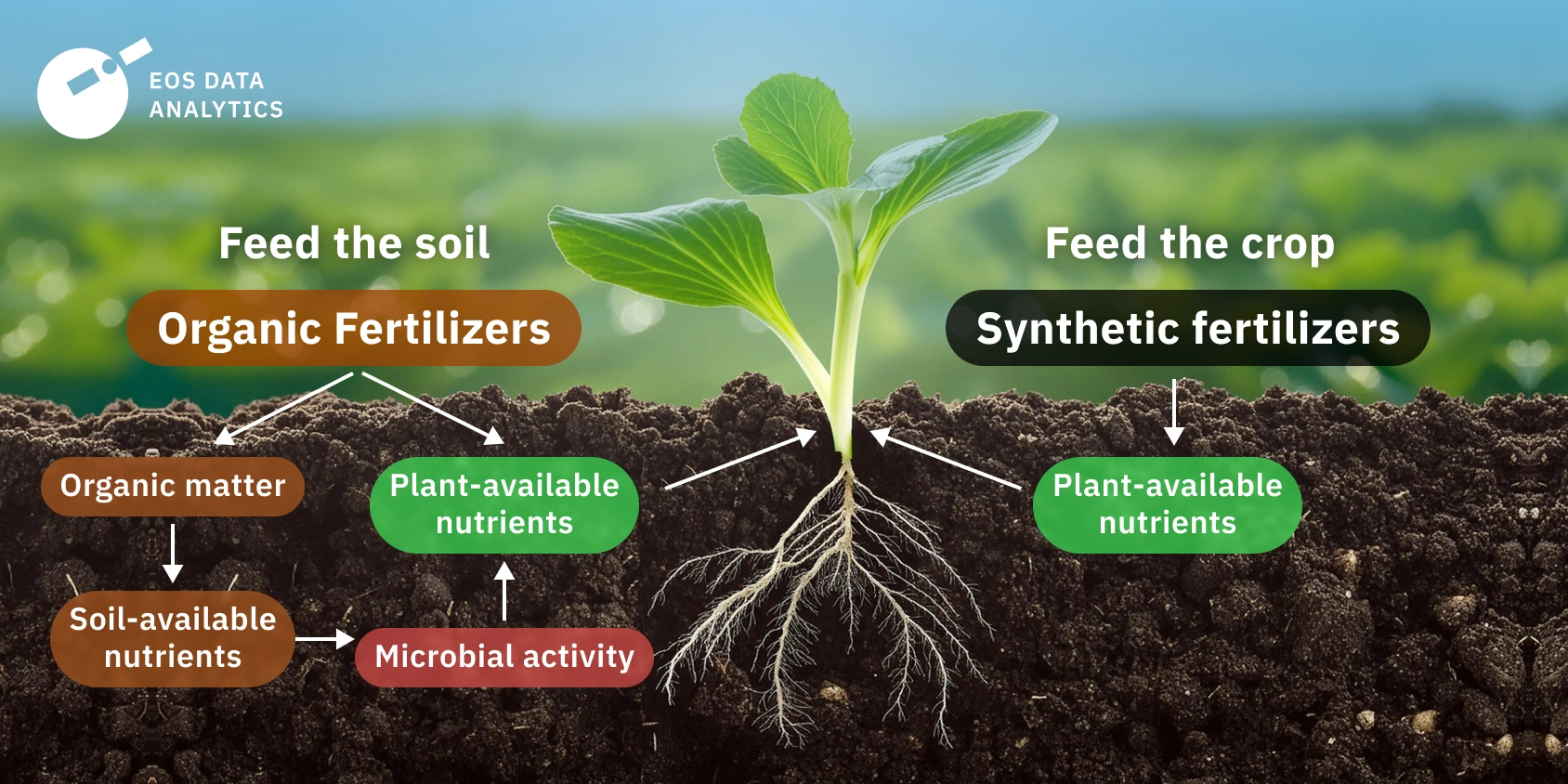
Organic vs chemical fertilizer release nutrients very differently. Organic materials break down through soil biology, feeding microbes and releasing nutrients slowly over weeks to months. Chemical fertilizers dissolve quickly, releasing nutrients in forms plants can take up within days to weeks.
Organic materials improve soil water retention and structure by increasing organic matter. Chemical fertilizers supply targeted nutrition and correct immediate deficiencies, but they do not add soil carbon or build long-term soil life. Understanding these mechanisms helps match fertilizer choice to goals like fast growth or lasting soil health.

Benefits of organic fertilizer
Organic vs chemical fertilizer advantages include long-term soil resilience and ecological benefits. Organic fertilizer:
- Builds soil organic matter and improves texture, helping sandy soils hold water and clay soils drain better.
- Feeds soil microbes and fungi, which supports plant health and nutrient cycling.
- Releases nutrients slowly, reducing the risk of burning plants and lowering nutrient runoff.
- Adds micronutrients and trace elements often missing from synthetic mixes.
In my experience, gardens shifted to regular compost and green manures showed fewer pest issues and better drought tolerance after two seasons. Organic approaches are especially helpful where soil health is a priority.

Benefits of chemical fertilizer
Organic vs chemical fertilizer also means faster, more predictable results when using chemical options. Chemical fertilizer:
- Delivers a precise nutrient mix that corrects deficiencies quickly.
- Is easy to measure and apply, valuable for high-yield crops and tight production schedules.
- Often costs less per unit of available nutrient, offering short-term economic efficiency.
- Works well with foliar feeds and fertigation systems for targeted nutrient delivery.
For commercial growers or when you need fast recovery after transplanting, chemical fertilizers can be a practical tool. I used a quick starter fertilizer to revive a shock-prone lawn after winter and saw green-up within a week.
Drawbacks and risks of each approach
Organic vs chemical fertilizer have distinct downsides you should weigh. Organic fertilizer:
- Can vary in nutrient content, making precise feeding harder.
- May release nutrients too slowly for fast-growing crops or during short growing windows.
- If raw or poorly composted, it can carry pathogens or weed seeds.
Chemical fertilizer:
- Can cause runoff and water pollution when overapplied, contributing to algal blooms in waterways.
- May reduce soil microbial diversity and degrade soil structure over time if used alone.
- Carries burn risk on roots and foliage when misapplied.
A balanced view recognizes that both have trade-offs. Research and field trials show that combining the strengths of both often yields the best agronomic and environmental outcome.

When to choose organic vs chemical fertilizer
Choosing organic vs chemical fertilizer depends on goals, timeline, soil test results, and budget. Use organic fertilizer when you want to:
- Improve long-term soil health and water retention.
- Build soil carbon and reduce chemical dependency.
- Grow for flavor, quality, or ecological benefits.
Use chemical fertilizer when you need to:
- Correct a specific deficiency quickly.
- Support high yields on a tight timeline.
- Apply nutrients precisely for commercial production.
Consider an integrated approach when possible. For example, apply compost in the off-season to build organic matter, and use targeted chemical feeds during peak growth for reliable yields. Soil testing and simple records help make informed choices.
Practical application and best practices
Practical steps make organic vs chemical fertilizer work better together. Follow these best practices:
- Test your soil every 1 to 3 years to identify nutrient needs and pH. This prevents overapplication and saves money.
- Calculate nutrient rates based on crop needs, not guesswork. Use label rates and convert them to pounds or grams per area.
- Apply organic materials in fall or early spring to allow breakdown and microbial activation. Compost works well as a top dressing or incorporated amendment.
- Use split applications with chemical fertilizer to match plant uptake. Small, frequent doses reduce leaching and improve efficiency.
- Avoid applying chemicals before heavy rain and avoid direct contact with young roots or foliage to prevent burn.
From my work, the biggest mistake is relying solely on one approach. I once overapplied a high-N synthetic on tomatoes and shocked the plants, then corrected the imbalance with compost and foliar micronutrients. Mixing methods with care yields the best results.
Frequently Asked Questions of organic vs chemical fertilizer
What is the main difference between organic vs chemical fertilizer?
The main difference is source and release pattern. Organic fertilizer comes from natural matter and releases nutrients slowly through microbial action, while chemical fertilizer is manufactured and provides fast, soluble nutrients.
Can I use both organic and chemical fertilizers together?
Yes. Combining both can offer quick nutrition with long-term soil improvement. Use organic matter to build soil and add targeted chemical feeds during high-demand growth stages.
Will chemical fertilizer harm soil microbes?
Overuse of chemical fertilizers can reduce microbial diversity over time, especially if not paired with organic inputs. Balanced use alongside compost and cover crops supports a healthier soil microbiome.
How long does organic fertilizer take to work?
Organic fertilizer usually takes weeks to months to release most nutrients, depending on temperature and microbial activity. Warmer, moist conditions speed breakdown and nutrient availability.
Is one type better for the environment?
Organic approaches generally reduce runoff and build soil carbon, benefiting ecosystems long term. However, poorly managed organic sources can still pollute, so proper application and management matter for both types.
Conclusion
Organic vs chemical fertilizer is not a simple either/or choice. Each offers clear benefits and distinct limits, and the best strategy often blends both: use organic matter to build resilient soil and apply targeted synthetic nutrients when speed or precision is needed. Start with a soil test, set clear goals for yield and soil health, and experiment in small plots to see what works for your site. Try a mixed plan this season, keep notes, and adjust based on results—then share what you learn or ask questions below.