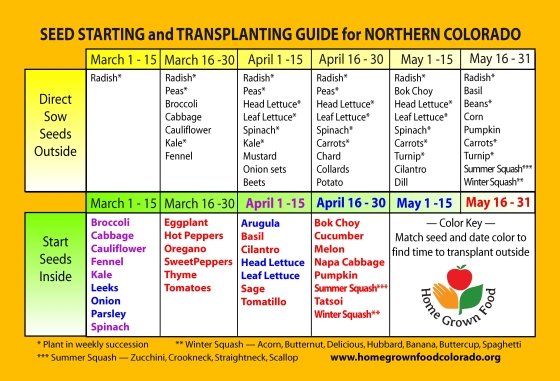
Seedlings usually grow faster than seeds because they bypass germination and already have a head start.
I’ve worked with home gardens and commercial starts for years, and I’ll walk you through seeds vs seedlings which grow faster. This article explains the biology, real-world differences, and clear steps to choose the best option for speed, cost, and success. Read on for practical tips, mistakes to avoid, and proven strategies based on hands-on experience.
How seeds and seedlings differ: quick definitions and biology
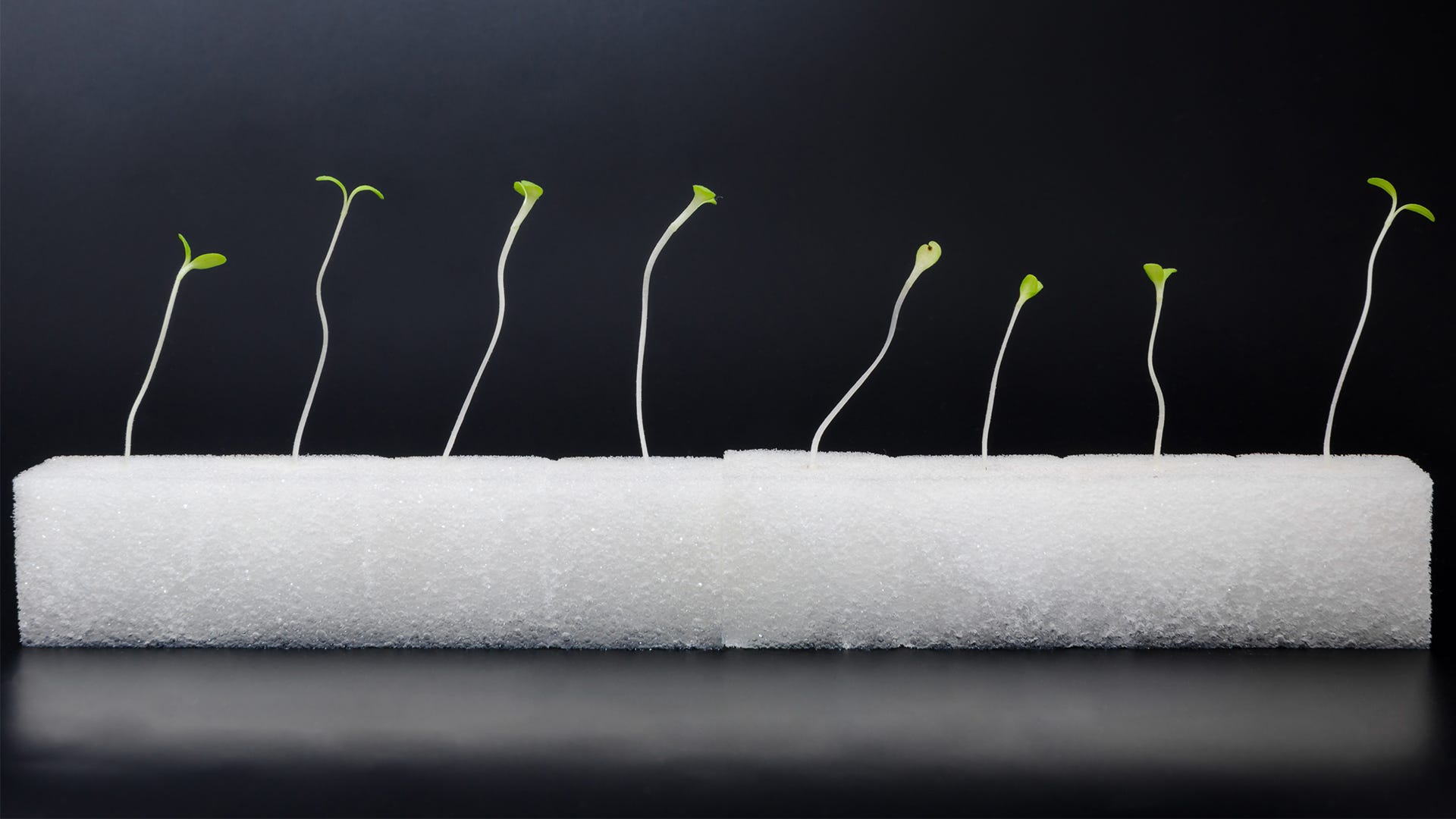
Seeds are dormant plant embryos with stored food. They need water, oxygen, and the right temperature to germinate. Germination is a process that takes time and energy. Seedlings are young plants that have completed germination and show roots and leaves.
Seeds vs seedlings which grow faster depends on what you measure. If you measure time from planting to visible growth, seedlings are faster. If you measure long-term speed to maturity, the answer can vary by species and conditions.
Which grows faster: seeds vs seedlings — clear comparison
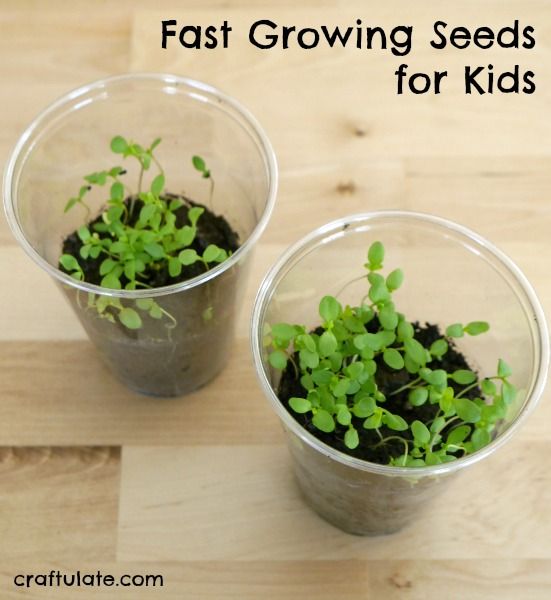
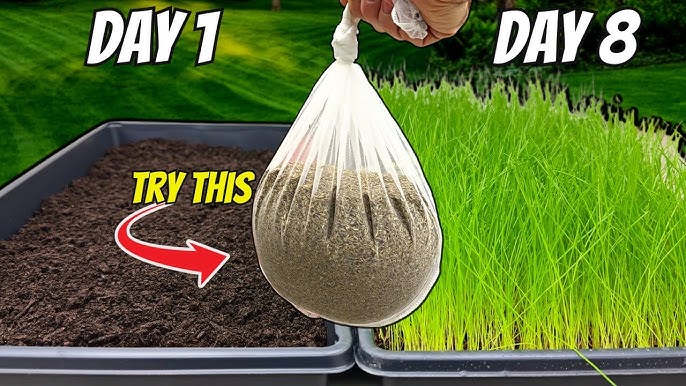
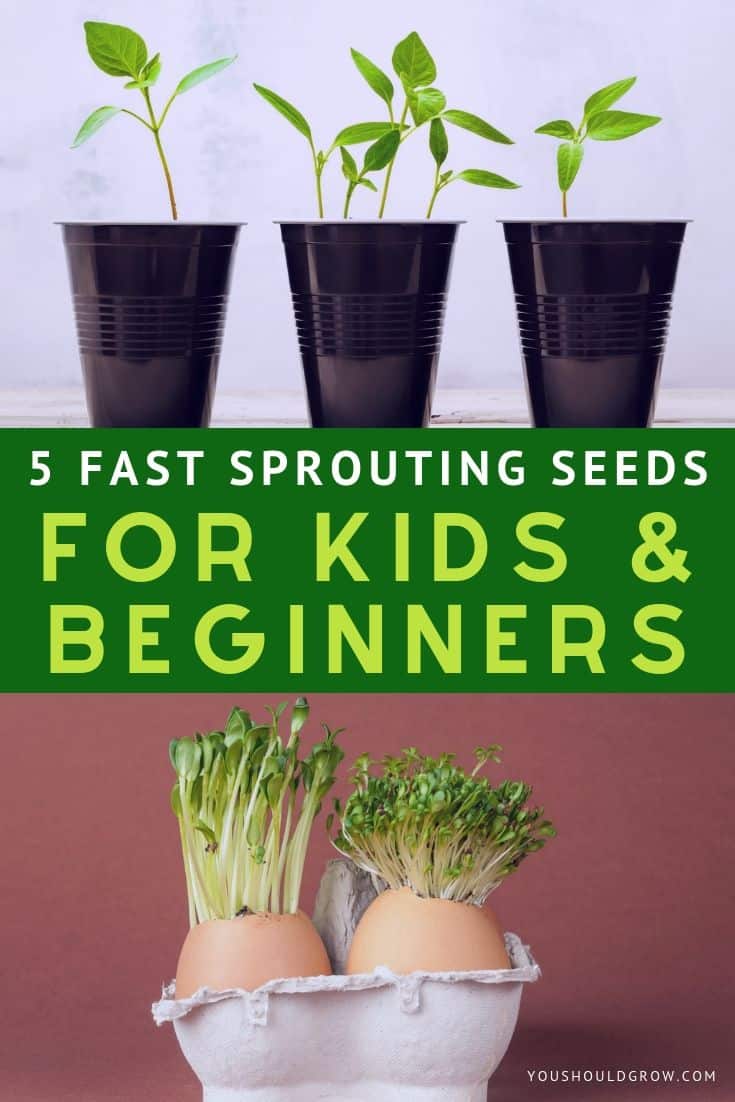
Seedlings start ahead. They already have roots and leaves. Planting a seedling usually gives you visible growth in days.
Seeds need a germination period. That period can take days to weeks. Some seeds are slow because they need scarification or cold treatment.
Why seedlings often win:
- They skip germination and early vulnerability.
- They establish more quickly in the garden.
- They usually resist transplant stress if handled well.
When seeds can be faster:
- Very fast-germinating species can catch up under ideal conditions.
- Some plants develop stronger root systems when started from seed.
Overall, seeds vs seedlings which grow faster usually favors seedlings for quick results and seeds for long-term vigor in some species.
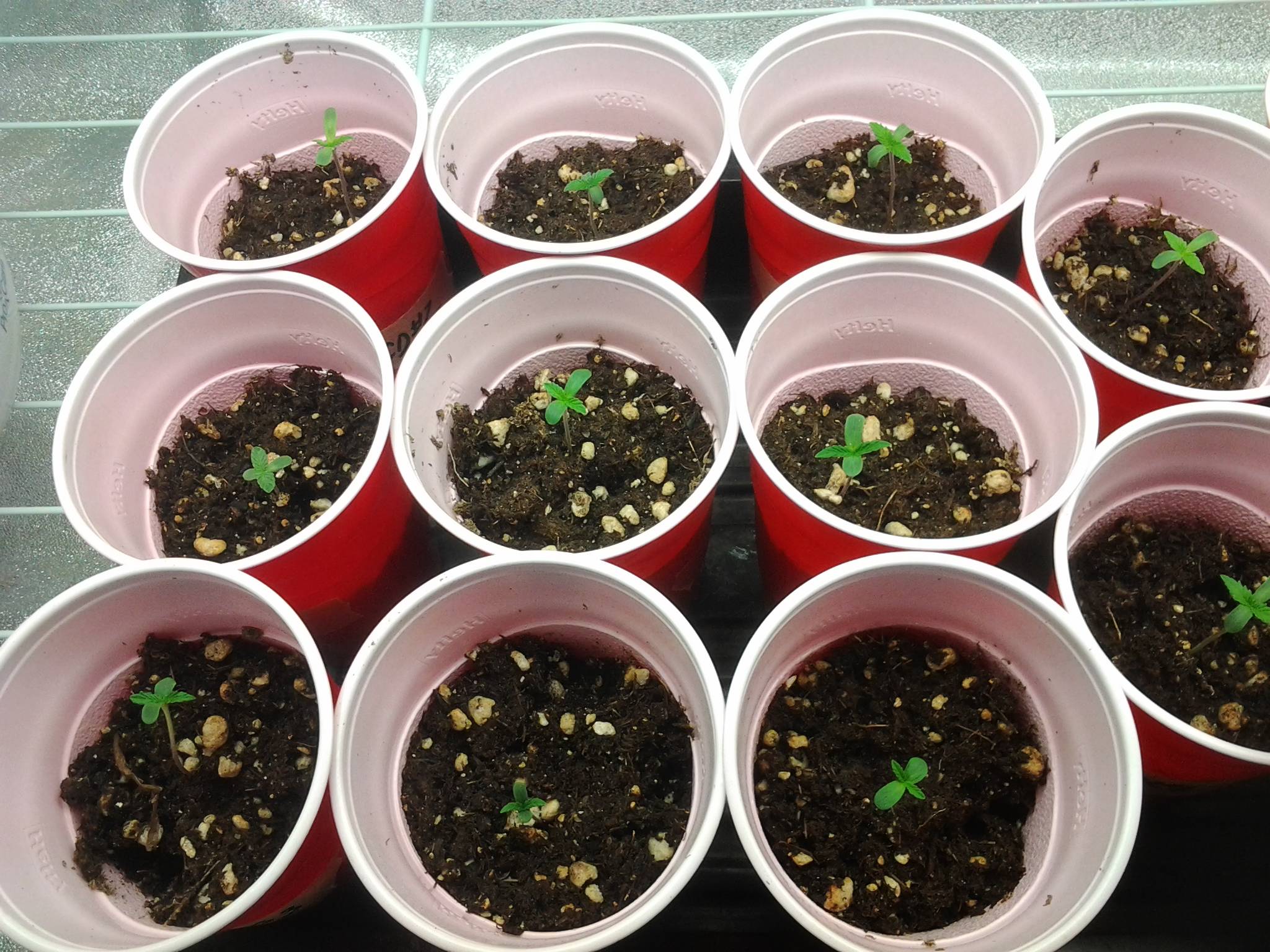
Factors that affect growth speed for seeds vs seedlings
Light
- Seedlings often need more light once they sprout.
- Seeds need darkness or light, depending on type, to trigger germination.
Temperature
- Warm, consistent temperatures speed germination.
- Seedlings tolerate a wider range but grow faster with stable warmth.
Soil and medium
- Seedlings benefit from loose, nutrient-ready soil.
- Seeds need a fine, moist medium for contact and germination.
Water and humidity
- Seeds require steady moisture until roots form.
- Seedlings need balanced watering to avoid damping-off and stress.
Plant species
- Fast growers like lettuce sprout quickly from seed.
- Slow growers like many perennials may be faster when planted as seedlings.
Human factors
- Skill in watering, light placement, and transplanting affects outcomes.
- Seed quality and seedling handling change success rates.

Practical tips: starting from seeds vs seedlings for speed
Starting from seedlings for speed
- Buy healthy, stocky seedlings with no yellow leaves.
- Harden off seedlings gradually before transplanting.
- Plant at the same soil level as in the pot to reduce shock.
Starting from seeds for speed
- Use fresh, viable seeds and pre-soak if recommended.
- Provide bottom heat for faster germination.
- Keep consistent moisture but avoid waterlogging.
General tips to speed growth
- Use a balanced starter fertilizer for seedlings.
- Improve soil with compost before planting.
- Monitor pests and disease early to avoid setbacks.
Advantages and limitations of seeds vs seedlings which grow faster
Advantages of seedlings
- Faster visible growth after transplant.
- Lower early mortality in difficult seasons.
- Easier to plan harvest dates.
Limitations of seedlings
- Cost is higher than seeds.
- Transplant shock if not hardened off.
- Limited variety compared to seeds.
Advantages of seeds
- More variety and lower cost.
- Stronger taproots in some species.
- Can be sown directly where they will grow.
Limitations of seeds
- Germination can be slow or unreliable.
- Young seedlings are highly vulnerable to pests and weather.
- Extra time required before transplant or harvest.

Personal experience: lessons from my garden and small-scale trials
I started a community garden and tracked pace for tomatoes, lettuce, and marigolds. Seedlings gave harvests weeks earlier for tomatoes. Lettuce from seed caught up quickly, showing that species matters.
Mistakes I made
- Overcrowding seedlings under lights led to legginess.
- Skipping hardening off caused transplant loss.
What worked best
- For quick color and blooms, buy seedlings.
- For experimental varieties and long-term vigor, sow seeds.
These hands-on trials taught me simple rules. Match method to plant goals and season. This helps answer seeds vs seedlings which grow faster for your garden.
Choosing based on common scenarios
You want quick harvest
- Choose strong seedlings.
You want many plants cheaply
- Start from seeds.
You want rare varieties
- Seed is the only option for some.
You face short growing seasons
- Seedlings reduce risk and save time.
PAA-style questions you might be searching for
What is the fastest way to get plants from seed?
- Use fresh seeds, bottom heat, and consistent moisture. A warm, humid setup speeds germination.
Do seedlings always outperform seeds in growth rate?
- No. Some species germinate and grow quickly from seed and can match seedlings under ideal care.
How long does a seedling take to establish after transplant?
- Most seedlings need 1 to 2 weeks to settle in. Root development and leaf growth accelerate after that period.
Can starting from seed give stronger plants?
- Often yes; some plants develop deeper roots and adapt better when grown from seed in place.
Is it cheaper to start from seeds or seedlings?
- Seeds are cheaper per plant, but time and equipment costs can change the value calculation.

Frequently Asked Questions of seeds vs seedlings which grow faster
What grows faster overall: seeds or seedlings?
Seedlings usually show faster visible growth because they bypass germination. However, species and care can change the outcome.
Are there plants that grow faster from seed than from seedlings?
Yes. Some quick-germinating annuals like lettuce can be fast from seed and catch up with seedlings under good conditions.
How does season affect seeds vs seedlings which grow faster?
Short seasons favor seedlings because they reduce risk and give a time advantage. In long seasons, seeds may perform equally well.
Will seedlings suffer more transplant shock than seeds?
Seedlings can experience transplant shock, but proper hardening off and careful planting minimize the problem. Seeds avoid that stress entirely.
Is it more cost-effective to use seeds or seedlings for a large garden?
Seeds are generally cheaper per plant. For large-scale planting, seed-starting saves money if you have time and equipment.
When should I use seedlings instead of seeds?
Use seedlings for fast results, for cold-sensitive crops, or when you need precise timing for harvest or blooms.
Can seed treatments speed up germination better than seedlings?
Treatments like soaking or scarification help certain seeds. They speed germination but don’t replace the immediate head start seedlings provide.
How long do seedlings typically take to produce harvestable crops?
It varies. For many vegetables, seedlings planted outdoors can produce harvestable yields weeks earlier than seeds sown directly.
Do seedlings have better disease resistance?
Seedlings from reputable nurseries may resist early stress better, but disease resistance depends on genetics and handling, not just starting method.
Does using seedlings reduce garden maintenance?
Often yes. Seedlings can mean fewer early losses and less time babysitting tiny sprouts, though regular care is still required.
Conclusion
When comparing seeds vs seedlings which grow faster, seedlings usually win for speed and predictability. Seeds offer variety, cost savings, and sometimes stronger root systems. Match your choice to your goals: speed, cost, variety, and season length. Try both methods on a small scale to learn what works best for your plants and climate.
Take action today: plan one bed with seedlings for a fast payoff and one with seeds for experiments. Share your results or ask questions below to refine your approach.