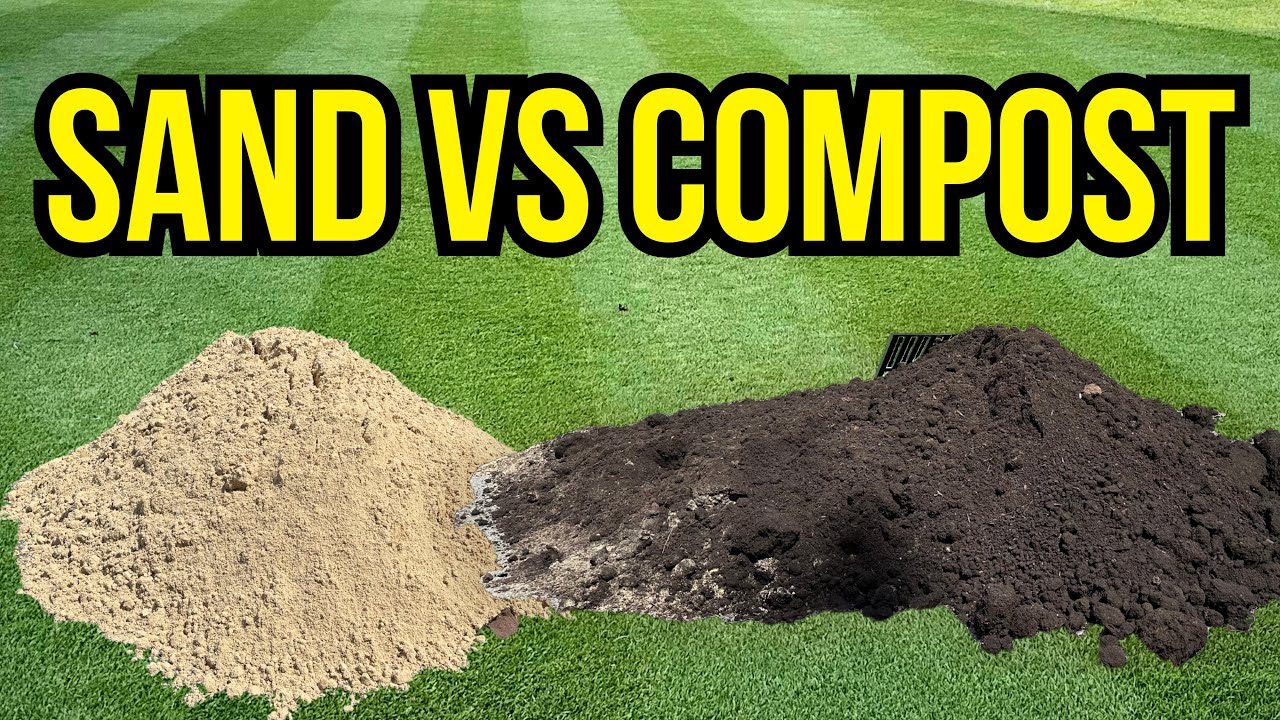
Soil vs compost: Soil is the ground medium; compost is a nutrient-rich amendment made from broken-down organic matter.
I have worked with gardens and farms for over a decade, mixing soils and crafting composts for healthy plants. This guide explains soil vs compost in clear terms, offers practical tips, and helps you decide when to use each. Read on to learn what they are, how they differ, and how to use them for better gardens, lawns, and containers.

What is soil?
Soil is the natural material that covers much of the Earth. It is a mix of minerals, organic matter, water, and air. Soil has layers called horizons. Each layer offers different nutrients and structure for roots and microbes.
Soil supports plants in three key ways. It holds water and provides oxygen to roots. It supplies minerals and hosts soil life like fungi, bacteria, and insects. Good soil has balanced texture, nutrients, and biology. The phrase soil vs compost matters because compost changes soil for the better.

What is compost?
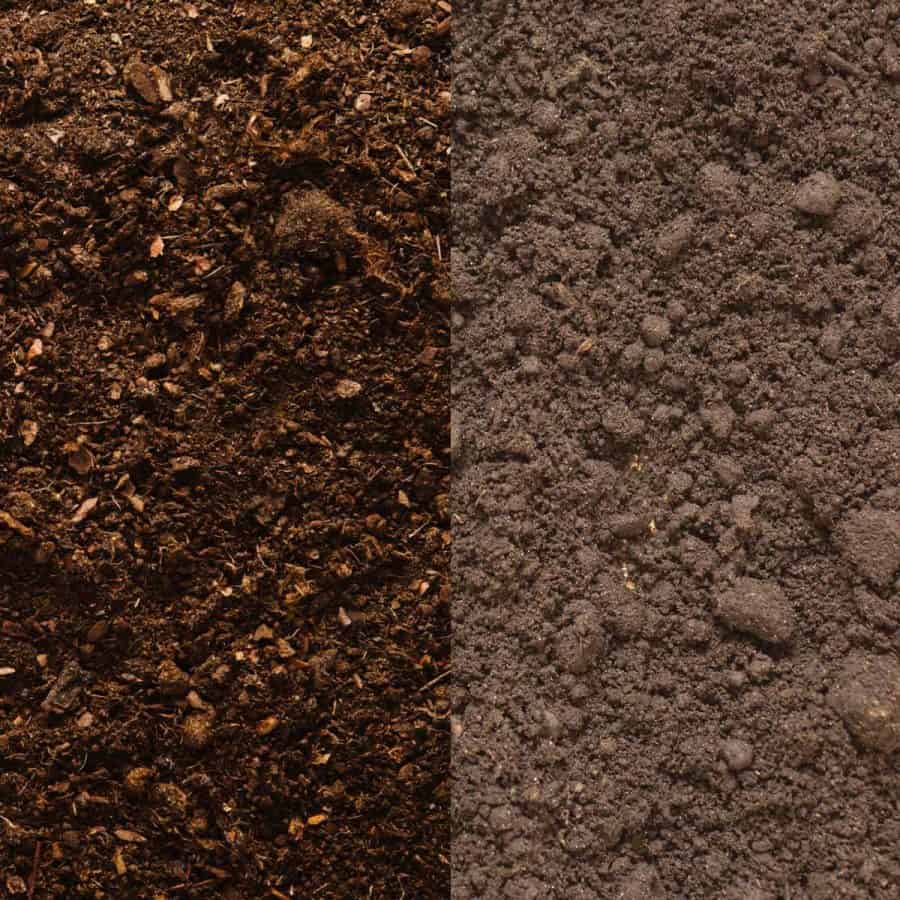
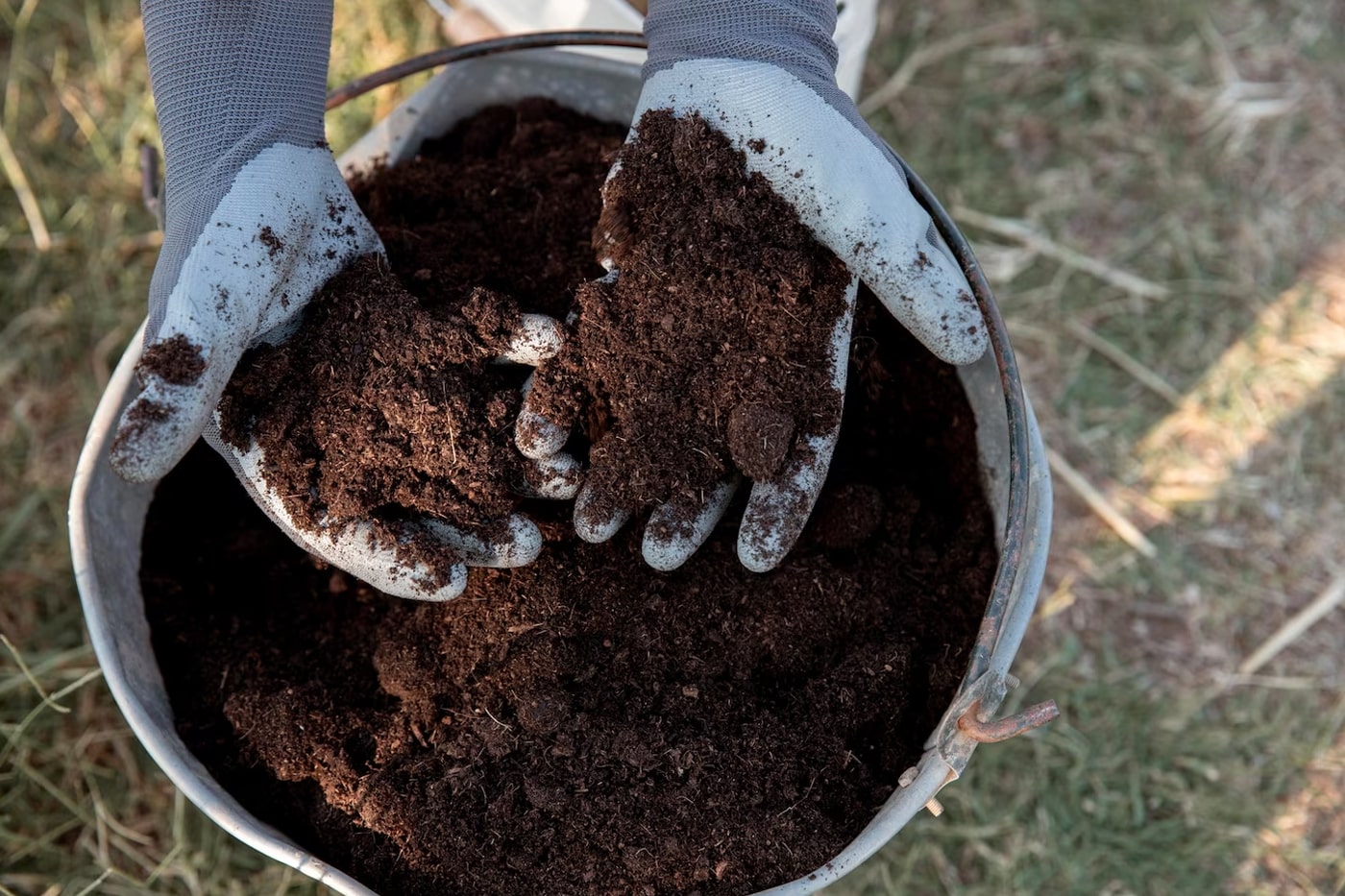
Compost is decomposed organic matter made by microbes. You can make it from food scraps, yard waste, leaves, and manure. Proper compost is dark, crumbly, and smells earthy. It is full of humus and living microbes that feed plants and improve soil health.
Compost is an amendment, not a replacement for soil. It adds nutrients, organic matter, and microbes. It improves water retention, drainage, and structure. Compost helps soils that are poor, compacted, or low in biological life.
 compost”
style=”max-width: 100%; height: auto; border: 2px solid black; border-radius: 10px; display: block; margin: 0 auto;”
loading=”lazy”
/>
Key differences: soil vs compost
Composition
– Soil contains minerals, native organic matter, and living organisms.
– Compost is mostly organic matter that has decomposed into humus.
Function
- Soil is the base where plants anchor and draw minerals.
- Compost improves soil by adding nutrients, microbes, and organic matter.
Physical traits
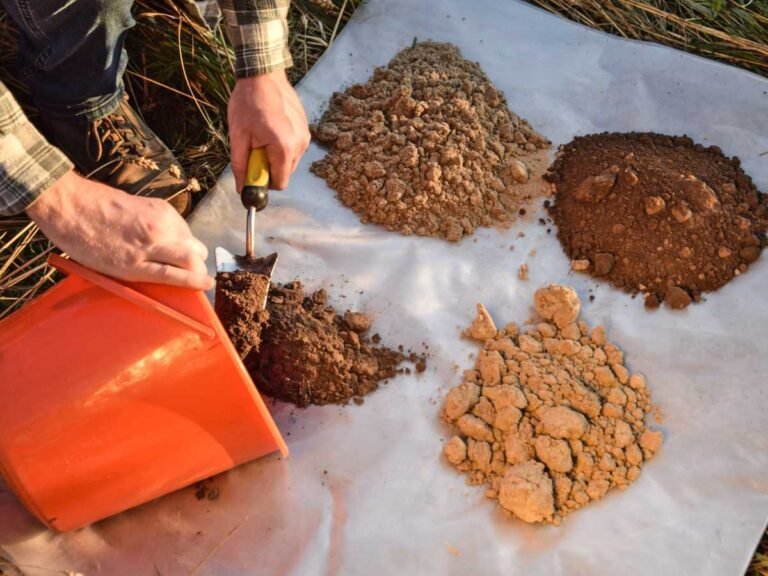
- Soil texture ranges from sand to clay and affects drainage.
- Compost is loose, light, and holds water well while allowing air.
Nutrient dynamics
- Soil can have minerals like potassium, calcium, and phosphorus in mineral form.
- Compost releases nutrients slowly and feeds soil microbes that make nutrients available.
Longevity and use
- Soil is long-term and forms over centuries.
- Compost is applied seasonally and must be replenished.
Why compare soil vs compost? Because knowing the difference helps you make better choices for planting, potting, and fixing problems like compaction or poor fertility.
PAA-style question: How does compost change soil structure?
- Compost adds organic matter that binds small soil particles into crumbs. This improves pore space for roots, water, and air.
PAA-style question: Can compost replace soil in pots?
- Compost alone is too fine and rich for long-term plant growth. It works best mixed with soil or a potting mix to balance drainage and nutrients.
Benefits and limitations of soil and compost
Benefits of soil
- Stable foundation for large plants and trees.
- Contains native minerals and large volume for roots.
- Habitat for long-term soil ecology.
Limitations of soil
- May be low in organic matter.
- Can be compacted or poorly drained.
- Mineral availability can be limited in some soils.
Benefits of compost
- Boosts fertility and feeds soil life.
- Improves water retention in sandy soils.
- Helps break up clay and improve structure.
Limitations of compost
- Nutrient content varies by source and batch.
- Too much compost can hold excess moisture or burn seedlings.
- Compost does not replace minerals that come from native soils or rocks.
Understanding soil vs compost helps you use each where it shines. For example, add compost to new beds but avoid potting mixes with too much compost for seeds.
When to use soil vs compost
Use soil when:
- Planting large trees or shrubs that need a stable base.
- Restoring topsoil on slopes or large beds.
- Filling a garden bed that already has good organic content.
Use compost when:
- You need to add organic matter to poor or sandy soils.
- Starting a new bed to jump-start soil biology.
- Making potting mix blends for containers.
Practical mix guidelines
- Vegetable beds: mix 20–30% compost into top 6–12 inches of soil.
- Container mixes: use 10–30% compost with potting soil for good drainage.
- Lawns: apply compost as a thin top-dress (1/4–1/2 inch) to improve structure.
A balanced view of soil vs compost shows that they work best together. Compost improves soil. Soil gives roots space and minerals.
How to make and test compost and soil amendments
Simple backyard compost
- Layer green materials like kitchen scraps and grass clippings.
- Add brown materials like leaves, straw, and cardboard.
- Keep it moist and turn it every 1–2 weeks to add air.
- Finish in 2–6 months depending on heat and care.
Quick testing tips
- Smell test: good compost smells earthy; bad compost smells rotten.
- Texture test: finished compost is crumbly and dark.
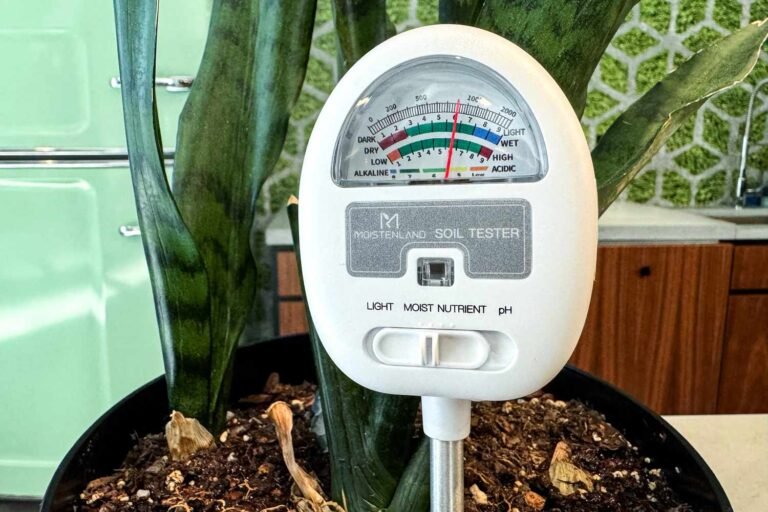
- pH and nutrient tests: use a home kit or send samples to a lab for accuracy.
How I test soil and compost
- I use a probe to check soil texture and compaction.
- I run quick pH checks and use a basic N-P-K test for garden beds.
- For new projects, I send a soil sample to a lab for detailed analysis.
These steps help you avoid common mistakes like adding raw manure to young plants or using unbalanced compost mixes.
My experience and practical tips
I have mixed soils and compost for raised beds, cut flower plots, and fruit trees. One lesson I learned: small percentages of high-quality compost beat a heavy dose of low-quality compost. I once added too much fresh compost to seedlings and saw poor germination. After that I let compost age more and mixed it at lower rates.
Quick tips from my work
- Start with a soil test before adding compost.
- Compost well before using it on seeds or sensitive plants.
- Use compost tea or extract for a quick microbial boost.
- Keep a compost log: note materials, ratios, and cure time.
Be patient. Soil health builds slowly. Use compost as a tool to speed that process. Your garden will thank you.

Frequently Asked Questions of soil vs compost
What is the main difference between soil and compost?
Soil is the natural medium made of minerals and organic matter. Compost is decomposed organic matter used to amend soil.
Can I grow plants in compost only?
Growing in pure compost is not ideal. Compost alone can hold too much moisture and lack proper structure for roots. Mix compost with soil or a potting mix for best results.
How much compost should I add to my garden soil?
A common recommendation is 20–30% compost mixed into the top 6–12 inches of soil. For top-dressing, use 1/4 to 1/2 inch spread.
Is compost the same as topsoil?
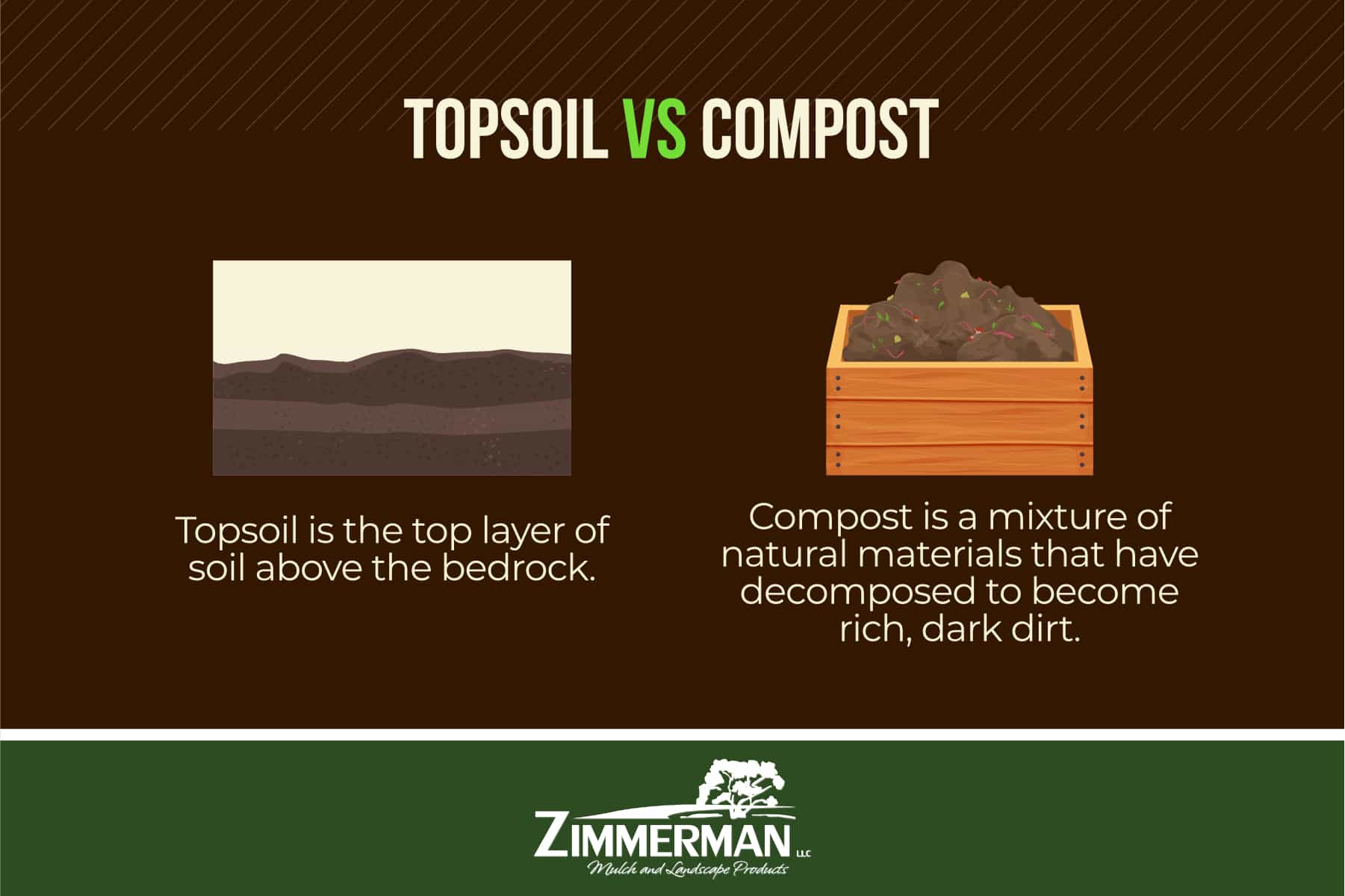
No. Topsoil is the upper soil layer rich in minerals and native organic matter. Compost is manufactured organic material added to soils to improve them.
How do I know if my compost is finished?
Finished compost is dark, crumbly, and smells earthy. It no longer heats up in the pile and has uniform texture.
Will compost fix sandy soil?
Yes. Compost increases water and nutrient retention in sandy soil and helps bind particles for better structure.
Can compost replace fertilizer?
Compost provides slow-release nutrients and improves biology, but it may not supply high levels of specific nutrients that crops need. Use compost with targeted fertilizers when needed.
Conclusion
Soil and compost are partners, not rivals. Soil gives plants a home and holds minerals. Compost feeds the soil and boosts biology. Use compost to fix problems, enrich beds, and support healthy growth. Test your soil, add compost wisely, and watch plants thrive. Try a small compost amendment this season and note the change. If you found this helpful, subscribe for more tips, or leave a comment with your soil vs compost questions.