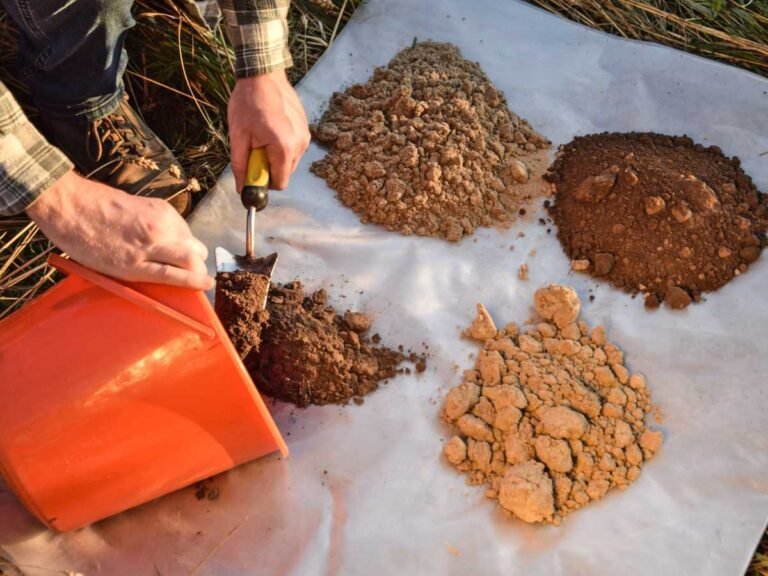
Garden pest control keeps plants healthy by preventing, monitoring, and managing harmful insects and organisms.
I have worked with home gardens and community plots for over a decade, helping plants thrive while reducing harm from insects, diseases, and critters. This guide on garden pest control explains what pests do, why they appear, and how to prevent or remove them using smart, safe methods. You will find clear steps, proven tactics, and real-world tips you can use right away to protect vegetables, flowers, and shrubs.
Understanding garden pest control
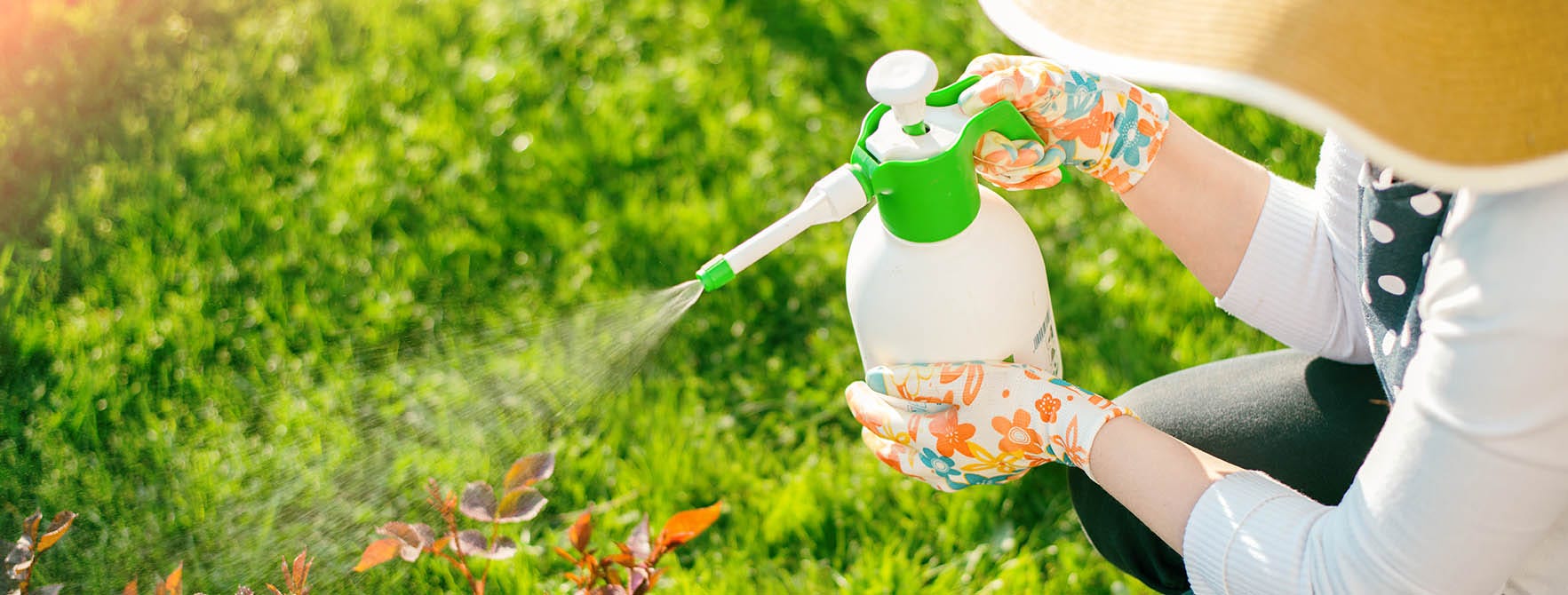
Garden pest control means using methods to stop animals, insects, and microbes from harming plants. It covers prevention, monitoring, and treatment steps. The goal is healthy plants with minimal harm to people, pets, and the environment.
Key concepts include:
- Integrated pest management as a layered plan.
- Preventive cultural practices like crop rotation and good soil.
- Biological, mechanical, and chemical options used only when needed.
I rely on simple controls first. That lowers risk and saves money. A good plan makes your garden resilient to pests and disease.
Common garden pests and the damage they cause
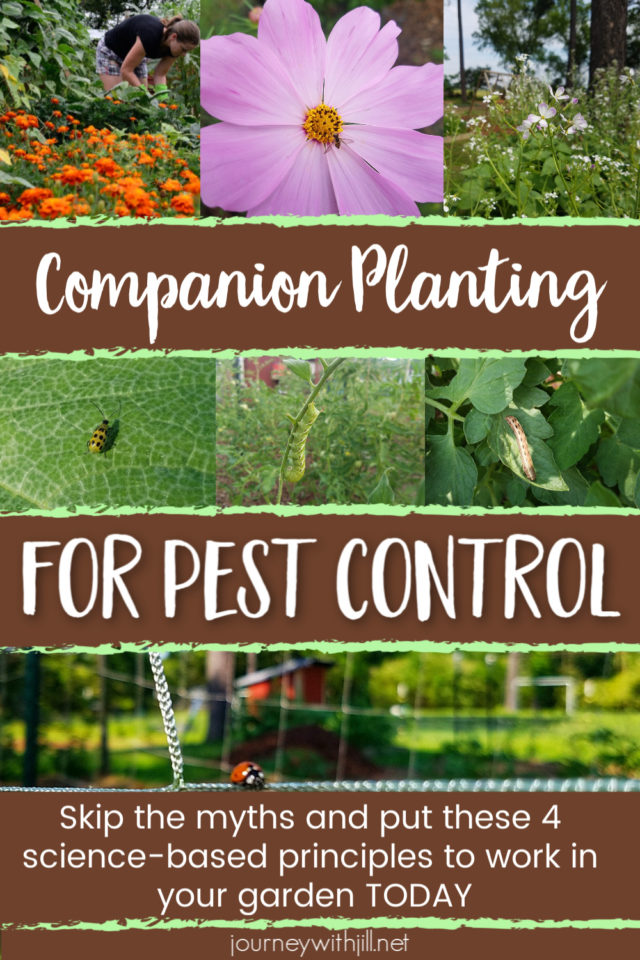
Knowing common enemies helps you act fast. Typical pests include:
- Aphids that suck sap and spread viruses.
- Slugs and snails that chew leaves and stems.
- Caterpillars and loopers that strip foliage.
- Whiteflies and scale that weaken plants slowly.
- Beetles and weevils that bore into fruit or roots.
- Rodents and deer that eat seedlings and mature crops.
Signs to watch for:
- Irregular holes or chewed leaves.
- Sticky residue or mold from insect secretions.
- Stunted growth or yellowing leaves.
- Holes in fruit or wilting stems.
Early detection makes garden pest control easier and less costly.
Why pests appear: causes and risk factors
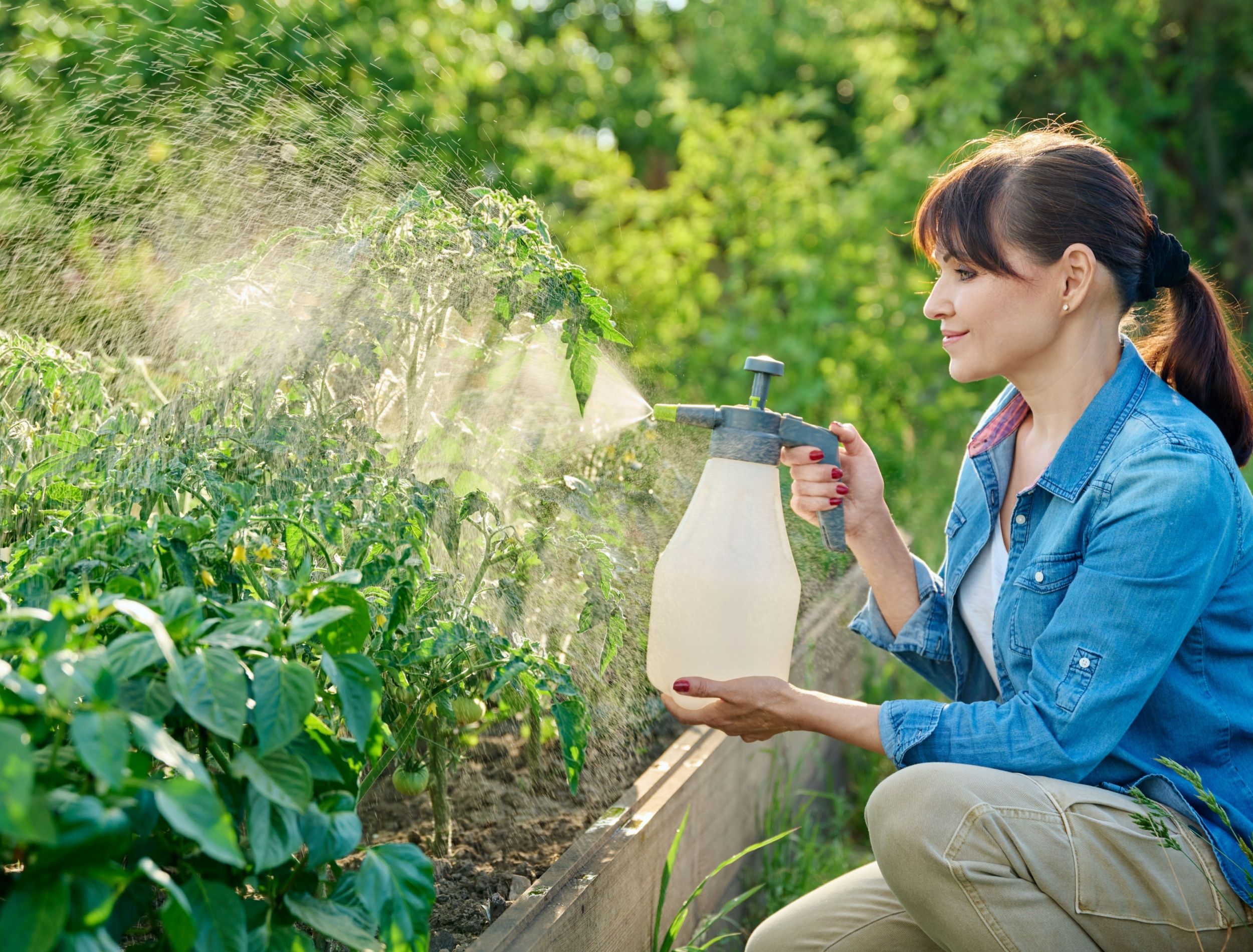
Pests come when conditions favor them. Common causes:
- Overcrowded plants that trap humidity.
- Poor soil health that weakens plant defenses.
- Monocultures that attract specific pests.
- Lack of natural predators like ladybugs or birds.
- Nearby weeds or compost that harbor eggs or larvae.
Simple fixes reduce pest pressure. Improve soil, increase plant diversity, and avoid overwatering to make your garden less inviting to pests.
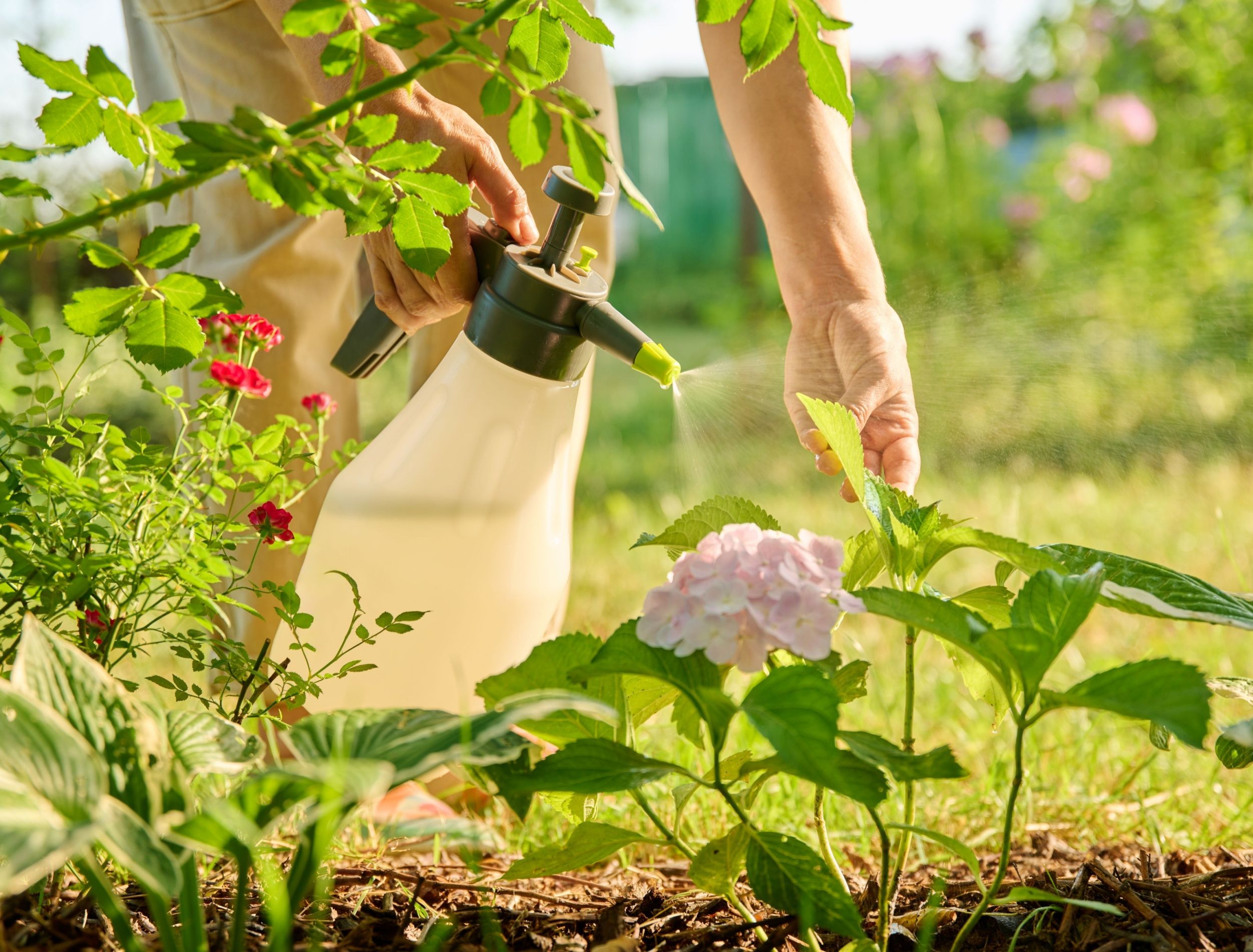
Prevention strategies (first line of defense)
Prevention is cheaper than treatment. Key prevention steps for garden pest control:
- Choose resistant varieties when possible.
- Rotate crops each season to break pest life cycles.
- Space plants for air flow to reduce disease.
- Mulch to suppress weeds and conserve moisture.
- Keep the garden clean of debris and damaged plants.
- Attract beneficial insects with flowering plants and habitat.
Use these steps every season. They form the foundation of long-term pest suppression.
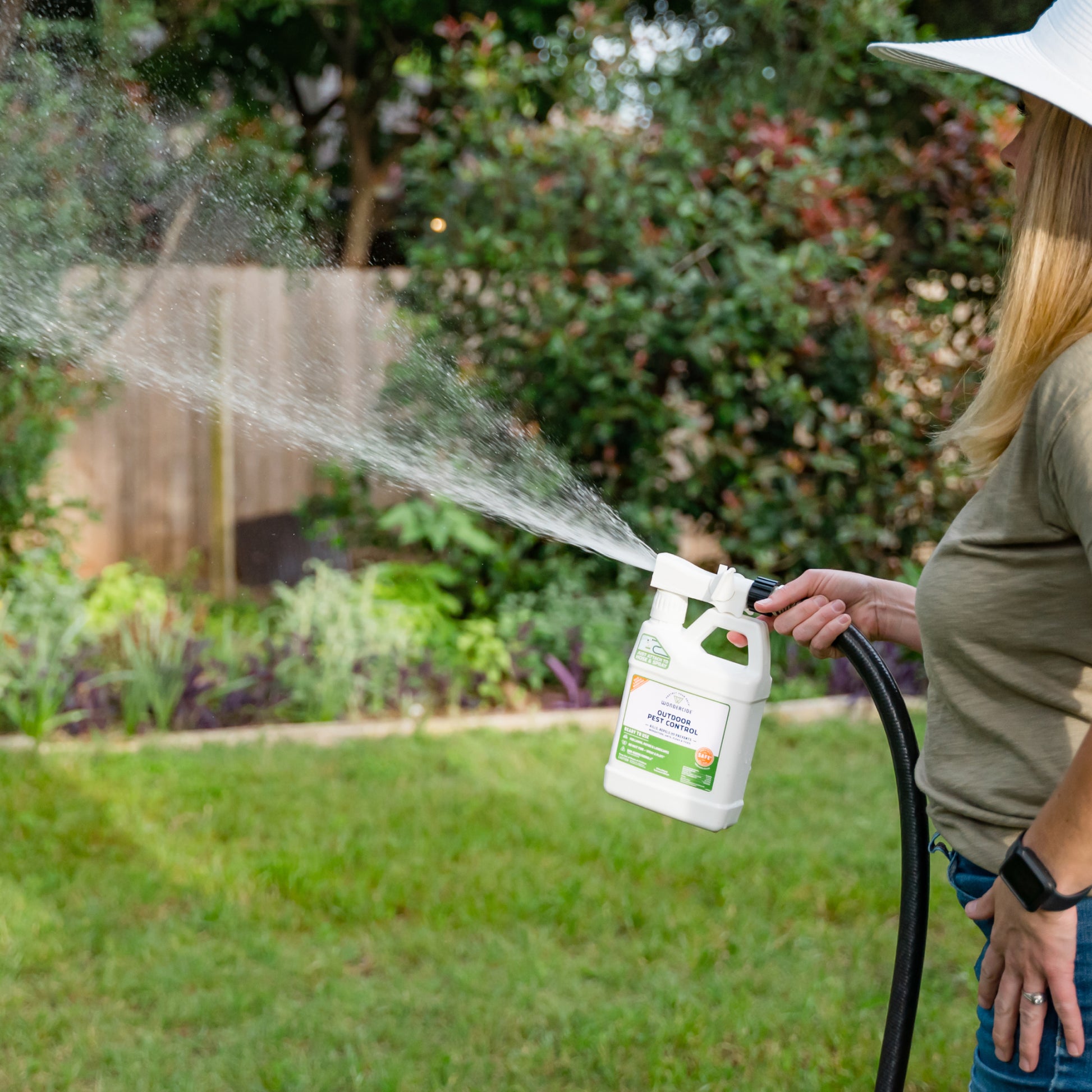
Monitoring, diagnosis, and record keeping
Good garden pest control depends on regular checks. How to monitor:
- Inspect plants weekly for signs of pests or disease.
- Look under leaves and at stem bases.
- Use a magnifier for tiny insects or eggs.
- Keep a simple notebook or photo log of issues and actions.
Diagnosis tips:
- Match damage patterns to likely pests (chewing vs. sucking).
- Note location and plant species to spot trends.
- Use sticky traps to identify flying insects.
Records help you learn what works and when to act.
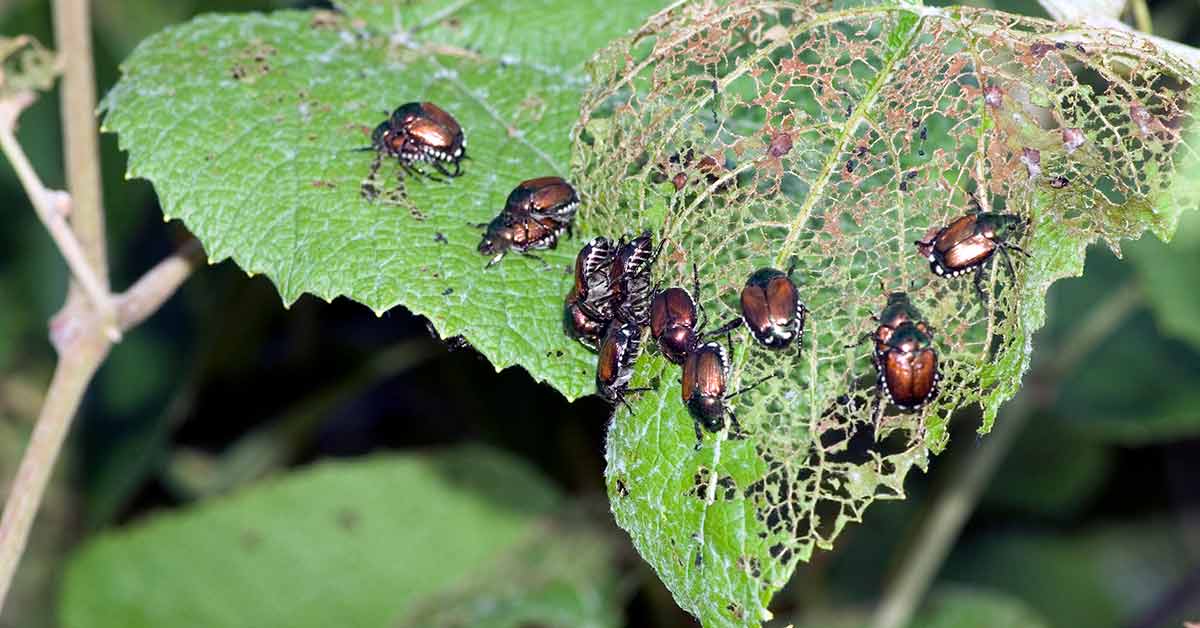
Biological and organic controls
Organic options are gentle and effective when used correctly. Methods include:
- Beneficial insects such as ladybugs, lacewings, and parasitic wasps to eat pests.
- Nematodes that attack soil-borne pests like grubs.
- Row covers to keep insects away from young plants.
- Homemade sprays like insecticidal soap or neem oil for soft-bodied pests.
- Hand-picking and trapping slugs or beetles.
Benefits of these methods:
- Low environmental impact.
- Good for pollinators and soil life.
- Suitable for edible gardens.
Limitations:
- Slower acting than chemicals.
- May require repeated applications.
- Need correct timing and proper coverage.
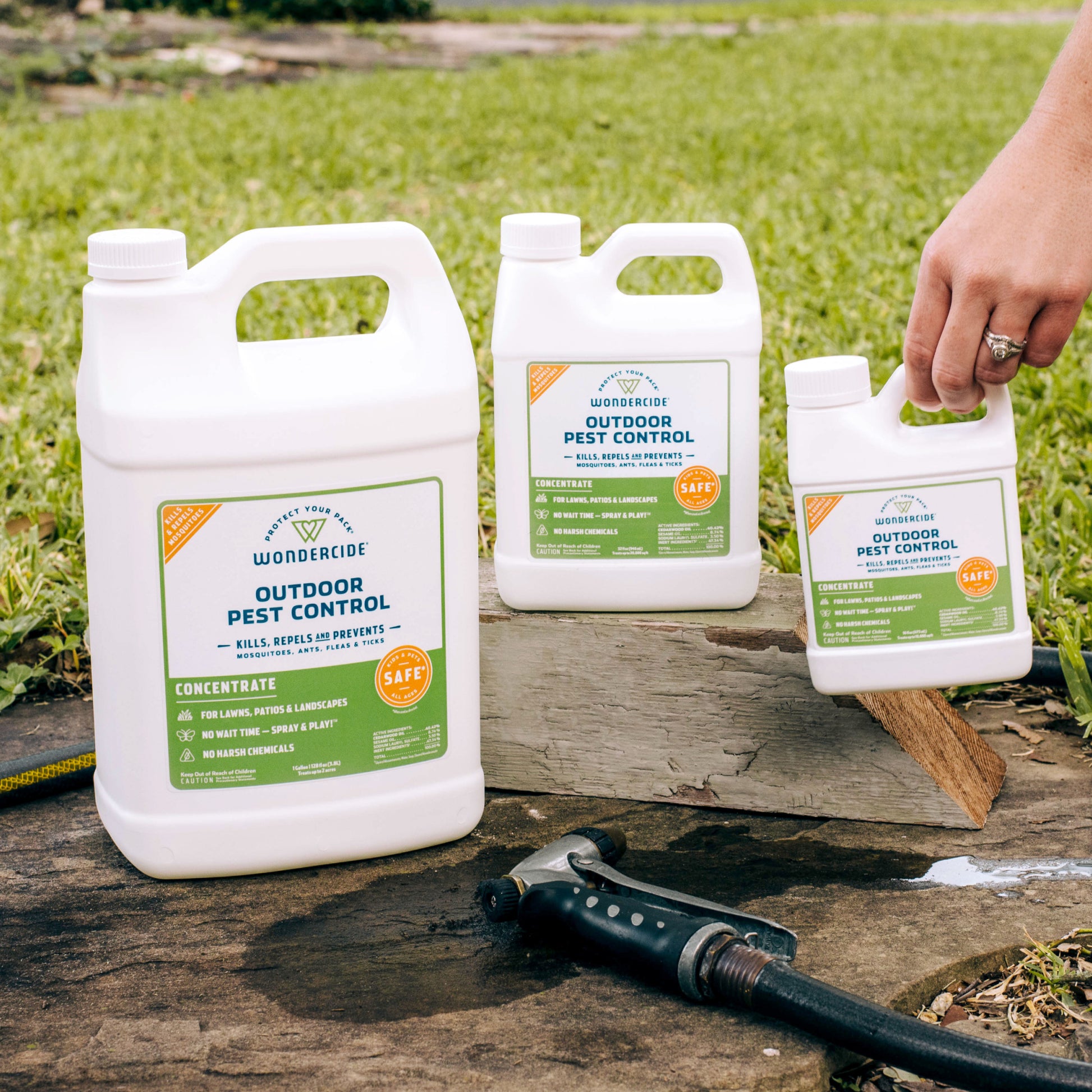
Chemical controls and safe use
Chemical tools can save a failing crop when used wisely. Follow these rules:
- Use chemicals as a last resort and target the specific pest.
- Choose the least toxic option and follow label instructions.
- Apply at the right time of day and weather (avoid wind and rain).
- Protect pollinators by not spraying blooms and by using spot treatments.
- Store and dispose of products safely.
Balance is key. Proper, limited use of chemicals can be part of responsible garden pest control.
Combining strategies: integrated pest management (IPM)
Integrated pest management ties all methods into one plan. IPM steps:
- Prevent with good garden design and plant health.
- Monitor to detect issues early.
- Use biological and mechanical controls first.
- Resort to targeted chemical controls only when necessary.
- Evaluate outcomes and adjust next season.
IPM reduces pesticide use and improves long-term garden health. It is the best framework for sustainable garden pest control.
Personal experience and practical tips
I once faced an aphid outbreak on tomatoes. I removed heavily infested leaves, released predatory insects, and used soap spray twice weekly. Within three weeks, natural predators controlled the population and tomatoes recovered.
Lessons learned:
- Act early; infestations grow fast.
- Try simple fixes first; they often work.
- Keep a small stock of safe treatments for emergencies.
- Learn local pest cycles; timing matters.
Practical tips for everyday gardeners:
- Water at the base to keep leaves dry.
- Harvest promptly to reduce attraction.
- Use companion plants to deter pests, such as marigolds near brassicas.
PAA-style questions (quick answers)
Why are pests attacking my garden now?
Pests appear when plant stress, weather, or food supply makes your garden attractive. Fix plant health and reduce shelter to lower pest pressure.
How soon should I act when I see damage?
Act as soon as you spot unusual damage. Early action limits spread and often avoids stronger measures later.
Can I prevent pests without chemicals?
Yes—good soil, crop rotation, habitat for predators, and physical barriers go a long way toward pest control.
Frequently Asked Questions of garden pest control
What is the easiest way to start controlling pests?
Start with prevention: improve soil, space plants, and inspect weekly. These steps cut most problems before they grow.
Are beneficial insects enough to control pests?
Beneficial insects help a lot, but they work best when combined with good garden habits and monitoring.
When should I use chemical pesticides?
Use chemicals only after other methods fail and when you can target the pest precisely. Follow label directions carefully.
How do I keep slugs and snails away?
Use traps, barriers like diatomaceous earth, and hand-pick at night. Removing hiding spots also helps.
Can I use the same treatment on vegetables and flowers?
Some treatments are safe for both, but always check label instructions before applying to edible plants.
How often should I monitor my garden?
Inspect weekly, and more often during warm, wet periods when pests breed quickly.
Do weeds affect pest problems?
Yes. Weeds can host pests and diseases. Managing weeds reduces risks to crops.
Conclusion
Garden pest control is a blend of prevention, careful monitoring, and targeted action. Use prevention and biological methods first, monitor regularly, and keep chemical use minimal and precise. With steady care, your garden will become more resilient year after year. Try one new prevention step this week, track results, and share your progress with other gardeners—your experience helps everyone. Leave a comment with your pest challenge or subscribe for more practical garden tips.