Slow plant growth usually means issues with light, water, nutrients, temperature, or roots.
I have cared for plants for over a decade, and I regularly help gardeners and new plant parents figure out why plants growing slowly. This guide walks through the causes, simple diagnosis steps, and practical fixes. Read on to learn clear, tested ways to spot problems and help your plants recover quickly.

What slow growth means and how to recognize it
Slow growth is when a plant gains little or no new leaves, height, or root mass over weeks or months. Signs include small leaves, pale color, thin stems, few or no flowers, and roots circling a pot. Understanding why plants growing slowly starts with knowing normal growth rates for the species. Some plants are naturally slow growers. Others become slow because of stress.
- Look for steady versus sudden decline.
- Compare to healthy specimens or seed packet timelines.
- Note environment changes like season, move, or repotting.
Top causes of why plants growing slowly
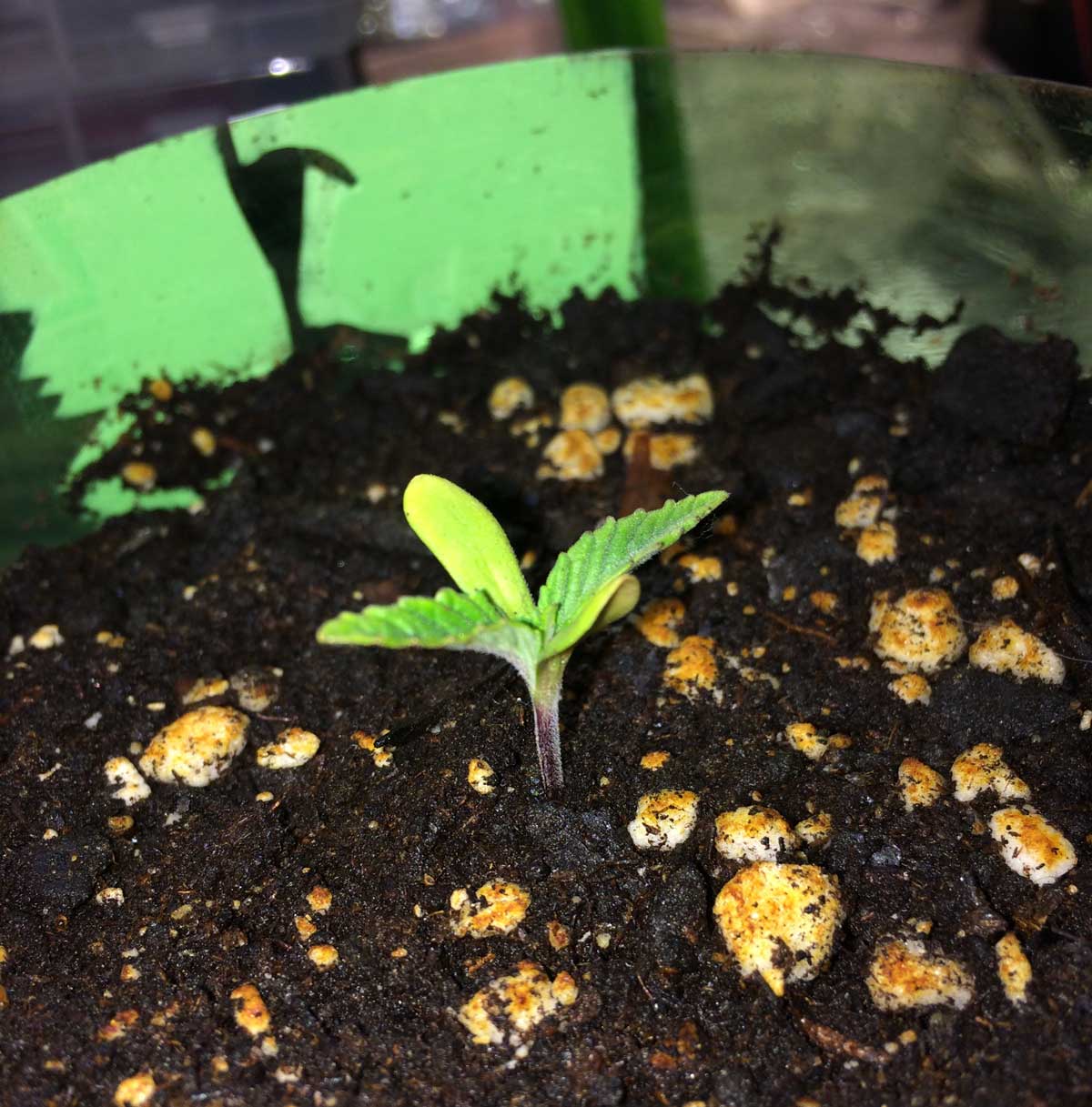
Here are the most common reasons for slow growth. Each cause includes what to look for and why it matters.
-
Light problems
Plants need the right light intensity and duration. Too little light causes leggy growth and pale leaves. Too much direct sun can scorch leaves and stunt growth. -
Watering errors
Both overwatering and underwatering slow growth. Wet, compacted soil suffocates roots. Dry soil cuts off water and nutrient flow. -
Nutrient deficiencies
Lack of nitrogen, phosphorus, potassium, or micronutrients limits leaf and root growth. Deficiencies show as yellowing, purple tinges, or poor flowering. -
Poor soil or drainage
Heavy or depleted soil holds too much water or lacks oxygen. Roots need loose, well-draining soil to grow fast. -
Root-bound pots
Roots that circle the pot can’t expand. This limits nutrient uptake and physical growth. -
Temperature and humidity stress
Temperatures too low or too high slow metabolism. Low humidity can cause leaf drop in tropical houseplants. -
Pests and diseases
Sap-sucking insects, root rot, and fungal diseases weaken plants and divert energy from growth. -
Genetics and age
Some cultivars and older plants naturally slow down. Seeds and cuttings have different early growth rates. -
Light spectrum and season
Low winter light or wrong light spectrum for indoor grow lights can reduce growth.
If you’re asking why plants growing slowly, examining these factors covers most causes.
How to diagnose why plants growing slowly
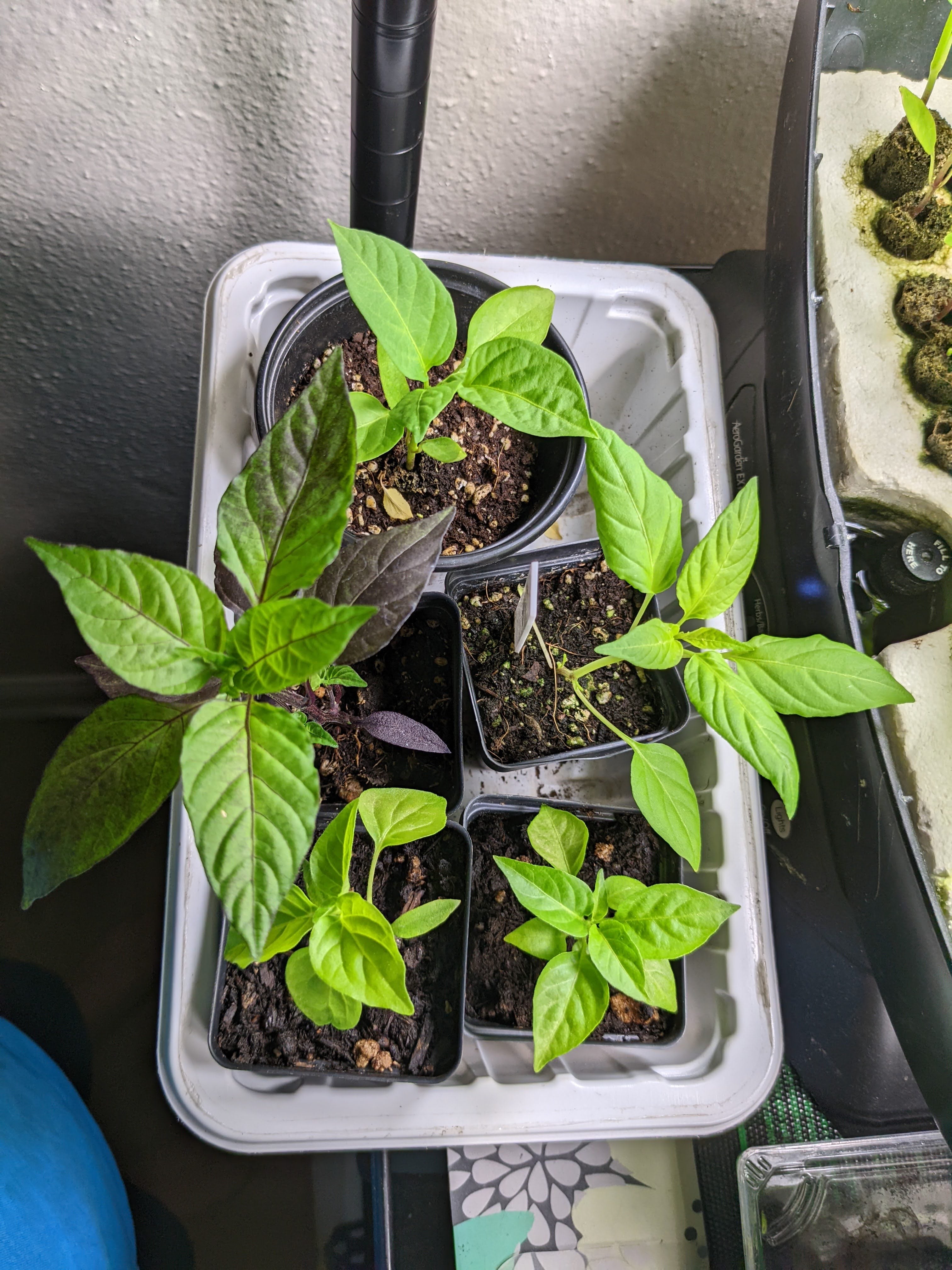
A step-by-step check makes diagnosis fast and reliable.
- Observe the plant for two weeks
Note leaf color, size, new growth, and stem strength. - Check light
Move a plant to a brighter spot for a week to test if growth improves. - Test soil moisture and drainage
Stick a finger 2 inches into soil. If soggy, suspect overwatering. - Inspect roots
Gently lift the plant from its pot to see if roots circle or are mushy. - Do a soil test
A pH and nutrient test will show deficiencies or pH problems. - Look for pests and disease
Check undersides of leaves, stems, and soil surface. - Review care history
Ask when fertilizer, repotting, or moves happened.
I once rescued a ficus that was nearly dormant. A quick root check showed it was root-bound and pot-bound. Repotting and moderate feeding revived it in weeks. Small checks yield big results.
Practical fixes for slow-growing plants
Match the fix to the cause. Use these steps to revive growth.
- Improve light
Move indoor plants closer to a bright window or use full-spectrum grow lights for 12–16 hours if needed. - Adjust watering
Water deeply then allow topsoil to dry slightly. Use pots with drainage holes and avoid saucers that trap water. - Feed appropriately
Use a balanced fertilizer at half strength for indoor plants during the growing season. For vegetables use higher phosphorus for root and bloom. - Repot or loosen roots
Choose a pot 1–2 sizes larger. Untangle circling roots gently and prune damaged roots. - Refresh soil
Mix compost or perlite to improve drainage and nutrients. - Control pests and disease
Use targeted treatments: neem oil, insecticidal soap, or fungicides as appropriate. Quarantine infected plants. - Adjust temperature and humidity
Keep tropical plants warm and use trays or humidifiers to raise humidity. Avoid cold drafts. - Correct pH
If soil pH is off, add lime to raise pH or sulfur to lower it, based on test results.
Practical tip from experience: make one change at a time. This helps you know which fix worked. Rapid changes can stress a plant more.

Common examples: how this looks for different plants
Plants respond differently. Here are quick examples.
- Houseplants
Slow growth often stems from low indoor light, overwatering, or being root-bound. Move philodendrons to bright indirect light and repot when roots show. - Vegetables
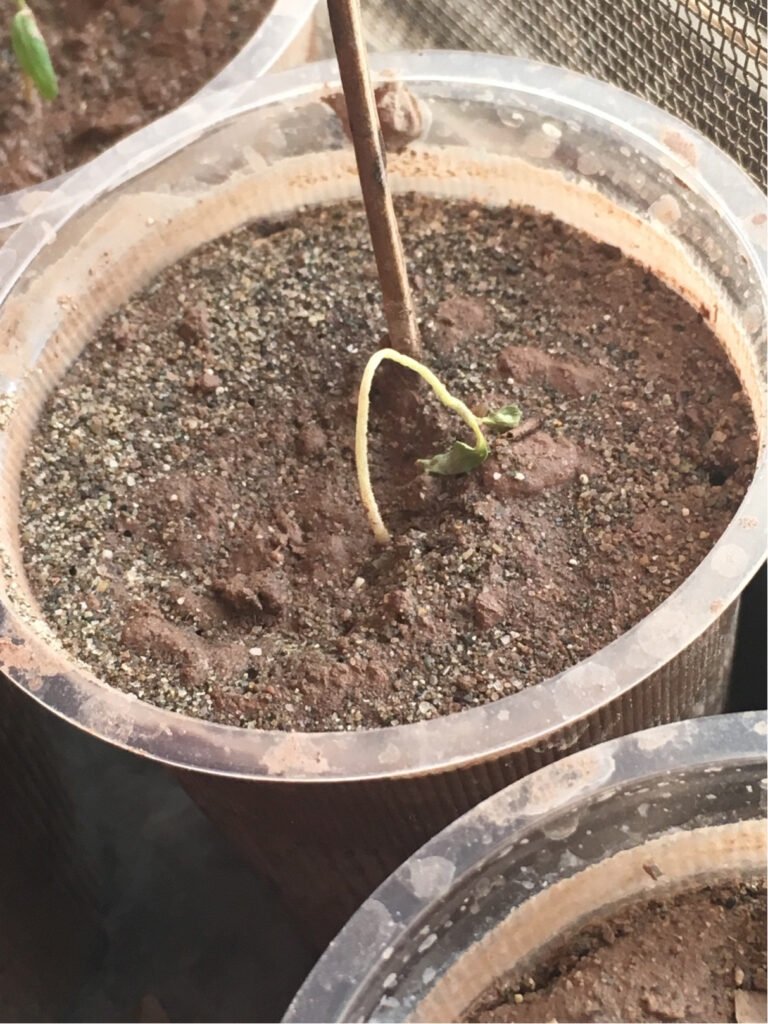
Leggy seedlings signal low light. Slow fruit set may point to nutrient shortage or poor pollination. - Succulents
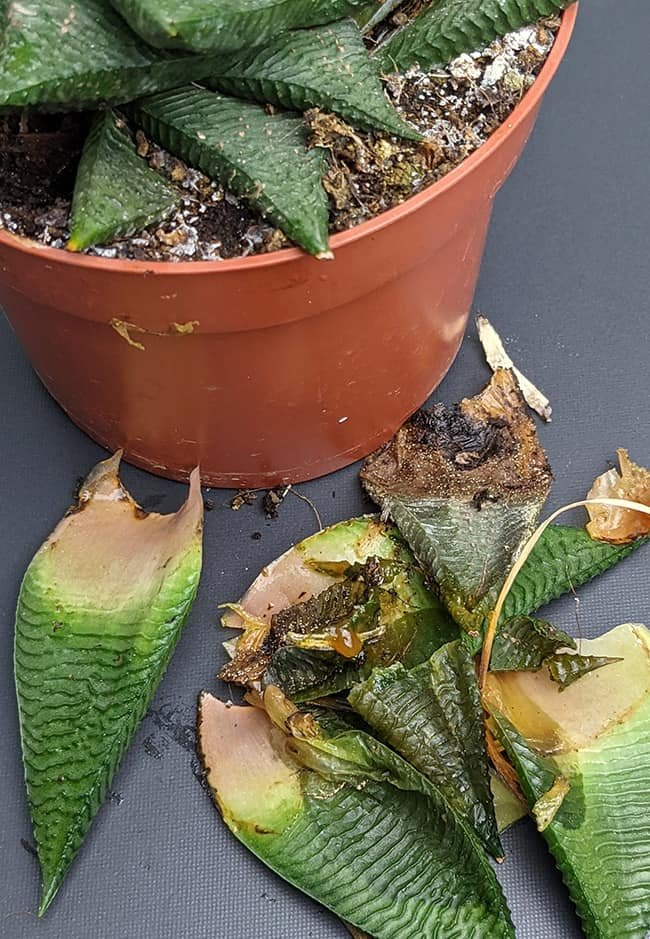
Slow growth can be normal, but mushy bases mean overwatering. Use gritty soil and full sun. - Trees and shrubs
Stunted growth in trees may indicate compacted soil or poor root health from construction damage or heavy pruning.
If you wonder why plants growing slowly in your garden, compare the symptoms above to your plant type.

Quick PAA-style questions
Why are houseplants growing slowly indoors?
Most houseplants slow down from low light, overwatering, or small pots. Improve light and check roots first.
How long before I see improvement after fixing problems?
You can see new leaves in 2–6 weeks, but full recovery may take a season. Root recovery often takes longer than visible top growth.
Can wrong fertilizer make plants grow slowly?
Yes. Overwatering or excess fertilizer can burn roots and stunt growth. Use balanced formulas and follow dose instructions.

Frequently Asked Questions of why plants growing slowly
What is the fastest way to boost plant growth?
Provide correct light, consistent watering, and a light feeding during the growing season. Repot if roots are crowded.
How do I know if my plant is root-bound?
Roots will circle the pot or push soil out. The plant may dry out quickly after watering.
Can cold weather cause slow growth?
Yes. Low soil or air temperatures slow metabolic processes and will reduce growth until it warms.
Should I prune slow-growing plants?
Light pruning can encourage new growth. Avoid heavy pruning on weak plants until they recover.
Is lack of nitrogen always the cause of pale leaves?
Not always. Pale leaves can also come from pH imbalance, poor drainage, or pests. Test before treating.
Conclusion
Slow growth tells you a plant is stressed or missing something simple. Check light, water, soil, roots, and pests first. Make one change at a time and track results. With steady care, most plants respond in weeks.
Try a small experiment this week: adjust one factor for a slow plant and watch for change. Share your results, ask questions, or subscribe for more plant care guides.