Water plants deeply and less often to build strong roots and avoid stress.
I have spent years caring for houseplants and gardens, learning the small actions that make the biggest difference. This guide explains watering plants correctly with clear steps, simple rules, and real-life tips so you can stop guessing and help your plants thrive.

Why watering plants correctly matters
Water is the foundation of plant life. Watering plants correctly keeps roots healthy, helps nutrient uptake, and reduces disease. Poor watering weakens plants and wastes water, so learning the right method pays off fast.
Basic principles of watering plants correctly
Follow these core rules to water well every time. Water deeply so moisture reaches the root zone. Water less often to encourage roots to grow downward and become resilient. Check soil rather than a schedule; soil moisture guides action better than calendar dates.
:max_bytes(150000):strip_icc()/touchingplantleaveswhilewatering-6350438e816a421fb34f27d930d9e17a.jpg)
Signs of overwatering and underwatering
Watch plants closely for clear signals. Overwatered plants often show yellow leaves, soft stems, and moldy soil. Underwatered plants get dry, crispy leaves and slow growth. Learn to read these signs to correct your approach quickly.
How to water: step-by-step for success
Use a simple routine that you can repeat.
- Check soil moisture by sticking your finger 1–2 inches into the soil. If it feels dry, water.
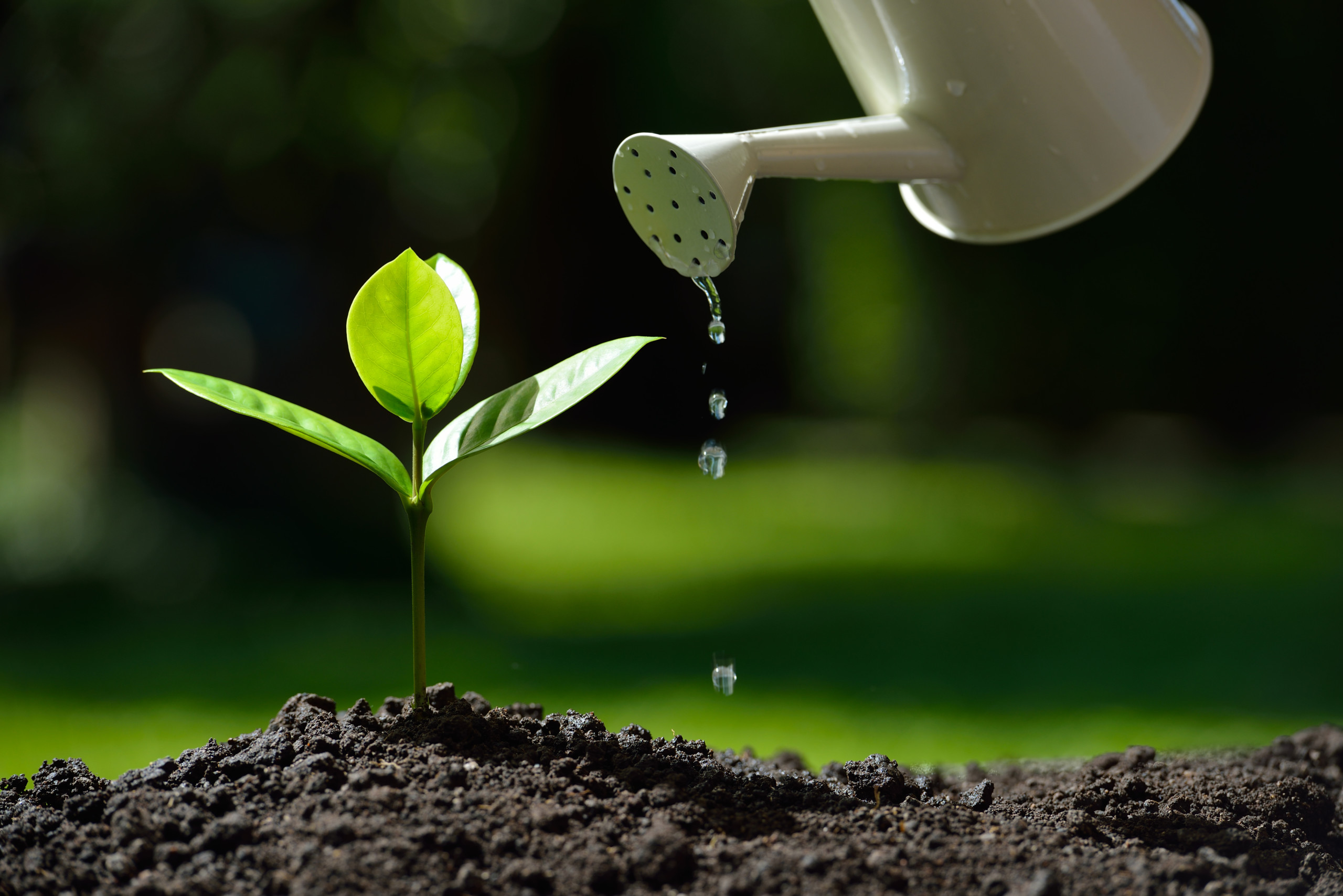
- Water slowly and evenly until water drains from the pot bottom or soaks 6–12 inches deep in garden beds.
- Allow soil to partially dry before the next watering to avoid root rot.
This method helps you water plants correctly every time.
Source: plantsolutions.com
Tools and techniques that help
Good tools make the job easier and more accurate.
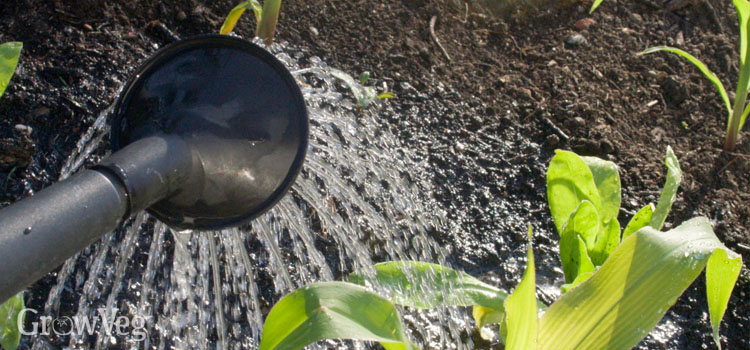
- Use a watering can with a narrow spout for potted plants to direct flow.
- A soaker hose or drip system is great for garden beds to deliver steady moisture.
- A moisture meter can confirm what your fingers tell you for a second opinion.
These tools cut waste and improve results when watering plants correctly.
Source: growveg.com
Watering by plant type and season
Different plants and seasons need different care.
- Succulents and cacti like infrequent deep water and lots of drying time.
- Tropical houseplants prefer steady, moderate moisture.
- Outdoor plants need more water in hot, dry months and less in cool, wet months.
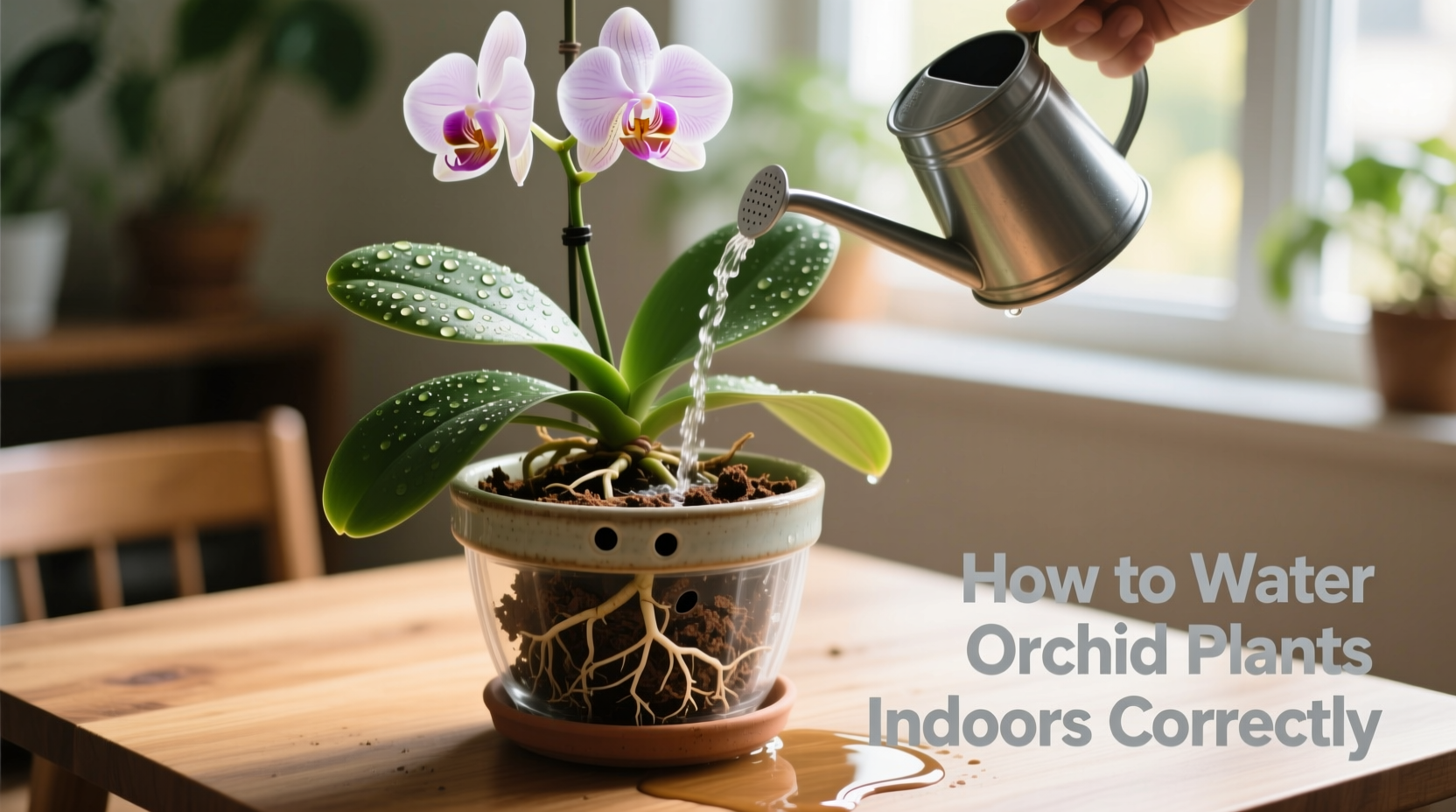
Adjusting for plant type and season is a key part of watering plants correctly.
Source: alibaba.com
Soil, potting mix, and drainage: what to know
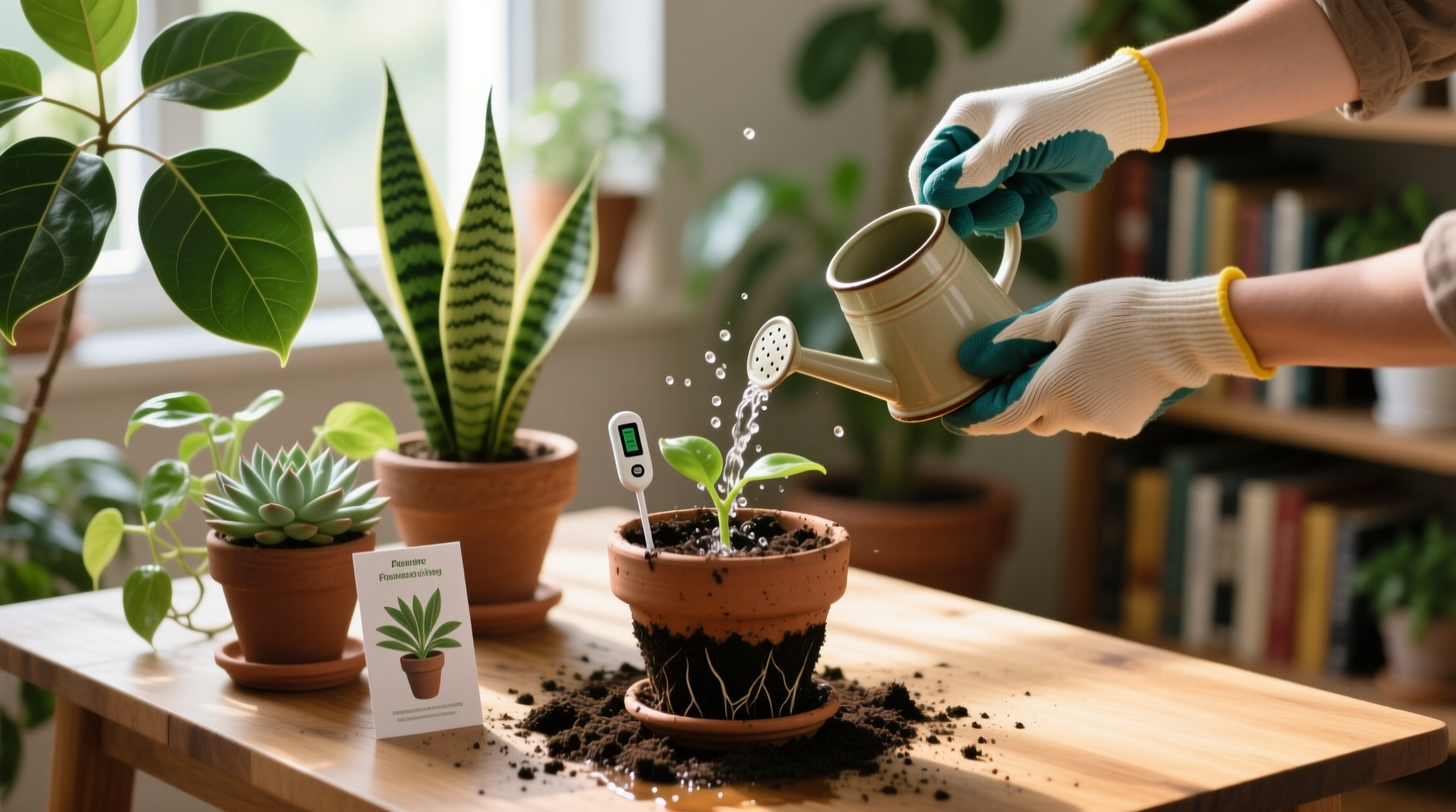
Good soil and drainage change everything. Soil that holds water but drains well prevents both drought and rot. Use mixes sized for your plant: chunky mixes for succulents, peat or coco blends for moisture lovers. Ensure pots have drainage holes and use saucers or trays to protect surfaces. Proper media and drainage make watering plants correctly easier.

Common mistakes and quick fixes
Learn from simple mistakes to save your plants.
- Mistake: Watering by schedule alone. Fix: Check soil and adjust to conditions.
- Mistake: Wet leaves at night causing rot. Fix: Water at morning and aim for the soil.
- Mistake: Using heavy clay pots without drainage. Fix: Add drainage or repot to a porous mix.
Avoiding these traps helps you water plants correctly and keep plants healthy.
Source: alibaba.com
Personal experience and lessons learned
I once killed a fiddle-leaf fig by watering to a strict weekly schedule. After switching to soil checks and deeper waterings, the tree recovered in months. I also learned that small changes, like moving plants away from drafts or using a moisture meter, cut my watering mistakes in half. These real examples show why practical tests beat rules-of-thumb when watering plants correctly.
Quick PAA-style questions
What is the best time to water plants?
Water in the morning so leaves dry by evening and roots use moisture during the day. This reduces disease risk and improves growth.
How often should I water houseplants?
Check soil moisture; many houseplants need water every 7–14 days, but timing varies by pot, plant, and season.
Can I use tap water for plants?
Tap water generally works, but let it sit for a few hours if very cold or if your water is heavily chlorinated. Some sensitive plants prefer filtered or rainwater.
Frequently Asked Questions of watering plants correctly
What does "deep watering" mean?
Deep watering means soaking the root zone so water reaches the lower roots. It promotes strong, deep root growth and reduces surface dryness.
How do I tell if a plant needs water?
Stick your finger 1–2 inches into the soil; if it feels dry, water. Also watch for drooping or dull leaves as a secondary sign.
Is it bad to water plants every day?
Daily watering often causes shallow roots and rot. Most plants do better with deep, less frequent watering unless they are seedlings or very thirsty species.
Should I water plants in their pots from the top or bottom?
Top watering ensures even wetting of the soil. Bottom watering can help for sensitive plants that dislike wet leaves, but ensure the whole root ball eventually becomes moist.
Can overwatering be reversed?
Yes, by stopping water, improving drainage, repotting if needed, and letting soil dry. Trim rotten roots and give the plant bright, indirect light while it recovers.
How much water does an indoor plant need?
Amounts vary by pot size and plant needs. Water until you see light drainage from the pot or the soil is moist 1–2 inches down; avoid flooding the root crown.
Does mulch help with watering?
Yes, mulch reduces evaporation and keeps soil moist longer. Use organic mulch around outdoor plants and a thin top layer for large container plants.
Conclusion
Mastering watering plants correctly is simple once you learn the signs, use the right tools, and practice consistent checks. Start by checking soil, watering deeply, and adjusting for plant type and season. Try one change this week—check soils before watering—and watch how your plants respond. Share your results, ask questions, or subscribe for more practical plant care tips.