Indoor plant lighting boosts growth when you match spectrum, intensity, and duration to plants.
I have spent years testing lights and growing houseplants under many setups. This guide explains indoor plant lighting clearly. You will learn how light works, what terms matter, which lights to pick, and how to set them up. I mix research with real tests and simple tips you can use today.
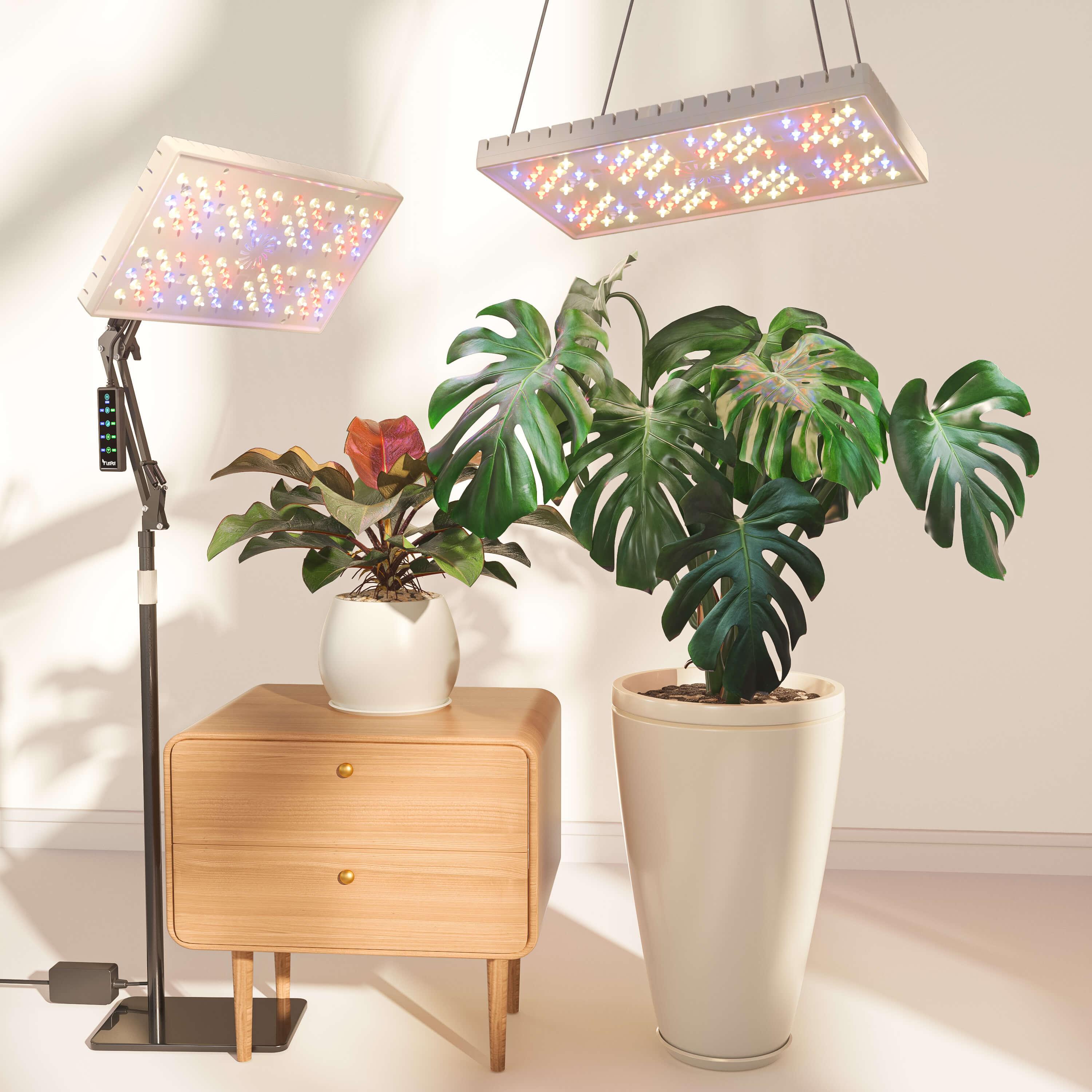
How plants use light
Plants use light to make food. This process is called photosynthesis. Chlorophyll soaks up mainly blue and red light. Plants respond to the amount, quality, and timing of light.
Key measures for indoor plant lighting include PAR, PPFD, and DLI. PAR is the light plants can use. PPFD measures light hitting a surface per second. DLI adds up light over a full day. These numbers tell you what your plants need.

Key terms: spectrum, intensity, duration
Spectrum
- Blue light encourages leaves and compact growth.
- Red light helps flower and fruit.
- Full spectrum lights mimic sunlight for all stages.
Intensity
- Measured as PPFD (µmol/m²/s).
- Low-light plants need less PPFD than high-light crops.
Duration
- Also called photoperiod.
- Many houseplants thrive on 10–14 hours of light per day.
- Flowering plants may need different day lengths.
Understanding these terms makes indoor plant lighting work well for many species.
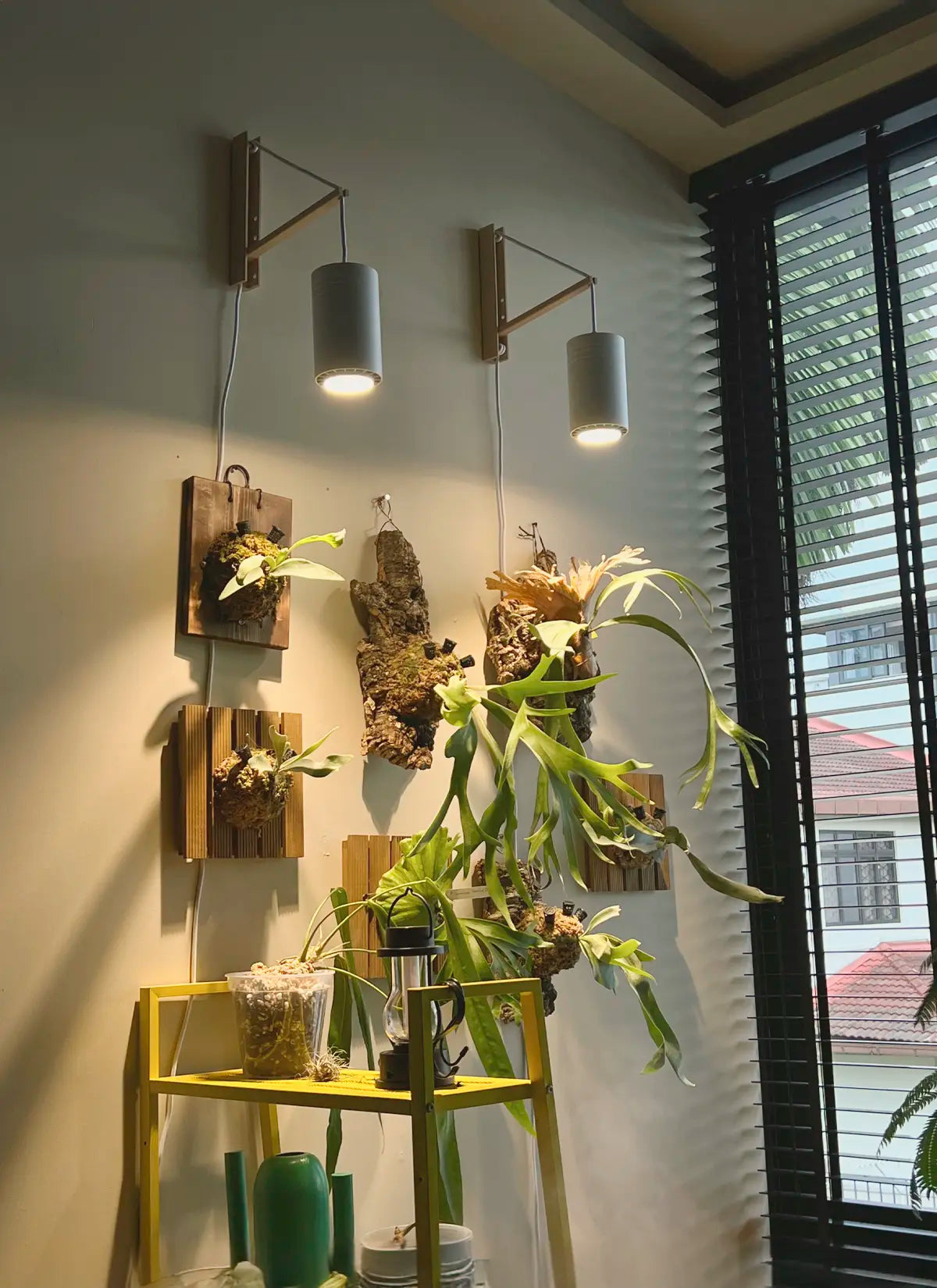
Types of grow lights and how they compare
LED lights
- Very efficient and long lasting.
- Produce little heat and can give full spectrum light.
- Best pick for most indoor plant lighting needs.
Fluorescent (CFL and T5)
- Cheap up front and good for seedlings and low-light plants.
- Less efficient than LEDs. Heat is moderate.
HID (HPS and MH)
- Very powerful. Used in large setups.
- Produce lots of heat and use more power.
- Often not ideal for small home use.
Incandescent
- Not recommended for indoor plant lighting.
- Most energy becomes heat, not usable light.
Each light type fits different goals. For most home growers, LEDs give the best balance of cost, heat, and control.
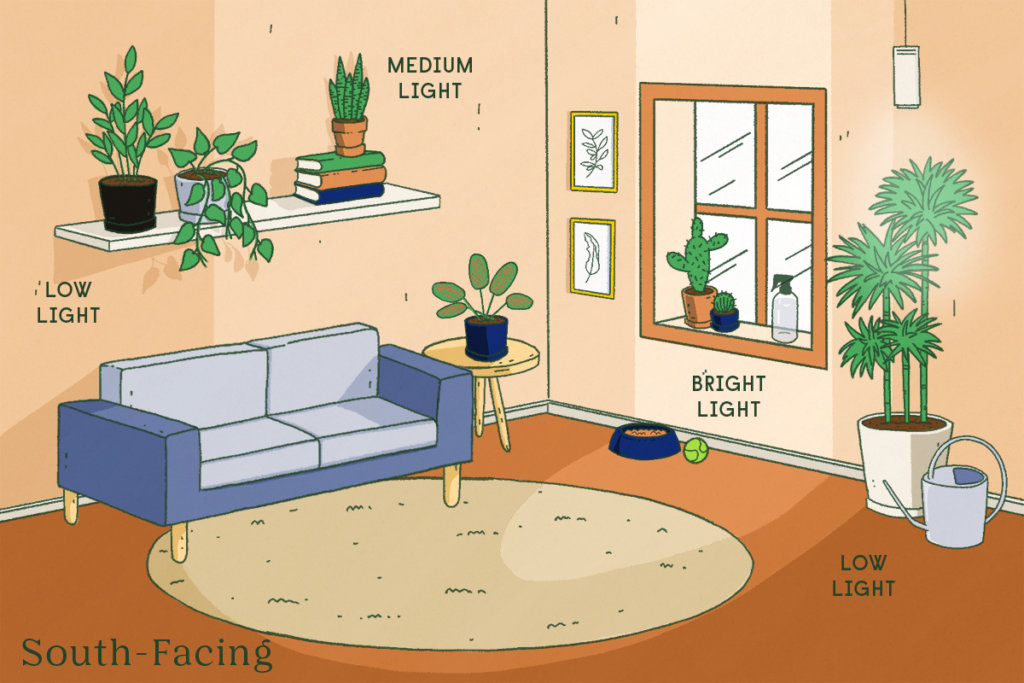
Choosing the right light for your plants
Pick lights based on the plant and its needs. Here are targeted guidelines.
General PPFD and DLI guides
- Low-light houseplants: aim for about 50–150 µmol/m²/s or DLI 4–8.
- Medium-light plants: aim for 150–300 µmol/m²/s or DLI 8–12.
- High-light plants (tomatoes, many succulents): aim for 300–600 µmol/m²/s or DLI 12–20.
Match spectrum to stage
- Seedlings and leafy growth: more blue light 400–500 nm.
- Blooming and fruiting: more red light 600–700 nm.
- Use full spectrum for mixed collections of plants.
Size and layout
- Measure the grow area in square feet.
- Look for lights that cover that area at the needed PPFD.
- Layer lights if you have tall or staggered plants.
Use these simple steps to match indoor plant lighting to what each plant needs.

Setup tips: placement, distance, and timers
Placement and distance
- Follow manufacturer distance guides for LEDs.
- Start higher and lower the light if plants stretch.
- Watch for leaf burn if the light is too close.
Timers and schedules
- Use a simple timer to keep a steady photoperiod.
- For many plants, 12 hours on and 12 hours off works well.
- Adjust duration as plants signal stress or slow growth.
Reflectors and spread
- Reflective panels or white walls help spread light.
- Move plants so each gets even light over time.
Ventilation and heat
- Keep some airflow to move heat and boost CO2 near leaves.
- Fans also help stems stay firm.
These setup steps make indoor plant lighting predictable and safe.

Energy use, cost, and maintenance
Energy and cost
- LED indoor plant lighting uses the least power per useful photon.
- Expect higher up-front cost for good LEDs but lower bills over time.
- Compare watts and PAR output, not just wattage.
Maintenance
- Clean dust off light covers and bulbs.
- Check fans and drivers on LEDs every few months.
- Replace old bulbs when PPFD drops or color shifts.
Safety
- Use proper wiring and rated fixtures.
- Keep water away from electrical parts.
Small, regular checks will keep your indoor plant lighting effective for years.
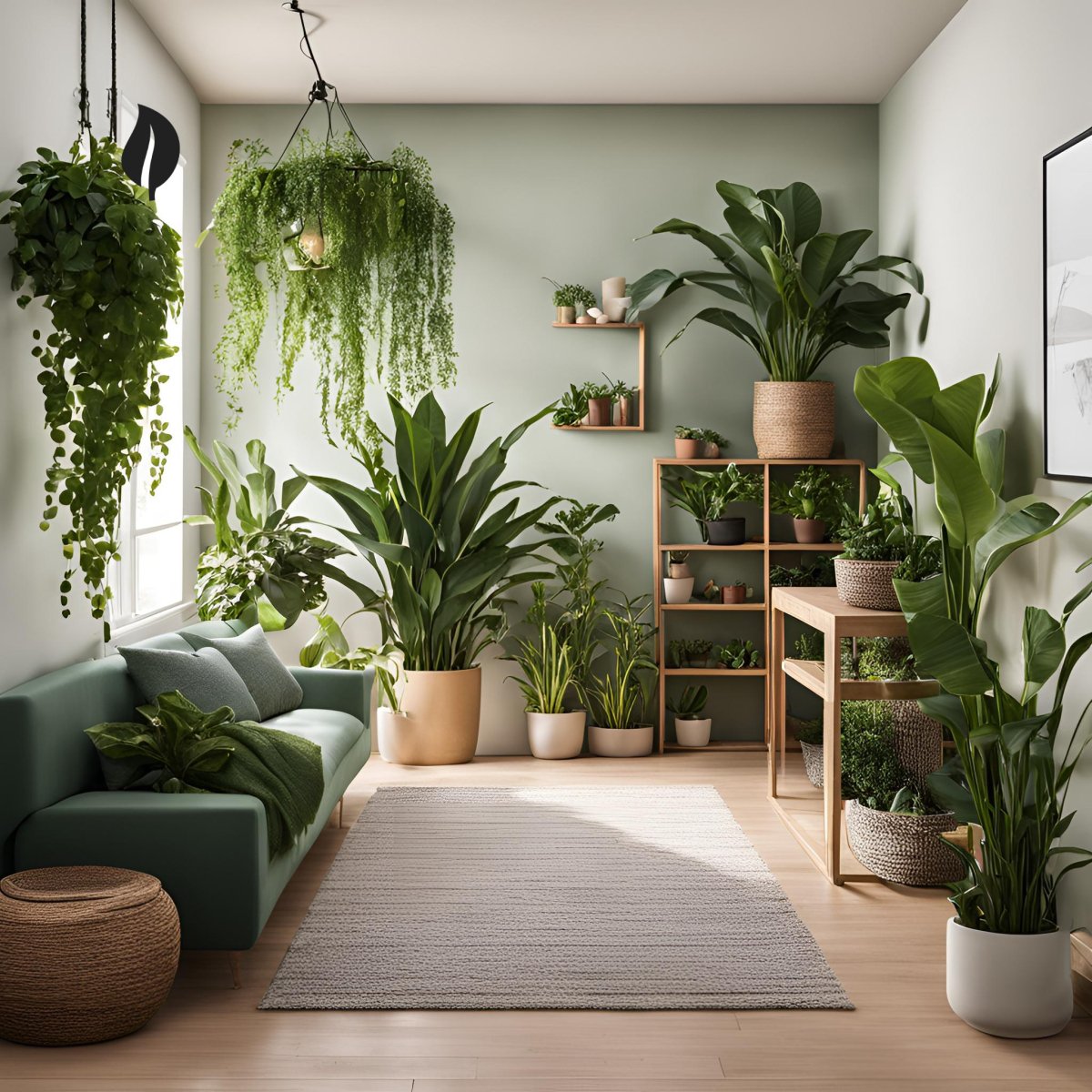
Common problems and troubleshooting
Plants stretching or getting leggy
- Likely light is too weak or too far away.
- Move light closer or increase intensity slowly.
Yellow leaves or burnt tips
- Could be too much light or heat stress.
- Raise the light and check humidity and water.
Slow growth under high power lights
- Look at spectrum and photoperiod.
- Some plants need a different ratio of blue to red or a rest period.
People also ask
- How bright should grow lights be for seedlings? Seedlings do well with moderate PPFD and a higher blue ratio to keep them compact.
- Can I use regular room lights for plants? Regular lights give some lux but they usually lack PAR and the right spectrum needed for strong plant growth.

Personal experience and lessons learned
I started with cheap lights and hit problems fast. Seedlings grew long and weak. Leaves burned when lights were too close. I learned to buy good LEDs and a simple PPFD meter. Setting a timer fixed erratic growth. Rotating plants every week made light exposure even. My main lessons:
- Pay for spectrum and PAR, not flashy watts.
- Start with a timer and simple height rules.
- Test placement with a cheap light meter if you can.
These real tests saved time and helped my plants thrive.
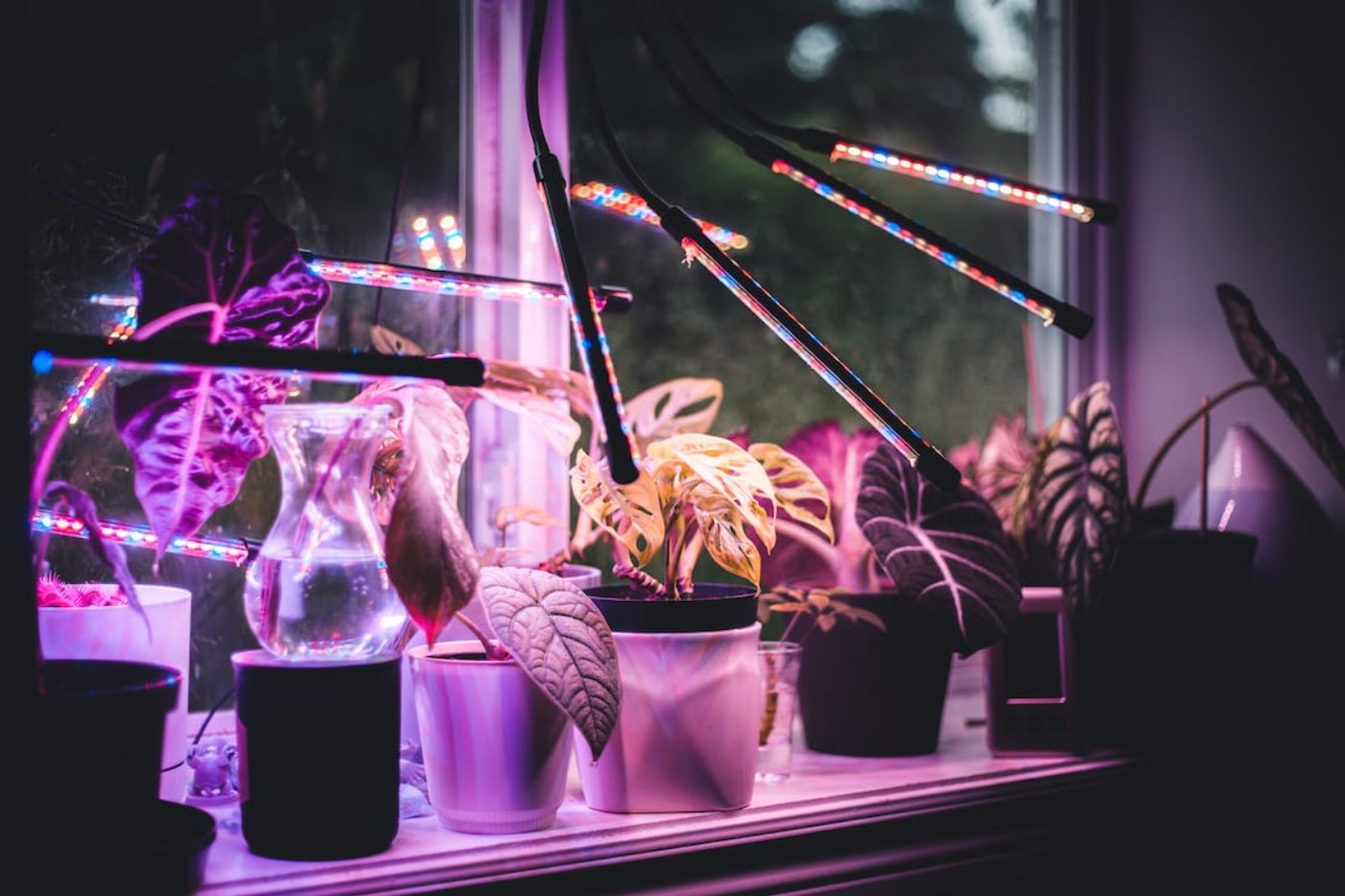
Frequently Asked Questions of indoor plant lighting
What is the best spectrum for indoor plant lighting?
A full spectrum light that includes blue and red wavelengths works best for most plants. Blue supports leaves and red supports bloom, so a mix is ideal.
How many hours of light do indoor plants need?
Most indoor plants grow well with 10–14 hours of light per day. Adjust based on plant type and their response to growth.
Are LEDs better than fluorescent lights for plants?
Yes, LEDs are more efficient and last longer than fluorescent lights. They also create less heat and can offer a true full spectrum.
Can I use regular bulbs for indoor plant lighting?
Regular bulbs often lack usable light in the PAR range and are inefficient. They can work for very low-light needs but are not ideal for growth.
How far should grow lights be from plants?
Distance depends on light type and strength. Start with the maker’s guide, then move lights up if leaves burn or down if plants stretch.
Do plants need darkness at night?
Yes, plants need a dark period to rest and for hormonal cycles that control flowering and growth. Continuous light often causes stress and poor growth.
Will indoor plant lighting raise my electric bill a lot?
Good LEDs keep cost low. Bills rise with hours and power draw, so pick efficient lights and timers to control use.
Conclusion
Indoor plant lighting is a simple tool when you know the basics: spectrum, intensity, and duration. Match light type to your plants and use a steady schedule. Start with LED full spectrum lights if you can. Measure light roughly and adjust height to avoid stretch or burn. Try one change at a time and watch how plants respond.
Ready to upgrade your setup? Test a good LED, set a timer, and see your indoor plants thrive. Leave a comment with your setup or questions to get tailored advice.