Hydroponics often gives faster growth and higher yields, while soil is easier and more forgiving for beginners.
I’ve been growing both indoors and outdoors for years, running a small Kratky hydroponic system and a raised-bed soil garden for salads and herbs. This guide on hydroponics vs soil gardening for beginners walks you through clear definitions, real pros and cons, step-by-step starter setups, and practical troubleshooting. You’ll find honest comparisons, simple rules to pick the right method, and hands-on tips that saved me time, money, and a few wilted seedlings. Read on to decide which route fits your space, budget, and goals.

Understanding hydroponics and soil gardening
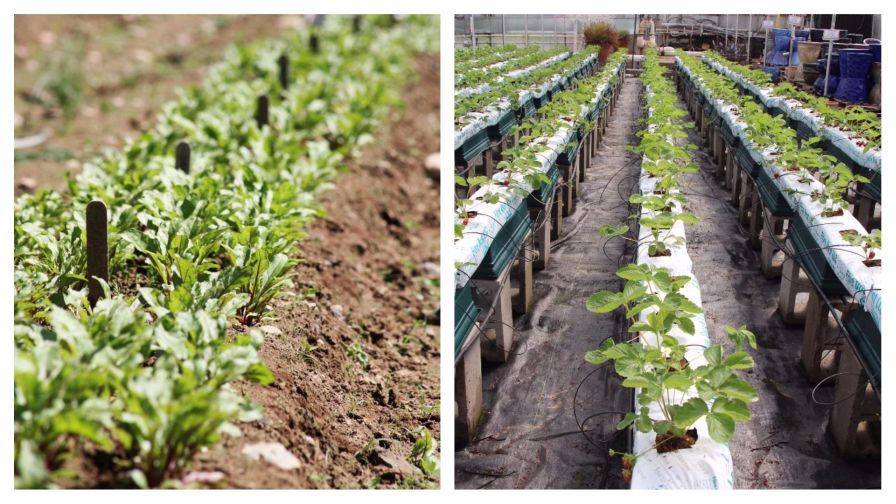
Hydroponics means growing plants without soil. Plants get water and nutrients from a solution. Roots sit in water, an inert medium, or a flowing system. Hydroponics focuses on precise nutrient control and fast growth.
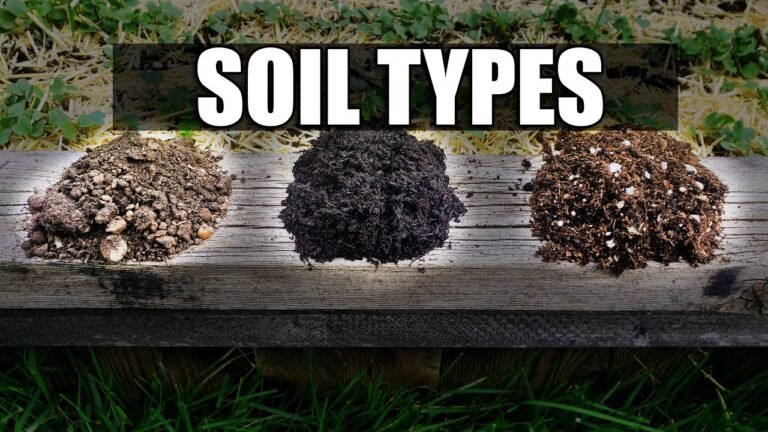
Soil gardening uses living soil, compost, and microbes. Soil provides nutrients and structure. It acts as a natural buffer for water and pH. Soil gardens can be in pots, raised beds, or ground plots.
Common phrase check: hydroponics vs soil gardening for beginners helps you compare control, complexity, and the learning curve. I will reference practical data and my own experiments to back claims and help you choose.

Key differences for beginners
- Setup complexity — Hydroponics may need pumps, air stones, and nutrient mixes. Soil gardening can start with a pot and good potting mix.
- Cost profile — Hydroponics often has higher startup costs. Soil needs less hardware upfront.
- Time and attention — Hydroponics needs regular monitoring of pH and nutrients. Soil tolerates irregular watering better.
- Space efficiency — Hydroponics often uses less space and can be stacked vertically. Soil gardening is simple but usually requires more footprint.
- Yield and growth speed — Hydroponics can speed up growth and give higher yields per square foot. Soil can produce excellent flavor and resilience.
- Pest and disease differences — Soil can harbor pests and fungal issues. Hydroponics reduces some soil pests but can have algae or root rot if mismanaged.
When deciding hydroponics vs soil gardening for beginners, think about how much time you can commit and how comfortable you are with basic equipment.
Benefits and limitations
Hydroponics: benefits
- Faster growth due to direct nutrient delivery.
- Uses less water than some soil systems when recirculated.
- Cleaner for indoor use; no messy soil.
- Easier to grow in small spaces or vertical racks.
Hydroponics: limitations
- Requires monitoring pH and EC regularly.
- Higher initial cost for equipment.
- Technical failures (pump or power loss) can hurt plants quickly.
- Learning curve for nutrient mixing and system balance.
Soil gardening: benefits
- More forgiving for beginners; soil buffers nutrients and pH.
- Lower startup cost and simpler tools.
- Encourages biodiversity and better flavor in many crops.
- Easier to scale with basic compost and organic methods.
Soil gardening: limitations
- Requires more space for the same yield.
- Can use more water if not mulched or managed.
- Soil pests, weeds, and pathogens can be harder to control.
- Slower growth compared to optimized hydroponics.
Balancing these pros and cons makes the choice between hydroponics vs soil gardening for beginners more personal than absolute.

How to choose: a short decision framework
Ask yourself these quick questions:
- How much space do I have? Small indoor: hydroponics can win. Yard or balcony: soil is easy.
- What is my budget? Tight budget: start with soil. Budget for gear: consider hydroponics.
- How much time will I spend daily? If you prefer low daily work, soil may suit you. If you like monitoring and tuning, hydroponics is rewarding.
- Do I want high yield or flavor? Hydroponics tends to maximize yield. Soil often yields better flavor for some crops.
- Am I comfortable with tech? Hydroponics needs equipment checks. Soil needs physical tasks like weeding and amending.
This framework will help you decide which approach fits your lifestyle and goals when comparing hydroponics vs soil gardening for beginners.

Starter setups: simple systems you can try
Hydroponic starter options
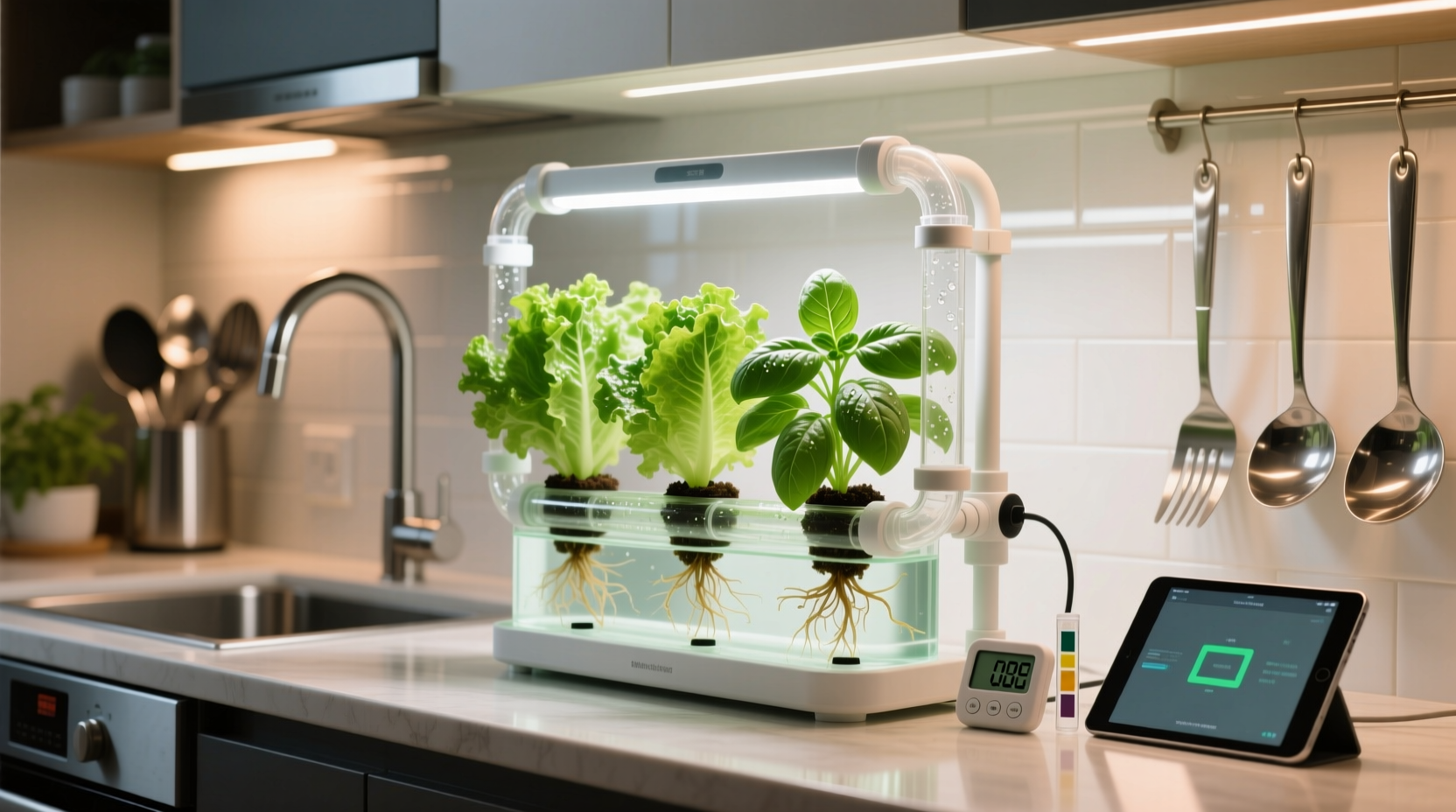
- Kratky method — A passive, no-pump system that holds roots in a nutrient reservoir. Great for lettuce and herbs.
- Deep Water Culture (DWC) — Roots suspended in oxygenated water using an air pump. Good for fast greens.
- Small NFT or ebb-and-flow kits — For more control and higher yields, but slightly more complex.
Soil starter options
- Container gardening — Use quality potting mix and containers with drainage for herbs and tomatoes.
- Raised beds — Easier on the back and great for larger vegetables.
- In-ground row or patch — Best if you have yard space and want to build soil health over time.
Personal tip from my experience: I began with a Kratky lettuce jar and a 4×4 raised bed. Kratky taught me nutrient balance without pumps. The raised bed taught me composting and pest control. Both gave wins at different times.

Maintenance tips and troubleshooting
Hydroponics tips
- Check pH every 2–3 days. Aim for 5.5–6.5 for most vegetables.
- Monitor EC (electrical conductivity) to track nutrient strength.
- Keep water oxygenated to avoid root rot.
- Watch for algae; block light from reservoirs.
Soil gardening tips
- Use a well-draining potting mix with compost added.
- Water deeply and less frequently to encourage strong roots.
- Mulch to retain moisture and suppress weeds.
- Rotate crops and add compost to maintain soil life.
Troubleshooting common problems
- Yellow leaves in hydroponics often mean nutrient imbalance or wrong pH. Adjust slowly.
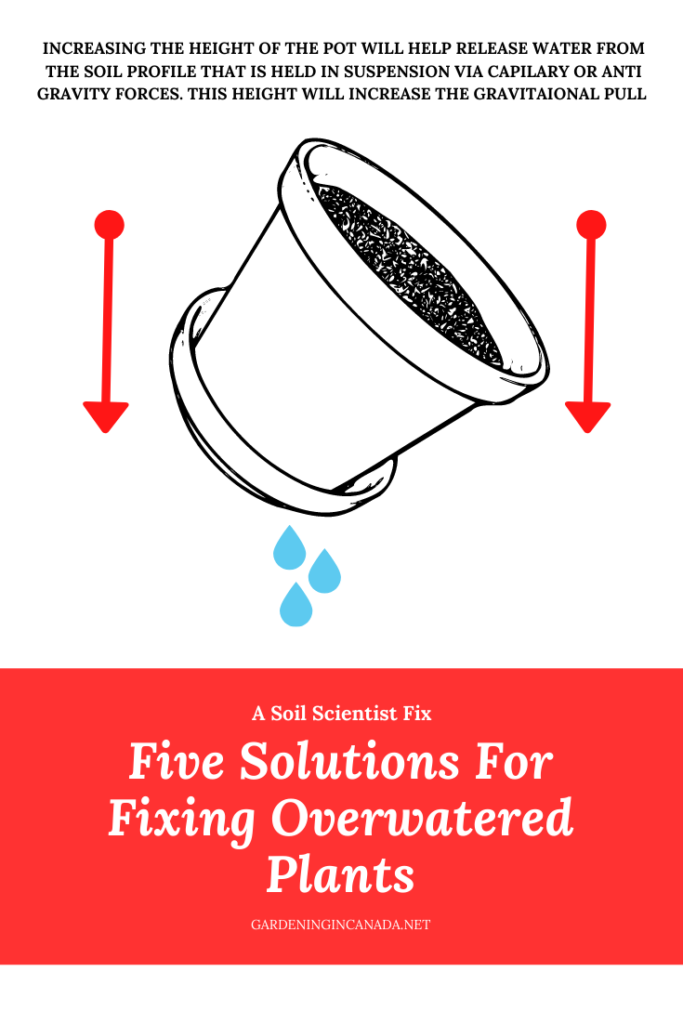
- Wilting in soil often means overwatering or poor drainage. Let soil dry slightly and check pot drainage.
- Pests: use manual removal, barriers, or natural predators before chemical controls.
These simple rules will resolve most common beginner issues when practicing hydroponics vs soil gardening for beginners.
Cost comparison and ROI
Startup costs (typical)
- Hydroponics: $50–$300+ for a compact home kit, pump, and nutrients.
- Soil: $10–$100+ for pots, soil, and seeds or seedlings.
Ongoing costs
- Hydroponics: nutrient solution, replacement parts, electricity.
- Soil: potting mix amendments, compost, occasional fertilizers.
Yield and time to harvest
- Hydroponics often gives faster harvests, so you may get faster ROI on herbs and greens.
- Soil yields can be steady and robust over the season, especially for root crops.
In my first year, hydroponics returned more salad greens per square foot, while soil produced larger tomatoes and better flavor. Consider long-term costs and your crop choice when weighing hydroponics vs soil gardening for beginners.

Best beginner plants for each method
Hydroponics-friendly plants
- Lettuce and baby greens — fast and forgiving.
- Basil and mint — aromatic herbs that thrive.
- Spinach and chard — quick leaf growth.
Soil-friendly plants
- Tomatoes and peppers — often taste better in soil.
- Root vegetables like carrots — need depth and loose soil.
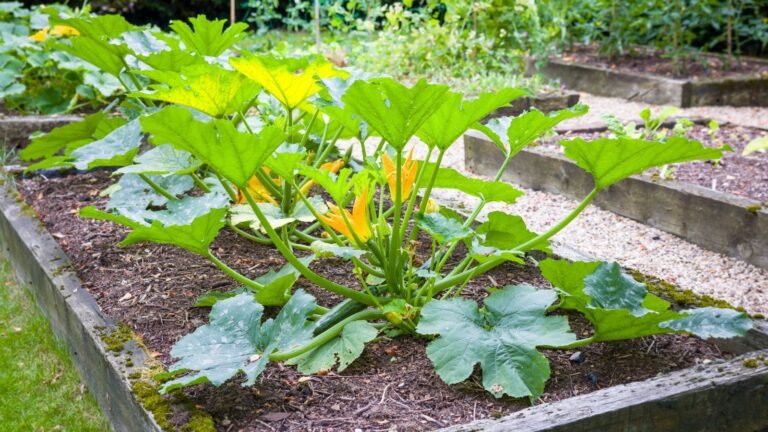
- Beans and squash — easy in raised beds or ground.
Many plants will grow in either system. Start with lettuce and herbs to learn the basics, then expand once you’re confident in nutrients or soil care. This approach keeps early wins high and frustration low when comparing hydroponics vs soil gardening for beginners.

Environmental and sustainability considerations
Water use
- Hydroponics can use less water if systems recirculate properly.
- Soil gardens need regular watering, but mulching and drip irrigation help conserve water.
Energy and materials
- Hydroponics may require electricity for pumps and lights.
- Soil gardening relies more on manual labor and organic inputs.
Soil health and biodiversity
- Soil gardens support microbes, worms, and long-term carbon storage.
- Hydroponics bypasses soil, so it avoids soil degradation but also misses those ecosystem benefits.
When choosing hydroponics vs soil gardening for beginners, think about your environmental priorities and local resources.
Personal lessons and mistakes to avoid
- Mistake: Overfeeding nutrients in hydroponics. Lesson: Start at half strength and increase slowly.
- Mistake: Using garden soil in pots. Lesson: Use sterilized potting mix for containers.
- Mistake: Ignoring pH. Lesson: A small pH meter pays off quickly.
- Mistake: Planting too many varieties at once. Lesson: Start small; expand as you succeed.
I still make small errors, but each season I learn faster. Keeping notes on water, nutrients, and plant performance helped me improve yields and reduce waste.
Quick PAA-style questions
What is easiest to start with, hydroponics or soil?
- Soil is generally easier for absolute beginners because it buffers mistakes and needs less equipment.
How much water does hydroponics save?
- A recirculating hydroponic system can use significantly less water over time compared to flood irrigation, but savings depend on system design and local climate.
Will plants taste different in hydroponics vs soil?
- Yes, some crops like tomatoes may have different flavor profiles in soil versus hydroponics; taste is influenced by nutrients, variety, and growing conditions.
When you want fast harvests, hydroponics often wins. For flavor and low-tech ease, soil often wins. These points help readers focus when thinking hydroponics vs soil gardening for beginners.
Frequently Asked Questions of hydroponics vs soil gardening for beginners
What is hydroponics and how does it differ from soil gardening?
Hydroponics grows plants in nutrient solutions without soil, offering precise nutrient control. Soil gardening relies on living soil, microbes, and organic matter to feed plants.
Is hydroponics harder for beginners?
Hydroponics has a steeper technical learning curve due to pH and nutrient monitoring, but simple systems like Kratky are beginner-friendly. With basic care and routine checks, many beginners succeed quickly.
Which method uses less water?
Well-managed hydroponic systems can use less water by recycling nutrient solutions, while soil gardens may need more frequent watering unless mulched or drip-irrigated.
Can I grow the same plants in both systems?
Most vegetables and herbs will grow in either system, though some crops like root vegetables prefer loose soil. Choices depend on plant needs and your goals.
Which gives better flavor, hydroponics or soil?
Flavor depends on variety, nutrient balance, and maturity. Some growers prefer soil-grown tomatoes for taste, while hydroponic herbs can be very aromatic and intense.
Conclusion
Both hydroponics vs soil gardening for beginners have clear strengths. Hydroponics rewards control, speed, and space efficiency. Soil gardening rewards resilience, ease, and rich ecosystem benefits. Start with small experiments: try a simple Kratky jar or a single raised bed. Track results, learn from mistakes, and scale what works. If you found this guide useful, try one setup this month, subscribe for updates, or leave a comment with your garden question.