Improve soil drainage by adding organic matter, reshaping beds, and installing simple drains.
I have spent over a decade fixing soggy yards and tired garden beds. This guide explains how to improve soil drainage with clear, proven steps you can use now. I combine hands-on experience, simple tests, and practical fixes so you can spot problems, choose the right solution, and keep soil healthy for plants and lawns.

Why good drainage matters for plants and landscapes
Poor drainage leads to root rot, nutrient loss, and stunted growth. Healthy drainage keeps roots oxygenated and microbes active. Learning how to improve soil drainage helps plants thrive and reduces pests and disease.
Signs of bad drainage
- Water pooling for hours after rain
- Dark, compacted soil that smells sour
- Patchy lawns and yellowing leaves
What good drainage gives you
- Strong roots and steady plant growth
- Less fungal disease and fewer pests
- Easier garden work and better soil structure
I’ve seen raised beds transformed when drainage is fixed. The plants recovered in weeks. Knowing why drainage matters helps you choose the right fixes.
How to test and diagnose drainage problems
Simple tests tell you a lot. Do them before you dig.
Percolation test
- Dig a 12-inch deep hole and fill with water.
- Time how long it drains.
- Less than 1 inch per hour is often poor drainage.
Soil feel test
- Take a handful of soil and squeeze.
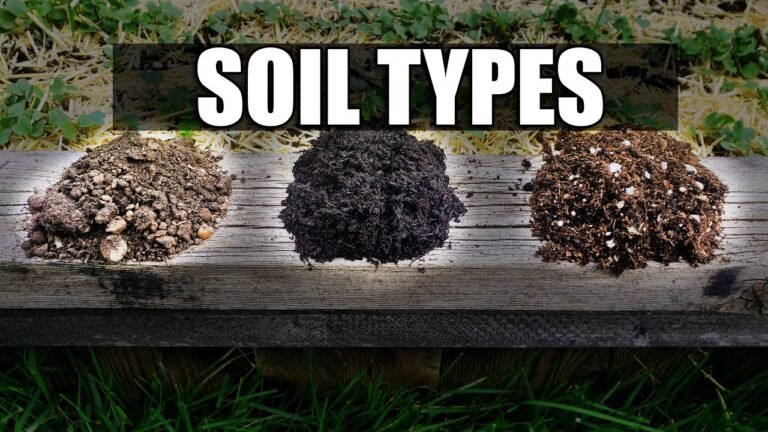
- Sandy soil crumbles. Clay forms a sticky ball.
- Compacted, clay-rich soil often needs the most work.
Observe patterns
- Check low spots, compacted paths, and roof runoff lines.
- Note where water stands longest and which plants suffer.
My tip: test in different spots. I once fixed a “bad” garden only to find poor drainage was local. Targeted fixes saved time and money. Learning these tests is the first step in understanding how to improve soil drainage.

Quick fixes you can try this season
Short-term methods help plants survive while you plan larger changes.
Top-dressing and aeration
- Add 1–2 inches of compost to beds and lawn surface.
- Aerate compacted lawns with a core aerator.
Surface grading
- Regrade soil away from foundations and plant crowns.
- Create gentle slopes so water runs off, not into beds.
Temporary channels and trenches
- Dig shallow guide channels to move surface water to a safe spot.
- Use gravel-filled trenches for better flow.
I once saved a small vegetable patch by adding compost and digging a shallow guide channel. The soil dried faster and yields improved within two months. These quick fixes are central to how to improve soil drainage while you plan long-term solutions.
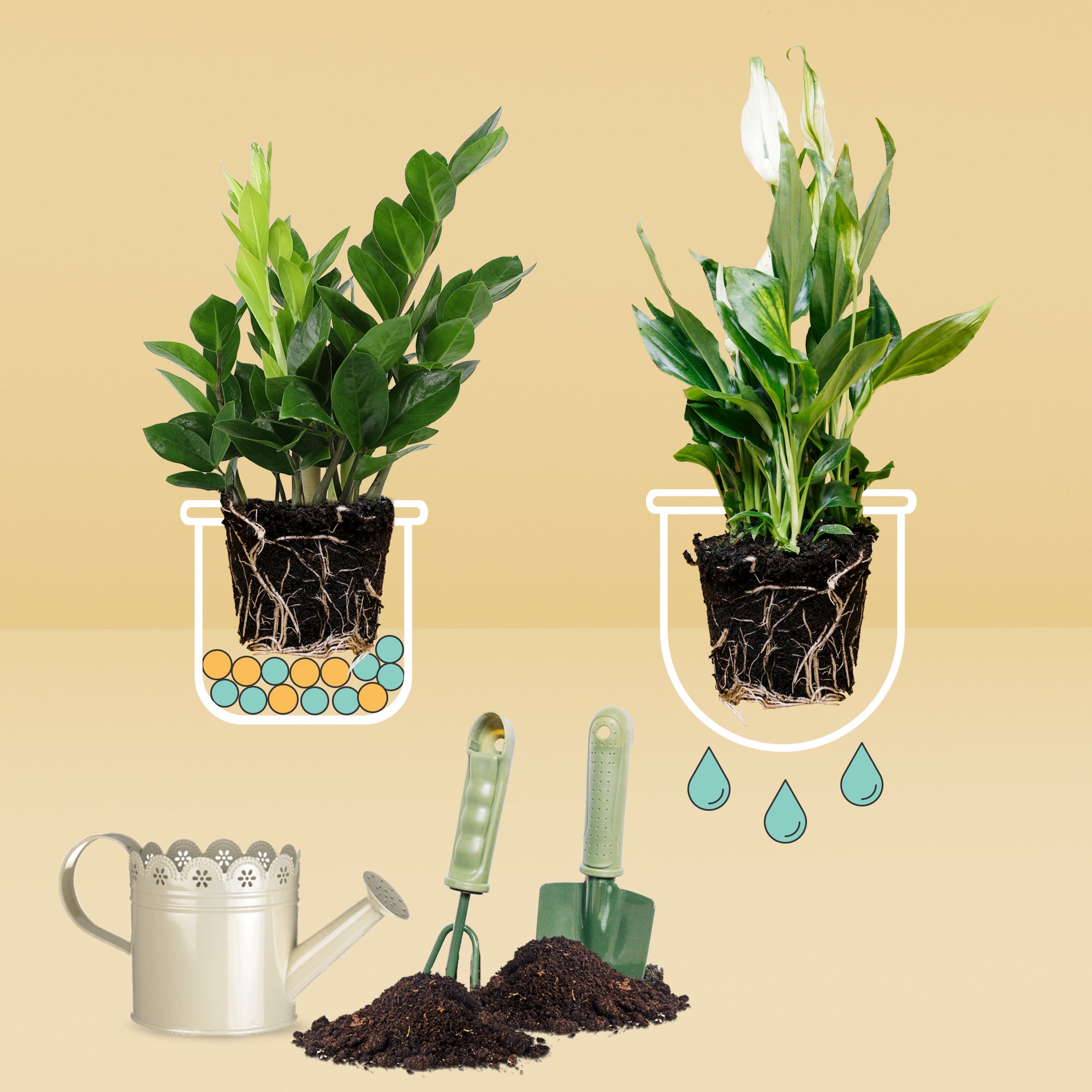
Improve soil texture with amendments
Changing soil texture boosts drainage and water-holding balance.
Add organic matter
- Mix compost into top 6–8 inches of soil.
- Apply mulch to reduce surface crusting and compaction.
Use grit and sand carefully
- Coarse builder’s sand can help in sandy loam or to break heavy clay when mixed well.
- Never add fine sand by itself to clay; it creates a cement-like mix.
Consider gypsum for clay
- Gypsum can help clay flocculate and improve structure in some soils.
- It is not a universal fix; test first.
Organic matter is the best all-round tool for how to improve soil drainage. It feeds microbes, loosens clay, and helps sandy soils hold moisture. From my experience, steady compost additions over a few seasons change soil more than one big amendment.

Structural solutions: raised beds, French drains, and more
For chronic drainage problems, structural fixes work best.
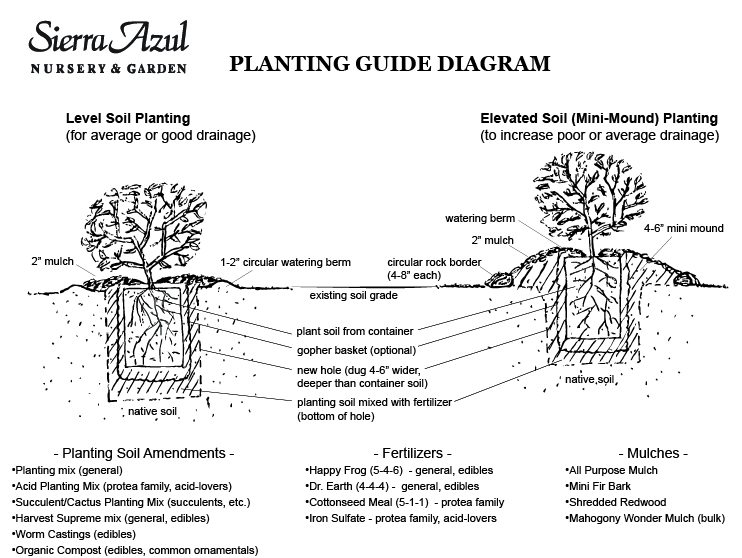
Raised beds
- Build beds 8–12 inches high or more for deep root crops.
- Fill with a mix of topsoil and compost for fast drainage.
French drains
- Dig a sloped trench, line with landscape fabric, add gravel, and lay a perforated pipe.
- Connect to a safe discharge point such as a dry well or storm drain.
Dry wells and catch basins
- Collect roof and yard runoff and disperse it below grade.
- Useful where water must be stored temporarily and released slowly.
Subsurface tile drainage
- Professional option for large lawns or agricultural fields.
- Expensive but very effective for consistent high water tables.
When I installed a French drain along a soggy border, my plants stopped suffering within weeks. Structural work can be a big step, but it permanently solves many groundwater issues. These are core techniques for how to improve soil drainage at scale.
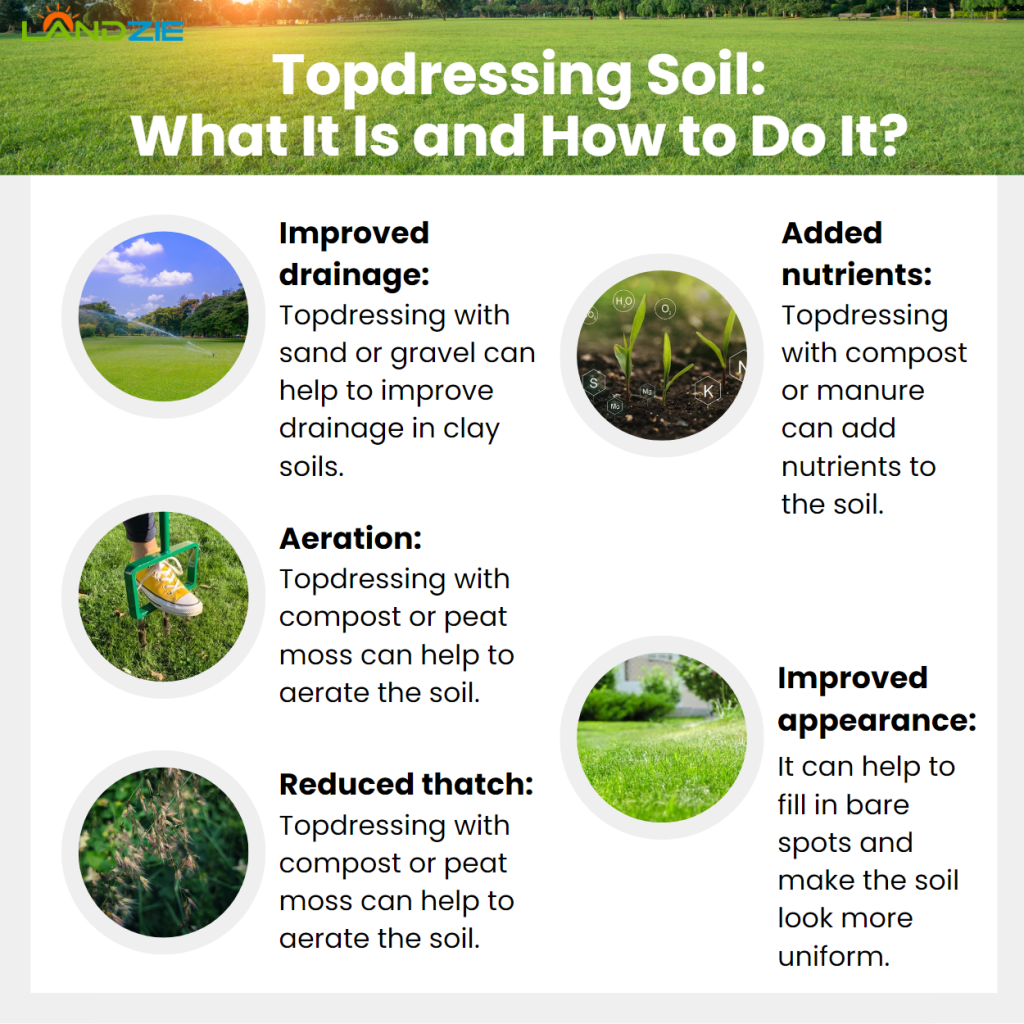
Plant selection and landscape design to improve drainage outcomes
Choose plants that match soil and moisture patterns.
Use moisture-tolerant plants in low spots
- Switch to wet-loving perennials and grasses in consistently damp areas.
- Examples include sedges, marsh marigold, and willow species.
Use raised planting zones
- Create mounded beds or berms for plants that need drier soil.
- Group plants by moisture needs to reduce stress.
Hardscape and path design
- Use permeable pavers and gravel paths to encourage infiltration.
- Direct runoff to rain gardens or planted swales.
Designing with plants and hardscape lets you manage water without constant maintenance. Good design is a long-term answer for how to improve soil drainage across a whole property.

Maintenance and long-term care
Keeping drainage working takes regular checks.
Seasonal checks
- Inspect drains, downspouts, and trenches after storms.
- Clear silt and leaves from French drain outlets.
Keep adding compost
- Top-dress beds yearly to maintain structure and microbial health.
- Mulch helps prevent surface compaction.
Watch for new problems
- New patios, driveways, or grading can change water flow.
- Reassess drainage after any major landscaping work.
From my garden logs, the best gains came from small, steady maintenance steps. Fixing drainage is often a marathon, not a sprint. Good care keeps solutions working and makes future fixes easier.

Quick questions you may search for
What is the fastest way to improve soil drainage?
- Add organic compost, raise beds, and create a simple surface channel to move water away.
Will sand fix clay soil drainage?
- Mixing large amounts of coarse sand with clay can help, but small amounts often make it worse. Compost is a safer first step.
How deep should a French drain be?
- Typically 18 to 24 inches deep for gardens, deeper for yards or heavy flows. Slope the pipe toward a safe outlet.

Frequently Asked Questions of how to improve soil drainage
How long does it take to improve soil drainage with compost?
You can see surface improvements in weeks and structural change in months. For deep change expect consistent additions over one to three seasons.
Can I use a shovel to fix compacted soil?
Yes. Manual digging and perking with a garden fork help small areas. For large areas, mechanical aeration is faster and more uniform.
Is gypsum always useful for clay soil?
No. Gypsum helps some clay soils but not all. Test a small area first to check results before treating the whole yard.
How do I stop water pooling near my house?
Grade soil away from the foundation, extend downspouts, and consider a perimeter drain. Small adjustments often prevent most water issues.
Do plants help improve long-term drainage?
Yes. Deep-rooted plants and cover crops break up compacted layers over time. They also add organic matter and improve soil biology.
Conclusion
Fixing drainage starts with simple tests and moves to targeted amendments or structural changes. Add organic matter, adjust slopes, and choose the right plants to see steady improvement. Start small, keep notes, and take one step at a time. Try one change this week—add compost or check roof outlets—and watch how quickly conditions get better. If this helped, leave a comment, subscribe for more tips, or share your drainage story.