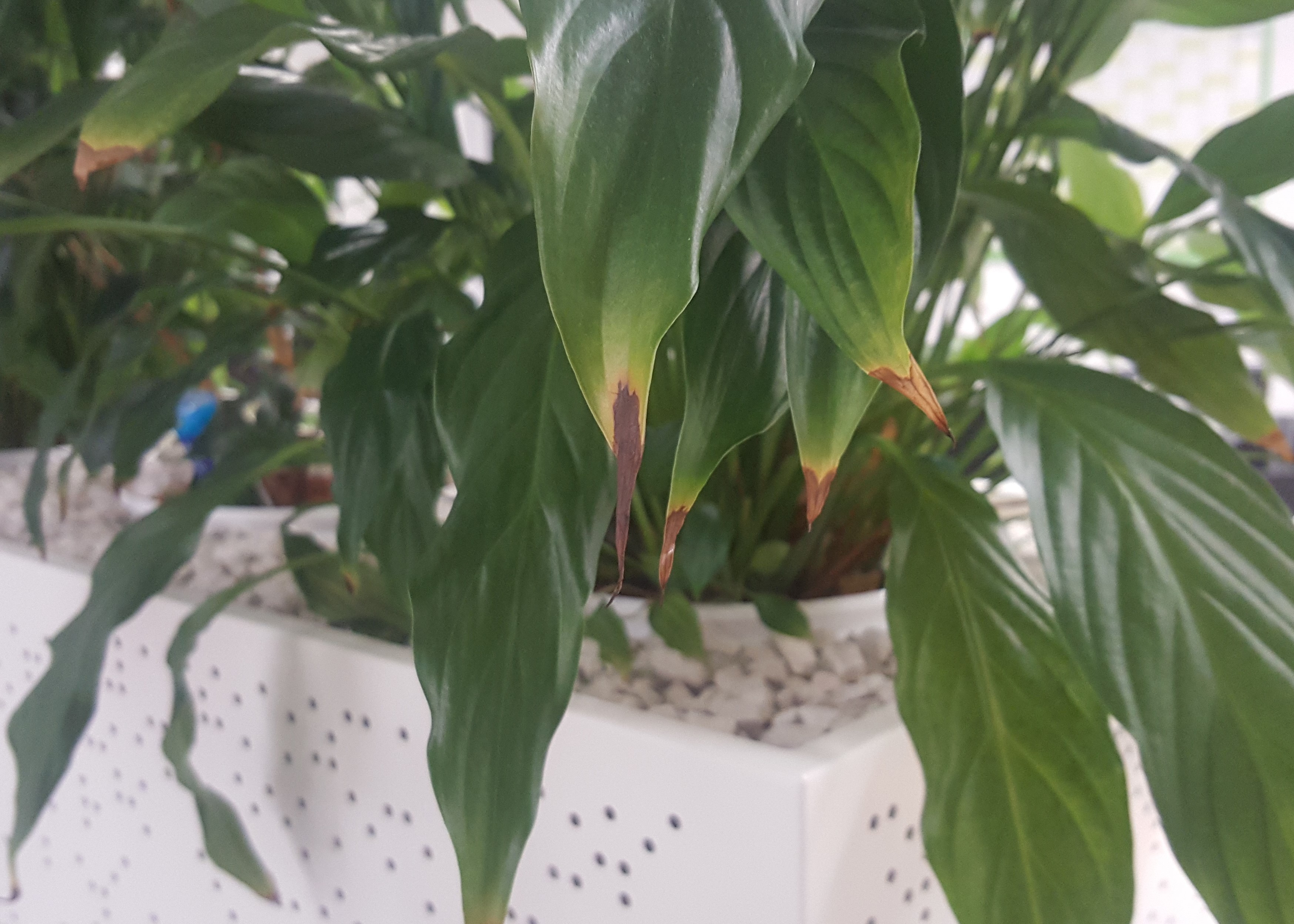
Plants often show brown tips from moisture stress, salt buildup, low humidity, or root damage.
I have spent years caring for houseplants and studying common leaf problems, so I can help you understand why plants turning brown tips happens and how to stop it. This guide explains causes, easy checks, clear fixes, and prevention tips you can use today to save leaves and keep plants healthy.
:strip_icc()/Calathea-houseplant-with-brown-tips-2b7648e9da514b4087e2f7487b8a5e2d.jpg)
Why plants develop brown tips: common causes
Brown tips are a visible signal. They mean plant tissue is dying at the leaf edge. The cause can be simple or layered. Below are the usual reasons why plants turning brown tips occurs.
- Underwatering
- Leaves dry out and tips die first. Soil that feels dry an inch below the surface often means the plant needs water.
- Overwatering and root rot
- Wet roots cannot feed the leaf tips. Roots that are soft and brown point to rot.
- Low humidity
- Many houseplants come from humid places. Dry indoor air draws moisture from leaf edges.
- Salt buildup and fertilizer burn
- White crust on soil or pots, or excess fertilizer, causes brown tips by burning cells.
- Poor water quality
- Hard water or chlorinated tap water can cause tip browning over time.
- Temperature stress
- Cold drafts or hot radiators scorch leaf tips.
- Light extremes
- Too much direct sun or too little light can cause brown tips and margins.
- Pests and disease
- Spider mites, thrips, and fungal infections can damage leaf tissue and produce browning.
How to diagnose brown tips step-by-step
A quick check helps you find why plants turning brown tips is happening. Follow these tests in order.
- Check soil moisture
- Stick a finger into the soil. If it is bone dry, underwatering is likely. If soggy, overwatering or poor drainage may be the issue.
- Inspect roots when repotting
- Healthy roots are firm and white. Rotten roots are brown, slimy, and smell bad.
- Look for salt deposits
- White rings or crust mean salts are building up. This often leads to browned tips.
- Assess humidity and room conditions
- Use a humidity meter or note if the room is dry from heat. Many plants prefer 40–60% humidity.
- Examine leaf pattern
- Tips only: often humidity or salts. Edges and between veins: could be watering or nutrient issues. Spots or patches: pests or disease.
PAA-style quick questions
- Why do only the tips turn brown and not the whole leaf?
- Tips are farthest from the root and the first to show stress from water or salt issues.
- Can overwatering cause brown tips?
- Yes. Overwatering leads to poor root function, which prevents water and nutrients from reaching leaf tips.
- Is low humidity common in winter?
- Yes. Indoor heat drops humidity and often causes more brown tips in cold months.

Practical fixes and treatment for brown tips
Fixes are simple. Start with the least invasive steps. Track results over weeks.
- Watering adjustments
- Water deeply but less often for many plants. Let the top 1 inch dry for most houseplants before watering again.
- Flush soil to remove salts
- Water heavily until water runs from the drain holes. Repeat monthly if salt buildup is present.
- Repot and trim roots when needed
- If roots are rotten, trim damaged roots and repot in fresh, well-draining soil.
- Increase humidity
- Use a humidifier, pebble tray, or group plants to raise humidity around foliage.
- Change water quality
- Use filtered, distilled, or rainwater for sensitive plants to avoid hard water salts and chlorine.
- Correct fertilizer use
- Reduce fertilizer strength to half during growing months. Flush soil if you suspect fertilizer burn.
- Prune brown tips
- Trim tips cleanly with sharp scissors. Cut at an angle to follow the leaf shape for a neater look.
- Treat pests and disease
- Remove affected leaves and treat pests with soap spray or recommended controls.

Care tips by plant type
Different plants need different care. Here are focused tips to reduce why plants turning brown tips happens in common groups.
- Tropical houseplants (philodendron, pothos, monstera)
- Prefer stable moisture and higher humidity. Avoid letting them dry out completely.
- Succulents and cacti
- Need less water and fast-draining soil. Brown tips here often mean overwatering.
- Ferns and moisture-loving plants
- Thrive with high humidity and evenly moist soil. Brown tips often mean the air is too dry.
- Orchids
- Sensitive to water quality and root health. Brown leaf tips can mean root rot or salt buildup.
- Foliage with variegation
- Variegated leaves can be more sensitive to light. Brown tips may mean light stress or nutrient imbalance.

My experience: mistakes I made and what I learned
I once over-fertilized a large rubber plant and watched tips brown across dozens of leaves. I flushed the soil, reduced feed, and cut back brown tips. Within weeks new growth looked healthy again. That taught me to start with half-dose fertilizer and keep notes.
Another time, I moved a fern near a heater. Brown tips spread fast. I added a humidifier and moved the pot. The fern recovered in a month. The lesson: small environmental changes can cause big damage.

Monitoring and prevention routine
A simple routine prevents why plants turning brown tips happens again. Keep it short and repeatable.
- Weekly check
- Look for dry soil, pests, or crisp tips.
- Monthly action
- Flush soil if you use fertilizer or hard water. Dust leaves.
- Seasonal care
- Reduce fertilizer in winter. Raise humidity in heating months.
- Tools to help
- Use a moisture meter, hygrometer, and good pruners to make checks easy and accurate.
:max_bytes(150000):strip_icc()/houseplants-leaves-turning-brown-1902675-13-c852772f4559479db4925f3addeb6941.jpg)
Frequently Asked Questions of why plants turning brown tips
Why do only new leaves get brown tips?
New leaves are sensitive. Brown tips on new growth often mean inconsistent watering, salt stress, or nutrient imbalance.
Can hard water cause brown tips on plants?
Yes. Minerals in hard water build up in soil and on roots, causing tip browning over time. Using filtered or rainwater helps.
Should I cut off brown tips or let them be?
Trim brown tips for a neat look and to prevent decay. Cut cleanly and avoid removing healthy tissue.
How fast will a plant recover after fixing brown tips?
Recovery time varies. Some plants show new healthy growth in weeks; others need months. Root health and consistent care speed recovery.
When is brown tips a sign to repot?
Repot when roots are crowded, rotten, or soil no longer drains. If root problems persist after care changes, repotting is often needed.
Can underwatering and overwatering cause the same brown tip symptom?
Yes. Both can cause brown tips because both disrupt water and nutrient flow to the leaf edges. Use the soil and root checks to tell them apart.
Do fertilizers cause brown tips immediately?
Fertilizer burn can appear within days if a high dose is applied. Slow-release or diluted liquid feed lowers the risk.
Conclusion
Brown leaf tips are common but fixable. By checking soil, roots, humidity, water quality, and fertilizer habits, you can find why plants turning brown tips happens and stop it. Start with simple checks, make gradual changes, and watch for steady improvement.
Take action today: inspect one plant, adjust one habit, and track results for a month. Share your experience or questions below and subscribe for more plant care tips.