Trim soggy roots, let soil dry, repot if needed, and adjust watering and drainage now.
I have spent years rescuing houseplants and advising gardeners on how to fix overwatered plants. I’ll walk you through clear, practical steps that work for common houseplants and garden favorites. Read on to learn how to recognize overwatering, take fast action, and prevent it from happening again with simple tools and habits.
Why plants get overwatered
Overwatering is one of the top reasons houseplants fail. Many people water on a schedule or by habit rather than checking soil moisture. Pots with poor drainage or heavy soils hold water and suffocate roots.
Soil that stays wet encourages root rot and fungal growth. Bright light or pot size mismatch can also mask water stress and lead you to keep watering. Understanding why overwatering happens helps you fix problems faster and prevent repeats.
Source: patchplants.com
How to spot overwatered plants
Leaves that yellow from the base up, soft stems, and wilting despite wet soil are classic signs. Soil that smells musty or slimy and pots that feel heavy also point to too much water. Roots that are dark, mushy, or smell rotten confirm overwatering and possible root rot.
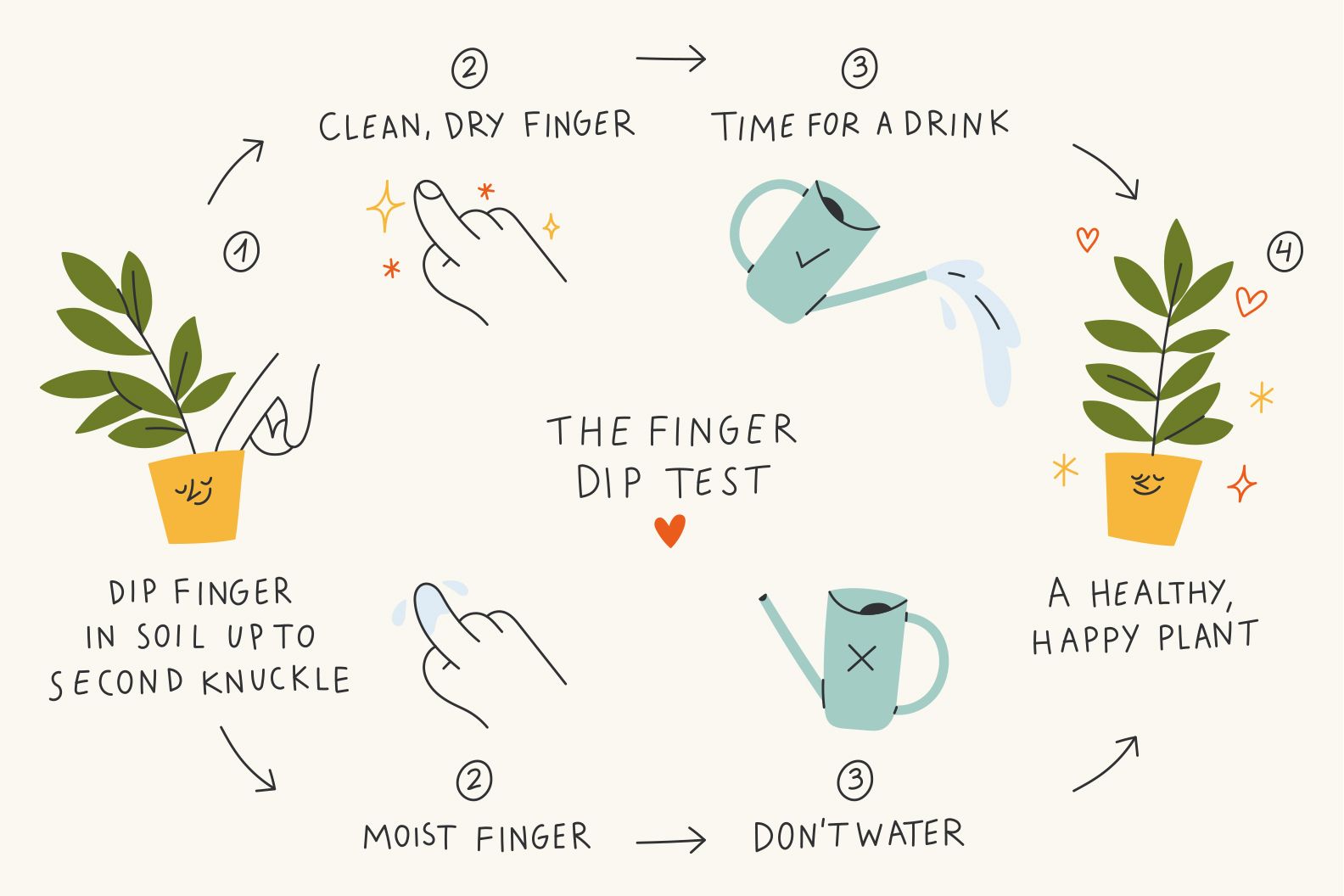
What does soggy soil feel like? Stick a finger an inch or two deep; if it feels cool and damp, wait to water. How fast should soil dry between waterings? It depends on plant type and pot, but many houseplants prefer the top 1–2 inches to dry first.

Source: youtube.com
Is it too late to save my overwatered plant?
If you catch it early, yes. Remove excess water, improve airflow, and let the soil dry; many plants bounce back within weeks.
How long should I let soil dry before watering again?
Wait until the top 1–2 inches are dry for most houseplants. Use a finger test or moisture meter for accuracy.
Source: gardeningincanada.net
Overwatered or Underwatered? How to Tell the Difference
Overwatering and underwatering cause almost identical symptoms — wilting, yellowing, and drooping — which is why so many people water a struggling plant more and make it worse. The soil is the tell: overwatered soil is dark, damp, and heavy; underwatered soil is pale, dry, and pulls away from the pot’s edge.
| Sign | Overwatered | Underwatered |
|---|---|---|
| Soil feel | Wet, cool, heavy pot | Dry, crumbly, light pot |
| Leaf texture | Soft, mushy, yellow from the base up | Crisp, papery, browning at the tips/edges |
| Smell | Musty or sour | No unusual smell |
| Roots | Dark, mushy, foul-smelling | Dry, brittle, but still pale |
If you’re not sure which one you’re dealing with, check the soil before doing anything else — it’s the fastest way to avoid making the wrong problem worse.
Overwatered Succulents and Cacti: What’s Different
Succulents and cacti show overwatering differently than leafy houseplants — instead of yellowing gradually, their leaves turn translucent and mushy, sometimes within days. Their thick, water-storing leaves swell and rupture at the cell level when they take on too much water, which is why damage can look sudden even though the cause built up over time.
The fix follows the same core steps — stop watering, drain, inspect the roots — but succulents recover faster in a grittier, faster-draining mix (a cactus or succulent blend with extra perlite or coarse sand) and generally need longer stretches between waterings than other houseplants once they’re back on track.
Immediate steps to save an overwatered plant
- Stop watering immediately. Do not water again until the plant shows recovery signs or the soil dries appropriately.
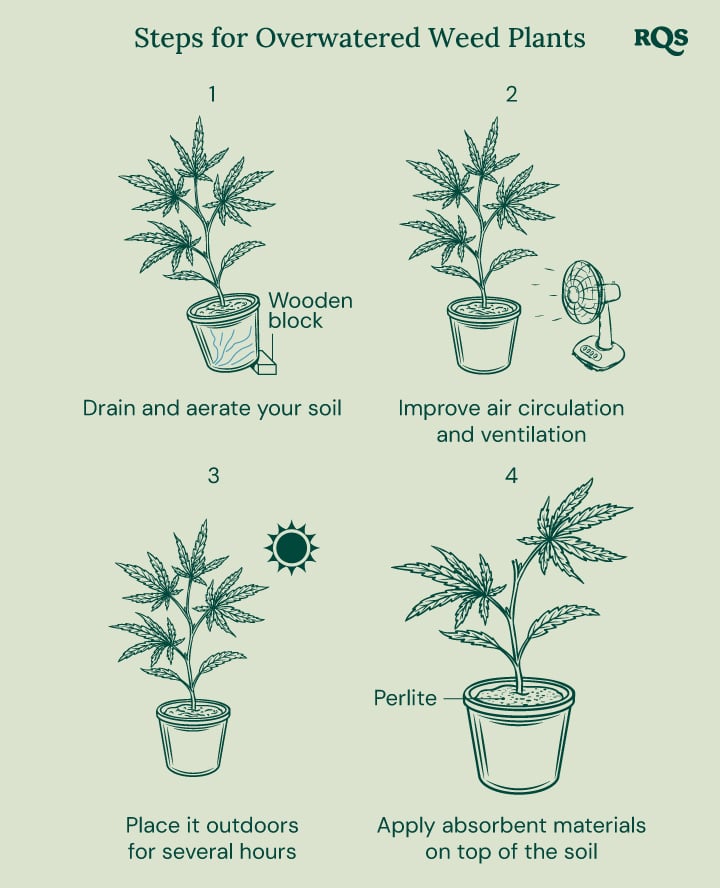
- Improve airflow and light. Move the plant to a bright spot with indirect light and increase air circulation. Light and air speed drying of the soil and leaves.
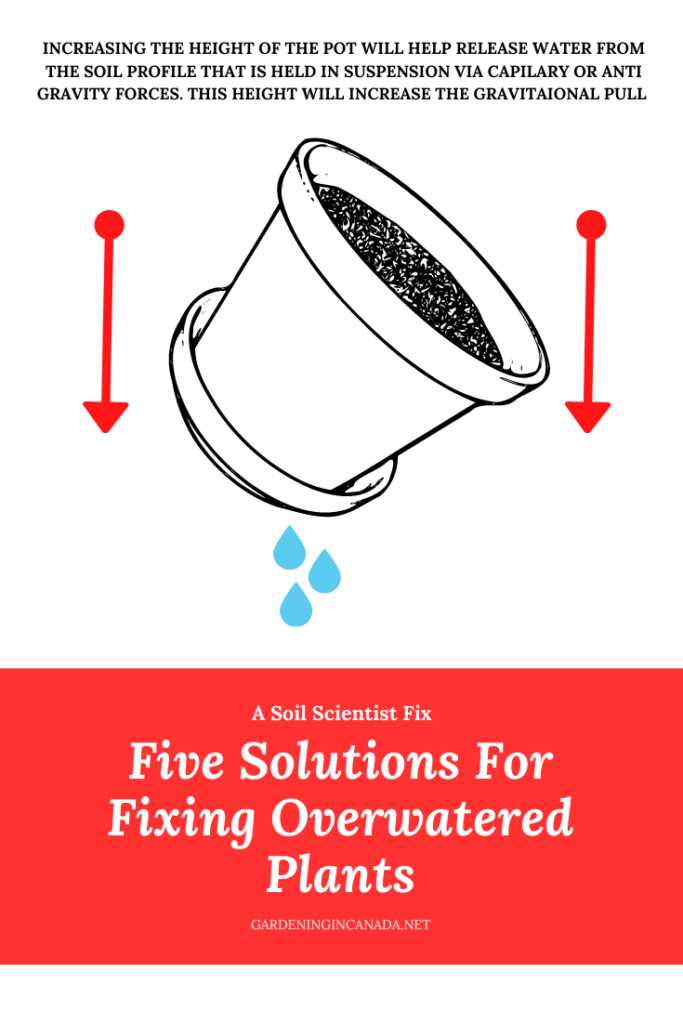
- Remove standing water. Tip the pot to drain excess water or lift the plant out and empty the saucer. This prevents roots from sitting in water.
- Check the roots. Gently lift the plant from its pot to inspect roots. Healthy roots are firm and white; rotten roots are brown or black and mushy.
- Trim rotten roots and leaves. Use clean scissors, remove dead roots and yellow leaves, and sterilize tools to avoid spreading disease.If you have other plants nearby, keep the affected one separate for now and avoid letting pots share a saucer or drainage tray — the fungi and water molds behind root rot spread easily through shared water and unclean tools.
- Let the soil dry. After trimming, leave roots exposed to air for a short time if heavily waterlogged, then repot in dry, fresh soil if needed.Hold off on fertilizer. Don’t feed the plant again until you see new growth. A stressed, waterlogged root system can’t process fertilizer well, and feeding too early can add further stress right when the roots need to focus on recovery.
These steps are the fastest way to halt damage. Repeat checks every few days and adjust care based on recovery.

Source: youtube.com
Repotting, root care, and soil fixes
When to repot: repot when roots are rotten, soil stays waterlogged, or drainage is blocked. Use a pot one size larger if roots are tight, but if root rot is severe, use the same pot after cleaning.
Repotting steps:
- Gently remove the plant and shake away old wet soil.
- Trim all mushy roots back to firm tissue.
- Clean the pot with mild bleach solution if reusing.Some growers use a diluted hydrogen peroxide rinse (commonly around 1 part standard 3% hydrogen peroxide to 2–3 parts water) as a one-time root dip or soil drench after repotting — it can add oxygen back into the root zone and help disinfect cut roots, though it won’t undo waterlogged soil on its own. Correcting drainage and watering habits is still the real fix; treat hydrogen peroxide as a supporting step, not a substitute for it. If fungal infection is severe or persistent, a fungicide labeled for the specific pathogen is a better next step than repeated peroxide treatments — always follow the product label.
- Use a well-draining potting mix suited to the plant (add perlite or coarse sand for drainage).
- Plant at the same depth and water lightly only after the top inch dries.
Soil fixes if you cannot repot:
- Top-dress with fresh gritty mix to improve drainage.
- Add perlite to loosen compacted soil.
- Drill extra drainage holes if the pot lacks them and you can safely do so.
If root rot is extensive, consider propagation from healthy cuttings. Sterilize tools and hands to prevent spreading pathogens. Use a diluted fungicide only as a last resort for severe fungal infections.

Source: pilea.com
Preventing overwatering long term
Use these habits and tools to stop future overwatering. They are simple and effective.
- Learn your plant’s needs. Research each species for water preferences and seasons of slower growth.
- Use the finger test and a moisture meter. Check soil before you water. A meter gives objective data.
- Pick the right pot and soil. Pots with drainage holes and free-draining mixes cut risk.
- Water deliberately. Water until it drains through the bottom, then discard excess from the saucer.
- Adjust for seasons. Plants need less water in winter and more during active growth.
- Create a routine but not a schedule. Use cues like soil dryness and leaf feel instead of watering on fixed days.Consider your pot material. Unglazed terracotta is porous and dries out faster than plastic or glazed ceramic, which makes it more forgiving if you tend to water often. If you love glazed or plastic pots, just adjust your watering frequency downward to compensate.
These steps reduce guesswork and make caring for plants feel easy.

Source: youtube.com
Personal experience: mistakes and lessons learned
Years ago I almost lost a beloved monstera by watering every Sunday. The leaves yellowed and the soil stayed soggy for weeks. I removed the plant, trimmed rotten roots, repotted in an airy mix, and switched to the finger test. The plant recovered in a month.
Lesson learned: schedules can kill plants. Trust what the plant and soil tell you. I now keep a moisture meter and write brief notes on watering needs for each plant. Small changes like using porous pots and adding perlite saved time and plants in the long run.

Source: wikihow.com
Frequently Asked Questions of how to fix overwatered plants
How quickly can an overwatered plant recover?
Recovery can start within a few days if caught early. Full recovery may take weeks to months depending on root damage and plant type.
Should I remove all the soil from an overwatered plant?
Not always. Remove soggy, compacted soil and rotten roots. If soil is extremely waterlogged or contaminated, repotting with fresh mix is best.
Can I save a plant with root rot?
Yes, often. Trim rotten roots, repot in dry, well-draining soil, and keep the plant in bright, indirect light. Severe rot may require propagation from healthy cuttings.
Is it okay to fertilize an overwatered plant?
Avoid fertilizing until the plant shows new growth. Fertilizer can stress weakened roots and worsen recovery.
Will adding more drainage holes help?
Yes, extra drainage often helps. Make sure the pot still supports the plant and use a saucer to catch excess water as needed.
How can I tell if my plant is overwatered or underwatered?
Check the soil first — overwatered soil is wet, heavy, and sometimes musty-smelling, while underwatered soil is dry, light, and pulling away from the pot’s sides. Overwatered leaves tend to turn soft and yellow from the base up; underwatered leaves usually turn brown and crispy at the tips first.
Can hydrogen peroxide help an overwatered plant?
A diluted hydrogen peroxide rinse can add oxygen back into waterlogged soil and help disinfect trimmed roots, but it won’t fix the underlying drainage or watering problem. Use it as a supporting step after repotting, not as a replacement for stopping overwatering and improving drainage.
Do succulents recover from overwatering differently than other houseplants?
Yes. Succulents show overwatering through translucent, mushy leaves rather than gradual yellowing, and damage can appear within days. They recover best in a fast-draining, gritty mix with longer gaps between waterings than typical leafy houseplants need.
Conclusion
Overwatering is common but fixable with swift action, better drainage, and smarter watering habits. Check soil before you water, trim rotten roots, repot if necessary, and change your routine to match each plant’s needs. Start today by testing soil moisture and adjusting one watering habit. Share your progress or questions below, subscribe for more plant care tips, or try the steps above on one plant and watch it recover.