Drip irrigation is usually better for water savings and plant health, while sprinklers suit lawns and quick coverage.
I have designed irrigation systems for home gardens and small farms for over a decade. This guide clearly compares drip irrigation vs sprinkler which is better for different needs. I explain how each system works, costs, water use, maintenance, and real-world trade-offs. Read on to pick the right system for your property with confidence.

Overview: drip irrigation vs sprinkler which is better
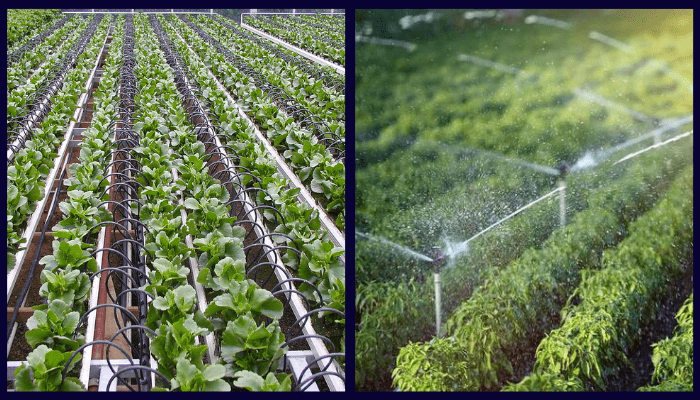
Drip irrigation delivers water slowly at the root zone. Sprinklers spray water over a wider area. The choice between drip irrigation vs sprinkler which is better depends on goals. If you want top water efficiency and healthier root systems, drip often wins. If you need fast coverage for turf or temporary cooling, sprinklers make sense. I will show clear criteria to decide.
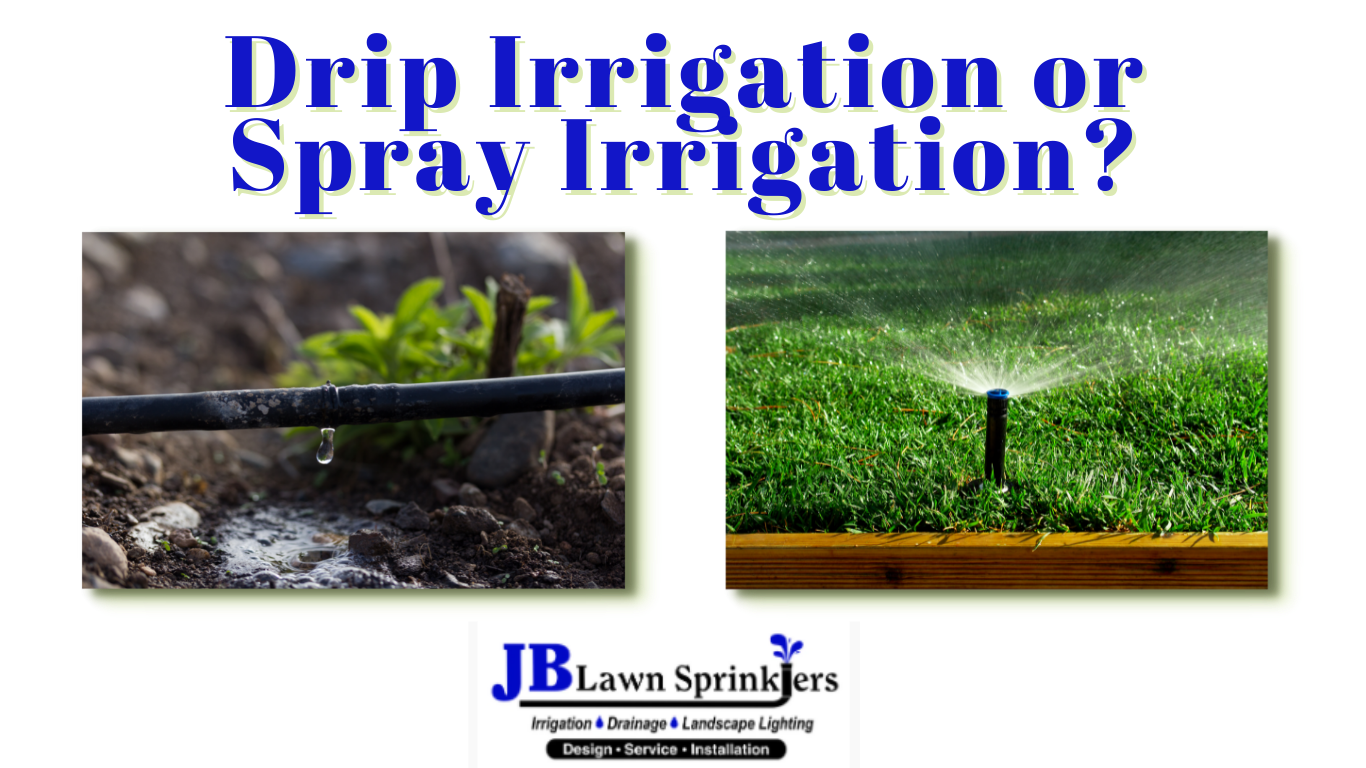
How each system works and main components
Drip irrigation details
- Emitters or drip tape release a slow, steady flow near roots.
- Main lines, pressure regulators, and filters keep flow steady.
- Controllers and timers automate schedules.
Sprinkler system details
- Rotors or spray heads distribute water in arcs.
- Pipes carry pressurized water to many heads.
- Timers and zone valves control run time.
Comparing mechanics helps answer drip irrigation vs sprinkler which is better. Drip targets roots directly. Sprinklers mimic rain. Choose based on plant type, soil, and layout.

Water efficiency and conservation: which saves more?
Drip irrigation is more water-efficient. It reduces evaporation and runoff. Typical savings range from 30 percent to 70 percent versus sprinklers for similar plantings. Sprinklers lose more to wind and surface evaporation. For arid climates and water limits, drip irrigation vs sprinkler which is better is clear: drip conserves more water. That said, dense lawn areas still need sprinklers for uniform green cover.
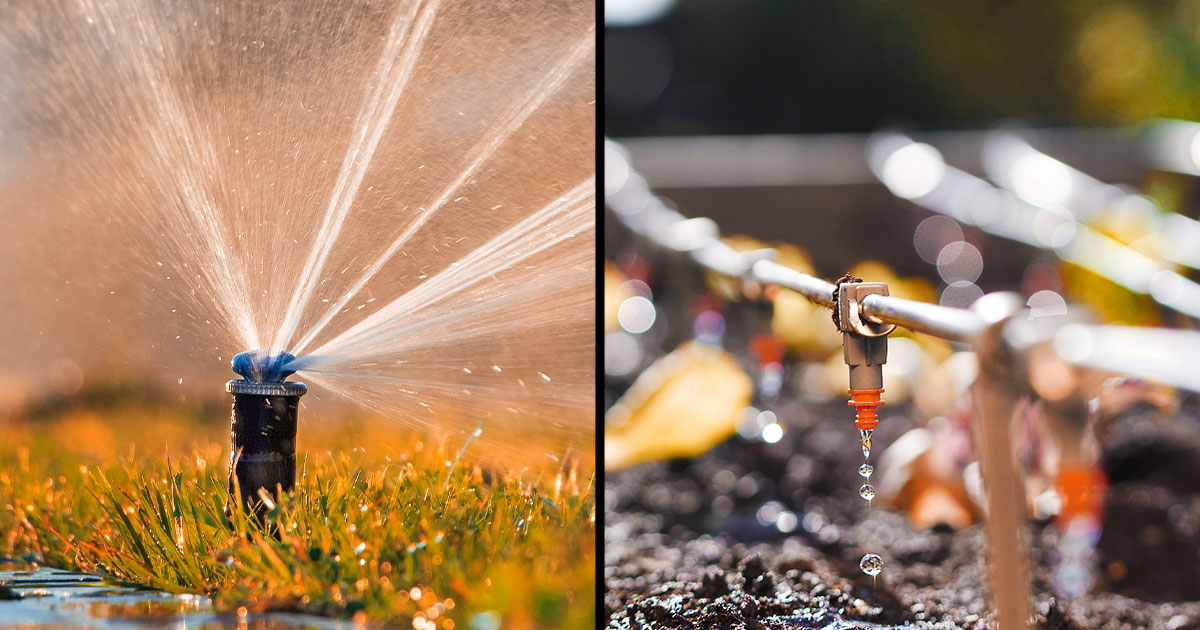
Cost, installation, and maintenance comparison
Upfront costs
- Drip irrigation often has lower material costs for small beds but higher layout time.
- Sprinklers can cost more for heads and zoning on larger lawns.
Installation and labor
- Drip systems require careful emitter placement. That takes time.
- Sprinkler systems need precise head placement and leveling.
Maintenance and lifespan
- Drip systems need filters and occasional flushing.
- Sprinklers need head alignment, winterizing, and leak checks.
From my projects, drip systems saved water and fertilizer. I made mistakes at first by using poor filters. Lesson learned: use quality filters and check pressure. When weighing drip irrigation vs sprinkler which is better, factor lifetime costs, not just initial price.
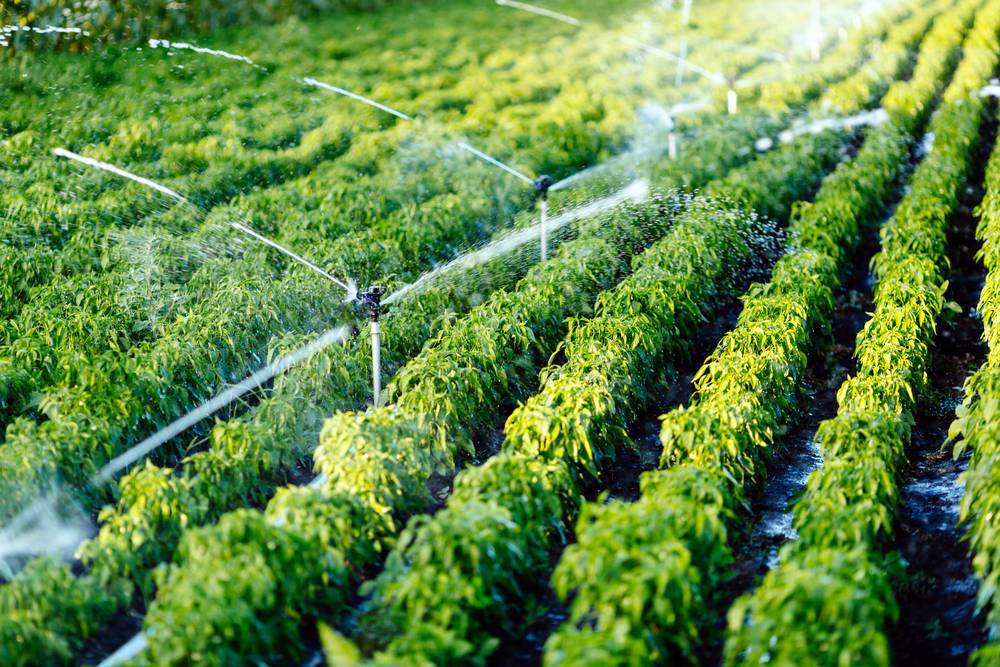
Plant types, soil, and site suitability
When to prefer drip irrigation
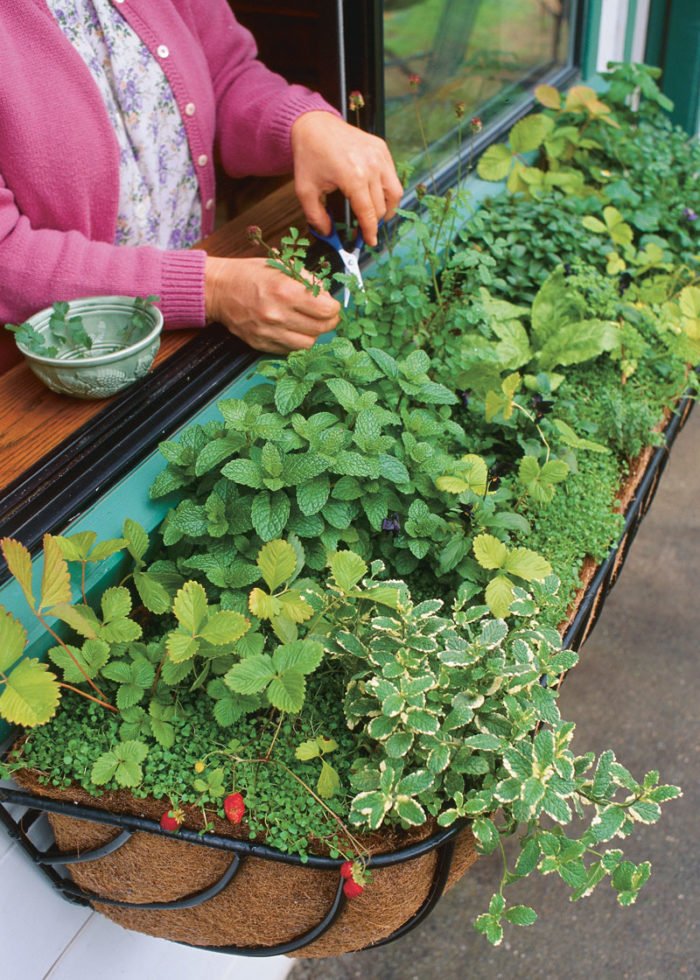
- Vegetables, fruit trees, and container plants benefit strongly.
- Sandy soils that drain fast do well with frequent drip.
- Sloped beds where runoff is a problem.
When to prefer sprinklers
- Lawns and turf need overhead coverage.
- Large open areas or new seed beds require even moisture.
- Temporary cooling or frost protection needs overhead spray.
Think about microclimates on your property. I used a hybrid approach on a hillside: drip for terraces, sprinklers for small lawn patches. That mix answered the question drip irrigation vs sprinkler which is better for each zone.

Environmental and water-quality considerations
Drip systems limit fertilizer loss to runoff. They can reduce soil erosion. Sprinklers can wash nutrients from the surface into storm drains. In water-restricted regions, drip irrigation vs sprinkler which is better leans to drip to meet regulations. Note limits: drip can clog from hard water or organic matter. Good filtration and maintenance fix that.
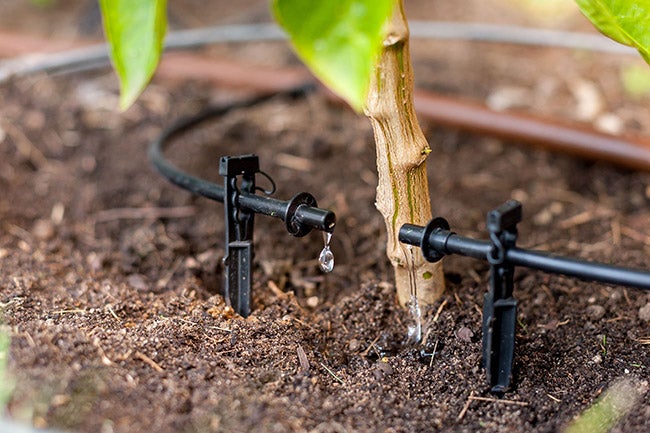
Decision framework: pick the right system for your goals
Ask these questions
- What do you grow? Vegetables and trees or turf?
- How large is the area? Small beds or large lawn?
- What is your water budget? Strict or generous?
- How much time can you maintain the system?
Step-by-step pick
- Map your yard by zone and sun exposure.
- Assign water needs to each zone.
- Choose drip for targeted, high-value plant zones.
- Choose sprinklers for uniform turf zones.
- Consider a hybrid system if you have both.
Quick PAA-style questions
Will drip work on slopes?
Drip works well on slopes because it reduces runoff and soaks water in slowly.
Can sprinklers water containers?
Sprinklers often waste water on containers. Drip with stakes is better for potted plants.
Should I mix both systems?
Yes. Mixing drip and sprinkler lets you match system type to plant needs and saves water.
This framework should help if you still wonder drip irrigation vs sprinkler which is better for your site.

My real-world experiences and lessons learned
I installed a drip system on a 50-foot vegetable bed for three seasons. Yields rose and I used less water. Early problems were clogging and wrong pressure. I added a reliable filter and a pressure regulator and the system ran smoothly. I also installed a small rotor sprinkler for a play lawn. That lawn stayed green but used more water. From these projects I learned to always zone by plant type. My tip: start small and expand. That method makes the drip irrigation vs sprinkler which is better decision low risk.
Frequently Asked Questions of drip irrigation vs sprinkler which is better
Is drip irrigation better for vegetable gardens?
Yes. Drip gives water directly to roots. It reduces disease from wet foliage and uses less water.
Are sprinklers better for lawns?
Yes. Sprinklers provide even overhead coverage that lawns need. They are faster for larger turf areas.
Which system costs less to run?
Drip systems often cost less to run due to water savings. Sprinklers can use more water and raise bills.
Can drip and sprinkler systems work together?
They can. Use drip for beds and sprinklers for turf. Hybrid systems are common and efficient.
How often should I maintain each system?
Check drip filters and flush lines seasonally. Inspect sprinkler heads and valves before the season and after storms.
Conclusion
Choose the system that matches plant type, water goals, and maintenance capacity. For water efficiency and plant health, drip irrigation often wins. For quick lawn coverage and some large-area needs, sprinklers remain useful. Start with a small zone test if unsure. Try a hybrid approach if you have mixed needs. If this helped, try mapping your yard, sketch zones, and plan one pilot zone this season — then expand based on results. Share your experience or questions below to keep the conversation going.