Raised bed gardening gives richer soil, better drainage, and easier, more productive vegetable beds.
I’ve built and tended dozens of raised beds over the last decade, and I write from hands-on experience and practical knowledge. This guide explains how raised bed gardening works, why it often outperforms in-ground beds, and how to plan, build, plant, and maintain your own beds so you harvest more with less hassle. Read on for step-by-step tips, real-life lessons, and simple recipes for soil that your plants will love.

Why choose raised bed gardening?
Raised bed gardening boosts yields, improves drainage, and makes care easier.
Raised bed gardening gives you control over soil, reduces compaction, and shortens weeding time.
It also helps extend your season, manage pests, and grow in poor or sloped sites.
Benefits at a glance
- Better drainage and aeration for roots.
- Warmer soil in spring, so plants start earlier.
- Easier access for planting, weeding, and harvesting.
- Clearer soil structure for better root growth.
- Ideal for intensive planting and small spaces.
My experience: a 4×8 cedar bed turned a clay, compacted yard into a productive vegetable patch within one season. Raised bed gardening solved drainage and soil fertility problems fast.

Planning and site selection
Pick a sunny spot with at least 6 hours of direct sun for most vegetables.
Choose a level area or terrace a slope with multiple beds.
Keep beds near a water source to make irrigation simple.
Site checklist
- Sun: 6+ hours daily for tomatoes, peppers, and most herbs.
- Water: within easy reach of a hose or drip system.
- Access: leave paths wide enough to move a wheelbarrow.
- Wind: situate or screen beds to avoid harsh winds.
- Shade: use partial shade for lettuces and greens in hot climates.
I once placed a bed too close to a large tree. Roots stole moisture and nutrients. Lesson learned: leave trees and big shrubs a few feet away or use very deep beds for root competition.

Building a raised bed: materials and steps
Choose materials that last and are safe for food crops. Common choices include untreated cedar, redwood, recycled composite lumber, bricks, concrete blocks, and galvanized steel. Avoid treated lumber with older preservatives that can leach.
Simple build steps
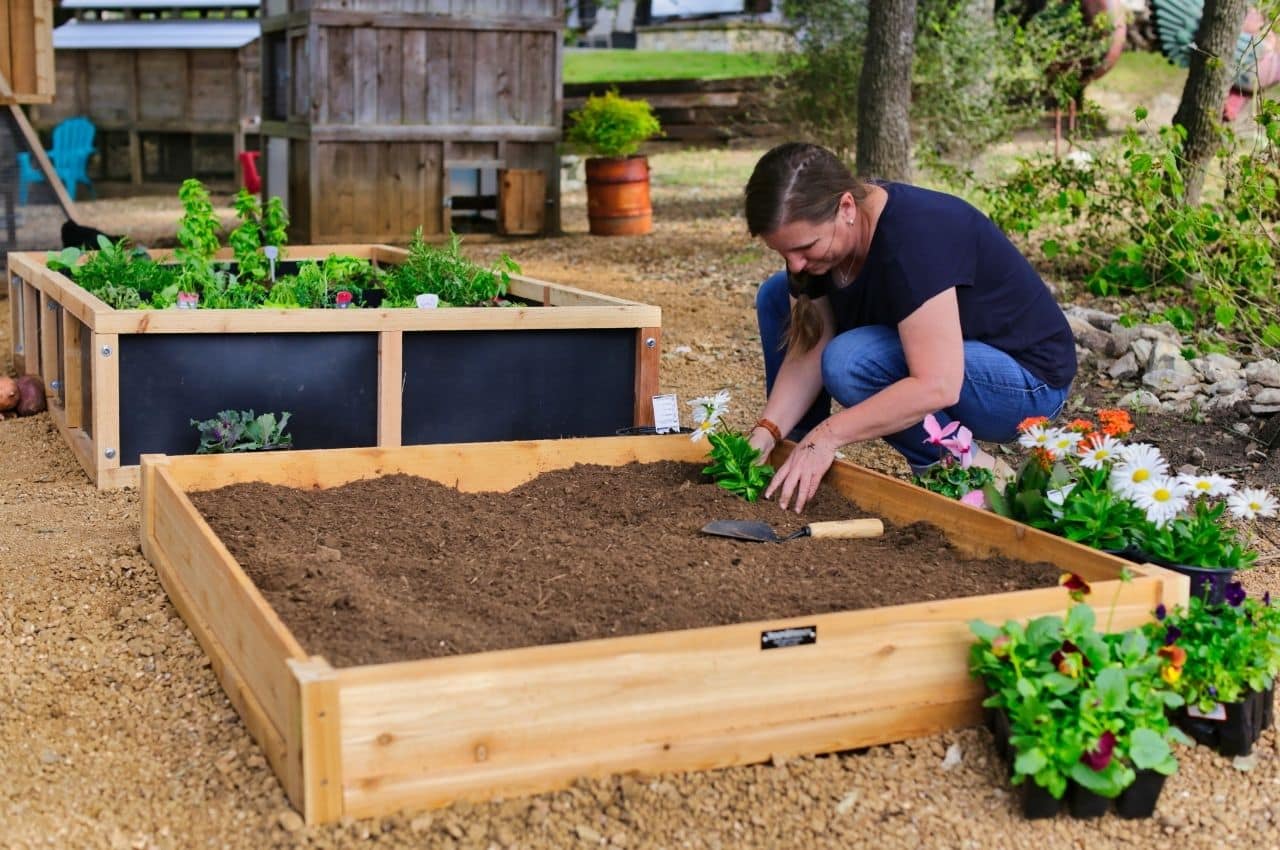
- Decide size: 4 feet wide is common so you can reach the center from either side.
- Choose height: 6–12 inches for shallow crops, 12–24 inches for deep roots or poor native soil.
- Assemble sides: screw boards together or stack blocks.
- Add a bottom layer: leave open bottom for root access, or use weed fabric for heavy weed pressure.
- Fill with soil mix (see next section).
Pro tips
- Use stainless or coated screws to avoid rust.
- Add a footboard or stepping stone to preserve soil structure around beds.
- If mobility matters, build on legs for a raised table bed.
I built modular 4×4 beds that I can re-arrange depending on crop rotation. This flexibility made rotating heavy feeders much easier.

Soil, compost, and amendments for raised bed gardening
Soil is the heart of raised bed gardening. Use a mix that drains, holds water, and feeds plants. A reliable mix is one part compost, one part topsoil, and one part coarse material like coconut coir or aged bark. Avoid pure garden soil alone—it compacts in beds.
Soil mix recipe
- 40% high-quality compost for nutrients and biology.
- 40% screened topsoil or loam for structure.
- 20% coarse material like coir, pine bark fines, or perlite for aeration.
Key amendments
- Compost: rebuilds fertility and water retention.
- Lime or sulfur: adjust pH based on soil test.
- Rock phosphate or balanced organic fertilizer: support flowering and fruiting.
My hands-on tip: I test soil pH every two years and add compost annually in fall. That steady input prevents fertility dips and keeps raised bed gardening productive year after year.

Planting, crop choices, and spacing
Raised bed gardening supports both intensive and traditional spacing. Try square-foot gardening or row-style planting depending on crops.
Planting tips
- Use intensive spacing for salad greens and herbs to maximize yield.
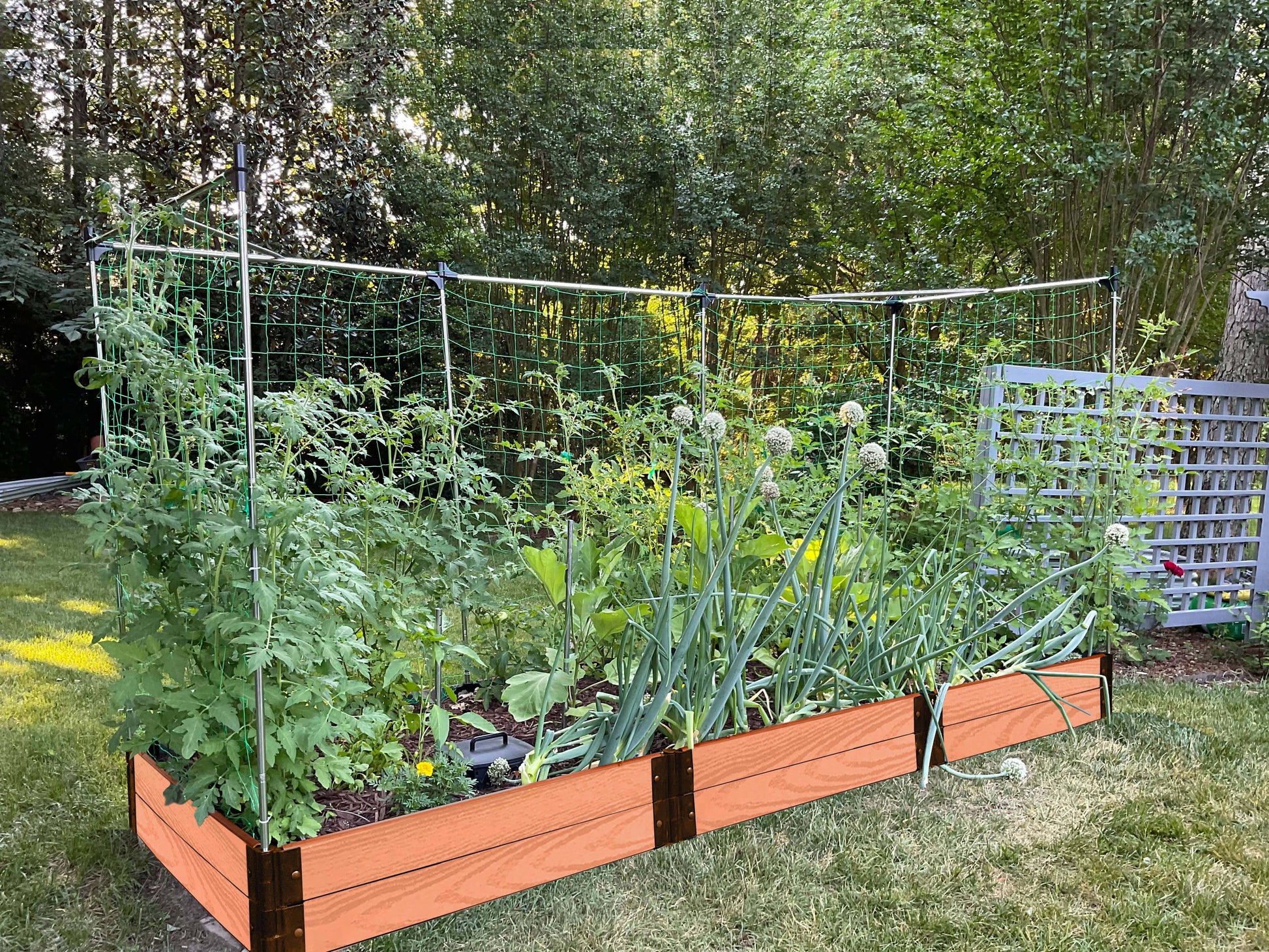
- Give vining plants vertical supports to save space.
- Rotate crop families each year to reduce disease and pest buildup.
Crop picks by bed size
- Small beds: lettuces, radishes, herbs, baby greens.
- Medium beds: peppers, bush beans, carrots, beets.
- Deep beds (12"+): tomatoes, peppers, potatoes, deep-rooted perennials.
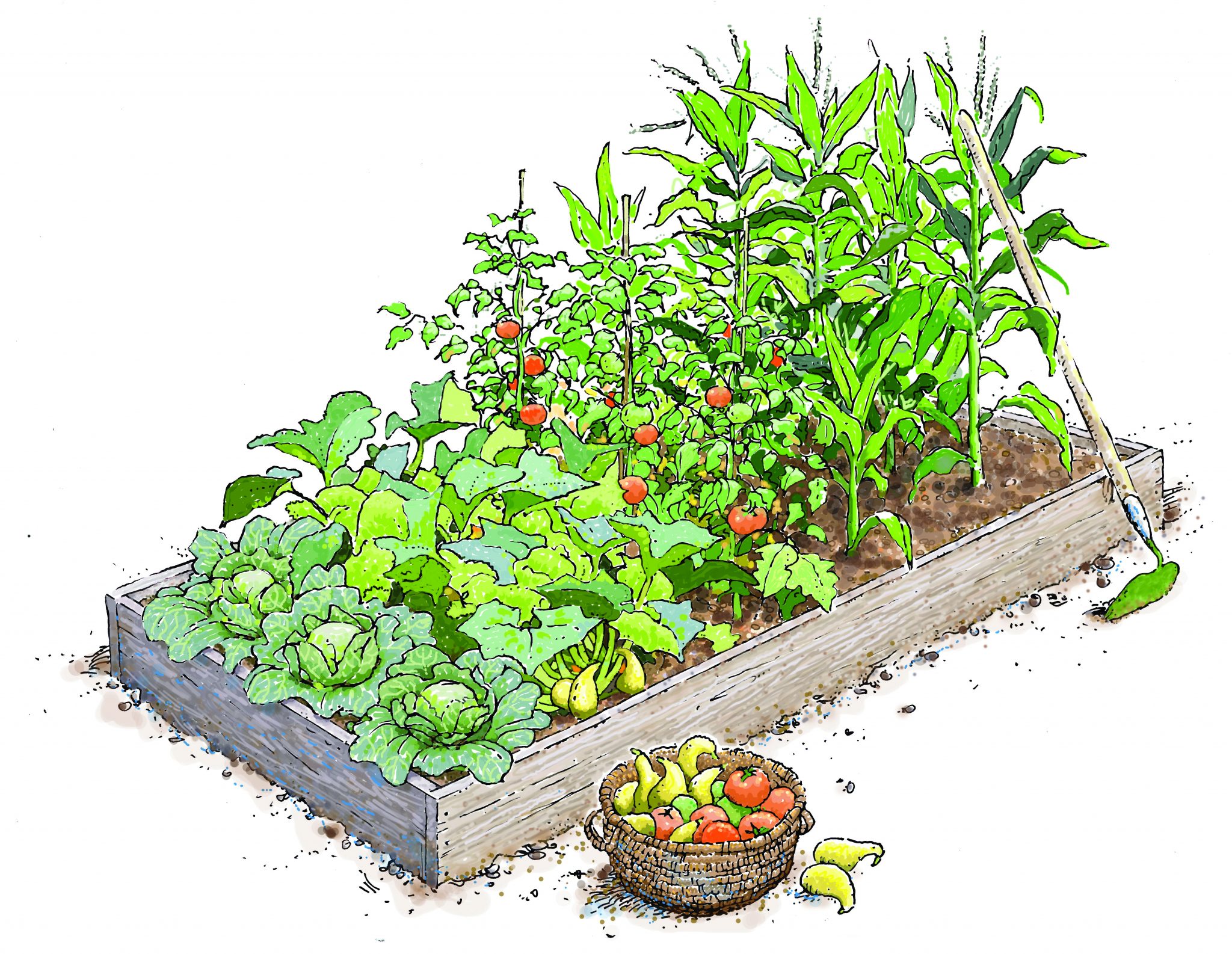
Personal note: I plant a mix of quick greens between slower crops. Quick greens fill space and feed the soil while tomatoes get big. It’s a small trick that keeps the bed producing continuously.
Watering, irrigation, and season extension
Consistent moisture is vital for raised bed gardening because beds dry faster than the ground. Drip irrigation and soaker hoses are efficient and save time.
Watering strategies
- Install drip tape or a soaker hose under mulch for even moisture.
- Mulch 2–3 inches to reduce evaporation and suppress weeds.
- Water early in the morning to reduce fungal risks.
Season extension techniques
- Use cold frames, row covers, or simple hoop tunnels.
- Add clear plastic or low tunnels for early spring warmth.
- Plant cold-hardy crops for fall and winter harvests in mild climates.
I once used floating row cover during a sudden spring frost. My seedlings survived and produced earlier than neighbors. That small investment sped harvests and proved the value of season extension in raised bed gardening.
Pest, disease, and maintenance strategies
Raised bed gardening reduces many problems, but pests and disease still occur. Good hygiene, crop rotation, and companion planting help a lot.
Preventive steps
- Rotate crops annually to cut disease cycles.
- Remove diseased plants promptly and compost only healthy material.
- Use physical barriers and netting against birds and larger pests.
- Encourage beneficial insects with flowering plants.
Common issues and fixes
- Aphids: blast with water or use insecticidal soap.
- Slugs: remove by hand or use traps.
- Powdery mildew: ensure airflow and avoid overhead watering.
A real mistake: I planted the same family in one bed for three years. Late blight showed up and cost a season. After that, I created a rotation plan and split beds by plant family. It worked.

People also ask (PAA-style quick questions)
How deep should raised bed gardening beds be?
Most vegetables do well in 12–18 inches of soil; shallow-rooted greens do fine in 6–8 inches, while carrots and potatoes may need deeper beds.
Can you put cardboard or landscape fabric at the bottom?
Yes. Cardboard can suppress weeds and decompose, enriching soil. Landscape fabric often reduces weed pressure but can block worms and roots if used long-term.
Is raised bed gardening more expensive?
Initial costs are higher for materials and soil, but raised bed gardening often pays off with higher yields, less labor, and reduced soil amendments over time.
Frequently Asked Questions of raised bed gardening
What is the best wood for raised bed gardening?
Cedar and redwood resist rot naturally and are safe for food crops. Untreated pine can work but may decompose faster.
How often should I add compost to a raised bed?
Add a thin layer of compost each fall or at the end of the growing season to refresh nutrients and organic matter.
Do I need a weed barrier under raised beds?
A weed barrier helps in heavy weed areas, but it can hinder earthworms. Cardboard is a good compromise: it suppresses weeds and breaks down.
How do I prevent soil compaction in raised beds?
Avoid walking in the bed and use defined paths. Add organic matter and root crops to maintain loose structure.
Can raised bed gardening be done on concrete or rooftops?
Yes. Use deep containers or beds and ensure proper drainage and structural support. Choose lightweight soil mixes and check building load limits.
Conclusion
Raised bed gardening gives control, higher yields, and easier maintenance. With simple planning, good soil, and consistent watering, anyone can turn poor ground into productive plots. Start small, learn by doing, and use rotation and compost to keep beds healthy. Try one bed this season—observe, adapt, and expand as you gain confidence. Leave a comment with your raised bed question or subscribe for seasonal tips and planting calendars.