Clay pots are better for root health and breathability, while plastic pots are lighter and cheaper.
I’ve worked with plants for years and tested both clay and plastic pots in homes and nurseries. This article answers clay pots vs plastic pots which is better with clear guidance. You will learn pros, cons, practical tips, and real-world advice to pick the right pot for your plants and life. Read on to make an informed choice that fits your plants, budget, and schedule.

Why the choice matters
Pots do more than hold soil. They affect watering, root health, temperature, and plant growth. The clay pots vs plastic pots which is better question matters for beginners and pros alike. Pick the wrong pot and you may water too often, stress roots, or stunt growth. Pick the right pot and your plants will thrive with less fuss.
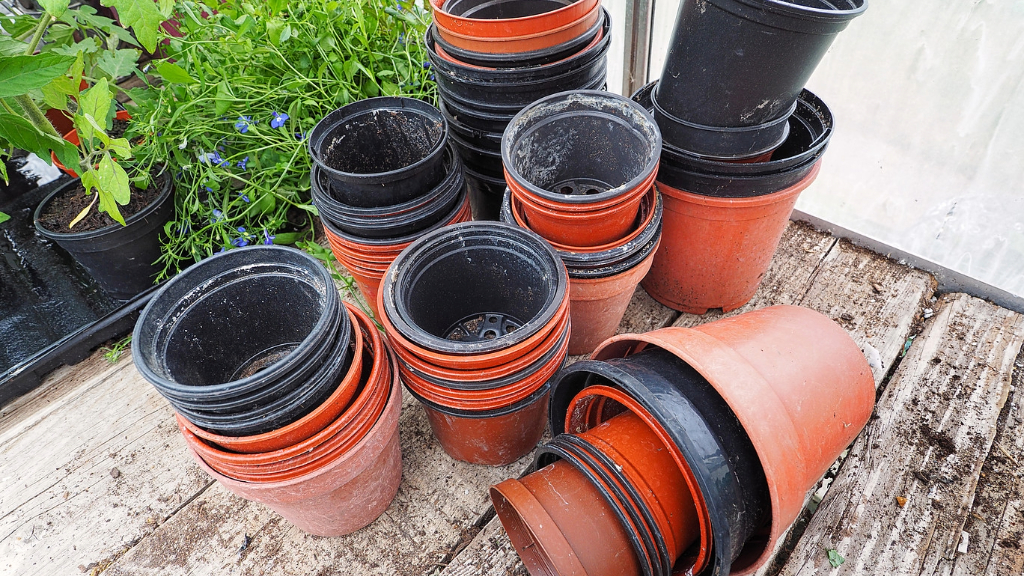
Clay pots: benefits, drawbacks, and best uses
Clay pots are made from baked clay. They are porous and heavy.
Benefits
- Improved aeration. Clay breathes, so roots get more oxygen.
- Better drainage. Soil dries faster, which reduces root rot risk.
- Stable temperature. Thick walls buffer rapid changes.
- Natural look. They fit many decor styles.
Drawbacks
- Dry out faster. You must water more often, especially indoors.
- Fragile. They break if dropped or frozen.
- Heavy. They are harder to move with large plants.
- Salt build-up. Minerals from water can leave white rings.
Best uses
- Plants that prefer dry soil between waterings, like succulents.
- Large outdoor pots where weight is not a problem.
- Long-term plantings where breathability helps root systems.
I often use clay for medium and large succulents on my sun porch. The plants look happier and need less repotting. The clay pots vs plastic pots which is better debate usually ends with clay for breathable, long-term care.

Plastic pots: benefits, drawbacks, and best uses
Plastic pots are light and cheap. They come in many sizes and colors.
Benefits
- Retain moisture longer, so less watering is needed.
- Durable and unbreakable for rough handling.
- Lightweight, easy to move and hang.
- Inexpensive and widely available.
Drawbacks
- Poor breathability can cause slow root growth or rot if overwatered.
- Can heat up in strong sun, stressing roots.
- Less aesthetic without a decorative cover.
- Plastic can degrade over years in sunlight.
Best uses
- Seedlings and young plants needing steady moisture.
- Indoor plants where watering consistency matters.
- Balcony or apartment gardening where weight limits apply.
For many busy plant parents, plastic wins because it reduces watering chores. Still, the clay pots vs plastic pots which is better question depends on your watering routine and plant type.

Key factors to consider when choosing a pot
Think about these points before buying.
Plant type
- Succulents and cacti prefer clay for faster drying.
- Ferns and tropicals do better in plastic for steady moisture.
Watering habits
- If you forget to water, plastic gives a safety net.
- If you water daily, clay helps prevent overwatering.
Climate and placement
- Hot, sunny spots can overheat plastic pots.
- Cold climates can crack clay when wet and frozen.
Size and weight
- Use lighter plastic for hanging baskets and balconies.
- Choose clay for stability with tall plants.
Aesthetics and cost
- Clay looks classic but costs more.
- Plastic is cheap and functional, and you can hide it with a decorative sleeve.
The clay pots vs plastic pots which is better choice depends on how these factors line up with your needs.
Personal experience, mistakes to avoid, and tips
I’ve repotted hundreds of plants. I learned a few clear lessons the hard way.
Mistakes I made
- Using clay for indoor ferns. They dried too fast.
- Choosing tiny plastic pots for fast growers. Roots bound quickly.
- Not checking drainage holes. Both types need good drainage.
Tips that helped
- Use plastic for seedlings and switch to clay as plants mature.
- Add a saucer under clay pots to protect wood surfaces.
- Use lighter potting mix in clay pots to help retain some moisture.
One real-life example: I had a jade plant in plastic that kept getting root rot. Moving it to a clay pot and changing the soil fixed the issue within weeks. That taught me when clay pots vs plastic pots which is better for a given species.

How to choose for common scenarios
Match pot type to the situation with these quick rules.
Indoor apartments
- Use plastic for lower maintenance. Consider decorative covers.
Outdoor garden beds and patios
- Use clay for large, permanent pots. It looks natural and breathes.
Succulents and cacti
- Prefer clay for quick drainage and root strength.
Seedlings and young plants
- Start in plastic to keep soil moist and light for handling.
Renters or mobility needs
- Use plastic for light weight and unbreakable durability.
Remember: you can mix and match. Use plastic for trays and temporary pots. Move plants to clay for long-term growth. The clay pots vs plastic pots which is better answer often becomes "both, at different stages."

Frequently Asked Questions of clay pots vs plastic pots which is better
Are clay pots better than plastic for plant growth?
Clay pots promote better air flow to roots and reduce overwatering risks, which can improve plant growth for many species. Some plants that need steady moisture may do better in plastic.
Do plastic pots cause root rot more often?
Plastic can lead to root rot if soil stays too wet and drainage is poor. Proper potting mix and drainage holes reduce that risk.
How often should I water plants in clay vs plastic pots?
Clay pots dry faster, so water more often—usually every few days in warm weather. Plastic pots retain moisture longer, so water less frequently based on soil feel.
Can I put plastic pots outside in the sun?
You can, but plastic may heat up and stress roots in direct sun. Use light-colored plastic or place them in partial shade to reduce heat impact.
Should I repot seedlings into clay or plastic?
Start seedlings in plastic for moisture control and ease of handling. Move to clay as they grow and need better aeration and drainage.
How do I prevent salt buildup in clay pots?
Flush soil with extra water occasionally and scrub the pot rim to remove salts. Repotting into fresh soil every year or two also helps.
Conclusion
Choosing between clay pots and plastic pots comes down to plant needs, your routine, and where the plants live. Clay pots offer breathability and stable root health, while plastic pots give ease, light weight, and lower cost. Try both: use plastic for seedlings and busy schedules, and use clay for mature plants that need better airflow. Make a small test by repotting one plant into clay and another into plastic to see which performs best.
Take action today: evaluate a few plants, pick one to test in the other pot type, and track water needs for a month. Share your results or questions below and subscribe for more practical plant advice.