Raised bed vs in ground gardening pros cons: raised beds give control, in-ground gives scale and low cost.
I have spent over a decade growing food and flowers in both raised beds and in-ground plots. I know the strengths and limits of each method. This guide compares raised bed vs in ground gardening pros cons in clear, practical terms. Read on to learn which approach fits your yard, budget, time, and goals.

Benefits of raised beds
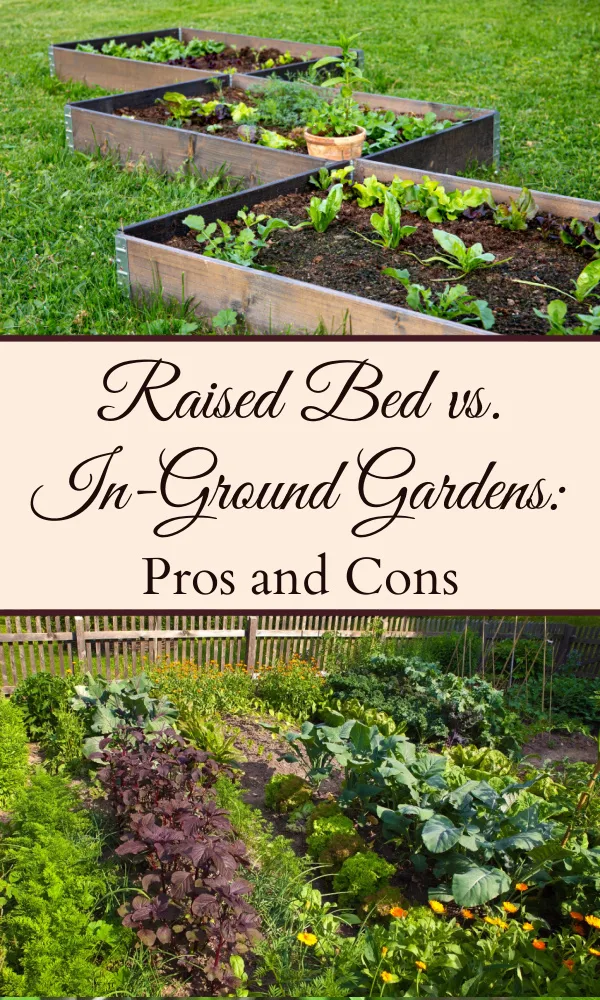
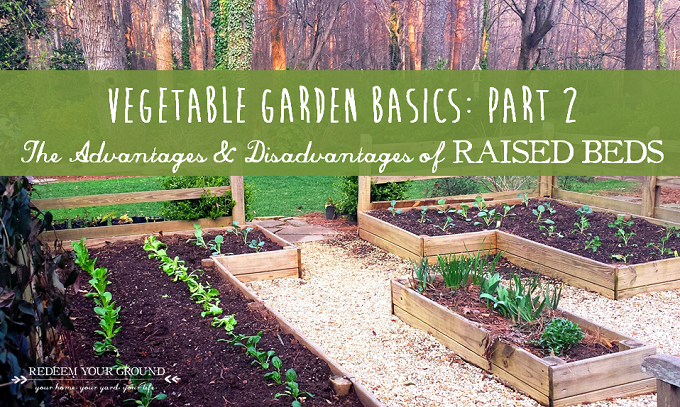
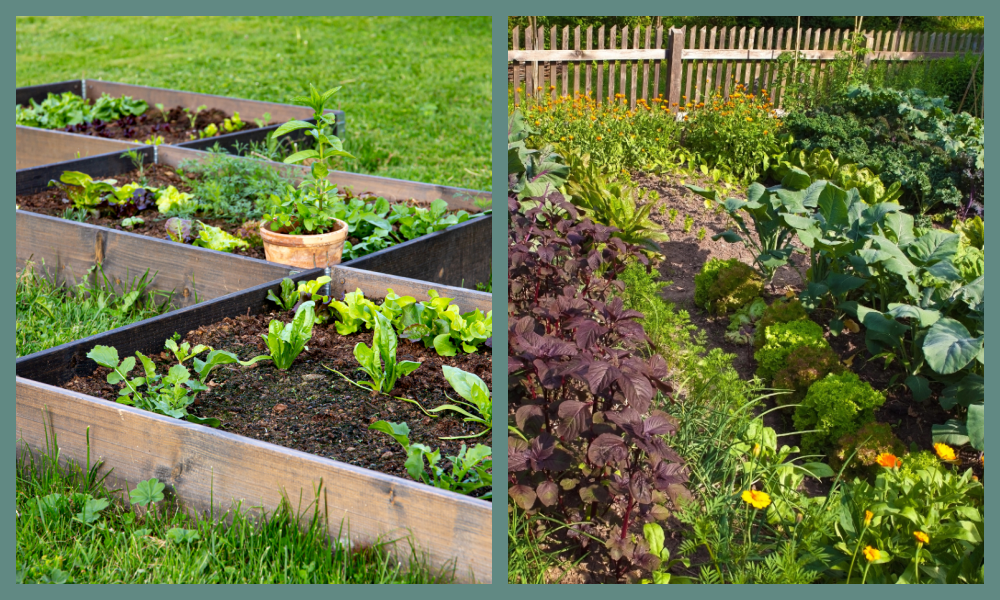
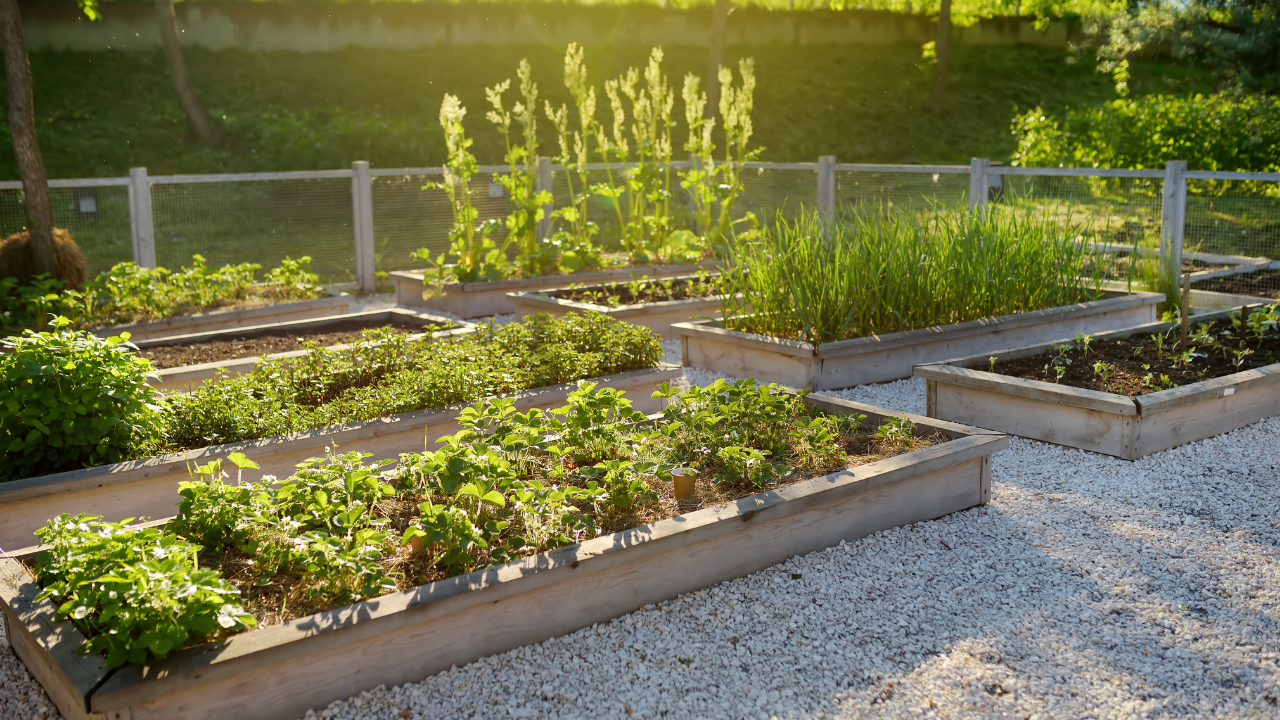
Raised bed vs in ground gardening pros cons often starts with raised beds because they offer fast wins. Raised beds warm earlier in spring. That means longer growing seasons for many crops. They also allow complete control of soil mix. If your native soil is poor, raised beds let you replace it without major digging.
Benefits at a glance:
- Better drainage and less compaction from foot traffic.
- Easier access for planting, weeding, and harvesting.
- Fewer soil-borne problems when you use a clean soil mix.
- Good for small yards, patios, and areas with poor soil.
I built my first raised beds on clay soil. Within one season, root health and yields improved. The work was worth it when my tomatoes produced earlier and fuller.
Benefits of in-ground gardening
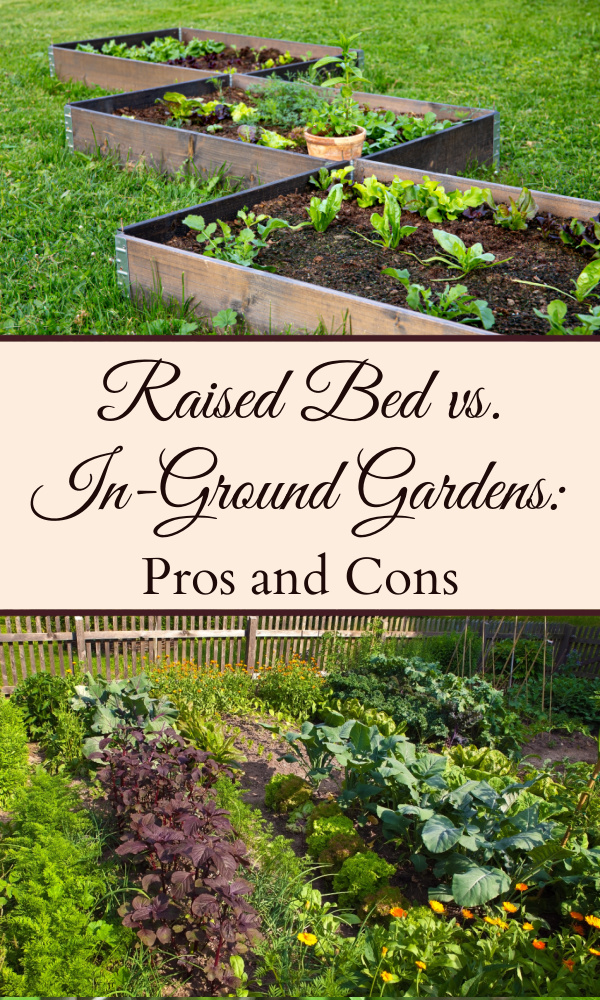
Raised bed vs in ground gardening pros cons also favors in-ground for scale and simplicity. In-ground gardens use the soil already in your yard. That makes them cheaper for larger plots. Deep-rooted crops thrive when they can reach native soil layers. In-ground beds also retain moisture longer in hot weather.
Why gardeners choose in-ground:
- Lower initial cost for large areas.
- Natural soil structure supports deep roots.
- Ideal for lawns converted to veg plots or large orchards.
- Less frequent watering for deep soils.
I took a 20-foot bed in my yard back to in-ground for squash and pumpkins. The plants had more vigor and needed fewer waterings than my raised boxes.

Drawbacks of raised beds
Raised bed vs in ground gardening pros cons must weigh the limits of raised beds too. Raised beds can dry out faster in hot weather. They can be costly up front if you buy lumber and soil. Some materials can leach chemicals if not chosen carefully. Large raised beds also mean more soil to water and amend.
Common raised bed cons:
- Higher initial cost for frames and soil.
- Need more frequent irrigation in heat.
- Limited root depth for very deep-rooted plants unless beds are very tall.
- Potential for frame decay if untreated wood is used.
I once used treated wood and had to replace boards after a few seasons. Now I use cedar or composite and line beds to reduce waste and maintenance.
Drawbacks of in-ground gardening
Raised bed vs in ground gardening pros cons list includes in-ground issues such as poor native soil and drainage problems. Heavy clay or rocky soils make planting harder. In-ground areas can harbor more weeds, pests, and soil-borne diseases. Fixing these problems takes time and labor.
Typical in-ground cons:
- Can be slow to improve if soil is poor.
- Harder to control weeds and certain pests.
- Compaction from walking reduces root growth.
- May require significant soil amendments for good yields.
I had a plot with compacted clay that yielded poorly until I added compost and cover crops for two seasons. It improved, but it took effort and patience.

How to choose: key factors to consider
Match the raised bed vs in ground gardening pros cons to your needs. Think about space, budget, soil quality, physical limits, and what you want to grow. Use this checklist to decide.
Checklist:
- Space and scale: Small yard favors raised beds. Large areas favor in-ground.
- Budget: Raised beds cost more up front. In-ground is cheaper for big plots.
- Soil quality: Poor soil favors raised beds. Good native soil favors in-ground.
- Physical ability: Raised beds are easier on knees and back.
- Water access: Raised beds often need more frequent watering.
Short personal rule: If the soil is good and you want scale, go in-ground. If the soil is poor, or you want speed and ease, choose raised beds.
Can I convert in-ground to raised beds?
Yes. You can build frames over existing soil or remove turf and add fill. Conversion helps if you need to avoid heavy digging or want better soil control. It costs more but speeds planting.
Will raised beds save water?
They can if you use good soil and mulch. But shallow beds dry faster than deep in-ground soil. Use drip irrigation and organic mulch to conserve water.
Are certain crops better for one method?
Yes. Shallow-root crops like lettuce and herbs do great in raised beds. Deep-root crops like asparagus or root vegetables may prefer in-ground or very deep raised beds.
Practical steps to set up each system
Follow simple steps to get good results. These steps work whether you choose raised bed vs in ground gardening pros cons.
For raised beds:
- Choose a location with 6–8 hours of sun.
- Build frames from cedar, composite, or stone.
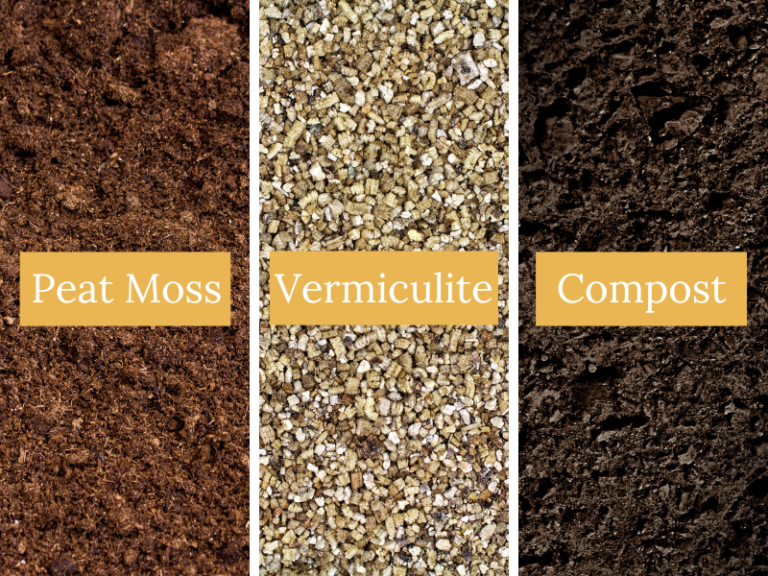
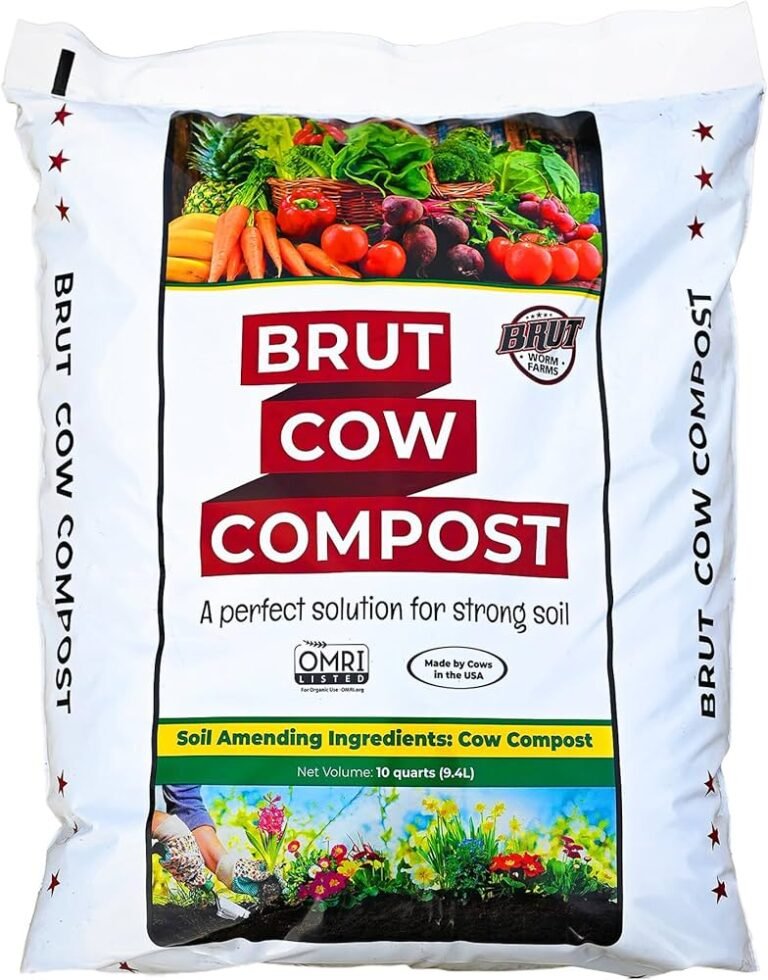
- Fill with a light mix: topsoil, compost, and well-rotted manure.
- Install drip irrigation and mulch.
For in-ground beds:
- Test your soil and amend with compost.
- Remove sod and loosen the soil to at least 8–12 inches.
- Add organic matter and a cover crop for a season if soil is poor.
- Use pathways to avoid compaction and rotate crops.
I recommend starting small. I began with two 4×8 raised beds and one in-ground row. That mix helped me learn how each system behaves before scaling up.
Cost and maintenance comparison
Budget and time shape the raised bed vs in ground gardening pros cons decision. Costs vary by materials and soil needs. Maintenance differs too.
Cost and upkeep summary:
- Raised beds: higher upfront cost, easier weekly care, more watering.
- In-ground: lower start cost for large plots, more initial soil work, lower long-term irrigation in deep soils.
- Both need yearly compost and attention to pests.
Track costs and time for your first season. That gives real data to guide future choices.

Pest, disease, and soil health tips
Both systems need good practices. Healthy soil and crop rotation cut pest and disease risks. Raised beds reduce some soil-borne problems. In-ground beds can benefit from solarization or deep composting.
Best practices:
- Rotate families of crops each year.
- Add compost yearly to feed microbes.
- Use row covers for pests and to extend the season.
- Test soil every 2–3 years and adjust pH and nutrients.
From experience, a small raised bed covered with a light mesh saved my brassicas from flea beetles for weeks each spring.
Design ideas and space-saving tips
Design smart to get the most yield. Both raised and in-ground beds support intensive planting and companion planting. Vertical supports save space.
Ideas to try:
- Mix tall and low plants to use shade smartly.
- Use trellises on southern or western sides for vining crops.
- Plant quick crops (radish, lettuce) between slow ones (tomatoes).
- Consider hugelkultur or lasagna gardening for soil-building.
I grew cucumbers up a trellis on the side of a raised bed. It freed bed space for greens and doubled production.
Frequently Asked Questions of raised bed vs in ground gardening pros cons
What is the main advantage of a raised bed?
Raised beds offer better soil control, faster warming in spring, and easier access for planting and weeding.
Does in-ground produce bigger plants?
In-ground can produce larger deep-rooted plants because roots can go deeper into native soil and access more stored moisture.
How much soil do raised beds need?
A common depth is 12–18 inches for most vegetables. Deeper beds or trenching help root crops like carrots and parsnips.
Are raised beds pest-proof?
No. Raised beds reduce some soil pests but do not stop insects or above-ground pests. Use covers and good hygiene.
Can I use both systems together?
Yes. Many gardeners mix raised beds and in-ground rows. This hybrid approach uses the strengths of both methods.
Conclusion
Both methods work well when matched to your site and goals. Raised bed vs in ground gardening pros cons boils down to control versus scale. Choose raised beds for poor soil, easy access, and quick wins. Choose in-ground for large areas, deep roots, and cost savings on big plots. Try a small test plot of each if you can. Track results, learn, and adapt.
Ready to try? Pick one small bed, start simple, and watch how your garden responds. Share your results or questions below and subscribe for more practical gardening tips.