A practical pruning shears guide helps you pick, use, and care for the right secateurs.
I’ve spent years testing tools in gardens and small farms, and this pruning shears guide pulls together hands-on tips, clear buying advice, and step-by-step care routines. Read on to learn how to choose the best pruning shears, use them safely, keep them sharp, and avoid common mistakes so your plants and tools both thrive.
Why pruning shears matter and what this pruning shears guide covers
Pruning shears are the everyday tool for shaping plants, removing dead growth, and encouraging healthy shoots. This pruning shears guide explains why the right pair makes pruning faster, cleaner, and safer for plants.
Good cuts heal faster. Clean tools cut less cell tissue. This guide covers types, how to pick, how to use, how to maintain, and when to replace your shears. I write from field experience and tried-and-true methods that work in small yards and larger gardens.
Types of pruning shears and how they differ
Knowing types helps match a tool to the job. This pruning shears guide breaks down common designs and when to use them.
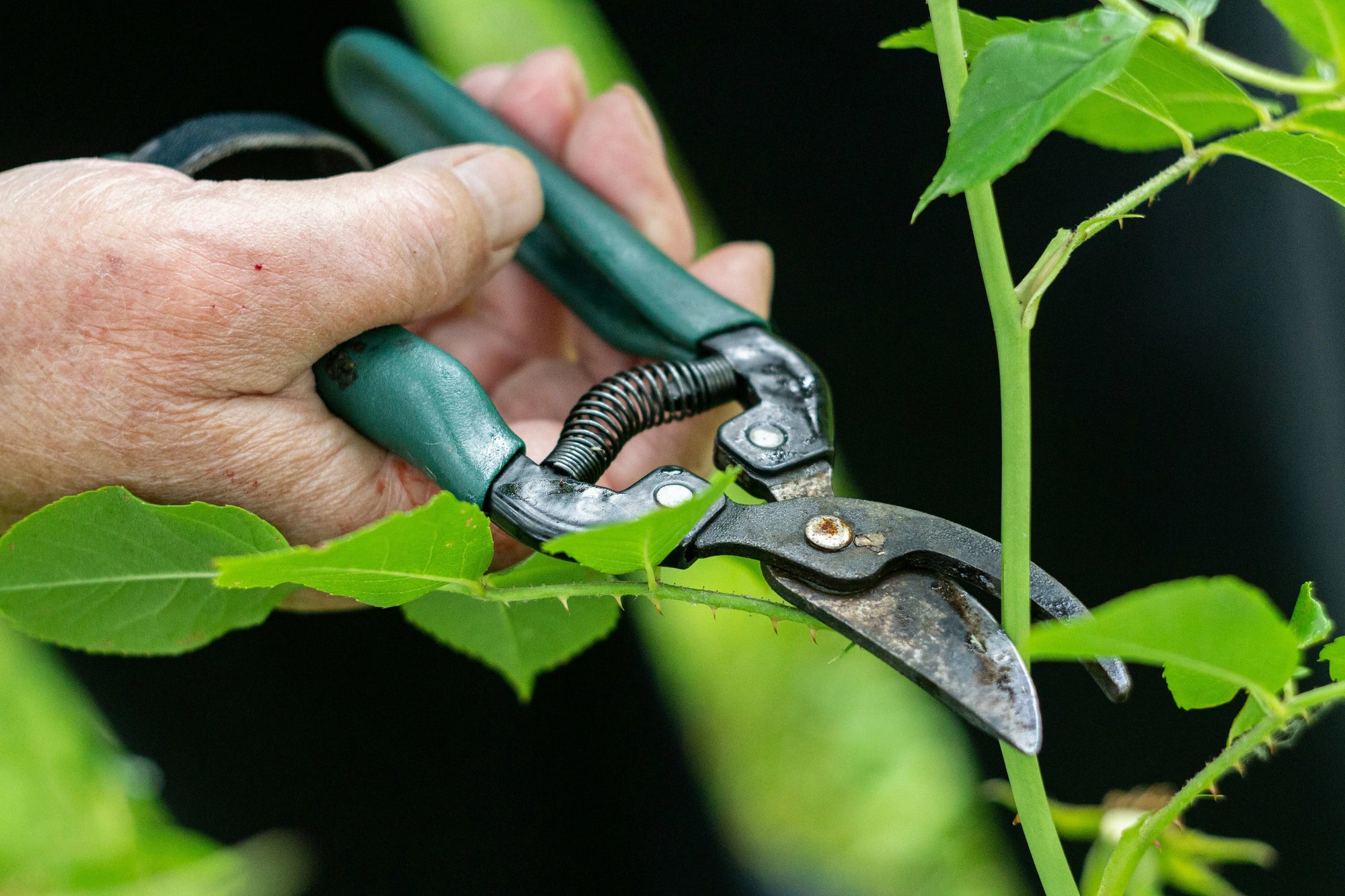
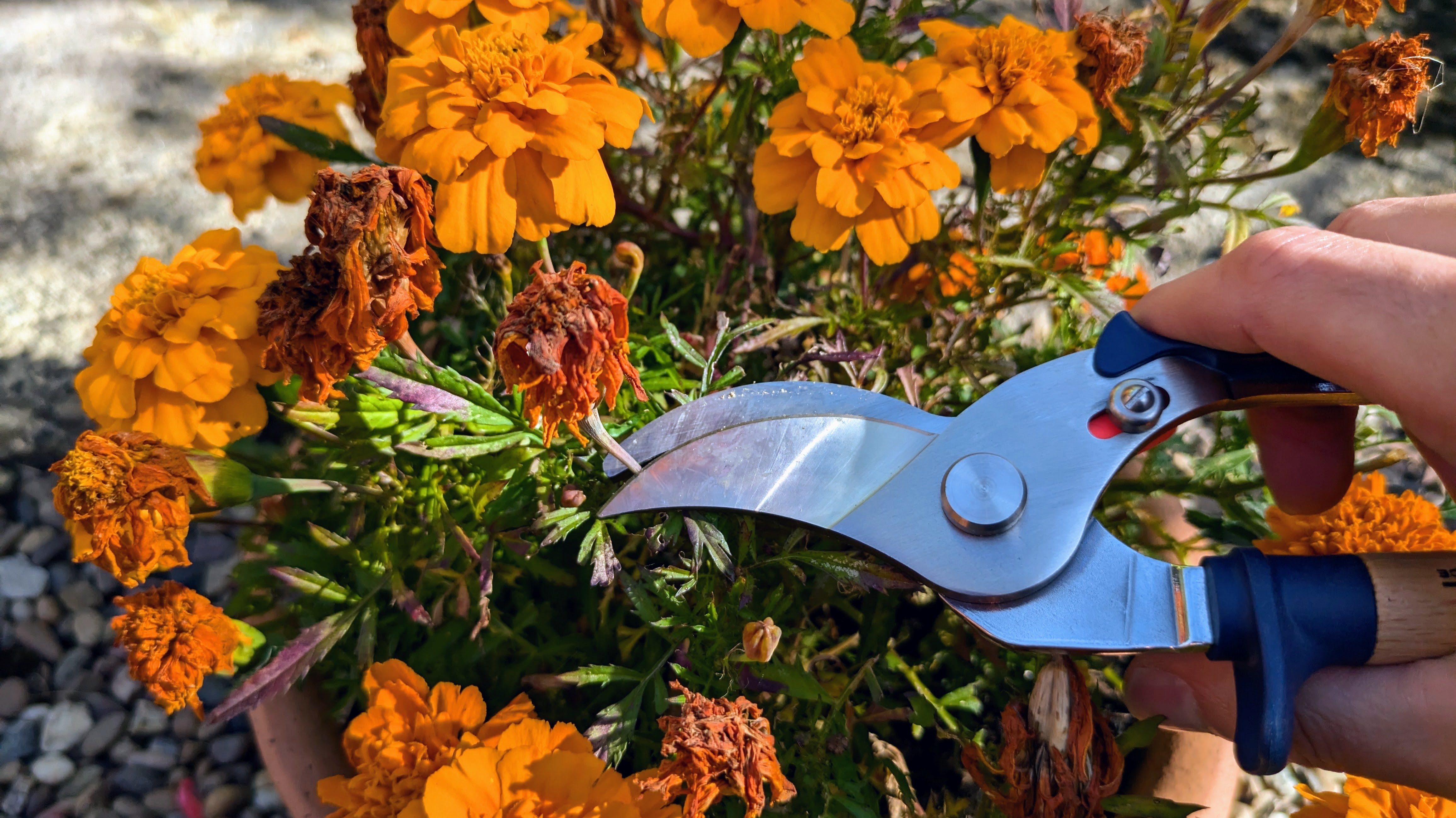
- Bypass secateurs
- Two sharp blades pass each other like scissors. Best for live wood and precise cuts.
- Anvil secateurs
- One sharp blade closes onto a flat plate. Good for dead wood and tougher, crushing cuts.
- Ratchet pruners
- A mechanism that multiplies force. Ideal for people with weak grip or thicker branches.
- Parrot-beak and pruning snips
- Small, precise blades for deadheading and fine work.
- Ergonomic and long-handle models
- Designed to reduce wrist strain and reach slightly higher branches.
I learned to carry two pairs: a lightweight bypass for daily trimming and a ratchet model for stubborn stems. Choose by plant type and hand strength.

How to choose pruning shears: key features to look for
This pruning shears guide helps you pick the right pair by focusing on important features.
- Blade material
- High-carbon steel holds an edge. Stainless steels resist rust.
- Blade type
- Sharp, thin blades suit live pruning. Thick blades fit rough dead wood.
- Handle comfort
- Look for cushioned grips and proper length for your hand size.
- Lock and safety
- A secure lock prevents accidental opening.
- Weight and balance
- Lighter tools reduce fatigue. Balanced tools give cleaner cuts.
- Price and warranty
- Spend for quality in high-use tools. Warranties often signal confidence from makers.
Try a tool in hand if you can. Comfort and control matter as much as blade quality.

How to use pruning shears: techniques for clean cuts
Using pruning shears correctly is central to plant health. This pruning shears guide gives simple, repeatable steps.
- Make clean cuts
- Cut at a slight angle to shed water and speed healing.
- Cut just above a bud
- Leave a small collar so the plant can seal the wound.
- Use the right tool for the branch
- Secateurs for stems up to 3/4 inch. Use loppers or saws for larger wood.
- Reduce crushing
* Bypass blades make cleaner cuts on live stems. Anvil blades can crush soft tissue. - Stroke and body mechanics
- Use your whole arm, not just the wrist. Anchor your elbow for steady work.
When pruning roses, I angle the cut 45 degrees above an outward-facing bud. Small habits like that improve growth and reduce disease risk.
Maintenance: cleaning, sharpening, and storage
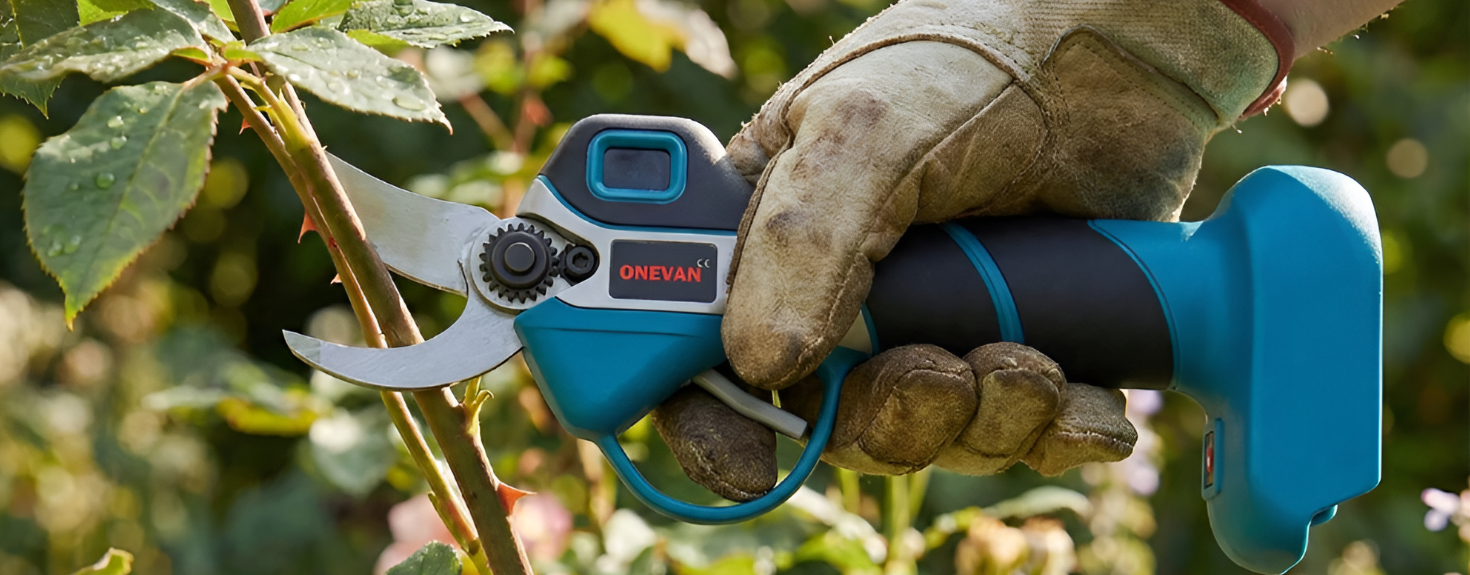
A well-maintained pair lasts years. This pruning shears guide offers a simple care routine.
- Clean after each use
- Wipe sap with soapy water or rubbing alcohol. Dry immediately.
- Disinfect between plants
- Use a diluted bleach or alcohol solution when moving between infected plants.
- Lubricate pivot
- A drop of oil keeps action smooth.
- Sharpen blades regularly
- Use a whetstone or file. Maintain the factory angle and make light passes.
- Replace parts when needed
- Replace springs, screws, and grips before rust or looseness worsens.
I sharpen every few weeks in heavy season. A dull blade forces you to squeeze harder and can damage both plant and tool.
Safety and best practices for pruning shears use
Safety protects you and others. This pruning shears guide highlights basic precautions.
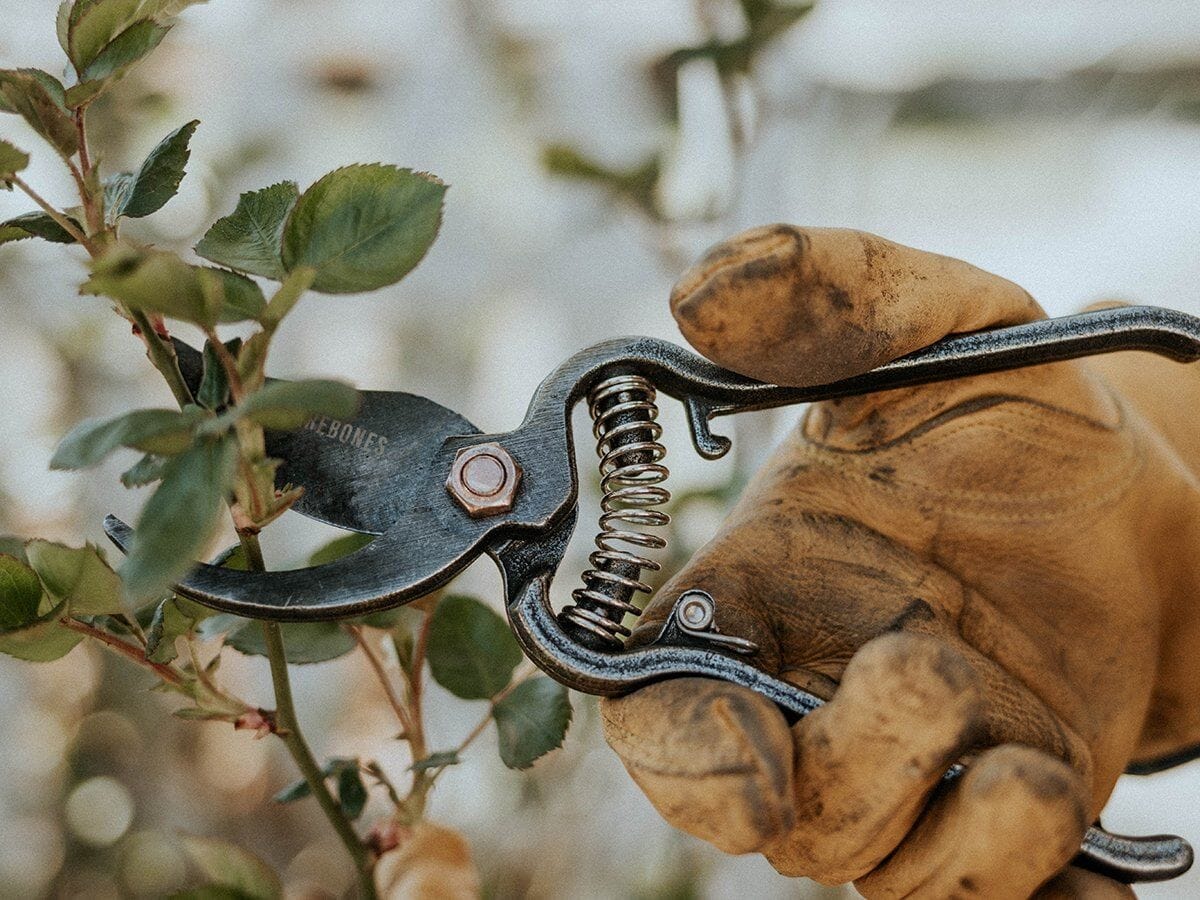
- Wear gloves and eye protection
- Protect hands from thorns and eyes from flying debris.
- Keep fingers away from the cutting line
- Hold the branch on the opposite side of the cut.
- Lock and store safely
- Engage the lock and store out of reach of kids.
- Use ladders with care
- Never prune beyond safe reach. Move the ladder instead of overextending.
I once cut my thumb slightly while hurrying; since then I slow down for safety. The small time saved is never worth an injury.

Common mistakes and how to avoid them
This pruning shears guide lists missteps I see often and how to fix them.
- Using dull shears
- Causes ragged cuts and plant stress. Keep blades sharp.
- Cutting too close or leaving stub
- Too close damages bark; too long invites decay. Aim just above the bud.
- Using wrong tool
- Don’t force secateurs on thick wood. Use loppers or saw.
- Skipping cleanup
- Dirty tools spread disease. Clean after use.
- Over-pruning
- Removing too much slows growth. Follow species-specific rules.
One tip: when in doubt, prune less. Plants tolerate under-pruning better than over-pruning.
When to replace pruning shears and alternatives
This pruning shears guide helps you know when replacement is due and what else to use.
- Replace when
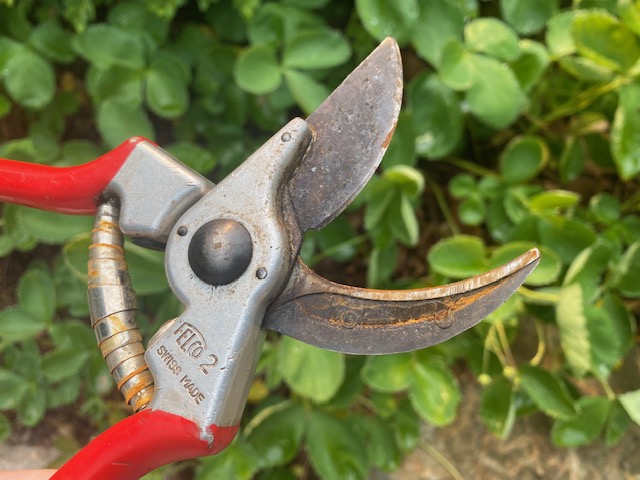
- Blades are pitted, bent, or cannot be sharpened.
- Pivot is too loose and cannot be tightened.
- Handles crack or springs fail.
- Alternatives for bigger jobs
- Loppers for thicker branches.
- Pruning saws for large limbs.
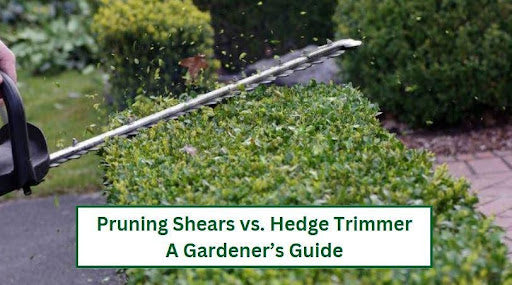
- Hedge shears for shaping hedges.
I replace cheap secateurs every few years but keep a quality pair for a decade with proper care.
Frequently Asked Questions of pruning shears guide
What are the best pruning shears for roses?
Choose bypass secateurs with sharp, thin blades and a good grip. They give clean cuts that help roses heal quickly.
How often should I sharpen pruning shears?
Sharpen every few weeks in busy seasons or when cuts become ragged. Light, frequent honing keeps the edge and takes less time.
Can I disinfect pruning shears between plants?
Yes. Wipe blades with alcohol or a diluted bleach solution to prevent spreading disease. Rinse and dry after disinfecting.
Are anvil or bypass shears better?
Bypass shears are better for live wood and precise cuts. Anvil shears work for dead, hard wood. Match the blade type to the task.
How thick a branch can pruning shears cut?
Most secateurs cut up to about 3/4 inch cleanly. For thicker branches, use loppers or a pruning saw to avoid damage.
How do I prevent sap buildup?
Clean blades with soapy water or a solvent like denatured alcohol. Apply light oil after cleaning to prevent rust.
Conclusion
This pruning shears guide gives the basics and the practical steps you need to pick, use, and care for secateurs that last. Start by choosing the right type, practice clean cutting, and keep your tools sharp and clean. Take a small step today: inspect your shears, sharpen or clean them, and make one mindful cut on a plant. Share your results, subscribe for more tips, or leave a comment about your favorite pruning shears.