A loose, fertile mix of topsoil, compost, and aeration materials makes the best soil mix for vegetable garden.
I’ve spent years building and testing mixes that grow big tomatoes, crisp lettuce, and steady beans. This guide breaks down exactly what the best soil mix for vegetable garden looks like, why each ingredient matters, and how to mix, test, and maintain soil that gives consistently high yields. You’ll get clear recipes, troubleshooting tips, and real-world experience so you can start improving your beds or containers today.
Why the right soil mix matters
Good soil feeds plants. The best soil mix for vegetable garden holds water, drains well, and supplies nutrients. Vegetables need steady moisture and oxygen at their roots. A poor mix can cause slow growth, pests, or rot.
Healthy soil also supports microbes and worms. Those tiny helpers turn compost into food for plants. A balanced mix reduces the need for frequent feeding. It gives vegetables the best start and steadier harvests.
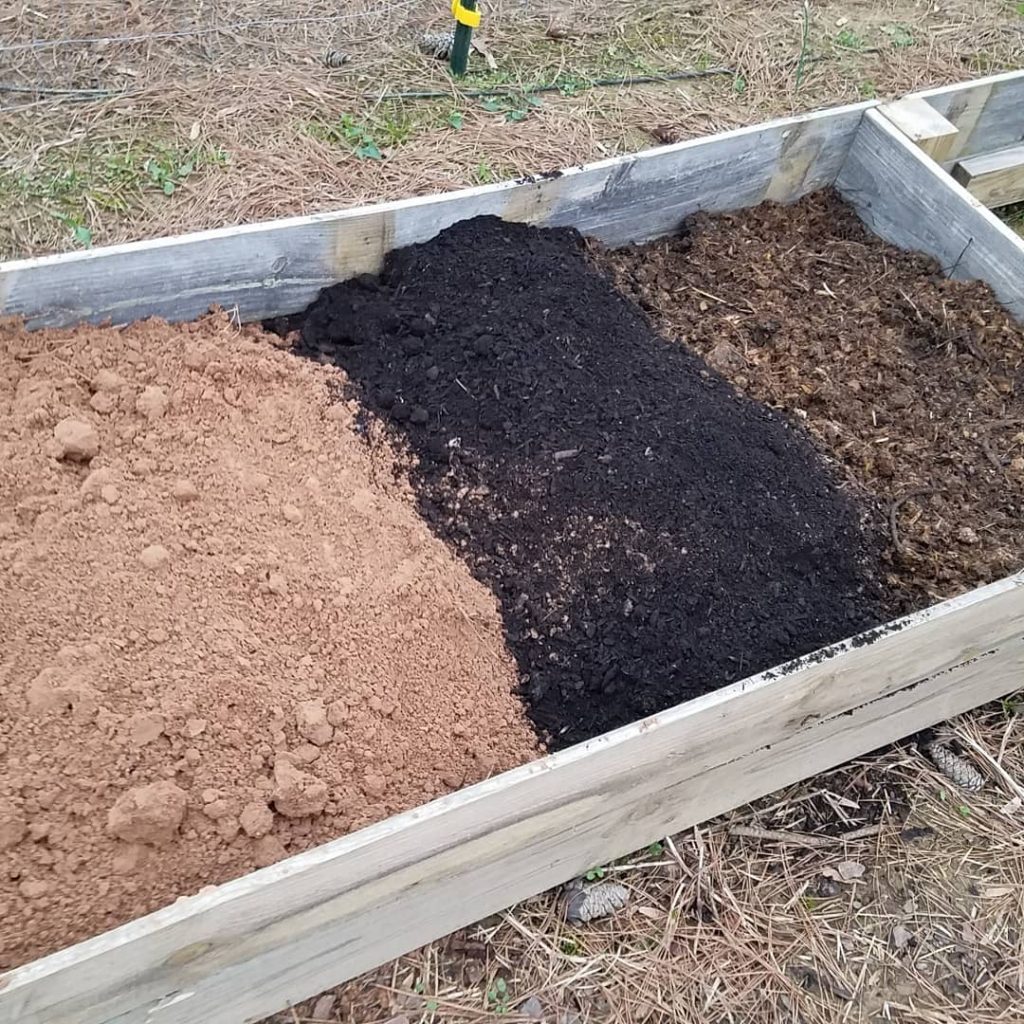
Key components of the best soil mix for vegetable garden
A great mix combines four core parts. Each part has a clear job.
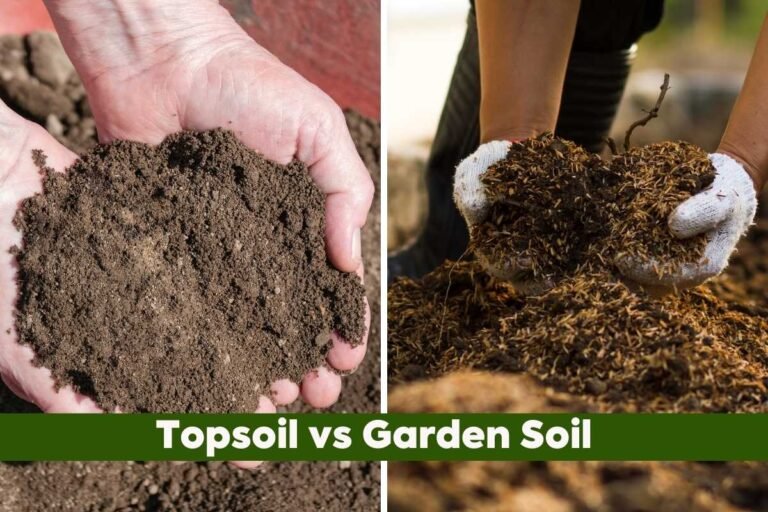
- Topsoil or screened garden soil: Provides structure and weight. Use high-quality, screened topsoil to avoid clay clumps or big rocks.
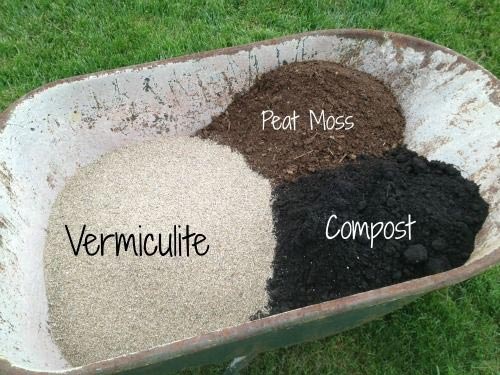
- Compost: Supplies nutrients and improves texture. Use well-rotted compost for steady release of minerals.
- Aeration material: Perlite, pumice, or coarse sand keeps the mix loose. This prevents compaction and helps root growth.
- Organic matter: Coconut coir, leaf mold, or aged manure helps water retention and feeds microbes.
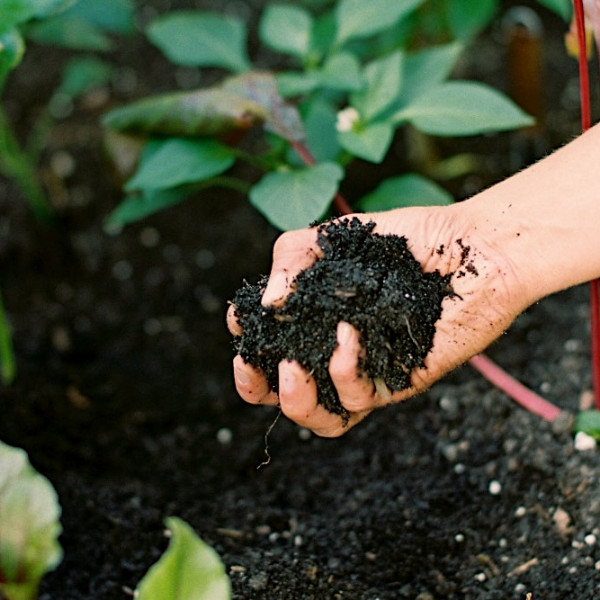
Aim for a mix that balances water retention and drainage. The best soil mix for vegetable garden has enough heft to hold moisture, and enough air to keep roots healthy. Test by squeezing a handful; it should hold shape but crumble easily.

Simple recipes and ratios for the best soil mix for vegetable garden
Here are easy, reliable formulas. Adjust by feel and crop.
- Standard raised bed mix (by volume): 40% screened topsoil, 40% compost, 20% aeration material. This works well for most vegetables.
- Container mix: 30% topsoil, 50% compost or potting mix, 20% perlite or pumice. Lighter for pots and good drainage.
- Heavy-feeders mix (tomatoes, cucumbers): 35% topsoil, 50% compost, 15% aeration material plus extra slow-release fertilizer.
- Fast-draining sandy mix (root vegetables): 50% topsoil, 30% compost, 20% coarse sand.
Each recipe above aims to create the best soil mix for vegetable garden tasks. Start with these ratios and adjust after one season based on plant health and drainage.
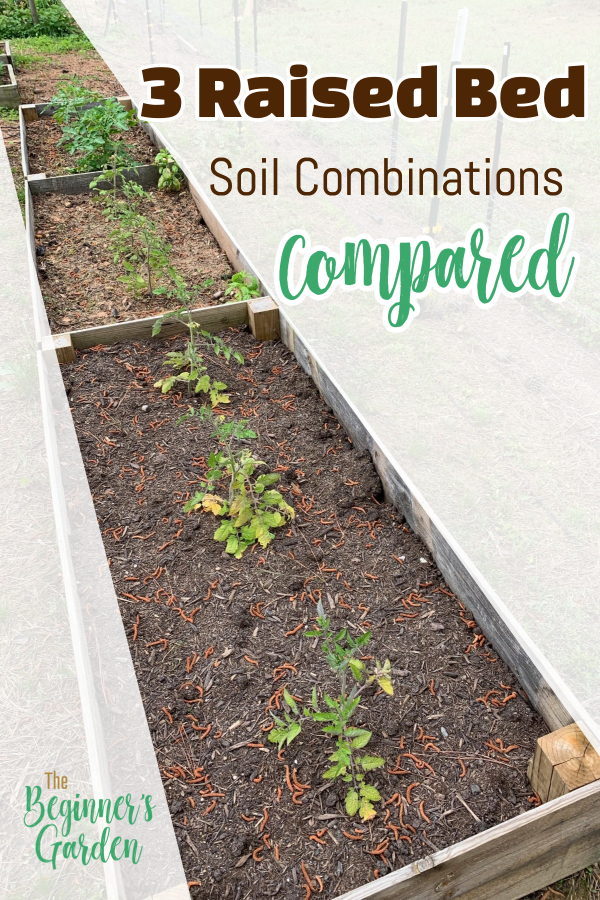
Best mixes by situation: containers, raised beds, and in-ground
Different settings change what’s best.
- Containers: Use a light, fast-draining mix. Containers dry quickly, so include extra compost and water-holding organic matter. The best soil mix for vegetable garden in pots balances moisture and drainage.
- Raised beds: Fill with richer mix. Raised beds allow deeper roots. Use more compost and choose screened topsoil.
- In-ground amendments: Work the best soil mix for vegetable garden into the top 6–12 inches. Add compost and aeration material rather than replacing all soil. This improves structure and fertility over time.
Match your mix to the container size and local climate. In hot, dry zones, add coir to retain moisture. In cool, wet zones, increase drainage.

How to test and adjust your soil mix
Testing helps you fix problems fast.
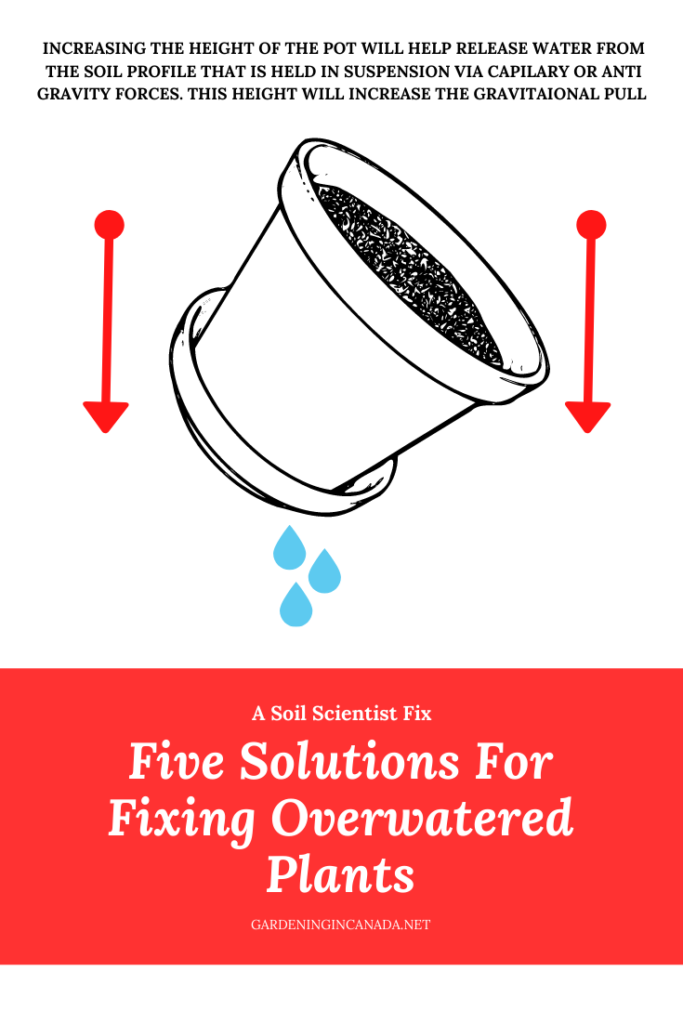
- Drainage test: Fill a small pot with your mix and water it. Water should pass through within a few minutes. If it pools, add more aeration material.
- pH test: Most vegetables prefer a pH near 6.0–7.0. Use a simple pH test kit. If pH is low, add lime. If high, add sulfur cautiously.
- Texture test: Squeeze a moist handful. It should form a loose ball and crumble easily. If it stays clumpy, add compost and aeration.
- Nutrient check: Use a basic soil test kit annually. Adjust with balanced organic fertilizer as indicated.
Testing and small adjustments help you keep the best soil mix for vegetable garden working year after year.
Amendments, fertilizing, and pH management
Feed plants based on needs. Compost supplies many nutrients, but heavy-feeding crops need more.
- Slow-release organic fertilizer: Apply at planting for long-term supply.
- Fish emulsion or compost tea: Use as a boost during rapid growth or flowering.
- Bone meal and blood meal: Offer phosphorus and nitrogen when needed.
- pH tweaks: Lime raises pH over months. Elemental sulfur lowers pH slowly. Retest before large changes.
Keep records. Note what you add and how plants react. Over time, you’ll refine the best soil mix for vegetable garden to match crops and season.
Common mistakes and troubleshooting
Avoid these frequent errors.
- Using garden soil alone in containers: It compacts and suffocates roots. Mix with compost and aeration material.
- Too much peat: Peat holds water but can compact and starve roots of air.
- Over-fertilizing: That can burn roots and reduce taste. Feed moderately.
- Ignoring drainage: Poor drainage leads to root rot and disease. Always test pots and beds.
If plants look yellow with stunted growth, check drainage and pH first. Often poor soil structure is the root cause, not fertilizer alone.
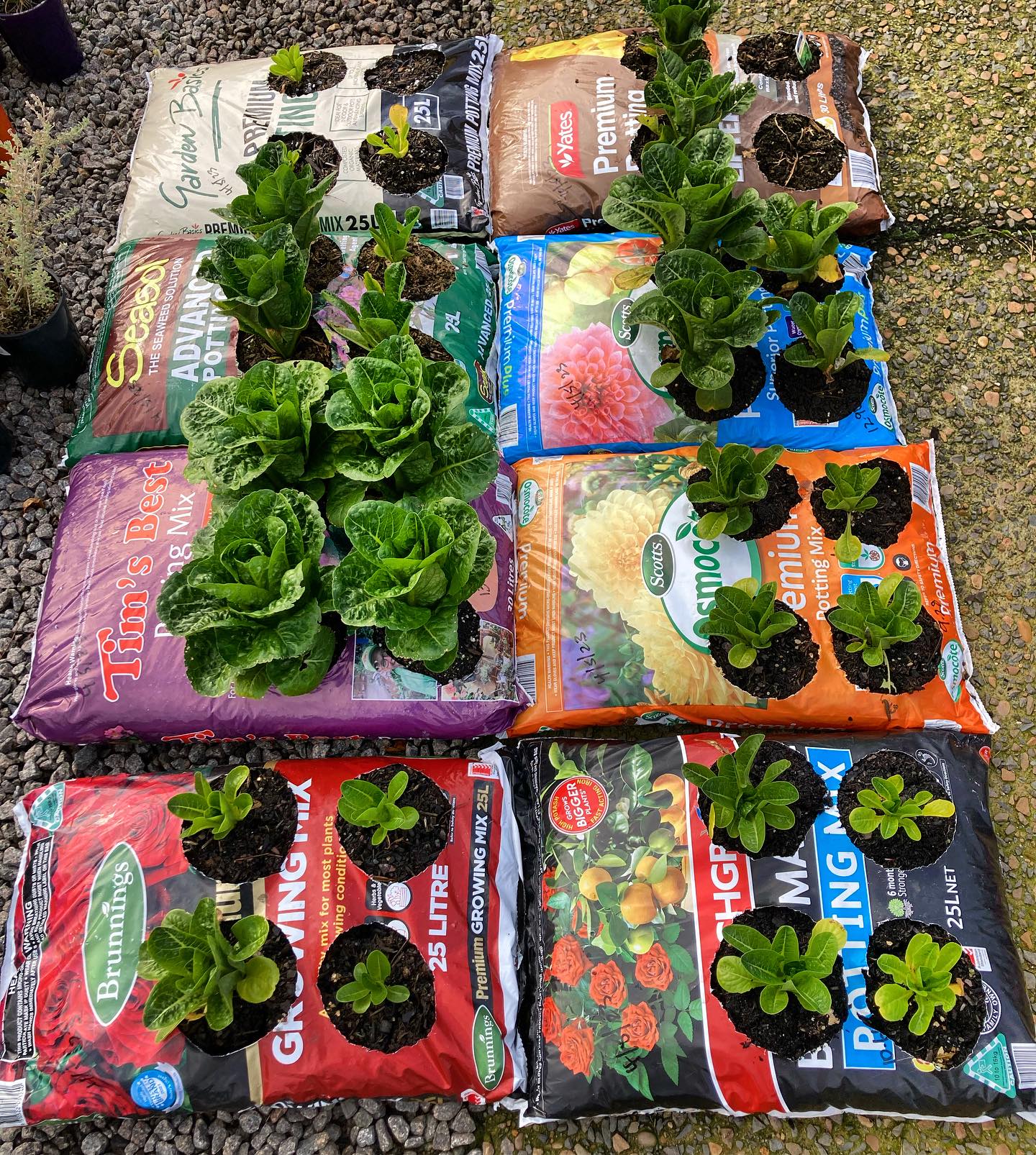
Personal experience and practical tips
I’ve rebuilt tired beds with the standard raised bed mix above. Year one was a learning year. Yields rose in year two. Here are lessons I learned.
- Use well-aged compost to avoid weed seeds and ammonia burn.
- Screen topsoil to remove clay balls and sticks.
- Mark mixes and ratios on a jar or spreadsheet. It helps repeat success.
- Rotate crops and add cover crops in fall to rebuild soil biology.
- When in doubt, add compost. It fixes many problems slowly and safely.
These simple steps produced healthier plants and fewer pest issues in my gardens over five seasons.

PAA-style questions
What is the single best soil for vegetables?
The single best soil is a balanced mix of topsoil, compost, and an aeration material. This balance supplies nutrients, water retention, and drainage.
How often should I amend my vegetable soil mix?
Amend annually with compost and adjust more often for containers. Heavy-feeders may need midseason feeding and light compost top-dressing each year.
Can I use store-bought potting mix for raised beds?
Yes, you can blend potting mix with screened topsoil and compost for raised beds. Adjust for weight and add aeration if the mix is too heavy or dense.
How deep should the soil mix be for root crops?
Root crops need 12–18 inches of loose, deep mix for good shape and size. Compact soil will produce forked or stunted roots.
Is compost enough on its own for a vegetable bed?
Compost is excellent but usually lacks structure and weight. Mixing it with topsoil and aeration material creates the best soil mix for vegetable garden needs.
Frequently Asked Questions of best soil mix for vegetable garden
What is the best soil mix for vegetable garden in containers?
A light mix with 50% compost or potting mix, 30% screened topsoil, and 20% perlite or pumice works well. It balances moisture and drainage for pots.
How do I make the best soil mix for vegetable garden on a budget?
Use local screened topsoil and homemade compost. Add coarse sand or recycled perlite for aeration. Start small and improve over time.
When should I replace or refresh my soil mix?
Refresh containers every year and raised bed top layers every season with a 2–3 inch compost top-dress. Replace deeper mix every 3–5 years for heavy use.
How much compost should I add to a vegetable garden mix?
Aim for 30–50% compost by volume for most beds. Containers can have up to 50% compost for nutrient-rich, light mixes.
Will the best soil mix for vegetable garden prevent pests and disease?
A healthy mix reduces stress and improves resistance but won’t fully prevent pests or disease. Good hygiene, crop rotation, and monitoring are still needed.
Conclusion
Good soil is the foundation for every great vegetable garden. Use a balanced mix of topsoil, compost, and aeration material to build the best soil mix for vegetable garden that fits your containers, raised beds, or in-ground plots. Test and tweak each season, keep records, and add compost regularly. Start with one of the simple recipes here, observe results, and adapt—your garden will thank you with fuller harvests. Try a batch this weekend, leave a note about your results, and subscribe or comment for more soil tips and recipes.