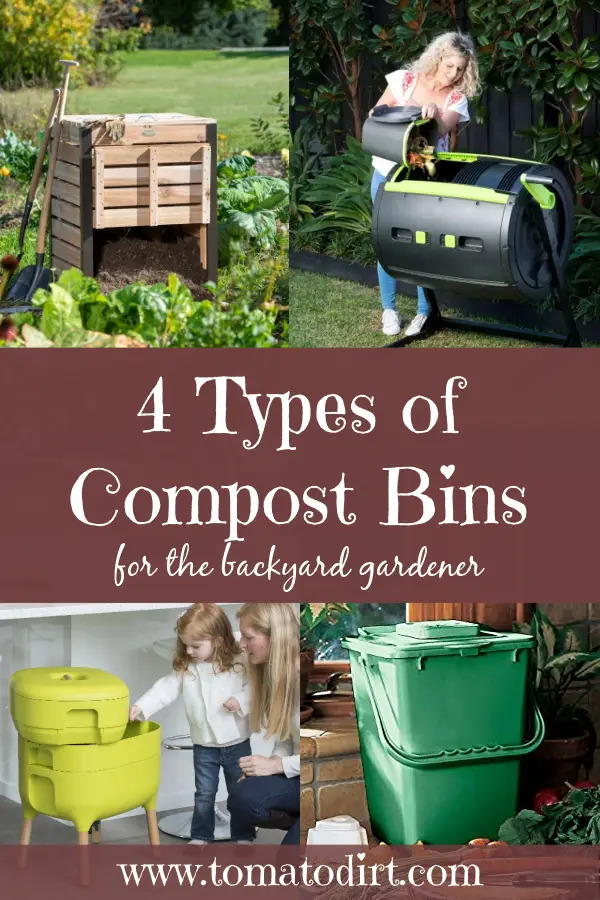
Compost bin types range from tumblers and stationary bins to worm bins, trench, and Bokashi systems.
I have worked with gardens and waste programs for years, testing many compost bin types and advising homeowners on easy wins. This guide explains the major compost bin types, how each works, pros and cons, and how to pick the right system for your yard, budget, and lifestyle. Read on for practical tips, real-world lessons, and clear steps to begin composting with confidence.

Overview of compost bin types
Compost bin types match different needs. Some are fast and active. Others are slow and low-effort. People choose based on space, time, and what they want to compost.
Compost bin types fall into broad groups:
- Simple piles and bays for large yards.
- Enclosed bins like plastic or wooden containers.
- Tumblers that speed mixing and aeration.
- Worm bins for food scraps and fast, rich castings.
- Bokashi systems that ferment kitchen waste.
Each group has variations. Later sections dive into each type, costs, and care.

Popular compost bin types and how they work
Below I describe common compost bin types with clear steps and examples. These are the systems most home gardeners use.
Tumblers
Tumblers are sealed barrels mounted on a frame that rotate.
- Easy to turn. Turning mixes materials and speeds composting.
- Good for backyards and people who want less bending.
- Not ideal for very large volumes or heavy garden waste.
Stationary enclosed bins
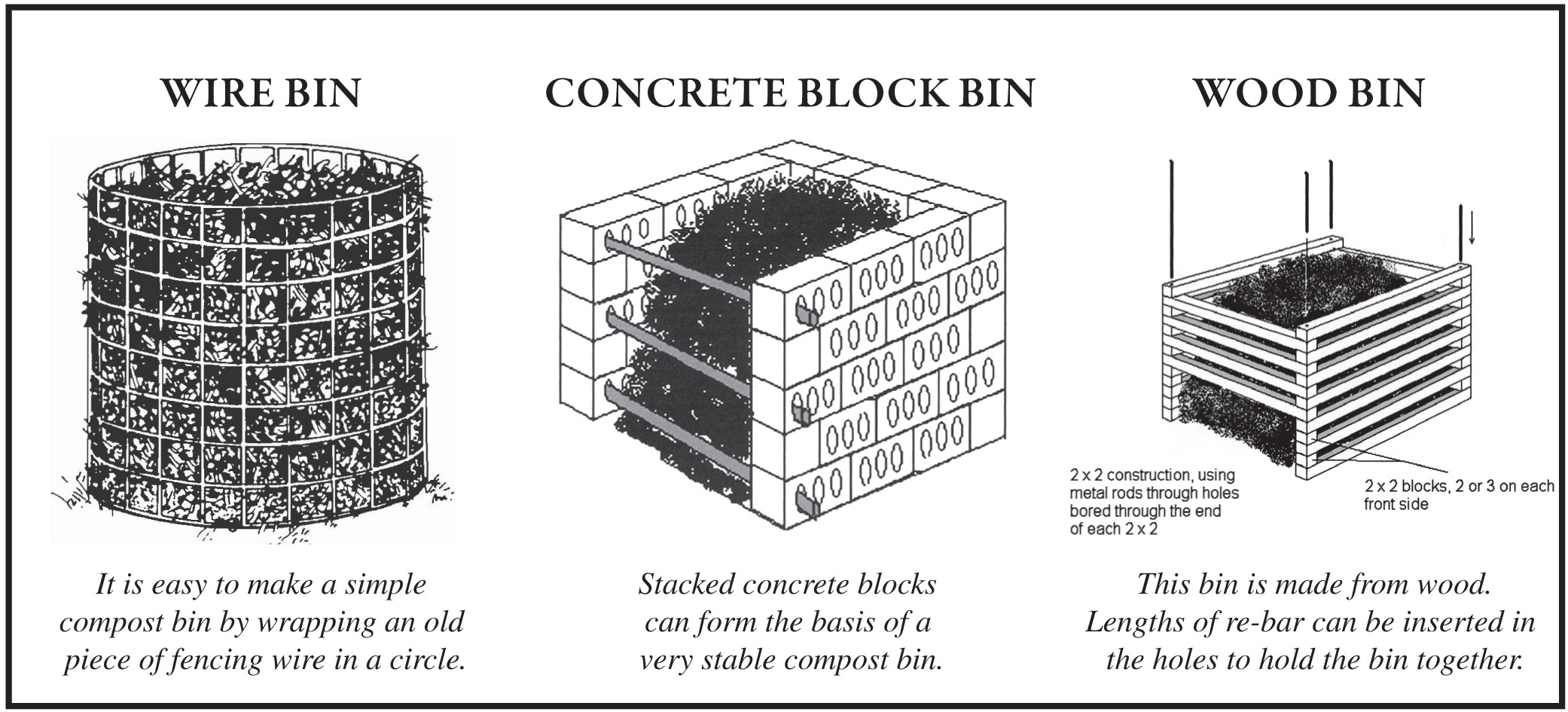
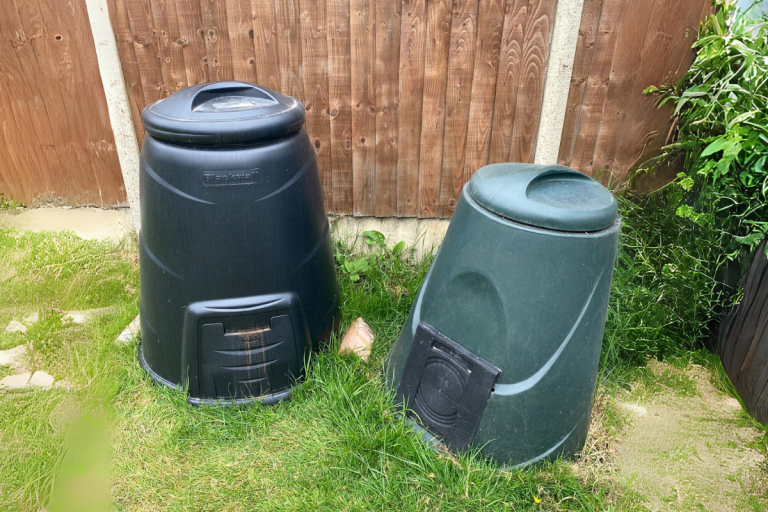
These are plastic or wooden bins that stay put.
- Affordable and simple.
- Retain heat and moisture well.
- Require manual turning with a pitchfork or aerator tool.
Open piles and compost bays
A simple, low-cost method for large gardens.
- Works with large amounts of yard waste.
- Needs space and regular turning for heat.
- Can be layered in bays to keep stages separate.
Worm bins (vermicomposting)
Use worms to break down kitchen scraps quickly.
- Compact and odor-free when managed.
- Produces rich worm castings for potted plants.
- Best for food scraps and small households.
Bokashi systems
An anaerobic fermentation method using inoculated bran.
- Ferments all kitchen waste, even meat and dairy.
- Needs a second stage (burial or compost) after fermentation.
- Fast and space-efficient.
Trench composting
Burying waste directly in garden beds.
- No turning; nature does the work.
- Good for saving time and improving soil in place.
- Not suitable for all plants or root-disturbing crops.
In-vessel and hot commercial systems
Used at community or commercial scale.
- Enclosed vessels control temperature and moisture.
- Fast composting and pathogen reduction.
- Costly and usually beyond typical home use.
I have tested tumblers and worm bins. Tumblers cut my turning time in half. Worm bins gave my herbs a boost with rich castings. Each system fits different homes and goals.
How to choose the right compost bin type
Choose by space, waste type, and effort level. Ask what you will compost and how much time you have.
Consider these factors:
- Space: Use tumblers or worm bins for small patios. Choose piles or bays for larger yards.
- Waste type: If you want to compost meat or dairy, use Bokashi then bury or heat-treat. For only yard waste, a hot pile or large bay works well.
- Speed: Tumblers and in-vessel systems speed the process. Trench composting and static piles are slower.
- Budget: Simple piles cost nothing. Plastic bins and tumblers are mid-range. In-vessel systems cost more.
Personal tip: Start small with a simple bin to learn the process. Upgrade if you want faster results or to handle more waste.
PAA-style questions:
What is the best compost bin type for beginners?
For beginners, a basic plastic or wooden stationary bin or a simple pile works best. They are low-cost and let you learn compost basics without special steps.
Can I compost in an apartment?
Yes. Worm bins and small Bokashi systems work well in apartments. They are compact and handle kitchen waste with little odor.
How long does composting take?
Time varies by type. Tumblers and hot piles can take weeks to months. Worm bins and Bokashi followed by burial can process waste in a few months.
How to use and maintain each type
Maintenance varies by type. Short, clear steps help you avoid common mistakes.
Tumblers
- Fill with a balanced mix of greens and browns.
- Turn a few times a week to aerate.
- Keep moisture like a wrung-out sponge.
Stationary bins
- Layer greens and browns as you add material.
- Turn every 1–2 weeks with a fork.
- Monitor temperature and moisture.
Worm bins
- Add small amounts of food scraps and cover with bedding.
- Feed gradually and avoid citrus or oily foods in excess.
- Harvest castings every few months.
Bokashi
- Pack food waste tightly into the bucket with inoculated bran.
- Drain liquid and store fermented waste for burial or composting.
- After fermentation, bury in soil or add to a hot compost pile.
Trench composting
- Dig a trench and bury kitchen scraps 6–12 inches deep.
- Replant above the buried area after decomposition.
- Avoid burying large bones or citrus in the root zone.
Common mistakes to avoid
- Too much wet green material without enough browns.
- Overwatering or letting compost stay too dry.
- Ignoring smells — balanced piles shouldn’t smell strong.
From my experience, the best practice is routine checks. A quick weekly check prevents most issues.
:max_bytes(150000):strip_icc()/tumbler-compost-bin-big-56a5864c3df78cf77288b19b-df5717506e8143b19438b862af563707.jpg)
Benefits and limitations of each compost bin type
Know trade-offs to match your needs. Here is a quick summary.
Tumblers
- Benefits: Fast, low effort to turn, neat.
- Limitations: Small volume, cooling in winter.
Stationary bins
- Benefits: Cheap, holds more material.
- Limitations: More manual labor to turn.
Worm bins
- Benefits: Great for food waste, produces premium fertilizer.
- Limitations: Sensitive to temperature and overfeeding.
Bokashi
- Benefits: Handles all food waste, compact.
- Limitations: Requires second-stage processing and occasional costs for bran.
Open piles and bays
- Benefits: Handles large volumes, cheap.
- Limitations: Needs space and labor.
Trench composting
- Benefits: No turning, minimal work.
- Limitations: Slower to break down, limited to garden areas.
I balanced these pros and cons when choosing systems for different properties. Worm bins were perfect in tight urban yards. Tumblers fit mid-sized homes.
Cost, size, and placement considerations
Budget and space affect your choice. Plan placement for access, sun, and drainage.
Cost ranges (approximate)
- DIY pile or trench: Free to low cost.
- Basic stationary bin: Low cost.
- Mid-range tumblers and worm bins: Moderate cost.
- In-vessel or commercial units: High cost.
Sizing tips
- Small household: 15–30 gallon bin or worm bin.
- Average family: 50–120 gallon bin or a pair of bays.
- Large garden: Multiple bays or an open pile.
Placement tips
- Put bins near the garden for easy use.
- Choose level ground with good drainage.
- Ensure some shade to avoid drying out.
I once placed a bin in full sun and had to water it daily. Moving it to partial shade cut watering needs and improved results.

Environmental impact and sustainability
Compost bin types help cut landfill waste and return nutrients to soil. Each type contributes differently.
Environmental benefits
- Reduces methane from landfills by diverting organics.
- Enhances soil health and water retention.
- Lowers need for chemical fertilizers.
Sustainability trade-offs
- Commercial systems use energy but process waste fast and safely.
- Small home systems have low emissions but may be slower.
- Effective composting at scale benefits local soil and reduces transport emissions.
A local program I advised measured food-waste diversion and found home composting cut curbside waste substantially. Every small bin adds up to big benefits.
Frequently Asked Questions of compost bin types
What are the easiest compost bin types for beginners?
Stationary bins and simple piles are the easiest. They require little setup and help you learn compost basics.
Can I compost meat and dairy at home?
Not in open piles or most home bins. Use Bokashi to ferment meat and dairy, then bury or add to a hot compost system.
How often should I turn a compost bin?
Turn tumblers a few times a week and stationary bins every 1–2 weeks. Worm bins do not need turning; manage bedding and feedings instead.
Do I need to add worms to a compost pile?
No. Native soil organisms will break down yard waste. Add worms only if you want vermicomposting for food scraps and castings.
Will compost attract pests?
Properly managed compost should not attract pests. Avoid adding meat, large amounts of oily food, or leaving food exposed. Cover scraps and maintain balance of browns and greens.
How long until compost is ready?
It depends on the type. Hot piles and tumblers can produce compost in weeks to months. Worm bins and slow piles may take several months.
Can I compost in winter?
Yes. Insulated or larger piles retain heat. Some systems slow down, but the process resumes in spring.
Conclusion
Compost bin types offer practical ways to cut waste and build healthy soil. Choose based on space, waste mix, and how much time you want to spend. Start small, learn the basics, and adjust as you go—your garden and the planet will thank you. Try one system this season, note what works, and share your results or questions below to keep improving.