Drip irrigation saves more water; sprinklers cover large areas faster but waste more.
I have designed and installed both drip irrigation and sprinkler systems for gardens and a small farm. This article explains drip irrigation vs sprinkler in clear terms. You will learn how each system works, pros and cons, costs, real-world tips, and how to choose the right fit for your land, plants, and budget. Read on for practical advice, field-tested lessons, and simple rules to help you make a confident choice.

How drip irrigation and sprinkler systems work
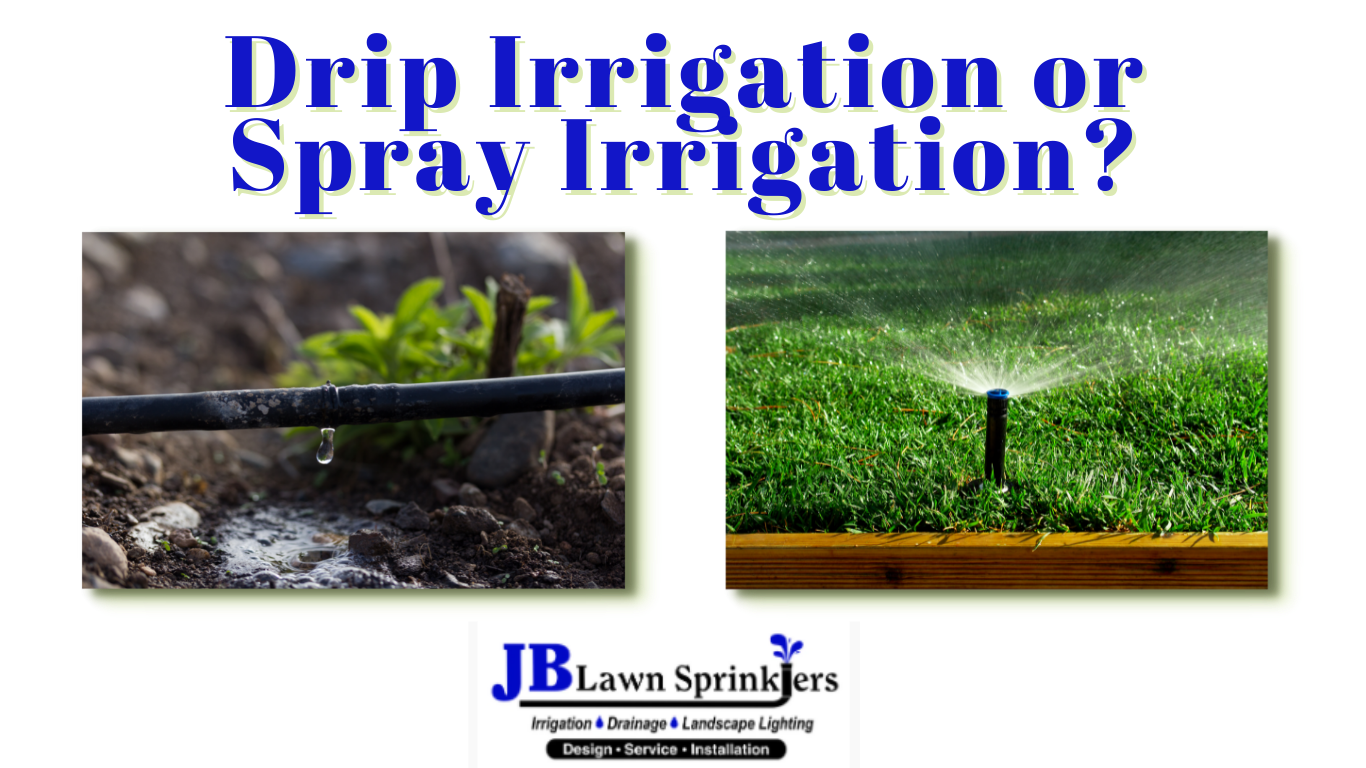
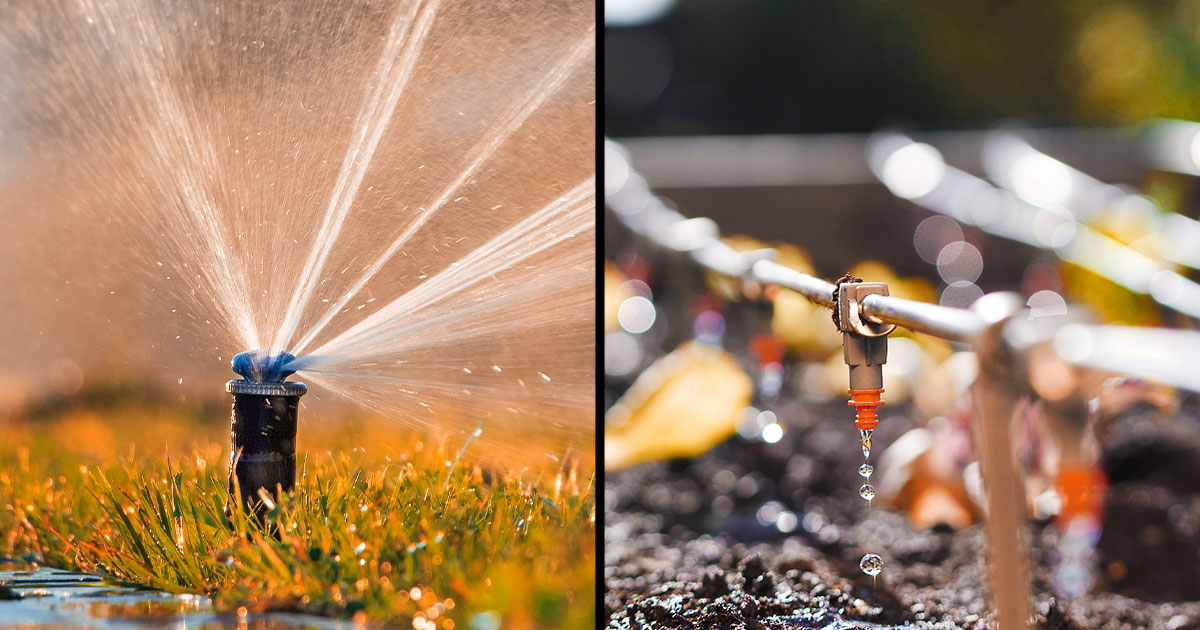
Drip irrigation delivers water directly to the root zone through tubes, emitters, or soaker lines. Flow rates are low and targeted. This reduces evaporation and runoff.
Sprinkler systems spray water into the air through pop-ups or fixed heads. They cover broad areas quickly and mimic rainfall. Sprinklers can be set on timers for scheduled coverage.
When comparing drip irrigation vs sprinkler, the main difference is how and where water is applied. Drip is precise and low-pressure. Sprinkler is broad and higher-pressure.
Water efficiency and crop yield
Drip irrigation vs sprinkler shows a clear water-efficiency gap. Drip systems can cut water use by 30 to 70 percent in many settings because they avoid evaporation and wind drift. This often leads to better soil moisture control and higher yields for vegetables, fruit trees, and shrubs.
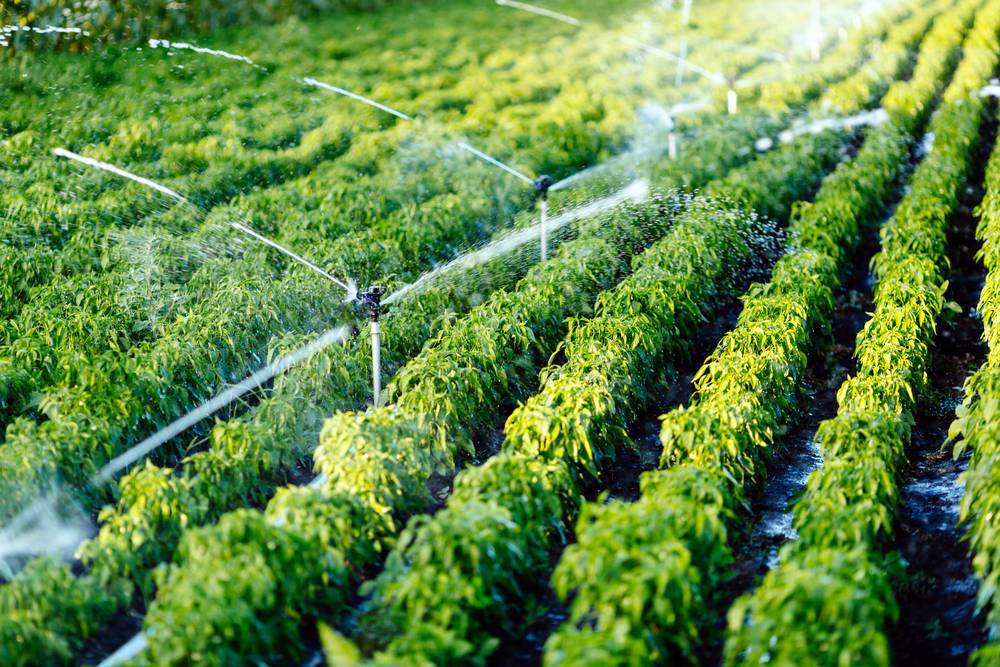
Sprinklers apply water over the canopy and soil surface. Evaporation, wind, and runoff reduce efficiency. For lawns and large turf, sprinklers still make sense because they cover wide spaces evenly.
Field experience shows drip can boost fruit set and reduce disease by keeping foliage dry. For crops that need leaf wetting, sprinklers may help at certain growth stages, but they use more water.

Installation and cost
Drip irrigation vs sprinkler differs in installation steps and cost drivers. Drip systems use tubing, emitters, filters, and pressure regulators. They can be low-cost for small gardens and scalable for farms.
Sprinkler systems require mains pressure, pipes, valves, and heads. Installation can be more expensive for larger areas due to pipework and zoning. Professional design helps ensure uniform coverage.
Cost factors to consider:
- System size. Larger areas raise material and labor costs.
- Water pressure. Low pressure needs pumps or different components.
- Automation. Timers and controllers add convenience but increase cost.
- Soil type. Sandy soils may need more frequent, targeted watering.
Plan for upfront cost and long-term savings. Drip often recoups expense via water and fertilizer savings. Sprinklers are cheaper per square foot for turf.

Maintenance and longevity
Both systems need care. Drip irrigation vs sprinkler faces different maintenance tasks.
Drip system maintenance:
- Flush lines seasonally to remove sediment.
- Clean or replace clogged emitters.
- Winterize to prevent freezing damage in cold climates.
Sprinkler system maintenance:
- Check and adjust heads for proper coverage.
- Repair leaks in pipes and valves.
- Winterize irrigation mains and controllers to avoid burst pipes.
Proper filters and simple checks extend life. Expect drip tubing to last many years with good upkeep. Sprinkler components may need more frequent replacement of moving parts.
Best uses and crop suitability
Choosing between drip irrigation vs sprinkler depends on plants and layout.
Drip works best for:
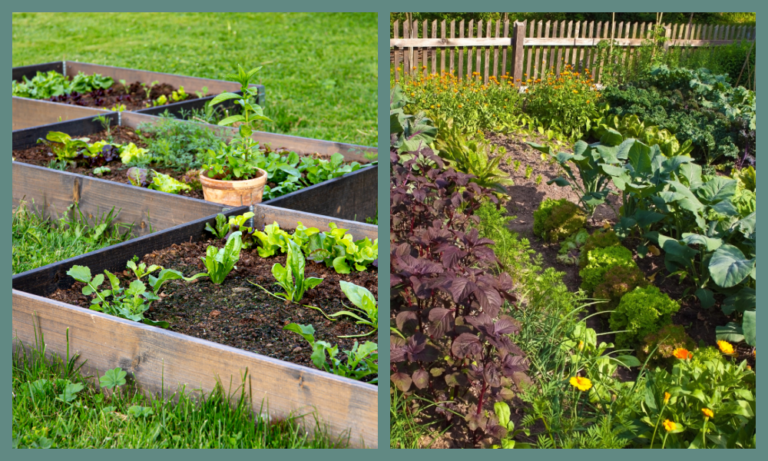
- Row crops, vegetable beds, and orchards.
- Garden beds with mixed plant types.
- Areas where water conservation is a priority.
Sprinklers work best for:
- Lawns and large turf areas.
- Sites that need uniform canopy wetting.
- Fast coverage of irregular or wide spaces.
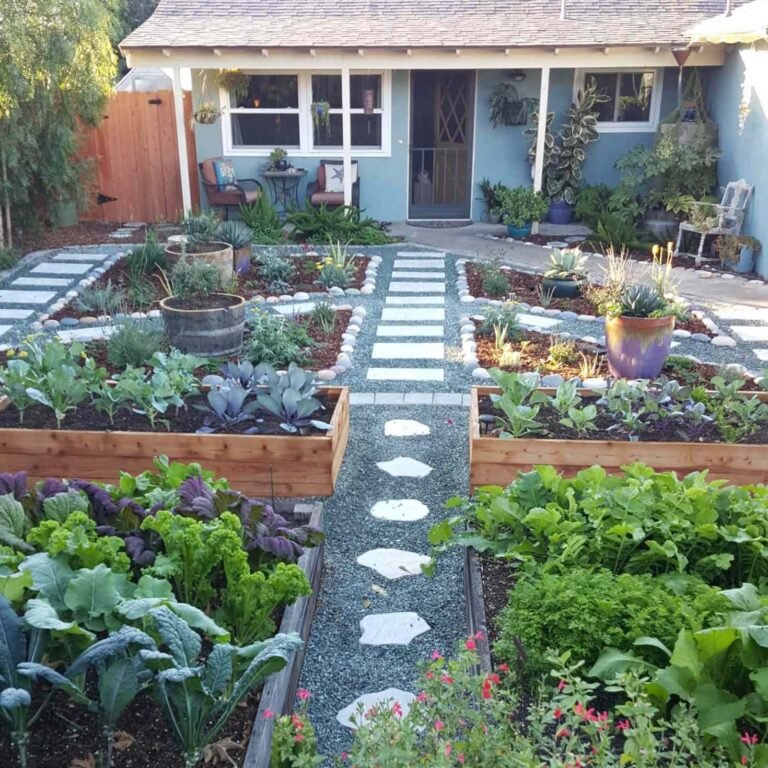
Mixed systems can be effective. For example, use drip for beds and trees, and sprinklers for the lawn. This hybrid approach saves water and keeps turf healthy.

Environmental and health impacts
Drip irrigation vs sprinkler affects the environment in different ways. Drip reduces runoff and nutrient leaching by keeping water near roots. This lowers the risk of pollution in nearby streams and wells.
Sprinklers can increase runoff and surface evaporation. Overwatering with sprinklers may leach nutrients below root zones. Wet foliage from sprinklers can also promote fungal disease in some crops.
Both systems need correct scheduling to avoid water waste. Using sensors or soil moisture monitors improves outcomes and reduces environmental risk.

Decision guide: when to choose which system
Simple questions help decide between drip irrigation vs sprinkler.
Which system is right for you:
- Choose drip if you want maximum water savings, targeted feeding, and lower disease risk.
- Choose sprinkler if you need fast coverage for turf or wide open areas.
- Choose both if you have mixed uses like a lawn plus vegetable beds.
Practical tips:
- Test a small drip layout before scaling up.
- Map spray patterns for sprinklers to avoid dry spots and overlap.
- Use timers and soil sensors to reduce guesswork.
PAA-style questions and short answers:
Which is cheaper to run over time? Drip usually costs less to operate because it uses less water and fertilizer. Maintenance can be lower if filters are kept clean.
Can sprinklers spread disease? Yes. Wet foliage from sprinklers can raise the risk of fungal and bacterial diseases on some plants.
Do drip systems reduce weeds? Yes. By limiting surface water, drip systems reduce weed germination compared to sprinklers.

Personal experience and practical tips
I installed drip irrigation vs sprinkler systems in my backyard garden and on a neighbor's small orchard. I learned a few things the hard way. First, skipping a filter on drip lines leads to frequent clogs. Second, poor sprinkler head layout causes dry patches and wasted water.
Tips from the field:
- Always add a sediment filter and pressure regulator to drip systems.
- Mark and map your lines and valves during installation for easier repairs.
- Start with zones and timers. Adjust run times based on season and plant needs.
- Check soil moisture by hand. Timers are guides, not absolute truth.
Small mistakes cost time but are fixable. Plan, test, and adjust. Your results will improve season by season.
Frequently Asked Questions of drip irrigation vs sprinkler
What are the main advantages of drip irrigation over sprinklers?
Drip irrigation conserves water, delivers nutrients to roots, and reduces leaf wetting. It often improves plant health and yields for many crops.
Are sprinklers better for lawns than drip systems?
Yes. Sprinklers cover lawns evenly and are designed for turf. Drip systems are not practical for large, even turf areas.
How often should I maintain a drip system?
Inspect filters monthly and flush lines every few months. Winterize and do a full system check at the end of the growing season.
Can I convert a sprinkler system to drip?
Yes. You can retrofit by tapping the main supply and installing drip manifolds and timers. Proper pressure regulation and filtration are essential.
Which system saves the most water?
Drip irrigation saves the most water in most cases because it targets the root zone and reduces evaporation and runoff.
Will drip irrigation reduce weeds?
Generally yes. Drip delivers water only where plants grow, so surface weeds get less water and germinate less. Some weeds still appear near wet spots.
Is one system safer for edible crops?
Drip is usually safer for edible crops because it keeps fruit and foliage dry, lowering disease risk. Sprinklers may splash soil and spread pathogens more easily.
Conclusion
Drip irrigation vs sprinkler is not a one-size-fits-all choice. Drip excels at water savings, precise feeding, and disease control. Sprinklers excel at quick, even coverage for lawns and large areas. Use both if your landscape mixes turf, beds, and trees. Start small, test, and learn. Make changes based on plant response and soil checks.
Take action today: map your garden, choose a zone plan, and try a small drip layout or a sprinkler test zone. Share your results, ask questions, or subscribe for more hands-on irrigation tips.