Start small, pick easy plants, use good soil, and water smart for steady beginner wins.
I’ve taught dozens of new gardeners how to grow food and flowers from tiny spaces. This guide on beginner gardening tips at home explains simple steps, clear tools, and reliable routines you can use right away. I combine hands-on experience with practical advice so you can avoid early mistakes and enjoy quick success with beginner gardening tips at home. Read on to learn easy wins, smart choices, and daily habits that make home gardening fun and productive.
Why start gardening at home?
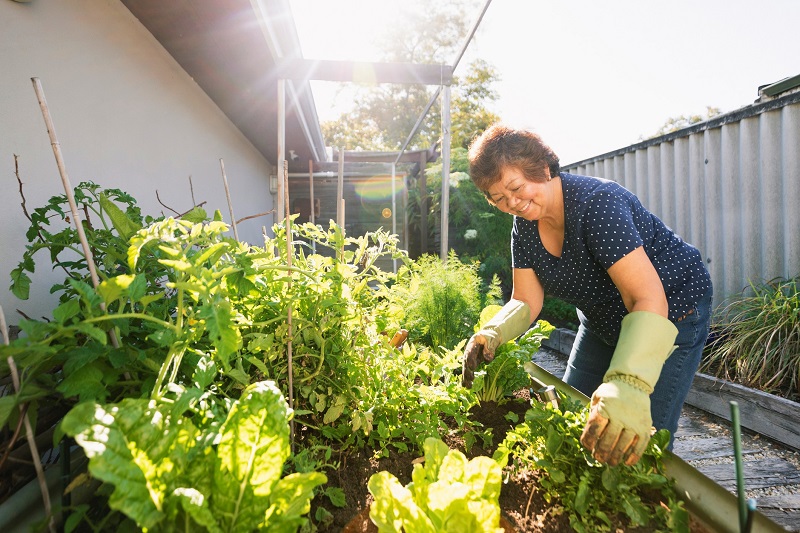
Gardening at home boosts mood, improves air, and saves money on food. It gives you fresh herbs and vegetables a few steps from the kitchen. Growing plants also teaches patience and care in a simple, rewarding way. Starting with beginner gardening tips at home means focusing on doable projects and steady progress.

Essential tools and supplies for beginner gardening tips at home
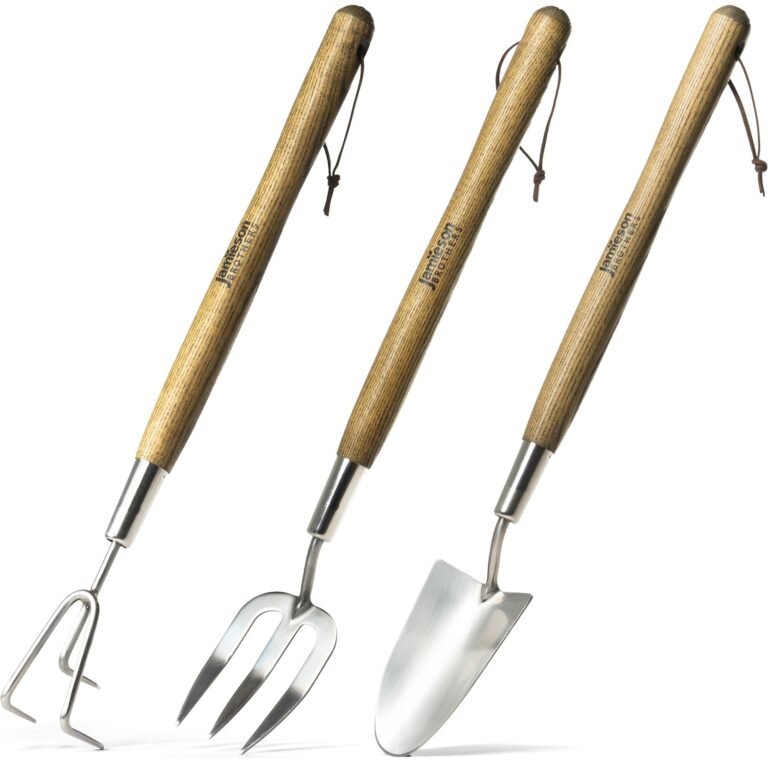
Good tools make tasks faster and more fun. You do not need a lot to begin. Focus on a few quality pieces.
- Hand trowel for planting and moving soil.
- Pruning shears for snipping stems cleanly.
- Watering can with a gentle spout for containers.
- Potting soil designed for containers and seed starting.
- Containers with drainage holes for balcony or indoor use.
- pH test strip or simple soil tester to check soil health.
- Small rake or cultivator for turning soil in raised beds.
Keep tools clean and store them dry to last longer. Choosing the right supplies now reduces frustration later and supports strong plant growth. These basic items support many of the beginner gardening tips at home I recommend.
Choosing the right plants for beginners
Pick plants that match your light, time, and space. Choose easy growers to build confidence.
- Herbs that grow fast and tolerate trimming, such as basil, mint, and parsley.
- Salad greens like spinach, lettuce, and arugula for quick harvests.
- Compact vegetables such as cherry tomatoes and bush beans for containers.
- Low-maintenance houseplants such as pothos, snake plant, and ZZ plant.
- Easy flowers like marigolds, nasturtiums, and zinnias for color and pollinators.
Ask yourself how much sunlight your spot receives each day. If you have bright afternoon sun, choose sun-loving varieties. In low light, pick shade-tolerant houseplants or leafy greens. Matching plant needs to your home is one of the most important beginner gardening tips at home.

Quick PAA-style questions
What are the easiest vegetables for beginners?
Tomatoes, lettuce, beans, and radishes grow quickly and handle small mistakes well.
How much space do I need to start?
A single sunny balcony box or a few pots on a windowsill is enough to begin.
Soil, pots, and watering basics
Healthy soil is the foundation of success. For beginner gardening tips at home, focus on good potting mix and drainage.
- Use a light, well-draining potting mix for containers, not garden dirt.
- Ensure every container has drainage holes to prevent root rot.
- Layer coarse material like gravel at the bottom if drainage is poor.
- Check soil moisture by sticking your finger one inch into the soil.
Watering advice for beginners:
- Water deeply but less often to encourage strong roots.
- Containers dry faster than beds, so check soil daily in hot weather.
- Morning watering reduces disease risk and helps plants use water all day.
Learning to read soil and plant cues is a core beginner gardening tips at home skill. Over time you’ll sense when to adjust water and mix.

Sunlight, placement, and creating microclimates
Light determines what you can grow. Start by measuring light in simple terms.
- Observe your spot for three days. Note hours of full sun, partial sun, and shade.
- Full sun means at least six hours of direct sunlight daily.
- Partial sun is roughly three to six hours.
- Shade is under three hours of direct sun or filtered light.
Use placement tricks:
- Move containers to follow the sun as seasons change.
- Use reflective walls or light-colored surfaces to boost light.
- Create a microclimate with windbreaks or shade cloth for hot afternoons.
Understanding light is a top beginner gardening tips at home step. It guides plant choice and placement for better growth.

Planting, pruning, and maintenance routines
Simple routines keep plants healthy and productive. Small consistent steps beat big, rare efforts.
- Water on a schedule, but check soil before irrigating.
- Feed with a balanced liquid fertilizer every 2–4 weeks for vegetables.
- Deadhead spent flowers to encourage more blooms.
- Prune lightly to shape plants and remove sick or crowded growth.
Pest and disease basics:
- Inspect plants weekly for insects and spots.
- Use hands or a stream of water to remove pests from leaves.
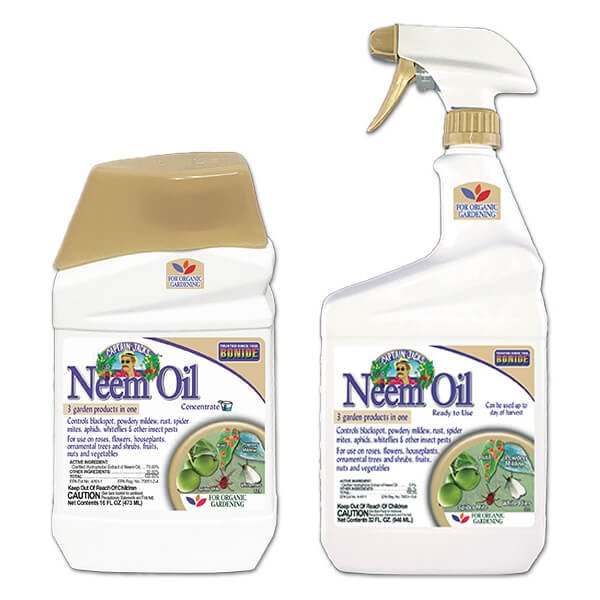
- Apply gentle solutions or biological controls before harsh chemicals.
A steady routine is a hallmark of successful beginner gardening tips at home. Short weekly checks prevent most problems.
Common mistakes and how to avoid them
New gardeners often repeat the same errors. Here’s how to skip them.
- Overwatering: Learn to let soil dry slightly between waterings. Too much water suffocates roots.
- Poor pot choice: Avoid deep pots for shallow-rooted plants and vice versa. Match pot size to plant needs.
- Wrong soil: Do not use heavy garden soil in containers. It compacts and drains badly.
- Ignoring light: Place plants where their light needs match. Move them if growth slows.
- Skipping small tasks: Regular pruning, checking for pests, and feeding prevent larger failures.
Correcting these mistakes early is one of the fastest beginner gardening tips at home. Small fixes yield big improvements.
Personal tips and real-life lessons
I started with a tiny windowsill herb garden and learned key lessons fast. Overwatering killed my first basil, and crowding stressed my lettuce. I now plant in slightly larger containers and space seedlings for airflow. These practical fixes improved my yields quickly.
What helped most:
- Label pots with planting dates to track progress.
- Keep a small notebook for watering and feeding schedules.
- Start seeds on a sunny shelf to reduce shock when moving outside.
I still experiment, but the basics stay the same. Sharing these real experiences is part of the beginner gardening tips at home I pass on to newcomers.
Advanced tips to try after success
Once you feel confident, extend your skills gently. These steps add variety without major risk.
- Try succession planting for continuous harvests.
- Start seeds indoors to lengthen your growing season.
- Use vertical supports for vining crops to save space.
- Save seeds from healthy plants for next season.
Each new technique builds on basic beginner gardening tips at home. Move slowly and enjoy the learning process.
Frequently Asked Questions of beginner gardening tips at home
What is the easiest way to start gardening at home?
Begin with one or two containers, choose easy plants like herbs, and use good potting mix. Keep watering consistent and observe plant responses.
How often should I water container plants?
Check soil daily; water when the top inch feels dry. Containers usually need more frequent watering than garden beds.
Can I grow vegetables indoors without a garden?
Yes. Use grow lights or a very sunny window, choose compact varieties, and ensure air circulation and pollination when needed.
How do I prevent pests naturally?
Keep plants healthy, use companion planting, remove pests by hand, and apply gentle biological controls when needed.
When is the right time to fertilize my plants?
Start light feeding two to four weeks after planting, then follow product guidance, usually every 2–4 weeks for veggies and monthly for houseplants.
Do I need to test my soil at home?
Soil testing helps for in-ground beds to adjust pH and nutrients. For containers, use quality potting mix to avoid most issues.
Conclusion
Beginner gardening tips at home focus on small, consistent choices: pick the right plants, use good soil, water smartly, and build simple habits. Start small, learn by observing, and fix problems early. Your first successes will motivate you to try more. Try one new plant this week, note how it responds, and share what you learn. If you found this helpful, subscribe for more tips or leave a comment about your gardening win.