Organic fertilizer builds soil health slowly; synthetic fertilizer delivers fast, precise nutrients.
I have worked with home gardens and small farms for years, testing both approaches to help plants thrive. This organic fertilizer vs synthetic fertilizer comparison explains how each type works, their pros and cons, and when to use one or both. I will share clear facts, practical tips, and real examples from my experience so you can choose the right path for your soil and goals.
What are organic and synthetic fertilizers?
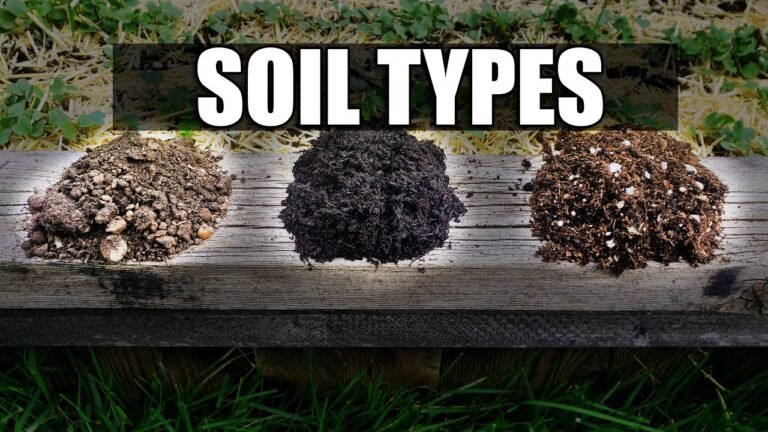
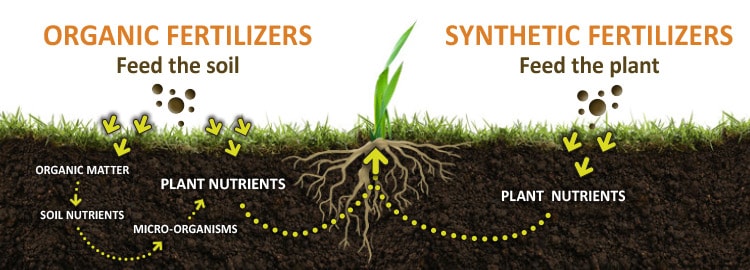
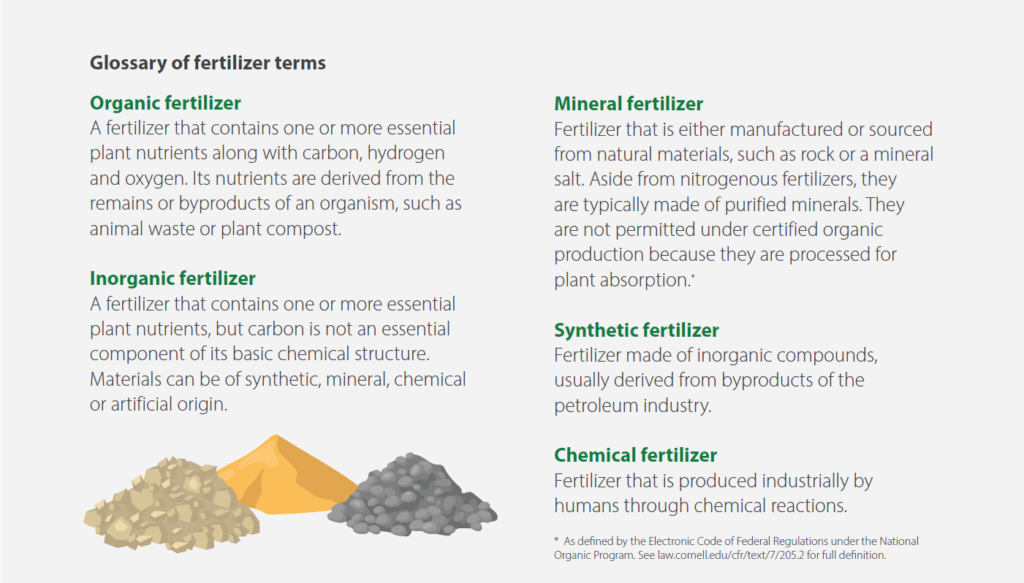
Organic fertilizers come from plant, animal, or mineral sources. They include compost, manure, bone meal, and kelp. These materials add nutrients and feed the soil life.
Synthetic fertilizers are made industrially. They provide defined amounts of nutrients such as nitrogen, phosphorus, and potassium. They feed plants directly and fast.
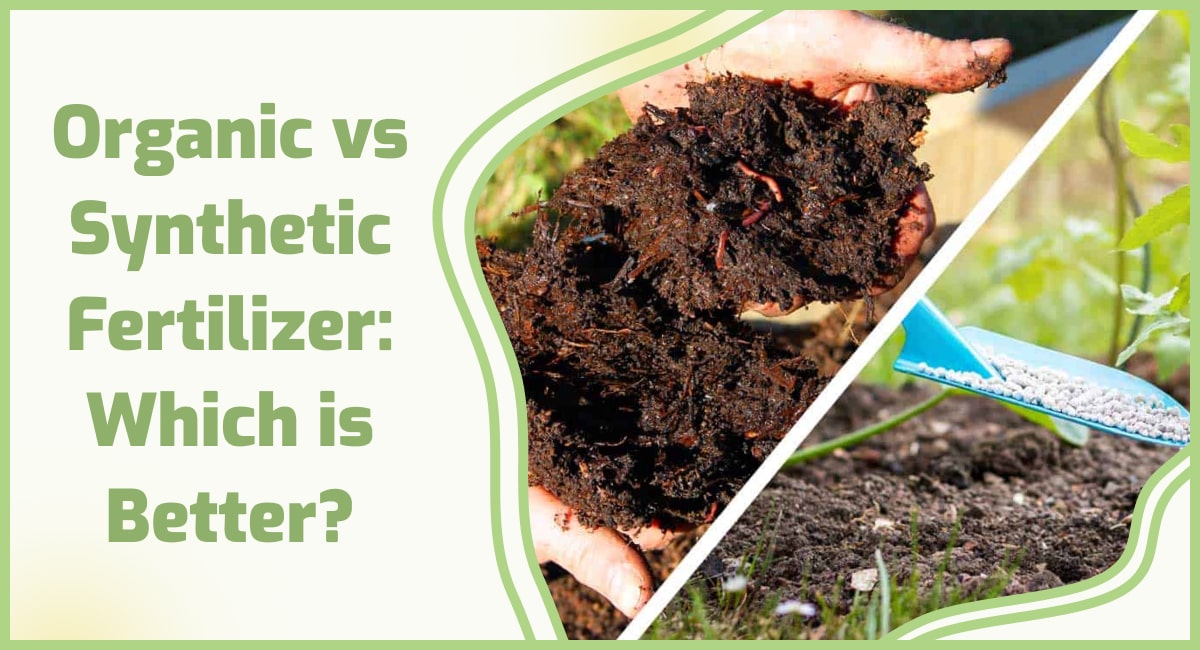
This organic fertilizer vs synthetic fertilizer comparison helps you see the basic difference: organics build soil biology, synthetics supply targeted nutrients.
Nutrient composition and release patterns
Organic fertilizers release nutrients slowly. Microbes break down organics and free nutrients over weeks or months. This reduces burn risk and supports long-term fertility.
Synthetic fertilizers provide nutrients quickly. They often come as water-soluble granules or liquids. Plants can use those nutrients almost immediately.
Organic fertilizer vs synthetic fertilizer comparison on nutrient release:
- Organic: slow-release, variable nutrient ratios, improves organic matter.
- Synthetic: fast-release, precise NPK numbers, risk of quick leaching if over-applied.
- Blended approach: use a small synthetic dose for quick need and organics for long-term gain.

Soil health and environmental impact
Organic fertilizers feed soil life. They raise organic matter, improve structure, and increase water retention. Healthy soil holds nutrients better and supports roots.
Synthetic fertilizers can harm soil microbes if used in excess. Heavy use may reduce soil organic matter. Overuse also raises the chance of nutrient runoff and water pollution.
Organic fertilizer vs synthetic fertilizer comparison on environment:
- Organic: lower runoff risk, builds resilience, improves biodiversity.
- Synthetic: higher risk of leaching and runoff when misused, can lead to algae blooms.
- Practical note: timing and rate matter for both types to protect waterways.
Plant performance, yield, and crop quality
Synthetic fertilizer often boosts early growth and yields fast. Farmers use it to meet immediate crop nutrient needs. This is key for large-scale production and precise nutrient management.
Organic fertilizer can improve flavor and texture in some crops. It supports long-term yields by improving soil health. Early years may show slower growth, but benefits grow over time.
Organic fertilizer vs synthetic fertilizer comparison for crops:
- Short-term yield: synthetic often wins.
- Long-term soil productivity: organic often wins.
- Best practice: match fertilizer choice to crop goals and timeline.
Cost, availability, and practicality
Synthetic fertilizers are widely available and often cheaper per unit of nutrient. They are easy to store and apply with simple tools or machinery. For growers needing predictable results, they fit well.
Organic fertilizers vary in cost. Some are cheap, like compost, while others, like certain meals, cost more. They need storage space and time to mature. Small-scale gardeners often find organics practical and rewarding.
Organic fertilizer vs synthetic fertilizer comparison on practicality:
- Synthetic: predictable, cost-effective for high output, needs careful handling.
- Organic: variable cost, labor- and time-intensive, benefits soil health.
- Hybrid approach: saves cost and boosts resilience by using both when sensible.

How to choose and use: practical tips and personal experience
Decide by goals, timeline, and soil tests. Test your soil first. A soil test tells you what nutrients are missing and helps you avoid waste.
From my experience, I started with compost and slow organics for my vegetable beds. Yields were modest the first year. After two seasons, soil looked richer and plants were healthier. I later used a small synthetic boost before heavy fruiting to avoid nutrient dips. That mix worked well.
Tips and steps to follow:
- Get a soil test and read the report carefully.
- Use organic matter each season to build the base.
- Match synthetic applications to growth stages when quick uptake is needed.
- Avoid over-application of either type to prevent runoff and plant burn.
- Consider foliar feeds for short-term fixes and soil feeds for long-term health.
Common mistakes I made:
- Applying too much synthetic nitrogen early in the season, which led to weak stems.
- Skipping compost in favor of quick fixes, which reduced soil water retention.
Learning from those mistakes shaped my balanced approach.
Common misconceptions and myths
Myth: Organic fertilizer always means zero environmental harm. Reality: Organics can cause runoff if misapplied. They are gentler, but quantity and timing still matter.
Myth: Synthetic fertilizer kills soil life. Reality: Moderate, targeted use rarely destroys soil biology. Chronic overuse can harm microbes over time.
Myth: You must choose only one type. Reality: Many growers use both. A blended strategy gives fast nutrients and builds soil.
This organic fertilizer vs synthetic fertilizer comparison clears up these false ideas and shows that context is key.

Frequently Asked Questions
What is the main difference between organic and synthetic fertilizers?
Organic fertilizers come from natural sources and feed soil life while releasing nutrients slowly. Synthetic fertilizers are manufactured and deliver precise nutrients quickly to plants.
Can I switch from synthetic to organic fertilizers immediately?
You can switch, but expect a transition period. Soil needs time to rebuild organic matter and microbial life for full benefits.
Are synthetic fertilizers harmful to the environment?
They can be if overused. Excess synthetic nutrients can leach into groundwater or run off into streams, causing pollution.
Will organic fertilizer give the same yields as synthetic?
Organics can match yields over time with good practices, but synthetics often give faster, short-term yield gains. Long-term results depend on soil and management.
How do I decide which fertilizer to use for my garden?
Base your choice on a soil test, crop needs, budget, and timeline. For fast growth use synthetics; for soil health use organics; combine both for balance.
Is it safe to use animal manures in my garden?
Yes, when composted properly. Raw manure can contain pathogens and should be composted or aged before use on food crops.
Conclusion
This organic fertilizer vs synthetic fertilizer comparison shows that both types have clear roles. Synthetic fertilizers offer speed and precision. Organic fertilizers build soil health and resilience. Use soil tests, match fertilizer to crop needs, and consider a mixed approach for the best results.
Takeaway: test your soil, start with organic matter, and use synthetics only when needed. Try one change at a time and track results. Share your experience or questions below, subscribe for more guides, or leave a comment about your garden wins and lessons.