Topsoil comes from the ground; potting soil is a light, sterile mix for containers.
If you have ever asked topsoil vs potting soil, you’re in the right place. I work with soil blends for gardens, lawns, and indoor plants. In this guide, I explain the science, the trade-offs, and the real-world results. You will learn exactly when to use each, what to avoid, and how to fix common problems without wasting time or money.
:max_bytes(150000):strip_icc()/topsoil-vs-garden-soil-7501844-7d8db8d8a1aa4d85b91458b3e2597073.png)
What is topsoil?
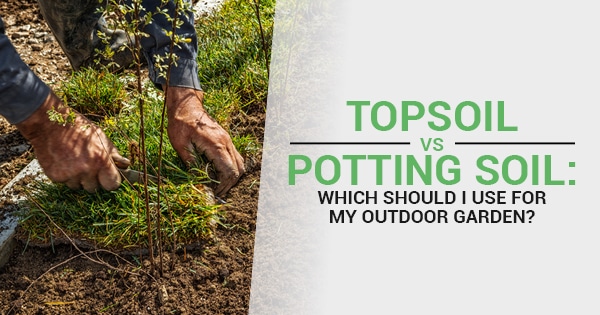
Topsoil is the upper layer of natural soil. It holds sand, silt, clay, and some organic matter. It may also include tiny life like fungi, bacteria, and small insects.
Not all bagged topsoil is the same. Some bags are screened native soil. Others are blends of sand, compost, and wood fines. Bulk topsoil from landscape yards can vary a lot. Ask for a spec sheet if you can.
Key traits of topsoil:
- Heavier texture and higher bulk density
- Good for grading, leveling, and filling low spots
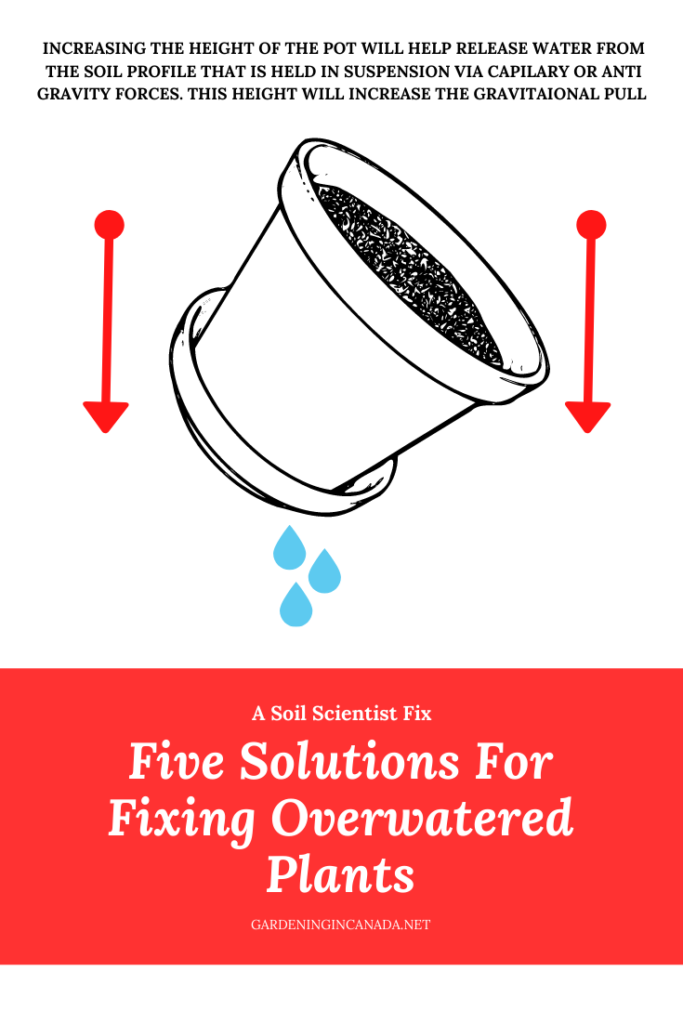
- Not ideal for containers due to compaction and poor drainage
- May contain weed seeds or disease if not screened well
When topsoil shines:
- Lawn leveling and sod base layers
- Building up garden beds before amending with compost
- Repairing eroded areas

What is potting soil?
Potting soil (often called potting mix) is a soilless blend made for containers. It is usually peat or coconut coir, plus perlite or pumice, and sometimes composted bark. Many mixes include a slow-release fertilizer and wetting agents.
Why it works in pots:
- Light and airy structure for root growth
- Drains well yet holds moisture
- Often pasteurized or clean, so fewer pests and weeds
Common potting soil add-ons:
- Perlite or pumice for extra drainage
- Coir or peat for moisture control
- Compost or worm castings for nutrients
- Lime to balance pH in peat-heavy mixes
- Mycorrhizae to support roots (optional, results vary)

Topsoil vs potting soil: key differences
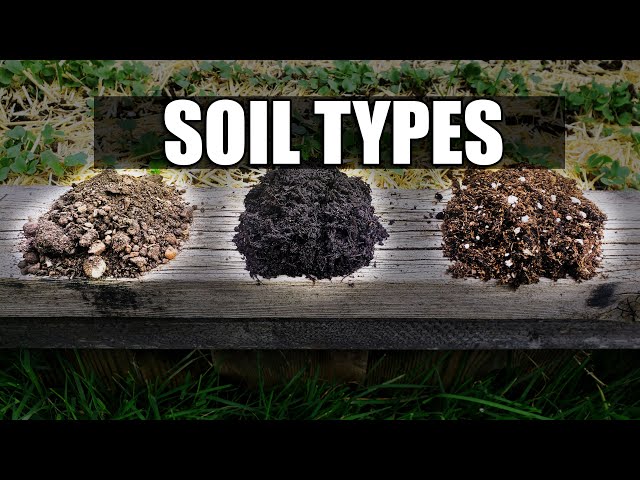
The core idea of topsoil vs potting soil is simple. One is earth from the ground. The other is an engineered medium for containers. That core truth drives their traits and best uses.
Here’s how they differ in practice:
- Structure: Topsoil compacts in pots. Potting mix stays fluffy.
- Drainage: Topsoil drains slow in containers. Potting mix drains fast.
- Nutrients: Topsoil nutrients vary a lot. Potting mix often has a set charge.
- Biology: Topsoil has native microbes and sometimes weeds. Potting mix is cleaner.
- Use case: Topsoil for ground work. Potting mix for pots and planters.
Expert tip: Bulk density impacts roots. Heavy soils starve roots of air. That is why garden soil in a pot often fails. Roots need pores for gas exchange. Potting mixes are built to keep those pores open.

When to use topsoil vs potting soil
The best choice depends on where the plant grows. Use topsoil for ground work. Use potting soil for containers. That rule of thumb covers most cases.
Use topsoil when:
- You need to fix grades and slopes
- You want to fill a low spot before seeding
- You are building a raised bed base and will amend it
Use potting soil when:
- You grow any plant in a pot, basket, or window box
- You start seeds in trays or small cells
- You repot houseplants that hate wet feet
Edge cases to note:
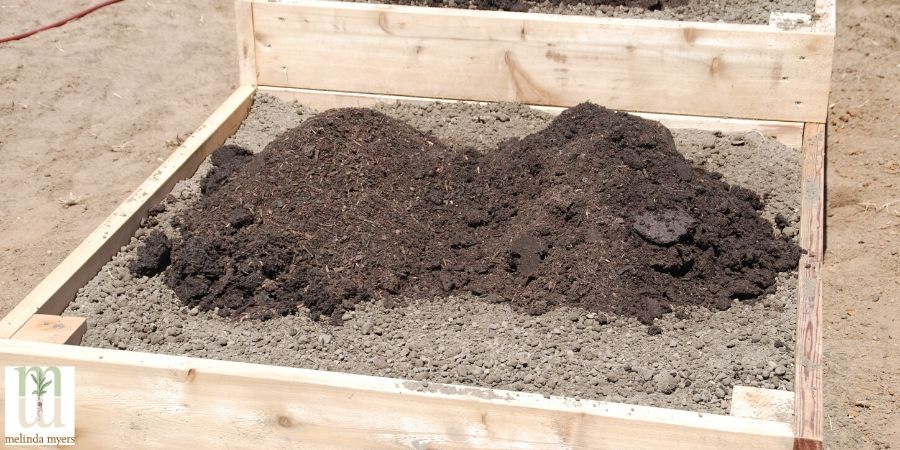
- Raised beds taller than 12 inches do well with a blend. Use 60% topsoil and 40% composted materials. Add a bit of perlite if drainage is slow.
- Large outdoor containers for trees need extra drainage. Use potting mix with more bark and pumice.
You will see the phrase topsoil vs potting soil in many forums. The answer there is the same. Put topsoil in the ground and potting soil in containers.
How to amend and mix for better results
You can improve both materials with simple steps. Start with the plant’s needs. Then tune for drainage, air, and nutrients.
For heavy or clay-rich topsoil:
- Add 2 to 3 inches of compost on top and mix into the top 6 to 8 inches
- Add coarse sand only if you add a lot of organic matter too
- Plant a cover crop to build structure over time
For basic potting soil that stays too wet:
- Blend in extra perlite or pumice at 15 to 30%
- Add fine bark for long-term structure outdoors
- Avoid adding garden soil to pots, as it compacts
DIY potting mix formula I use:
- 40% coconut coir or peat
- 30% fine bark
- 20% perlite or pumice
- 10% high-quality compost
- Add lime if peat-based, and a light starter fertilizer
Tuning by plant type:
- Succulents and cacti: Extra perlite or pumice, less compost
- Herbs and annuals: Balanced mix, steady nutrients
- Houseplants: Mix varies by species, but air space is key
Common mistakes and how to avoid them
I see the same errors year after year. Most come from using the wrong soil in the wrong place.
Mistakes with topsoil:
- Filling containers with topsoil leads to root rot
- Buying unscreened bulk topsoil brings weeds
- Skipping compost makes beds crust and crack
Fix:
- Keep topsoil in the ground, not in pots
- Ask suppliers for screened, tested topsoil
- Work in compost before planting
Mistakes with potting soil:
- Using old, compacted potting mix after years of use
- Overwatering because the top dries fast but the core stays wet
- Planting trees in tiny pots with standard mix outdoors
Fix:
- Refresh or replace potting mix each season for annuals
- Water by weight and probe soil 2 inches deep
- For trees, use a chunky mix and a large container with good drainage
If you still debate topsoil vs potting soil, check the setting first. The right choice will stand out once you see where roots will live.
Cost, sustainability, and sourcing
Good soil saves money over time. Cheap, poor soil wastes plants and effort. Look past the bag price. Think in seasons, not weeks.
Costs:
- Topsoil is cheaper per yard. Great for bulk landscape work.
- Potting soil is pricier per volume. It is a value add for containers.
Sustainability angles:
- Peat mining can harm peat bogs. Choose coir or peat-free mixes if you can.
- Some coir has a salt load. Pick brands that rinse and buffer well.
- Bulk topsoil can come from site stripping. Ask about source and screening.
- Compost and bark-based inputs turn waste into resources.
Smart sourcing:
- For topsoil, request a particle analysis or at least a texture description
- For potting mixes, read the ingredient list and look for a balanced blend
- For raised beds, favor blends sold as bed mix. These sit between topsoil and potting mix.

Testing and simple quality checks at home
You do not need lab gear to learn a lot about soil. Try these easy tests before you plant.
Jar test for texture:
- Fill a clear jar half full with soil
- Add water, shake hard, and let it settle
- Sand falls first, then silt, then clay; layers show texture
Squeeze test for structure:
- Moisten soil, then squeeze in your hand
- If it forms a ribbon over 2 inches, clay is high
- If it falls apart at once, sand is high
Drainage test in pots:
- Fill a pot with mix, water to run-off
- Time how long it takes to stop dripping
- Slow drip or standing water means you need more air space
pH and EC:
- Simple meters or strips can give a rough read
- Most crops like a pH near 6.0 to 7.0
- High EC means salts; flush or amend
These checks help you choose between topsoil vs potting soil for a job. They also guide you on how to amend.
Real-world examples from the field
Here are quick stories from my work that show how the choice plays out.
Lawn leveling win:
- We used screened topsoil to fix low spots after a wet spring
- We mixed in compost at 20% for better seed start
- The lawn filled in fast and stayed even after heavy rain
Houseplant rescue:
- A client used garden soil in a large pot
- The roots turned brown and the pot smelled sour
- We switched to a light potting mix with extra perlite; growth rebounded in a month
Raised bed build:
- A new bed was 16 inches tall
- We chose a 60% topsoil and 40% composted bark blend
- We mulched and watered deep; tomatoes hit four feet by mid-summer
These cases show the heart of topsoil vs potting soil. Put each where it belongs, then fine-tune.
Frequently Asked Questions of topsoil vs potting soil
Is potting soil the same as topsoil?
No. Potting soil is a soilless mix made for containers. Topsoil is natural ground soil used for grading and in-ground beds.
Can I use topsoil in containers?
It is not a good idea. Topsoil compacts and drains poorly in pots, which can lead to root rot.
When should I use topsoil vs potting soil in raised beds?
Use a topsoil-based blend for tall beds, then amend with compost. For shallow beds or boxes on patios, use a potting mix or a bed mix with more air space.
Does potting soil have fertilizer?
Many potting mixes have a starter charge. It lasts a few weeks, so plan to feed on a schedule after that.
Will topsoil add weeds to my garden?
It can. Buy screened and quality-tested topsoil. A pre-plant weed flush and light cultivation can help reduce issues.
Is peat-free potting soil good?
Yes, when well made. Coir and bark-based mixes can match or beat peat in many cases.
How often should I replace potting soil?
Refresh annually for heavy feeders and container annuals. For houseplants, replace or root prune and amend every 1 to 2 years.
What pH should I aim for with topsoil vs potting soil?
Most plants like 6.0 to 7.0. Some, like blueberries, prefer more acidic soil; match the plant to the medium.
Can I mix topsoil and potting soil?
Yes, for large outdoor planters or deep raised beds. Keep the final mix airy and test drainage before planting.
How do I know which to buy: topsoil vs potting soil?
Ask where your plant will live. If it is in the ground, go with topsoil and compost. If it is in a pot, choose potting soil.
Conclusion
Good soil turns work into joy. The rule is clear: topsoil for the ground, potting soil for containers. Start there. Then adjust texture, air, and nutrients to fit your plants and climate.
Try one change this week. Test your soil. Refresh a tired pot with a better mix. Or fix a low lawn spot with screened topsoil and compost. Share your results, subscribe for more soil tips, and drop your questions in the comments.