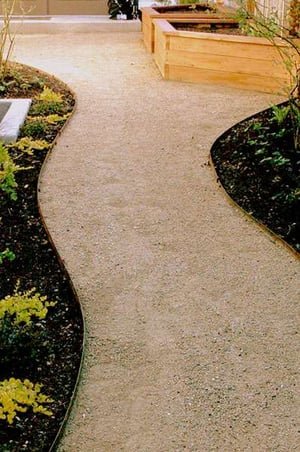
Morning is generally best for most plants because roots absorb water more efficiently early.
I’ve spent years tending gardens, testing schedules, and helping homeowners solve plant problems. This article explains the best time to water plants morning or evening with clear reasons, practical steps, and plant-specific advice. You’ll learn when to water, why timing matters, how climate and soil change the answer, and real tips I use in my own garden to keep plants healthy and thriving.
Why timing matters for plant health
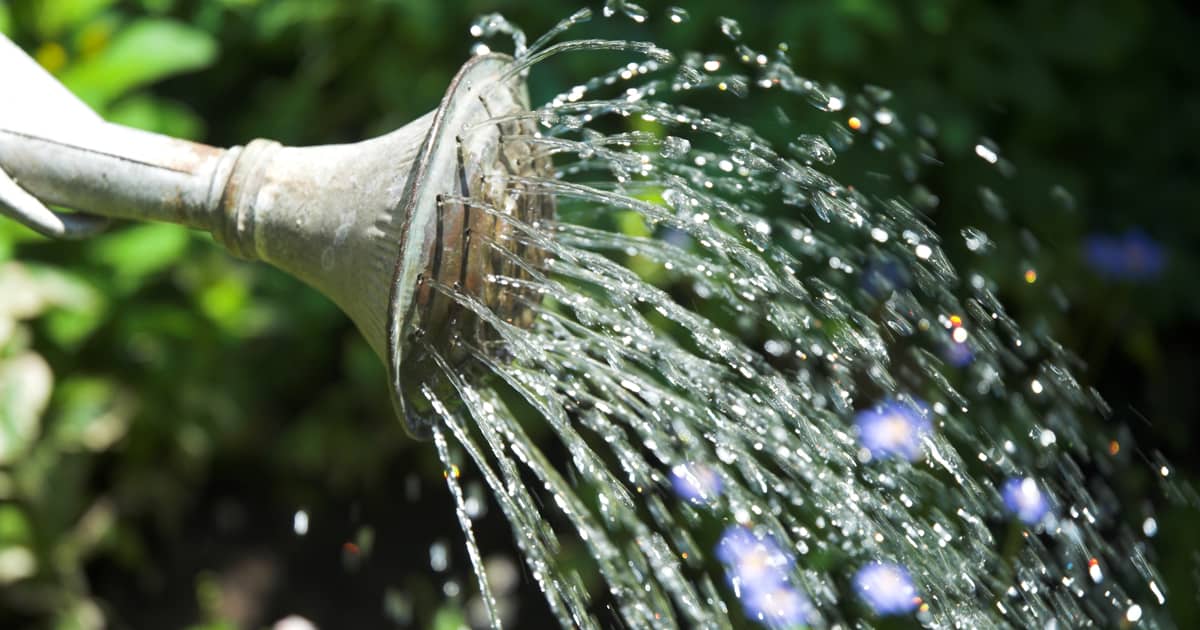
Water is life for plants, but when you give it matters as much as how much you give. Evaporation and plant transpiration rise with heat. If you water at the wrong time, much of that water is wasted or it promotes disease. Choosing the best time to water plants morning or evening affects root uptake, leaf wetness, pest pressure, and overall water efficiency.
Key processes affected by timing:
- Evaporation: water on soil and leaves evaporates faster in midday heat.
- Transpiration: plants open stomata and lose water during the day.
- Disease risk: long wet leaves overnight can encourage fungal growth.
- Root absorption: cooler mornings let roots take up water before heat stress begins.
Understanding these factors helps answer the core question of whether the best time to water plants morning or evening suits your location and plant mix.

Morning watering: benefits and best practices
Morning watering is usually the safest bet for most plants. Early morning gives soil time to soak and plants time to dry slightly before the heat. Roots can take up water as the day warms, helping plants cope with daytime stress.
Benefits of morning watering:
- Lower evaporation means more water reaches roots.
- Leaves dry quickly, reducing fungal disease risk.
- Plants have water ready for peak photosynthesis.
- Cool temperatures reduce shock in sensitive plants.
How to water in the morning:
- Water between dawn and 9 a.m. when possible.
- Water deeply but less often to encourage deep roots.
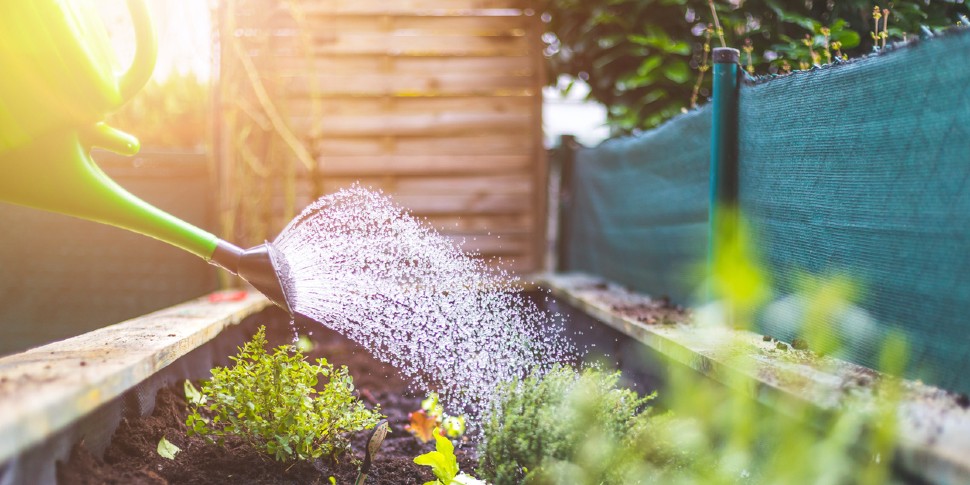
- Use drip irrigation or soaker hoses to wet soil, not leaves.
- Check soil moisture 1–2 inches below the surface before watering.
From experience, an early-morning routine cut my vegetable watering needs and lowered mildew issues compared to evening watering. For most home gardeners, morning is the best time to water plants morning or evening questions resolved.

Evening watering: when it works and the risks
Evening watering can be useful in certain conditions but has trade-offs. In hot, arid climates, a late afternoon or early evening soak helps plants recover from heat stress. Yet, if leaves remain wet overnight, fungi and molds find a welcome environment.
When evening watering makes sense:
- In deserts or very hot summers to give plants water before a cool night.
- For newly planted trees or seedlings needing consistent moisture.
- When your schedule only allows late-day maintenance.
Risks and how to reduce them:
- Fungal growth and leaf diseases increase if foliage stays wet overnight.
- Water at soil level, not overhead, to keep leaves dry.
- Aim for late afternoon so soil can absorb and leaves can dry before dark.
- Avoid watering too late; soak the root zone and stop at least an hour before dusk when possible.
I once overused evening watering on bedding plants and saw fungal spots the next week. Switching to early mornings solved it quickly.
How to decide: plants, climate, soil, and irrigation method
There is no one-size-fits-all answer to the best time to water plants morning or evening. Your choice depends on plant type, local climate, soil type, and how you water.
Consider these factors:
- Plant type
- Succulents: water infrequently, any time when soil is dry; morning preferred.
- Vegetables: morning watering is best for growth and disease prevention.
- Lawns: early morning supports deep roots and reduces fungal issues.
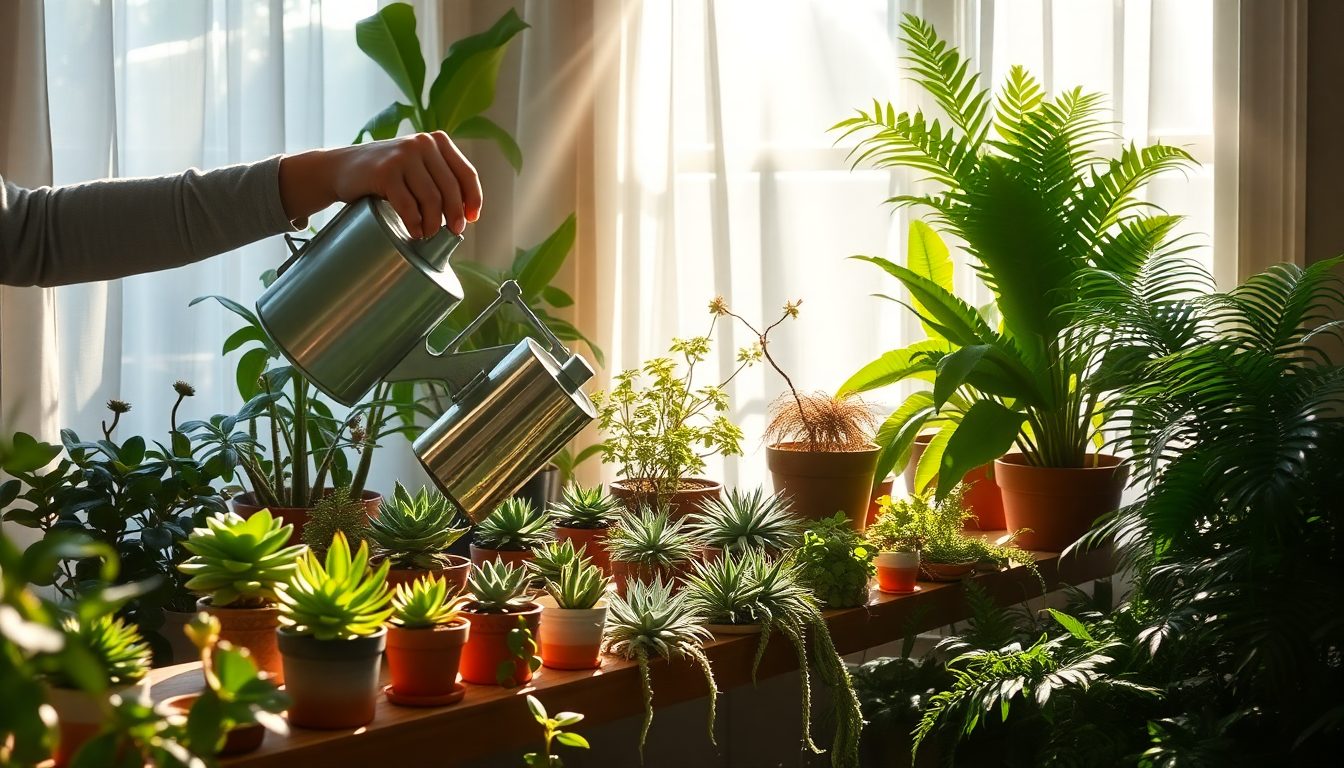
- Tropical foliage plants: consistent moisture, morning is often safer.
- Climate
- Humid areas: morning watering reduces disease spread.
- Arid/hot areas: late afternoon can help, but avoid wet leaves overnight.
- Soil
- Sandy soil drains fast and may need more frequent watering.
- Clay soil holds water and benefits from less frequent, deep watering.
- Irrigation method
- Drip and soaker hoses target roots and allow more flexible timing.
- Overhead sprinklers wet leaves and favor morning schedules.
People also ask:
- Is it okay to water in the evening during a heatwave?
- Yes, watering late afternoon helps plants recover, but avoid soaking leaves overnight.
- Will watering in the morning waste water?
- No, morning reduces evaporation compared to midday, so it’s more efficient.
- Do container plants need different timing?
- Containers dry faster; water in the morning, and check moisture midday on hot days.

Practical tips, schedules, and mistakes to avoid
Practical habits make the best time to water plants morning or evening easy to follow. Adopt simple routines and tools to save water and protect plant health.
Daily and seasonal schedules:
- Spring and fall: water deeply every 3–7 days depending on rain and soil.
- Summer hot periods: water 1–3 times per week, favor morning or late afternoon with drying time.
- Seedlings and transplants: keep soil consistently moist; short morning and evening checks can help.
Handy rules and tools:
- Use a finger test or moisture meter to check 1–2 inches of soil.
- Mulch around plants to slow evaporation and even soil temperature.
- Water slowly and deeply to encourage roots to grow down.
- Install timers or smart controllers that water in early morning windows.
- Group plants by water needs so you can time irrigation effectively.
Common mistakes to avoid:
- Watering shallowly and often—this promotes weak surface roots.
- Overhead evening watering—this raises disease risk.
- Ignoring seasonal shifts—adjust schedule as temperatures change.
From my garden, setting a simple timer for 6 a.m. watering during summer saved time and kept tomatoes robust. I learned that a little planning beats reacting to wilting.
Frequently Asked Questions about best time to water plants morning or evening
Is morning always the best time to water plants?
Morning is best for most plants because it reduces evaporation and disease risk, but local climate and plant type can change that advice.
Can watering in the evening kill plants?
Watering in the evening rarely kills plants directly, but it can raise fungal disease risk if leaves stay wet overnight. Water at the soil level to reduce problems.
How often should I water my lawn in summer?
Water deeply 1–3 times per week depending on heat and soil; aim for early morning to encourage deep roots and minimize disease.
Do succulents prefer morning or evening watering?
Succulents prefer infrequent, deep watering when the soil is dry; morning is usually safest to allow drainage and avoid sitting moisture.
Will drip irrigation let me water at any time?
Drip systems reduce leaf wetness and allow flexible timing, but early morning still maximizes efficiency and minimizes disease risk.
Should I change watering times in fall and winter?
Yes. Plants need less water in cooler months; water less frequently and check soil before watering to prevent overwatering.
Conclusion
Most gardeners will find that morning watering is the best time to water plants morning or evening due to lower evaporation and lower disease risk. Still, climate, plant type, and irrigation method can make evening watering appropriate in some cases. Start with an early-morning routine, adjust for heat and soil, and use mulch and deep watering to build strong roots. Try a morning-only week and observe your plants—then refine your schedule based on results. If you found this helpful, try the tips in your garden this week and share what works or ask a question in the comments.