Coco peat vs soil: coco peat boosts aeration and drainage; soil supplies minerals and microbes.
If you are torn between coco peat vs soil for your pots, beds, or seed trays, you are in the right place. I have trialed both for years in home gardens and client projects. In this guide, I break down coco peat vs soil with clear tests, simple recipes, and honest pros and cons. You will learn when coco peat wins, when soil is best, and how to blend them for strong roots and steady growth.
What Is Coco Peat? What Is Soil?
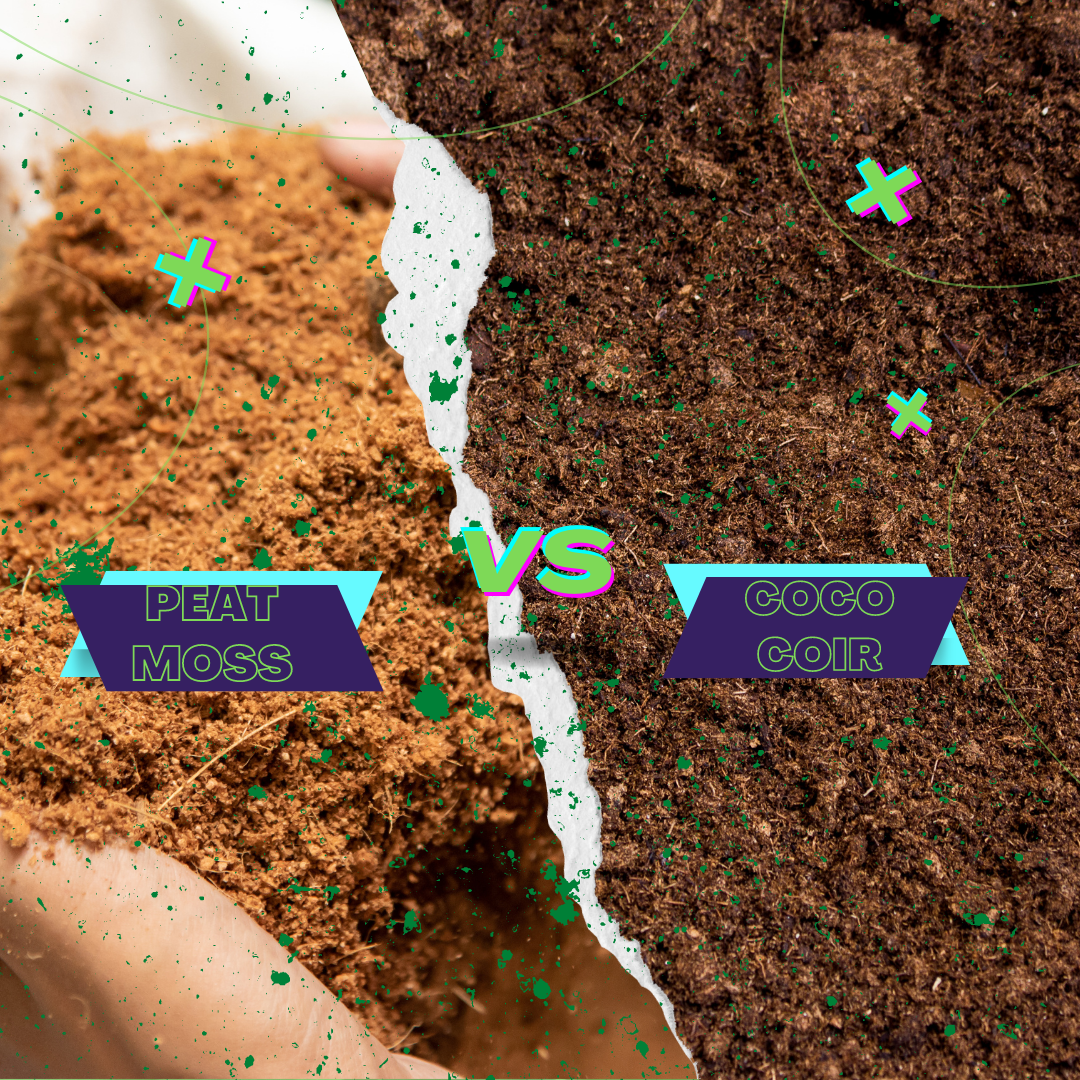
Coco peat is the fiber from coconut husks. It is also called coconut coir. It has tiny air pockets, holds water well, and drains fast. Good coco peat is rinsed and buffered to lower salts. Its pH sits near neutral. It has little nutrition by itself.
Soil is a mix of sand, silt, clay, and organic matter. It carries minerals, microbes, and natural buffers. Texture and pH change by region. Some soil compacts and holds water too long. Some soil drains too fast.
Think of coco peat as the comfy mattress for roots. Think of soil as the stocked pantry and living room. Coco peat vs soil is not a fight. It is a choice for the job you need done.
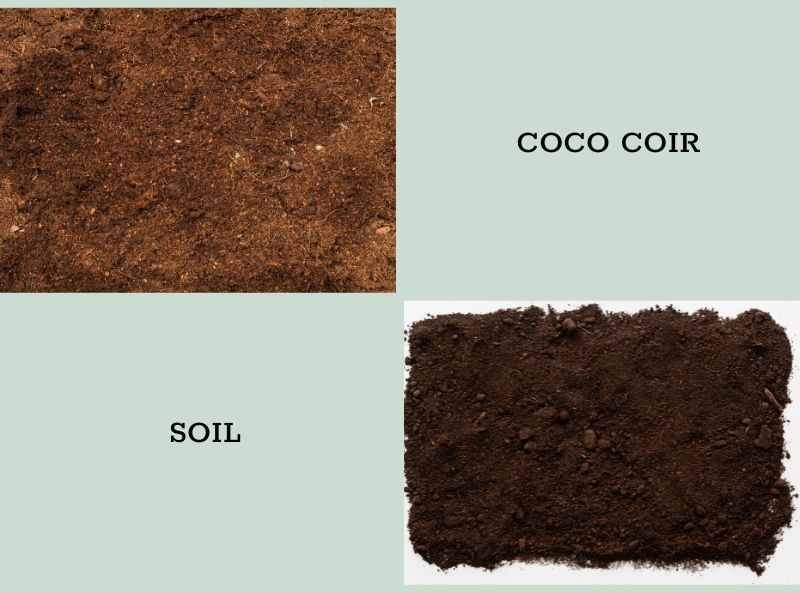
Coco Peat vs Soil: Key Differences At A Glance
- Water holding and drainage: Coco peat holds water yet drains fast. Soil varies a lot by texture.
- Aeration: Coco peat stays fluffy. Soil can compact, which reduces air to roots.
- Nutrients: Coco peat is low in nutrients. Soil holds and supplies minerals and trace elements.
- Microbes: Coco peat starts near sterile. Soil has rich biology that can help or harm.
- pH: Coco peat is close to neutral. Soil pH ranges wide and may need testing.
- Salts: Poor coco peat can have high sodium and potassium. Good brands are washed and buffered.
- Weight: Coco peat is light. Soil is heavy and adds stability.
- Reuse: Coco peat can be reused a few cycles with care. Soil can be rebuilt over years with compost.
When you compare coco peat vs soil for real plants, look at roots first. Root health tells the truth about air, water, and food.

Pros and Cons of Coco Peat vs Soil
Coco peat pros:
- Great aeration and root growth.
- Holds moisture evenly and reduces dry spots.
- Light, clean, and easy to hydrate from a brick.
- Renewable by-product of coconuts.
Coco peat cons:
- Very low nutrients and needs feeding.
- Risk of salts if not washed and buffered.
- Can stay too wet if used alone in cool, dim rooms.
Soil pros:
- Natural minerals, microbes, and buffers.
- Can feed plants for weeks with compost.
- Strong structure for tall or heavy plants.
Soil cons:
- Can carry pests, disease, or weed seeds.
- May compact and cause root rot.
- Quality varies by source and season.
In short, coco peat vs soil is a trade. Coco peat gives air and control. Soil gives life and reserves.

When To Use Coco Peat, Soil, Or A Mix
Use coco peat alone or with perlite when:
- Starting seeds that need even moisture and air.
- Growing indoor plants where you want a clean, light mix.
- Running drip or hydro-like feeding where you control nutrients.
Use soil (improved with compost) when:
- Filling raised beds that host long-season crops.
- Planting in-ground where biology and minerals matter.
- You want a low-input system with fewer bottled feeds.
Use a coco peat vs soil blend when:
- You need both air and steady nutrition.
- You grow thirsty, fast plants like basil, peppers, or annual flowers.
- You want a safe path for beginners.
Simple rule I use: containers love a coco-forward blend; beds love a soil-forward blend.
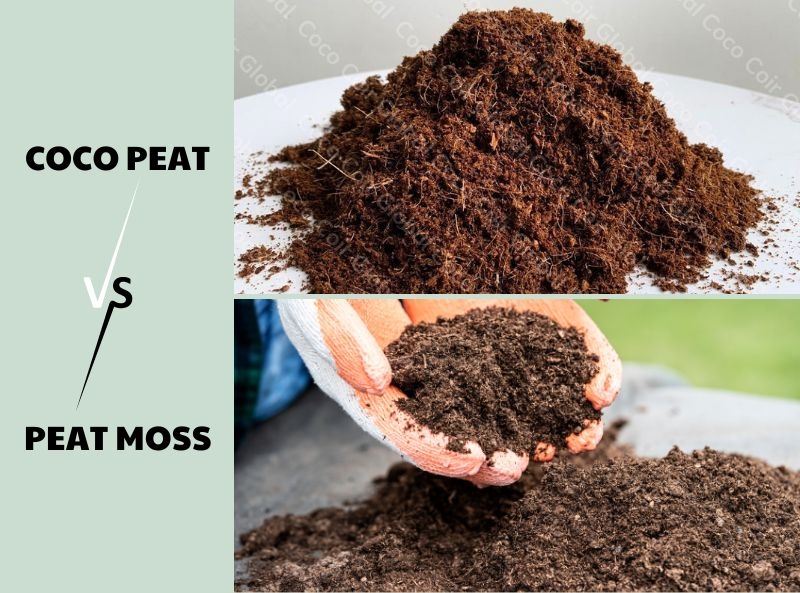
How To Mix Coco Peat And Soil For Best Results
Basic container blend:
- 40 percent coco peat for air and water flow.
- 40 percent compost or quality potting soil for nutrients.
- 20 percent perlite or bark fines to keep it loose.
Bed and border blend:
- 20 to 30 percent coco peat mixed into native soil.
- Add 20 percent compost for organic matter.
- Add a handful of rock dust or slow-release minerals if soil tests low.
Keys to success:
- Rinse and squeeze-test coco peat. It should feel damp, not soggy.
- Buffer coco peat if your bag says unbuffered. Use a calcium and magnesium feed once.
- Feed lightly each watering for coco-heavy mixes. Use a complete, low-salt fertilizer.
- Water by weight. Lift the pot. If it feels light, water. If heavy, wait.
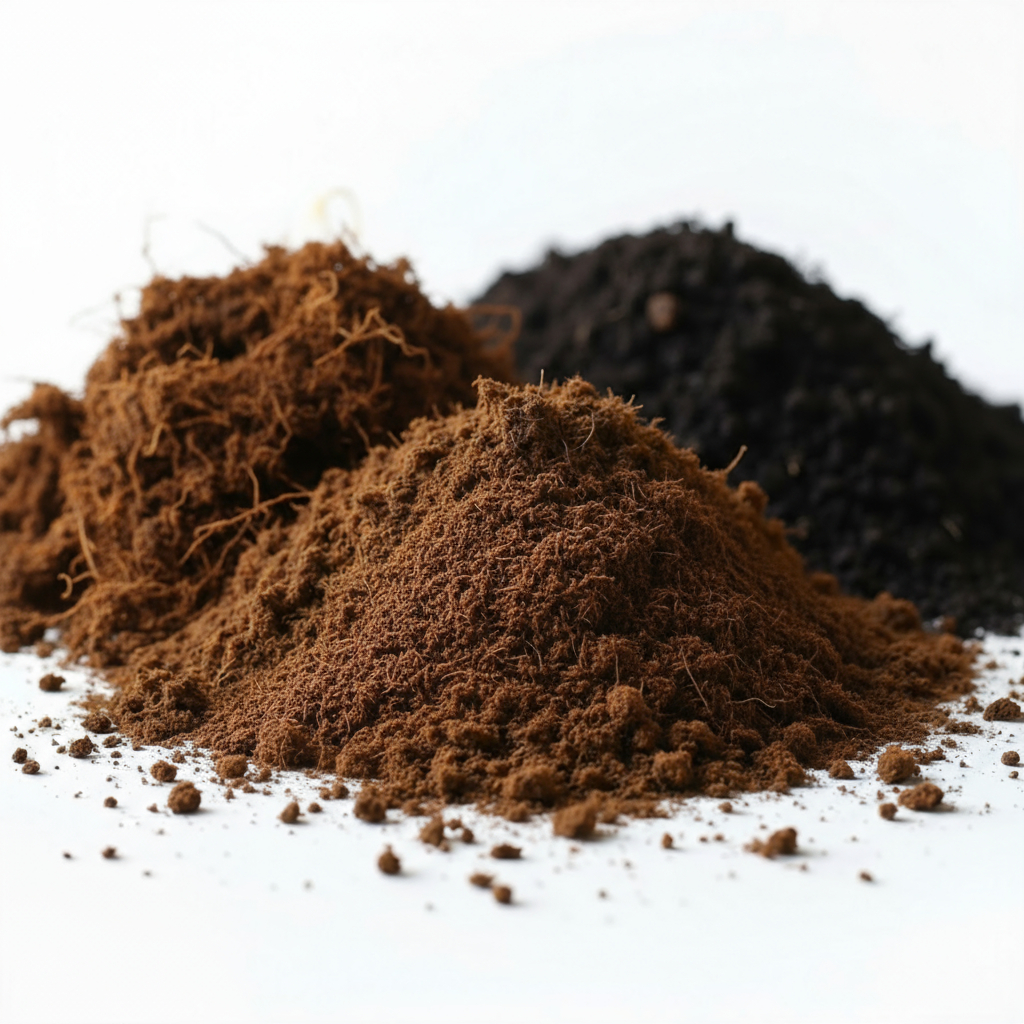
Environmental Impact And Sustainability
Coco peat is a by-product of the coconut industry. It reduces waste and replaces mined peat moss in many mixes. Processing and shipping add a footprint, but reuse helps balance that.
Soil is local and heavy. Good soil takes years to build and seconds to harm. Erosion, tilling, and chemicals can damage it. Compost, mulch, and cover crops protect it.
In sustainable systems, coco peat vs soil is not either-or. Use coco peat to boost structure. Use soil life to power cycles.
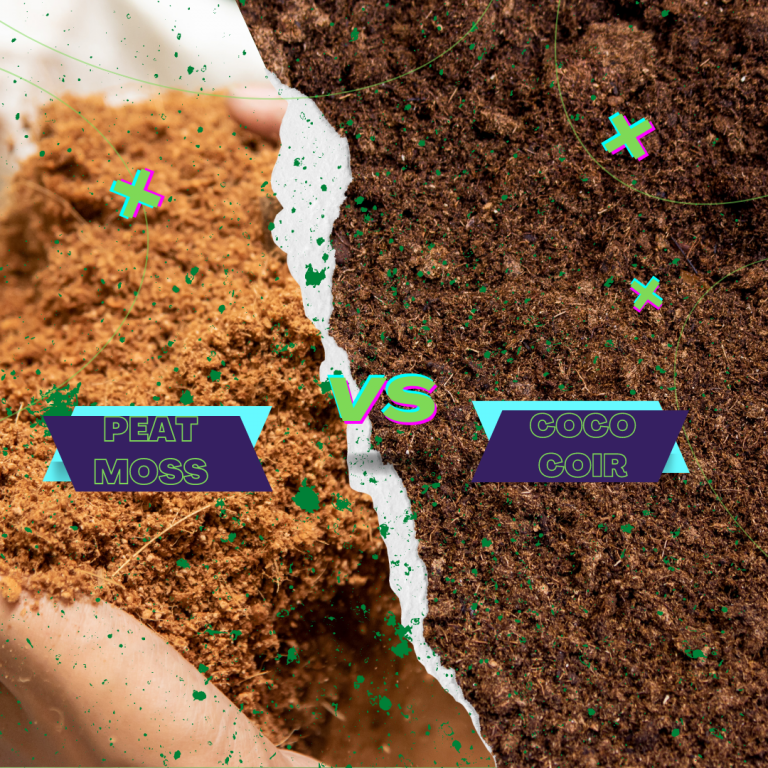
Cost, Quality, And Sourcing Tips
- Choose low-EC coco peat. Look for EC under about 0.5 mS/cm and a near-neutral pH.
- Pick buffered coco. It reduces sodium and potassium issues and improves calcium uptake.
- Buy from steady brands. Brick yield should be listed. One small brick often makes 15 to 20 liters.
- Test your soil. A cheap test helps you set pH and mineral plans.
Smart budget move: use coco peat where it changes outcomes the most, like seed trays and small pots. Use soil and compost for volume.

Real-World Results: My Tests And Lessons Learned
I ran side-by-side basil in 5-gallon pots. One used 60 percent coco peat, 30 percent compost, 10 percent perlite. The other used native loam with compost. The coco mix rooted faster and needed water every two to three days. The soil mix held water longer but lagged one week in growth.
I also tested peppers in raised beds with 25 percent coco peat mixed into clay soil. Stems were thicker, and harvest started sooner. The bed drained better after summer storms.
Lessons learned:
- Unbuffered coco gave leaf tip burn until I added a calcium-magnesium feed.
- Pure coco stayed too wet in a cool room. A bit of bark or perlite fixed it.
- Soil plus coco peat made watering simpler for new gardeners.
Troubleshooting And Care Tips
- Yellow leaves after using coco peat: Likely low nutrients or calcium issue. Start a balanced feed and add a calcium-magnesium boost.
- Slow growth in heavy soil: Mix in coco peat, compost, and perlite. Water less often but deeper.
- Fungus gnats in wet mixes: Let the top inch dry. Add a thin layer of coarse sand or bark on top.
- Salt stress from poor coco: Flush the pot with clean water until runoff EC is low. Buffer once.
Always tune coco peat vs soil to your light, pot size, and climate. Small tweaks beat big fixes.
Frequently Asked Questions of coco peat vs soil
Is coco peat better than soil for indoor plants?
Coco peat is great for indoor plants because it stays airy and drains well. Add compost or fertilizer since coco alone has few nutrients.
Can I grow vegetables in 100 percent coco peat?
Yes, but you must feed every watering with a complete nutrient. Most home growers get better results with 20 to 40 percent compost mixed in.
Does coco peat change soil pH?
Coco peat is near neutral, so it rarely swings pH much. It can help buffer minor pH issues when mixed with soil.
How often should I water coco-heavy mixes?
Water when the pot feels light and the top inch is dry. Coco holds water well, so avoid watering by habit.
Is coco peat sustainable compared to peat moss?
Coco peat is a renewable by-product and reduces waste. It is often seen as a more sustainable option than mined peat moss.
Will coco peat vs soil affect pest and disease risk?
Coco peat starts clean, so soil-borne issues are less likely at first. Soil can have pests, but strong soil biology can also protect roots.
What is the best coco peat vs soil ratio for seed starting?
Use 70 to 80 percent coco peat with perlite and a bit of compost or mild starter feed. This keeps seeds moist and roots well-aerated.
Can I reuse coco peat?
Yes, for two to three cycles if you wash, dry, and re-buffer lightly. Remove old roots and add fresh compost.
Does soil always need coco peat added?
Not always. Sandy soil may need compost more than coco, while clay benefits a lot from coco for structure.
Which is cheaper: coco peat vs soil?
Coco bricks seem pricey but expand a lot and are clean. Bulk soil or compost is cheaper for filling large beds.
Conclusion
Coco peat vs soil is about fit, not a winner. Use coco peat for air, even moisture, and fast roots. Use soil for minerals, microbes, and long-term balance. Blend both for strong, steady plants in most home setups.
Pick one project this week. Try a 40 percent coco peat, 40 percent compost, 20 percent perlite mix in a pot. Compare it to your usual soil. Watch the roots and learn.
Want more tests and mix recipes? Subscribe for updates or drop your questions in the comments.