Mulch vs bark choices hinge on soil health, weed control, looks, and costs.
If you want clean beds, fewer weeds, and healthier plants, you will face the mulch vs bark debate fast. I’ve tested both across home gardens, commercial sites, and community projects. In this guide, I break down what really matters, from soil science to daily upkeep. You will see when mulch wins, when bark shines, and how to use each for the best results.
What We Mean by Mulch vs Bark
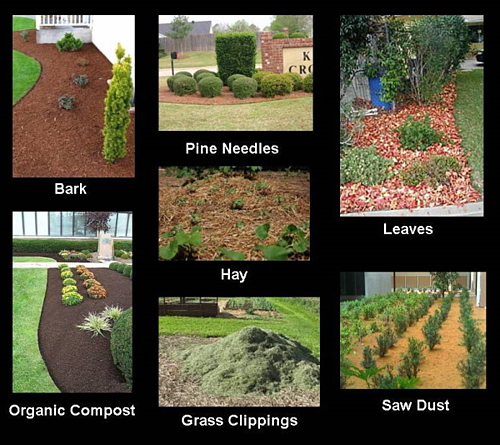
Mulch is any material used to cover soil. It reduces weeds, holds water, and protects roots. It can be organic, like wood chips, bark, leaves, straw, or compost. It can also be inorganic, like gravel, rubber, or landscape fabric.
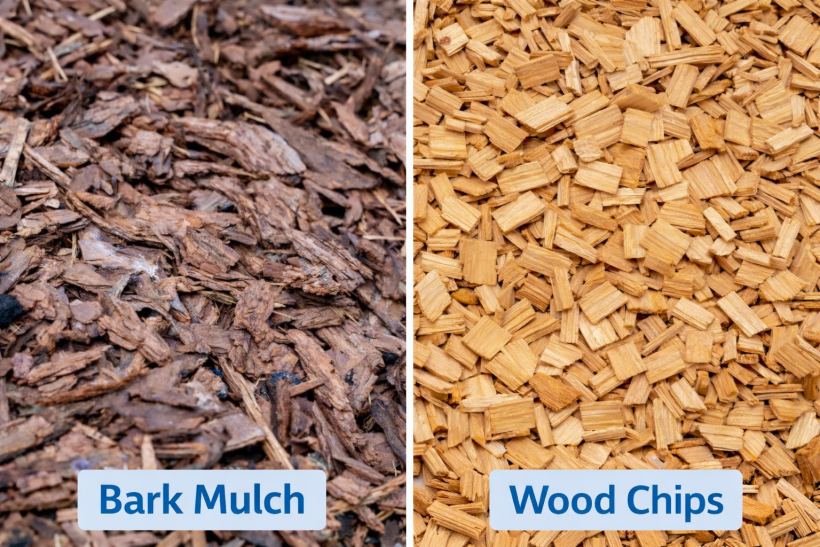
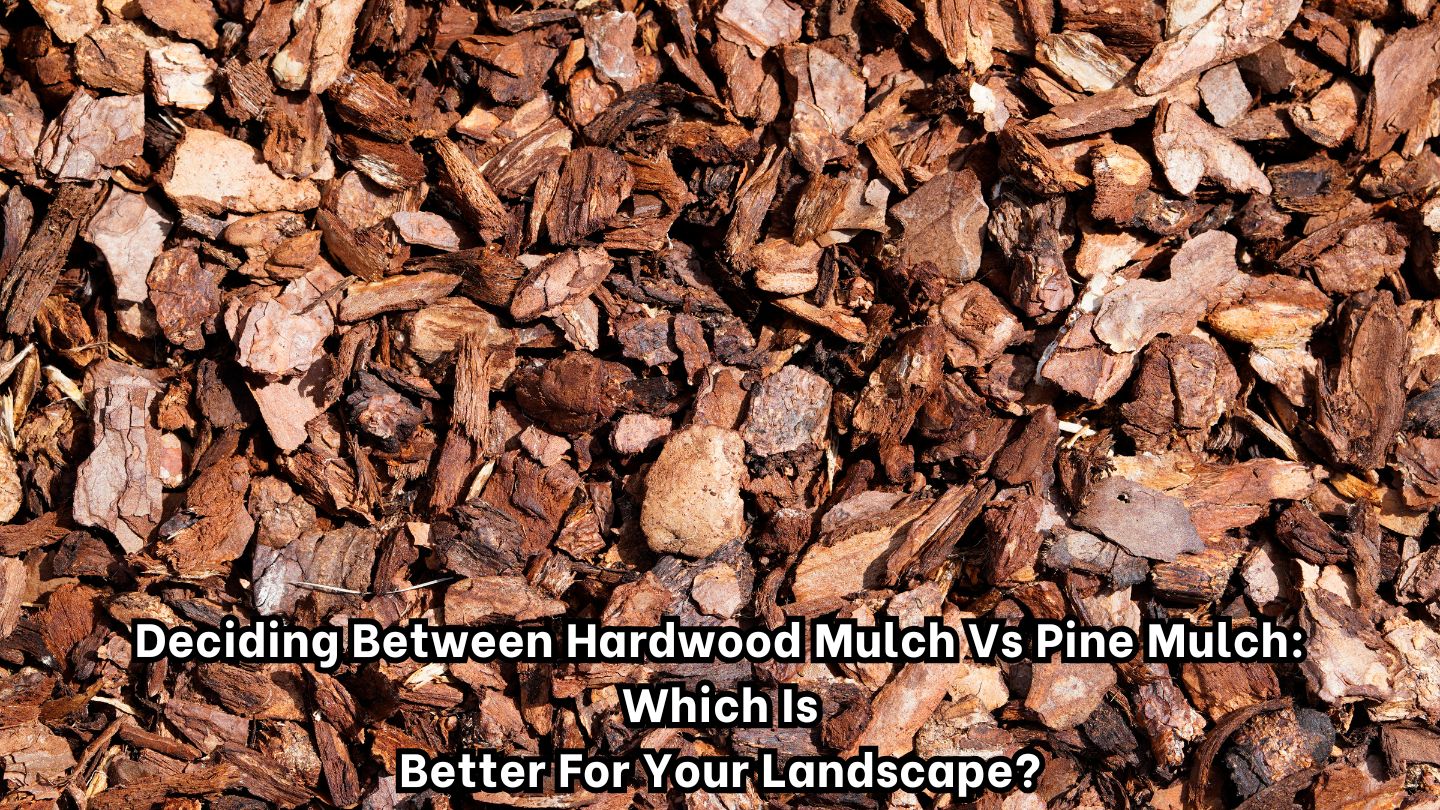
Bark is a type of organic mulch made from the outer layer of trees. The most common options are pine bark nuggets, shredded bark, and cedar bark. In mulch vs bark terms, think of bark as a subset of mulch with a distinct look and slower breakdown.
In my own beds, general wood chips give fast coverage at a low price. Bark gives a clean, upscale look and lasts longer. That simple tradeoff shapes many mulch vs bark decisions.

Key Differences That Matter
The mulch vs bark choice comes down to a few core points:
-
Materials and texture
- Mulch can be many things. Wood chips, compost, leaves, straw, gravel, and more.
- Bark is tree bark only. It looks neat and comes in chips or nuggets.
-
Weed control
- Both can block light and stop many weeds.
- Coarse bark nuggets can leave gaps if spread too thin. Finer shredded mulch knits better and blocks light well.
-
Moisture and temperature
- Both hold soil moisture and cool roots.
- Dark, fine mulch warms soil faster in spring. Coarse bark breathes more and stays cooler in heat.
-
Breakdown and lifespan
- Shredded wood mulch breaks down in 1 to 2 years.
- Bark chips or nuggets can last 2 to 4 years. They need fewer top-ups.
-
Look and style
- Bark has a tidy, premium look. Nuggets show texture and shape.
- Mulch covers all styles. You can choose rustic chips or sleek, dyed options.
-
Cost and availability
- Wood chips can be free from tree services. Bulk hardwood mulch is budget friendly.
- Bark costs more per yard. It is still popular for front beds and high-visibility zones.
-
Depth and use
- Aim for 2 to 3 inches for most shredded mulches.
- Use 3 to 4 inches for coarse bark nuggets to close gaps.
If you want long life and a refined look, bark often wins. If you want low cost and fast soil improvement, mulch types like chips or compost win the mulch vs bark matchup.
Pros and Cons of Common Options
To judge mulch vs bark well, compare real-world upsides and downsides.
-
Bark mulch
- Pros: Clean look, slower to break down, good weed control at proper depth, resists wind on level ground.
- Cons: Higher cost, can float on steep slopes, may leave small gaps if too shallow.
-
Shredded hardwood mulch
- Pros: Good weed block, budget friendly, easy to spread, natural color.
- Cons: Fades in sun, needs a refresh each year, can crust if applied too thick.
-
Fresh arborist wood chips
- Pros: Often free, great for paths and trees, builds soil life over time.
- Cons: Mixed sizes and species, can look rough in formal beds, breaks down faster on sunny sites.
-
Compost or leaf mold
- Pros: Feeds soil fast, improves structure, great for vegetables and perennials.
- Cons: Thin layers for weed block, needs frequent top-ups, can wash away on slopes.
-
Straw or hay
- Pros: Good for vegetable beds, keeps soil cool, adds organic matter.
- Cons: Blows in wind, can carry seeds if not clean, short lifespan.
-
Inorganic options (gravel, rubber)
- Pros: Very long life, low upkeep, tidy edges and paths.
- Cons: No soil improvement, heat buildup in summer, higher upfront cost.
From my projects, bark holds a crisp edge in front yards and around shrubs. Wood chips shine under trees, along paths, and on large areas where cost matters. Compost tops the list for soil health in edible beds. That mix often beats a one-size-fits-all mulch vs bark choice.

When to Choose One Over the Other
You can solve mulch vs bark choices with a few simple rules.
-
Choose bark when
- Curb appeal is a top goal.
- You want less frequent top-ups.
- Beds have shrubs and trees that like steady moisture.
- You need a tidy, formal finish.
-
Choose mulch (non-bark organics) when
- You want to feed soil and boost microbes fast.
- You need to cover a large area on a budget.
- You are mulching vegetable beds or perennials that like softer cover.
- You want free chips from local arborists.
-
Special cases
- Slopes: Coarse bark can slide. Use shredded mulch, jute netting, or chip blends that lock in place.
- Paths and play areas: Wood chips or engineered wood fiber are safer underfoot than bark nuggets.
- Acid-loving plants: Pine bark plays well with azaleas, blueberries, and camellias.
- Near foundations: Keep any organic mulch at least 12 inches from the house to reduce pest and moisture risks.
Think in zones. Use bark where you see it most. Use chips or compost where soil building counts. That hybrid plan often wins the mulch vs bark debate in practice.
How to Install and Maintain for Best Results
Good installation makes mulch vs bark differences smaller and results better.
-
Preparation
- Remove or scalp weeds. Water soil if dry.
- Edge beds to hold material in place.
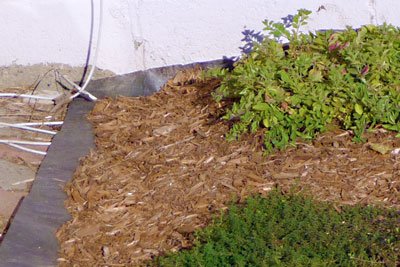
- Avoid plastic sheets. If you need a barrier, pick a breathable landscape fabric and use it sparingly.
-
Depth and placement
- Spread 2 to 3 inches of shredded mulch in most beds.
- Spread 3 to 4 inches for coarse bark nuggets.
- Keep mulch 3 to 6 inches away from trunks and stems. No mulch volcanoes.
-
Water and settle
- Water the mulch layer once applied. This locks it in and reduces float.
- In windy spots, use pins or light netting on steep slopes.
-
Ongoing care
- Top up bark every 2 to 3 years.
- Top up shredded mulch yearly as needed.
- Break up any crust with a rake to improve air and water flow.
- Spot-weed early before roots dive deep.
Pro tip from my crews: if you use bark nuggets, pre-wet them in the wheelbarrow on very dry, windy days. They sit tighter on the first pass and stay put.

Cost and Lifespan Comparison
Numbers help you settle mulch vs bark choices.
-
Typical bulk prices in many US regions
- Double-shredded hardwood mulch: about $25 to $45 per cubic yard.
- Dyed shredded mulch: about $35 to $60 per yard.
- Bark nuggets or shredded bark: about $45 to $80 per yard.
- Delivery can add $50 to $150 depending on distance and load size.
-
Lifespan in the landscape
- Shredded hardwood: 1 to 2 years before a refresh.
- Fresh wood chips: 1 to 2 years, faster on hot, sunny sites.
- Bark chips or nuggets: 2 to 4 years, with slower color fade.
Your climate changes the math. In hot, wet zones, organic mulch breaks down faster. In dry or cool zones, it lasts longer. I track refresh cycles by bed use and sun hour count, not just by the calendar. That habit keeps mulch vs bark budgets tight and beds sharp.
Environmental and Safety Considerations
Responsible choices matter in the mulch vs bark discussion.
-
Sourcing and sustainability
- Look for bark that is a byproduct of lumber work, not the main harvest.
- Favor local suppliers to cut transport emissions.
- For wood mulch, avoid materials from treated lumber. Ask how the supplier screens feedstock.
-
Dye safety
- Many black and brown mulches use carbon black or iron oxide. These are common and considered low risk when used as intended.
- Still, buy from trusted yards with clean, consistent products.
-
Soil health and nitrogen
- Do not mix fresh mulch into soil. High-carbon material can tie up nitrogen.
- On the surface, established plants do fine. Use compost under mulch for hungry vegetables.
-
Pests and fire
- Mulch does not “attract” termites by smell, but it holds moisture. Keep a clear strip near foundations and inspect often.
- In wildfire-prone areas, keep the first 0 to 5 feet around structures low-fuel. Consider rock or well-watered groundcover.
-
Pets and people
- Skip cocoa mulch around dogs. Bark and wood chips are safer choices.
- Rake out sharp sticks in play areas. Choose soft chips rated for playgrounds when kids are present.
These checks help you enjoy the big wins of mulch vs bark while lowering risk.

Common Mistakes and How to Avoid Them
I see the same errors again and again. Here is how to fix them fast.
-
Piling mulch against trunks
- Keep a bare donut around bark. This stops rot and pests.
-
Too much depth
- More than 4 inches starves roots of air. Stay within the 2 to 4 inch range.
-
Using the wrong material on slopes
- Coarse bark slides. Use shredded mulch or pin down with netting.
-
Plastic under everything
- Plastic traps water and roots suffer. Use breathable fabric only when needed.
-
Ignoring soil pH and allelopathy
- Pine bark may tilt slightly acidic. It is fine for most plants.
- Avoid fresh black walnut chips in vegetable beds due to juglone.
-
No plan for refresh
- Mark your calendar. Light top-ups keep beds weed-tight and tidy.
Avoid these traps and the mulch vs bark question gets easy. Good prep and steady upkeep do most of the work.
Frequently Asked Questions of mulch vs bark
Is bark the same as mulch?
Bark is a type of mulch. Mulch is the broader term that includes bark, wood chips, compost, straw, gravel, and more.
Which is better for weed control: mulch or bark?
Both work if you apply the right depth. Shredded mulch often blocks light better, while bark nuggets need a slightly thicker layer.
Does bark mulch attract termites?
Bark does not lure termites by itself. It can hold moisture, so keep mulch 12 inches from your foundation and inspect often.
How deep should I apply bark or mulch?
Use 2 to 3 inches for fine or shredded mulch. Use 3 to 4 inches for coarse bark nuggets.
Can I use bark in vegetable gardens?
You can, but use compost or leaf mulch closer to crops. Bark is better for paths and the spaces between raised beds.
Will bark make my soil acidic?
Pine bark is slightly acidic, but the effect on soil pH is small at normal depths. Most plants grow well under it.
What is best around trees in the mulch vs bark debate?
Both are fine when kept off the trunk. I like free wood chips under trees for soil life and cost savings.
Conclusion
Mulch vs bark is not a battle. It is a set of smart choices that match your goals, budget, and style. Use bark where you want a clean, long-lasting finish. Use chips or compost where soil health and savings matter most. Keep depth right, avoid mulch volcanoes, and refresh on schedule.
Pick one bed to upgrade this week. Apply what you learned, snap a before-and-after photo, and watch the difference. Want more tips like this? Subscribe, share your results, or drop a question in the comments so we can solve it together.