In vermiculite vs coco peat, choose based on watering, nutrients, and plant type.
If you’ve ever debated vermiculite vs coco peat, you’re not alone. I’ve trialed both across houseplants, seed trays, and hydro buckets for years. This guide breaks down what each does best, where they fall short, and how to mix them for strong, steady growth. You’ll learn how water, air, pH, salts, cost, and sustainability shape real results—so you can pick with confidence and avoid costly mistakes.

What Are Vermiculite and Coco Peat? Definitions and Origins
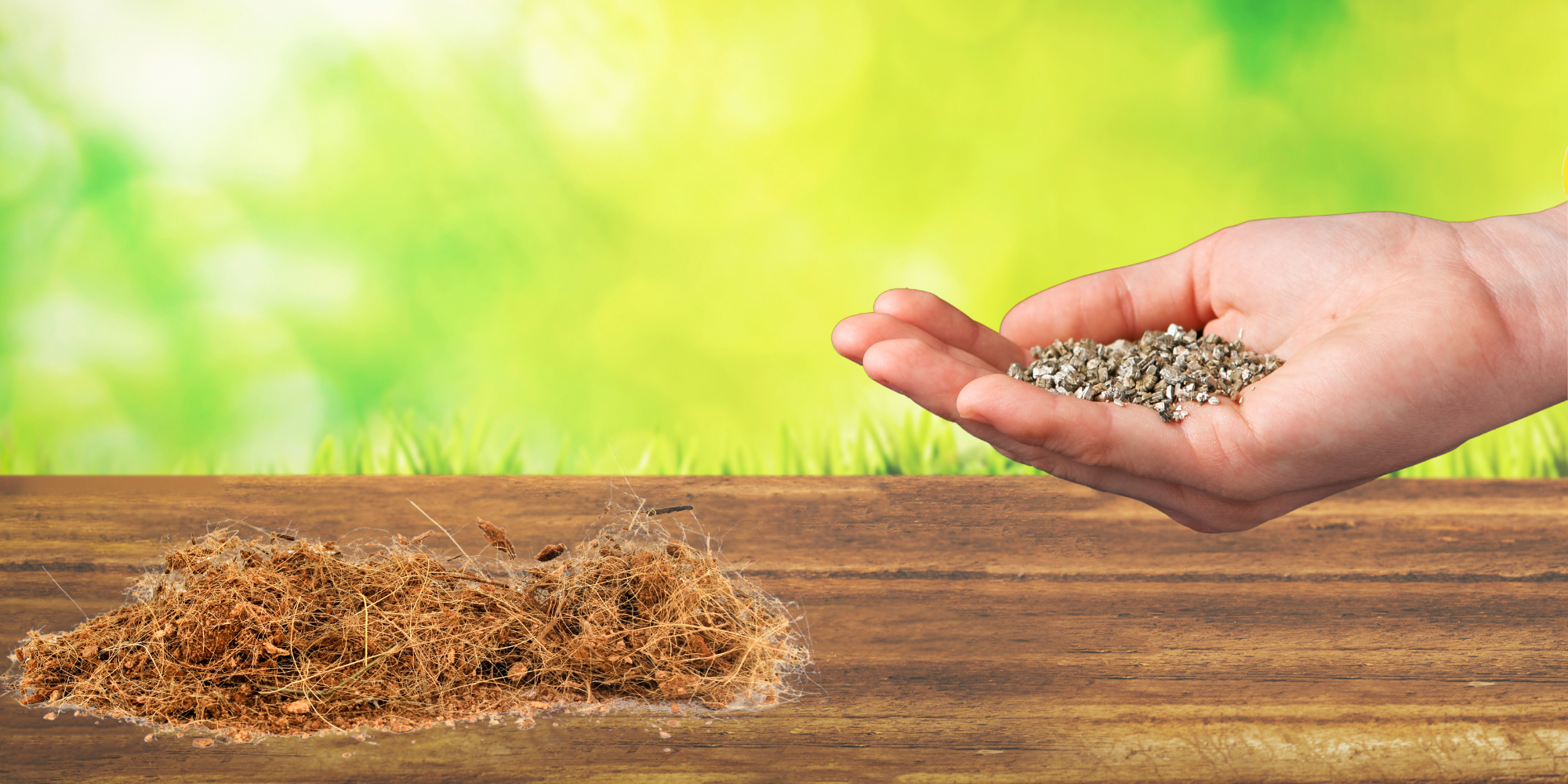
Vermiculite is a heat-expanded mineral. It forms light, accordion-like flakes that trap water and air. It is sterile, clean, and easy to blend into potting mixes.
Coco peat, also called coir pith, comes from coconut husks. It is a fibrous, sponge-like medium. It holds water well but also leaves space for roots to breathe.
Both are soilless. Both improve a mix. But they do it in different ways, which drives the vermiculite vs coco peat choice.

Vermiculite vs Coco Peat: Key Differences at a Glance
Here is a quick guide you can use today:
- Water holding: Vermiculite holds a lot of water by capillary action. Coco peat holds water in pores but drains better.
- Aeration: Coco peat gives better airflow. Vermiculite can compact if overused.
- pH behavior: Vermiculite is near neutral to slightly alkaline. Coco peat is mildly acidic to near neutral.
- Nutrient handling: Both have high cation exchange capacity. Coco peat often needs calcium and magnesium buffering.
- Cleanliness: Vermiculite is sterile out of the bag. Coco peat quality varies and may have salts if not washed.
- Sustainability: Coco peat is a byproduct and renewable. Vermiculite is mined but used in small volumes.
- Reuse: Coco peat can be rinsed and reused in many cases. Vermiculite breaks down faster in mixes.
Physical Properties: Water Holding, Aeration, and Drainage
Vermiculite acts like a tiny sponge. It pulls water up and spreads it through a mix. It can store two to three times its weight in water. This helps seedlings and moisture-loving herbs.
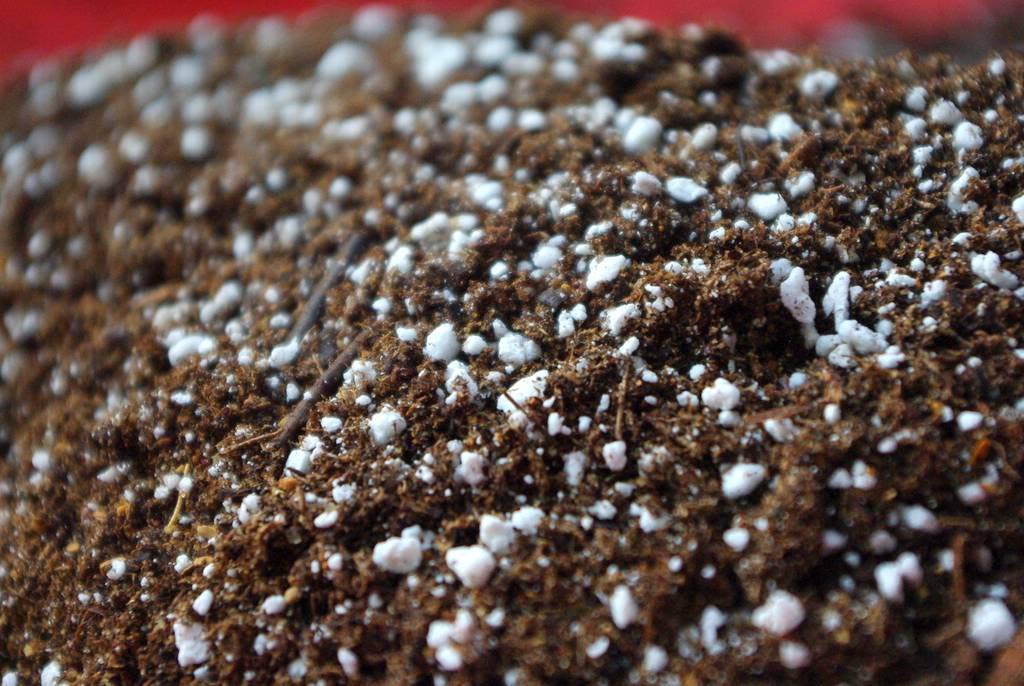
Coco peat has a springy structure. It drains faster than vermiculite and keeps more air at the root zone. It resists compaction better over time. This is great for tropical houseplants, tomatoes, and peppers.
For vermiculite vs coco peat in hot, dry rooms, vermiculite can slow down dry-out. For cool, dim rooms, coco peat avoids soggy roots. If you want a simple rule: heavy drinkers like vermiculite mixed in; air lovers like coco peat as the base.

Chemical Traits: pH, Cation Exchange, and Salts
Vermiculite tends to be near neutral, sometimes slightly alkaline. It may add traces of magnesium and potassium. It has high cation exchange capacity (CEC), which helps hold nutrients near roots.
Coco peat usually runs mildly acidic to neutral. Quality coir is washed and buffered to a low EC. Poor coir can carry sodium and chloride salts. Buffering with calcium and magnesium helps swap out those salts and prevent lockout.
In my tests, unbuffered coco peat led to pale new growth in basil and peppers. After a calcium-magnesium pre-soak, growth normalized within two weeks. For vermiculite vs coco peat, coco peat needs that little prep if you want top-tier results.
Use Cases: Seed Starting, Potting Mixes, Hydroponics, and Garden Beds
Seed starting
- Vermiculite shines in germination. It keeps the top layer moist and gentle on sprouts.
- Coco peat supports strong roots once the seedling has true leaves. It drains well and reduces damping-off risk when mixed with perlite.
Potting mixes
- For thirsty herbs or moisture-loving ferns, I blend 30% vermiculite into a base.
- For aroids, citrus, or tomatoes in pots, a coco peat base with perlite keeps roots active and oxygenated.
Hydroponics and soilless
- Coco peat is a top pick in drip and drain-to-waste systems. It holds feed but stays airy.
- Vermiculite is great in seed cubes or as a small part of a hydro mix to smooth moisture between cycles.
Garden beds and raised beds
- Vermiculite can help sandy beds hold water. It is useful in square-foot gardening.
- Coco peat lightens heavy clay and boosts tilth. It improves rewetting after dry spells.
Vermiculite vs coco peat is not either-or in practice. Think in blends. Use vermiculite to stabilize moisture. Use coco peat to balance air and structure.

Sustainability and Environmental Impact
Coco peat is a byproduct of the coconut industry. Good producers wash, buffer, and dry it using efficient systems. Transport adds some footprint, but it replaces peat moss, which has a higher ecosystem cost.
Vermiculite is mined and heat-expanded. It is used in small amounts in horticulture compared to industry uses. Responsible sourcing and minimal waste help, but it is still a finite resource.
If sustainability drives your vermiculite vs coco peat choice, coco peat often wins. Yet the best path is to use both wisely, reuse where you can, and avoid waste.

Cost, Availability, and Reusability
Coco peat is widely available in compressed bricks. It is cost-effective by volume. You need a rinse and buffer step for best results.
Vermiculite costs more per bag in many areas. But a little goes far. It is clean and ready to use. It is not ideal for endless reuse because it breaks down and compacts.
For vermiculite vs coco peat on a budget, coco peat offers scale. For fast setup with no prep, vermiculite is simple.
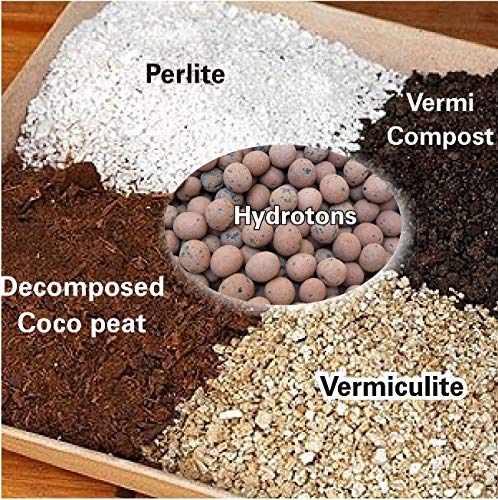
Practical Blends and Ratios That Work
- 60% coco peat, 30% perlite, 10% vermiculite. This mix drains yet holds a buffer for tiny roots.
For houseplants that like air
- 50% coco peat, 30% bark fines, 20% perlite. Add 10% vermiculite if your room is very dry.
For thirsty edibles in pots
- 40% coco peat, 30% compost, 20% vermiculite, 10% perlite. Feed with a balanced liquid nutrient.
For square-foot or raised beds
- 25% vermiculite, 25% compost, 50% coco peat or peat-free base. This holds water but stays friable.
These blends reflect my side-by-side trials. The goal in vermiculite vs coco peat is balance. You want water on tap, but also air for energy.

Real-World Lessons and Mistakes to Avoid
What I learned the hard way
- Do not use high rates of vermiculite with moisture-loving mixes indoors without checking drainage. I caused root rot in parsley once by skimping on perlite.
- Always test coco peat EC. If a quick soak reads salty, rinse and buffer before use. My peppers stalled until I did.
- Rewet dry coco peat gently. It can repel water when bone-dry. A wetting agent or slow soak fixes it.
Quick tips that pay off
- For vermiculite vs coco peat in heat waves, add a little vermiculite to stretch watering gaps.
- For dim rooms or winter, lean on coco peat and perlite for more air.
- Keep notes. Track dry-down times and adjust the next batch.
Quick PAA-Style Answers
Is vermiculite better than coco peat for seedlings?
Vermiculite holds surface moisture that seeds love. Use it as a top layer or a small part of a coco peat mix for best balance.
Can I grow tomatoes in pure coco peat?
Yes, but add perlite and feed well. Coco peat supports strong roots if you manage nutrients and keep salts low.
Will vermiculite change my soil pH?
It is near neutral to slightly alkaline and usually has a mild effect. Most potting mixes see no big pH swing from normal amounts.
Frequently Asked Questions of vermiculite vs coco peat
Which is better for houseplants: vermiculite vs coco peat?
Coco peat usually wins because it keeps more air in the pot. Add a bit of vermiculite if your space is very dry and you miss waterings.
Do I need to buffer coco peat before use?
If the coco peat is pre-washed and buffered, you can skip it. If not, a calcium-magnesium soak prevents nutrient lockout and supports early growth.
Is vermiculite safe for indoor gardening?
Yes, horticultural vermiculite is safe and sterile. Wet it before handling to reduce dust, and follow the bag instructions.
Can I reuse coco peat or vermiculite?
You can rinse and reuse coco peat after removing roots and salts. Vermiculite breaks down with time, so it is better refreshed than reused many cycles.
How do I choose vermiculite vs coco peat for succulents?
Choose coco peat with lots of perlite or coarse sand, and skip or limit vermiculite. Succulents need fast drainage and lots of air.
What is the ideal ratio of vermiculite in a seed mix?
Keep vermiculite at 10–30% in most seed mixes. This holds moisture without drowning tender roots.
Does coco peat attract fungus gnats?
Overwatering any organic medium can draw gnats. Let the top inch dry, use yellow traps, and improve airflow.
Conclusion
Vermiculite vs coco peat comes down to balance. Vermiculite steadies water and nutrients. Coco peat keeps roots breathing and growing fast. When you mix them with perlite, compost, or bark, you get a custom medium that fits your plants and space.
Pick one to solve your main problem, then fine-tune with small tweaks. Test a pot or two, track dry times, and adjust ratios. Ready to level up your mixes? Try one blend today, then share your results and questions in the comments.