Topsoil vs Garden Soil: Topsoil is natural surface soil; garden soil is a blended, plant-ready mix.
I have worked in gardens and built soils for years. I write this to help you pick the right dirt for your yard, beds, or pots. This guide explains Topsoil vs Garden Soil in plain terms. You will learn what each is, how they differ, when to use them, and how to fix or buy soil that works. I share tested tips from real projects and clear steps to avoid common mistakes.
What are Topsoil and Garden Soil?
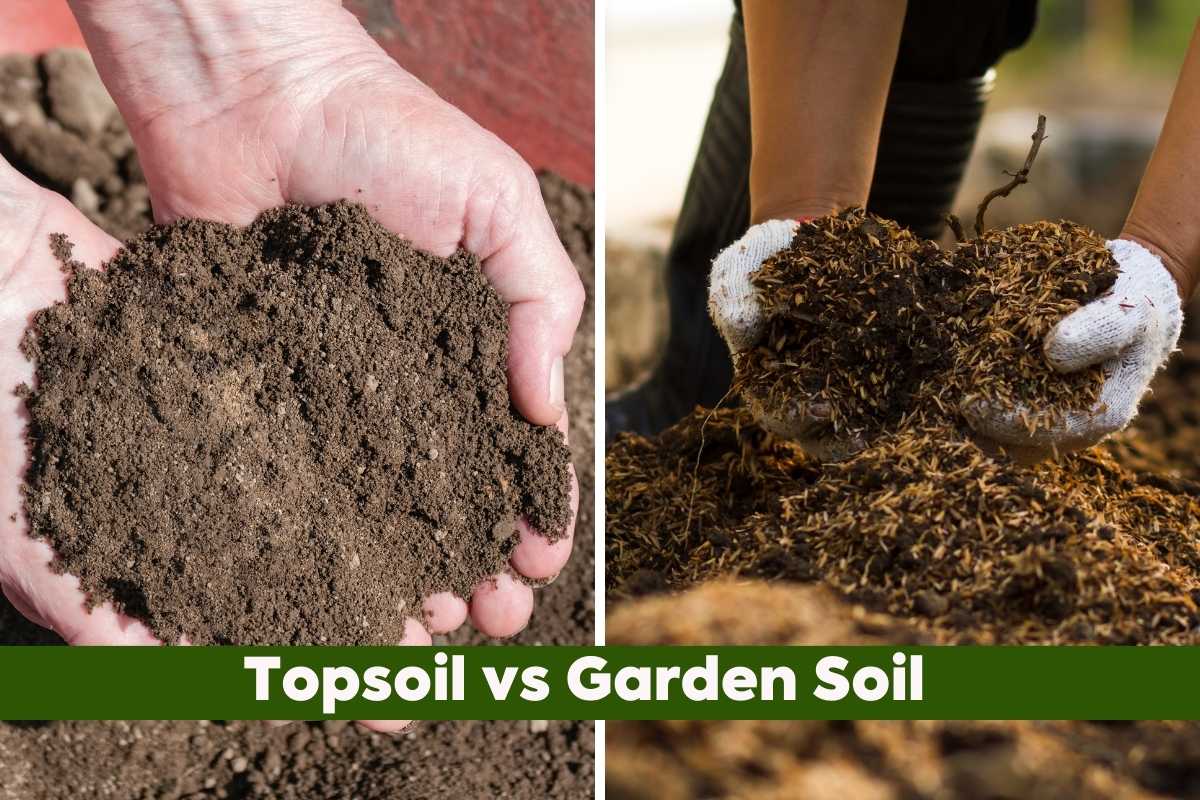
Topsoil vs Garden Soil starts with simple definitions. Topsoil is the upper layer of natural earth. It forms in place over years. It often holds native organic matter, seeds, and microbes.
Garden soil is a crafted mix. It blends topsoil, compost, sand, and other ingredients. The goal is to make a soil that drains well and feeds plants. Garden soil is made to be uniform and plant-friendly.

Key Differences Between Topsoil and Garden Soil
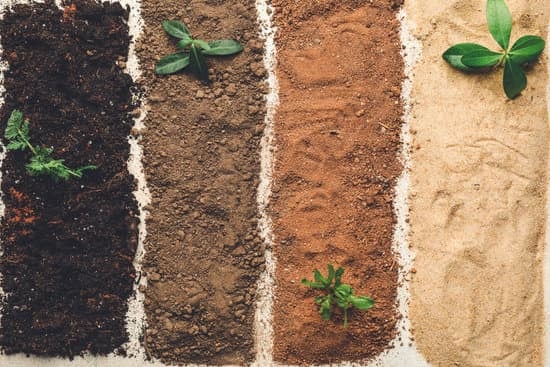
Topsoil vs Garden Soil differ in composition and purpose. Topsoil is variable. Its texture can range from sandy to clay. Nutrient levels depend on local climate and history.
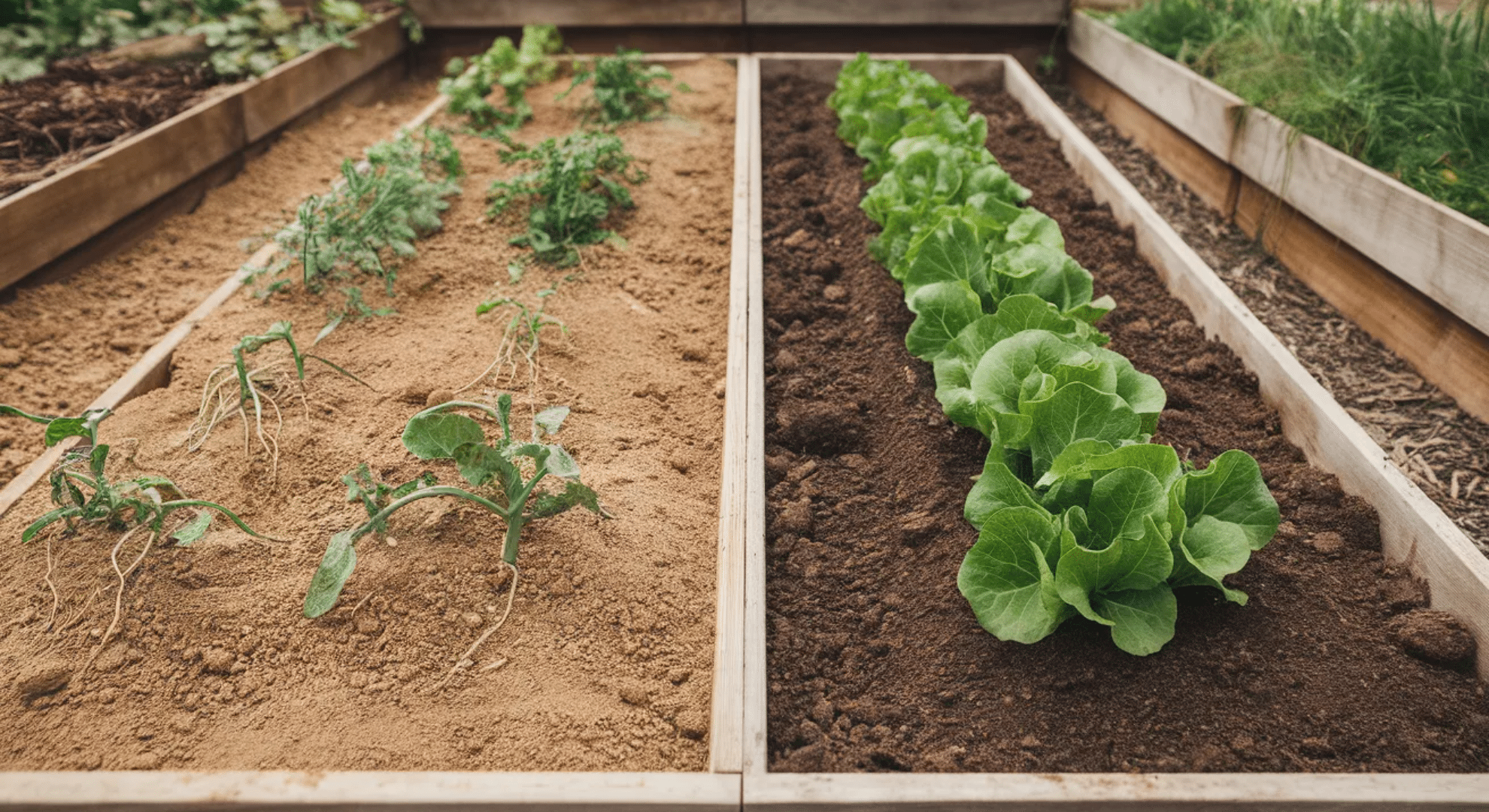
Garden soil is consistent. Mixers add compost and minerals for balance. Garden soil usually has more organic matter and better structure for planting. Garden soil often has improved drainage and moisture retention.
Important difference points:
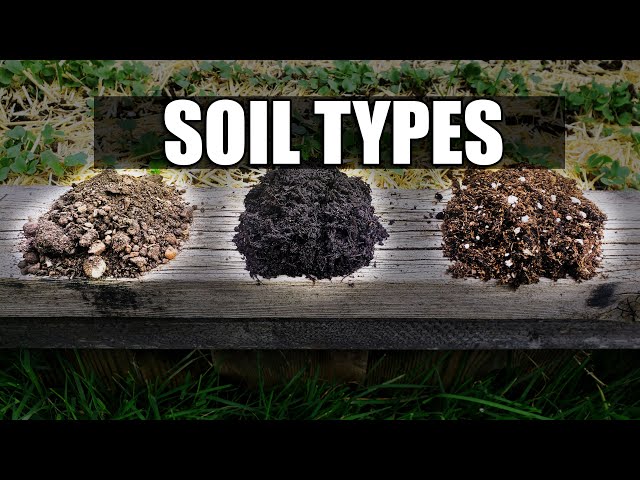
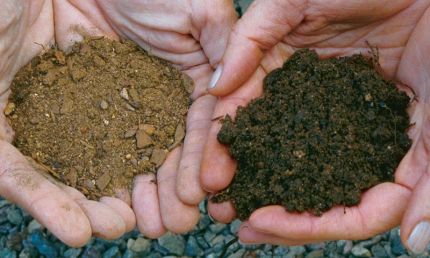
- Texture and feel: Topsoil may be gritty or heavy. Garden soil usually feels loamy and crumbly.
- Nutrients: Garden soil tends to be richer and more balanced for plants.
- Processing: Topsoil is often raw. Garden soil is processed and screened.
- Use cases: Topsoil is for filling and grading. Garden soil is for planting beds and gardens.

Uses: When to Use Topsoil vs Garden Soil
Knowing when to use Topsoil vs Garden Soil saves money and improves plant health. Use topsoil for:
- Filling low spots and leveling a yard.
- Restoring eroded areas and general landscape grading.
- Mixing at depth where long-term native soil matters.
Use garden soil for:
- Vegetable beds and flower beds.
- New raised beds and container gardens.
- Areas where immediate plant growth and root health matter.
Combine both when needed. For example, lay topsoil to build depth, then add a garden soil layer for planting. This approach saves garden soil while giving plants a friendly surface.

How to Test and Choose the Right Soil
Testing helps you choose between topsoil and garden soil. I recommend these simple checks first:
- Squeeze test: Grab a handful and squeeze. If it crumbles, it is loamy. If it forms a hard ribbon, it has high clay.
- Drainage test: Dig a hole, fill with water, and time the drain. Fast drain means sandy soil; slow means clay.
- Smell and look: Healthy soil smells earthy and has visible organic bits. Bad soil can smell sour.
For certainty, send a sample to a lab for pH and nutrient tests. Labs report nitrogen, phosphorus, potassium, and organic matter. Use results to choose or amend Topsoil vs Garden Soil.
How to Improve or Amend Both Soils
Improving soil is often easier than replacing it. Here are tried methods I use in my projects:
- For topsoil with poor structure: add 25–50% compost and work it in. Compost adds life and nutrients.
- For heavy clay topsoil: mix in coarse sand and compost. Do not add only sand to clay without organics; it can create concrete-like soil.
- For sandy topsoil: add compost and shredded mulch to increase water retention.
- For garden soil mix: add perlite or coarse sand for pots, or mix compost and slow-release fertilizer for beds.
Recipes I use:
- Vegetable bed mix: 50% screened topsoil, 30% compost, 20% coconut coir or aged manure.
- Raised bed quick mix: 40% garden soil base, 40% compost, 20% perlite/vermiculite for drainage.
Buying, Storing, and Cost Considerations
Topsoil vs Garden Soil pricing and quality vary a lot. Know these buying tips:
- Buy bulk for large jobs to save money. Bagged garden soil is easier for small projects.
- Check for weed seeds and contaminants. Good sellers screen and test their soil.
- Smell and feel before buying if possible. A fresh, earthy smell is a good sign.
Storage tips:
- Keep soil covered to protect it from rain and weeds.
- Store off the ground on a tarp to avoid contamination.
- Use within a year for best microbial activity.

My Experience, Common Mistakes, and Practical Tips
I have rebuilt beds and replaced lawns many times. Here are honest lessons:
- Mistake: Using topsoil alone in containers. It compacts and stunts roots. Use a garden soil or potting mix instead.
- Mistake: Adding only sand to clay. That often makes a harder mass. Always add organics with any textural amendment.
- Tip: Layer approach works well. Use topsoil to bulk up depth, then a thin rich garden soil layer for plants.
- Tip: Test small areas first. Amend and observe for one growing season before changing large areas.
These approaches saved time and plants in my projects. They help you avoid waste and poor growth.
Environmental Impact and Safety
Topsoil vs Garden Soil choices affect the environment. Unsustainable topsoil stripping causes erosion and habitat loss. Buying reclaimed or sustainably sourced topsoil reduces damage.
Garden soil production can use composted waste, which is positive. Still, watch for:
- Contaminants in cheap mixes.
- Overuse of synthetic fertilizers.
- Imported soil that carries pests.
Always ask sellers about sourcing and testing. Prefer mixes with clear ingredient lists and compost content.
Frequently Asked Questions of Topsoil vs Garden Soil
What is the main difference between topsoil and garden soil?
Topsoil is the natural top layer of ground, while garden soil is a blended mix made for planting. Garden soil usually has added compost and amendments for better plant growth.
Can I use topsoil in pots and containers?
No, pure topsoil often compacts in pots and harms roots. Use a garden soil or potting mix designed for containers instead.
How do I tell if topsoil is good quality?
Good topsoil smells earthy, drains reasonably, and has visible organic bits. A lab test gives precise nutrient and contaminant information.
Is garden soil the same as potting soil?
Garden soil is for ground beds and raised beds; potting soil is lighter and made for containers. Potting mixes include materials like peat, coir, and perlite for drainage and aeration.
How much compost should I add to topsoil?
Aim for 25–50% compost by volume when improving topsoil for garden beds. That range boosts nutrients and structure without overwhelming the native soil.
Conclusion
Topsoil vs Garden Soil are both useful, but for different jobs. Use topsoil for bulk filling and landscape work. Use garden soil when plants need a reliable, fertile bed. Test soil, amend with compost, and avoid quick fixes like only adding sand. Try small trials and learn from the results.
Take action: test a patch of soil or start one raised bed with a garden soil mix this season. Share your results or ask a question in the comments to get tailored tips.