Fabric pots often beat plastic pots for root health, drainage, and cooler soils in warm weather.
I have grown vegetables, herbs, and ornamentals in both fabric pots and plastic pots for over a decade. I have tested root growth, watering needs, and ease of use in small patios and a larger greenhouse. This article compares Fabric Pots vs Plastic Pots in depth. I explain how each type affects plant health, water use, cost, and the planet. You will find clear guidance, practical tips, and honest pros and cons so you can pick the right container for your needs.

Fabric Pots vs Plastic Pots: quick overview and why it matters
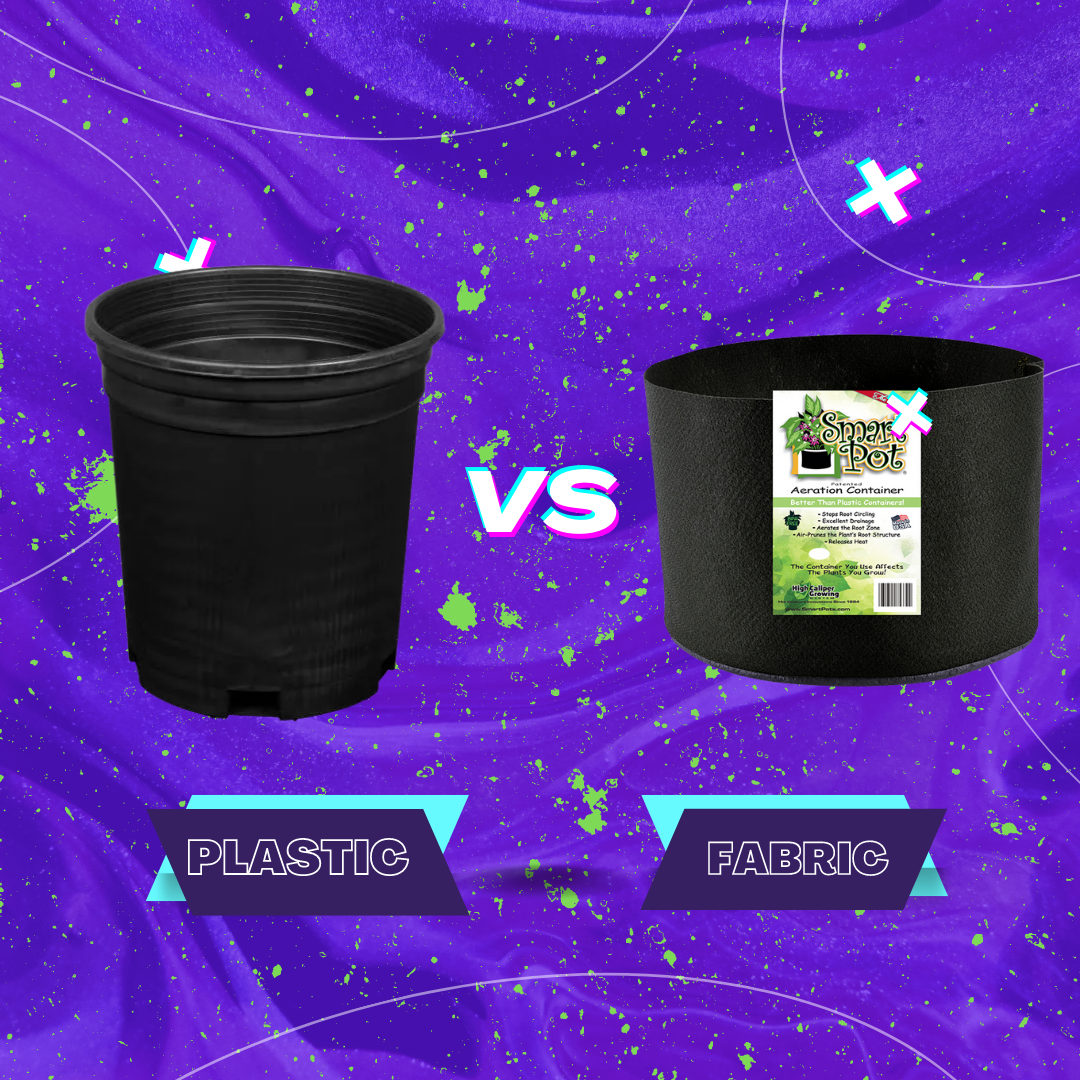
Choosing between Fabric Pots vs Plastic Pots changes how roots grow. It also affects watering, weight, and how often you repot. Fabric pots are soft, breathable containers made from woven or nonwoven fabric. Plastic pots are rigid containers made from molded plastic or recycled plastic. Both serve growers well, but they do so in different ways. Below I break down what to expect from each type and how to match a pot to your plants and lifestyle.
Advantages of fabric pots
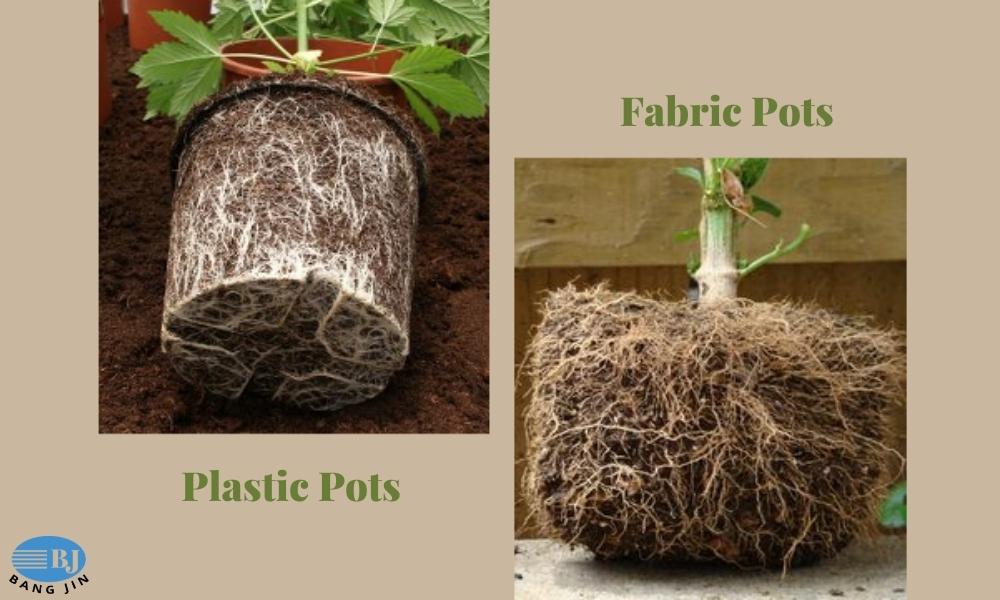
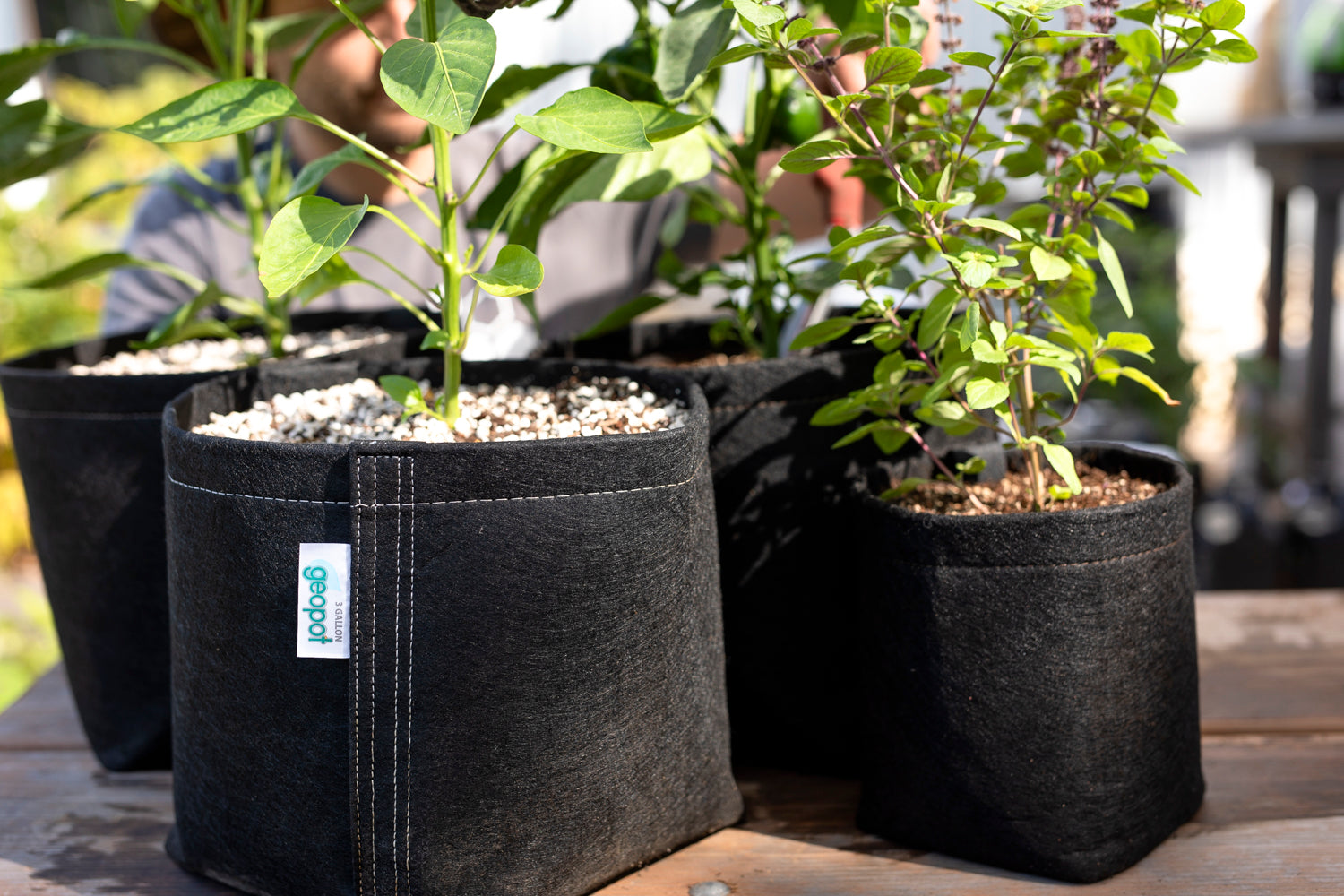
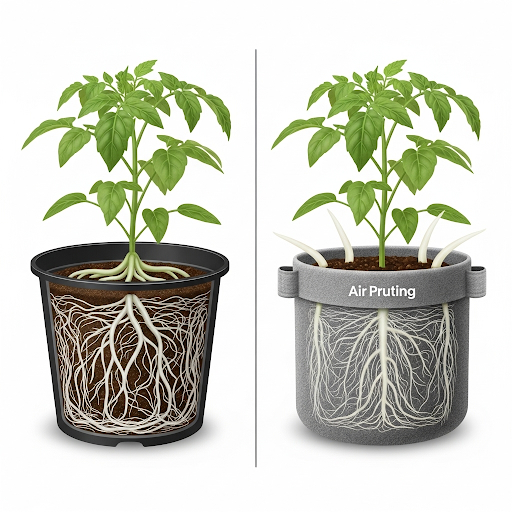
Fabric pots help plants in ways rigid pots cannot. They boost root health and reduce root circling. The fabric lets air prune roots. This makes a dense, fibrous root system. Plants often show faster growth and better uptake of water and nutrients.
Benefits at a glance
- Better drainage and aeration for soil. This lowers the risk of root rot.
- Cooler soil in hot weather because air flows through the fabric.
- Lighter and easy to fold for storage or winter.
- Often made from breathable, long-lasting materials that resist UV and wear.
- Many models are inexpensive and come in many sizes.
Practical notes
- You will water more often than in a plastic pot. The fabric dries faster. That can be an advantage for plants that hate wet feet. It can be a hassle for plants that need steady moisture.
- Fabric pots come in styles with handles for easy moving. This is great for heavy soil and larger plants.
Advantages of plastic pots
Plastic pots remain widely popular for good reasons. They are light, durable, and cheap. For many home growers, plastic pots are the default.
Key strengths
- Retain moisture longer. This can reduce watering frequency.
- Strong and stackable for nurseries or storage.
- Many styles and sizes are available, including self-watering options.
- Easy to clean and reuse for many seasons.
- Often the least expensive option for large quantities.
Practical notes
- Plastic pots can heat up in direct sun. This can stress roots in hot weather.
- Poor drainage or root circling can occur unless the pot has ample holes or you manage root pruning.

Drawbacks and limitations of fabric pots and plastic pots
No pot is perfect. Here are the main limits to consider when you compare Fabric Pots vs Plastic Pots.
Fabric pots: limitations
- Require more frequent watering. Drying is faster.
- Can stain or attract salt buildup if you use hard water.
- Low-quality fabrics may break down after a few seasons.
- Not ideal for very wet climates unless on a saucer to catch runoff.
Plastic pots: limitations
- Can promote root circling and compacted root balls.
- May overheat in direct sun, raising root temperature.
- Less breathable, which can mean slower oxygen exchange.
- Some plastic is hard to recycle and can be less eco-friendly.
When you weigh Fabric Pots vs Plastic Pots, think about your climate, watering routine, and the plants you grow.

How to choose between Fabric Pots vs Plastic Pots
Picking the right pot starts with these basic questions. Answer them before you buy.
Questions to ask
- Where will the pot live? Indoors, balcony, or garden?
- How often can you water?
- How mobile does the container need to be?
- What is your budget?
- Do you want a pot that lasts many years?
Match choices to needs
- If you water daily or want faster root air pruning, choose a fabric pot.
- If you need low-maintenance, choose a plastic pot that retains moisture.
- For large vegetables or quick growth, fabric pots can give an edge.
- For long-term decorative planting or heavy containers, plastic offers structure.
Size and depth
- Choose a pot large enough for root mass. Many problems come from pots that are too small.
- For tomatoes and peppers, use at least 5 gallons in either material.
- For shrubs or small trees, consider 15–30 gallons, with fabric options offering easier root health.
Soil, watering, and setup tips for both types
Good soil and setup matter more than pot type. Here are clear steps that work for both fabric and plastic containers.
Soil mix and drainage
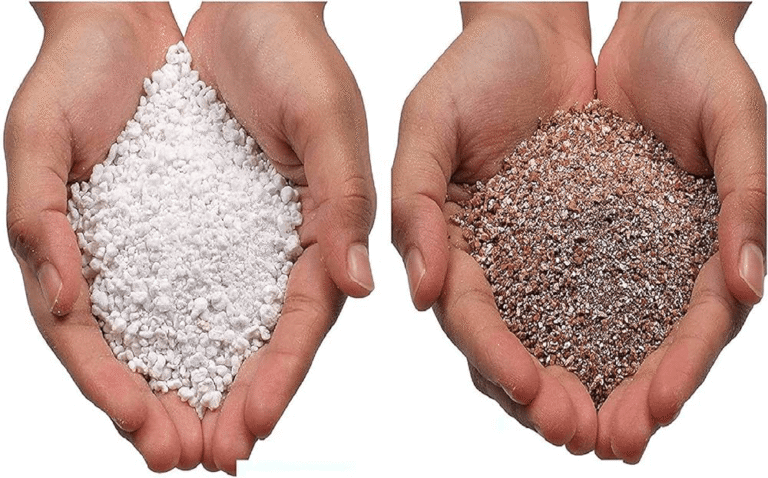
- Use a light, well-draining potting mix with compost and perlite.
- Avoid heavy garden soil in containers; it compacts and drains poorly.
- For plastic pots, ensure large drainage holes. Elevate the pot slightly to let water escape.
Watering routine
- Check soil moisture with your finger or a probe. Water when the top inch feels dry.
- Fabric pots need more frequent, shorter watering sessions.
- Plastic pots can use deeper watering but check for standing water in saucers.
Fertilizing
- Container soil loses nutrients faster. Apply a balanced fertilizer on a schedule.
- Consider slow-release fertilizer at planting and supplement with liquid feed for heavy feeders.
Winter care
- Lift fabric pots off cold surfaces to avoid freeze damage.
- Plastic pots can crack in severe freeze-thaw cycles. Move inside when possible.
Practical pros and cons from real use
I have used Fabric Pots vs Plastic Pots in a small urban garden and a greenhouse. Here are real lessons I learned.
Real takeaways
- My tomatoes in fabric pots produced earlier and set more fruit. The roots were dense and healthy.
- My herbs in plastic pots needed less daily watering and stayed steady on a balcony.
- I broke one cheap fabric pot after two seasons. Cheap fabric can fail under heavy sun and wet cycles.
- A large plastic pot once overheated on a black deck and slowed plant growth during a heat wave.
Tips I follow now
- Use fabric pots for fast-growing crops and short-term production.
- Use plastic pots for long-term ornamental plants or where watering is irregular.
- Invest in quality fabric pots with reinforced handles to avoid tears.
- Label pots to keep track of soil mixes and feeding schedules.

Environmental and cost considerations
Both Fabric Pots vs Plastic Pots have environmental trade-offs. Think about lifecycle, reuse, and disposal.
Sustainability points
- Fabric pots can be made from recycled materials and may last many seasons. They are often reusable and compostable if made from natural fibers.
- Plastic pots often require new plastic but can be reused many times. Recycled plastic options reduce the footprint.
- Disposal matters. Fabric made from synthetic fibers may not compost, so check the material.
Cost over time
- Plastic pots are usually cheaper per unit.
- Fabric pots can save money by improving yields and reducing repotting stress.
- Calculate cost per season for your use pattern to decide which is cheaper in your case.
Common mistakes and how to avoid them
Many problems are avoidable. These tips help whether you choose Fabric Pots vs Plastic Pots.
Avoid these errors
- Using garden soil in containers. It compacts and drains poorly.
- Choosing a pot that is too small for the plant.
- Forgetting that fabric dries faster and plastic can hide wet soil.
- Placing pots directly on soil without a barrier—this can clog drainage holes.
Easy fixes
- Add perlite or coarse sand to potting mixes for drainage.
- Use a moisture meter if you water on a schedule.
- Rotate pots to even sun exposure and reduce uneven root growth.
Buying guide: what to look for
Look for durability, drainage, and size. Here is a quick checklist when shopping for fabric or plastic pots.
Fabric pot checklist
- Strong stitching and reinforced handles.
- UV-resistant fabric for outdoor use.
- Breathable but sturdy weave.
- Options with liner or double-layer for extra life.
Plastic pot checklist
- Thick plastic and sturdy rims.
- Multiple drainage holes and possible saucer.
- UV-stable plastic for outdoor longevity.
- Consider recycled plastic options.
Brands and price tiers vary. Buy one or two pots to test before investing in a whole set.
Frequently Asked Questions of Fabric Pots vs Plastic Pots
Are fabric pots better for root health than plastic pots?
Fabric pots promote air pruning and reduce root circling, which often leads to a more fibrous root system and improved nutrient uptake.
Do fabric pots dry out faster than plastic pots?
Yes. Fabric pots dry faster because they allow air flow through the walls, so they usually need more frequent watering than plastic pots.
Can I reuse fabric pots for multiple seasons?
You can reuse fabric pots if they are high quality and kept clean. Low-cost fabric may break down after a few seasons, so inspect seams and fabric each year.
Do plastic pots cause plants to overheat?
Plastic pots, especially dark-colored ones, can heat up in direct sun. This can stress roots during heat waves, so shade or lighter colors help.
Which is better for vegetables: fabric or plastic pots?
Fabric pots often give better yield and root health for many vegetables. Plastic pots can work well when moisture retention or low maintenance is the priority.
Conclusion
Fabric Pots vs Plastic Pots each have clear strengths. Fabric pots boost root health, drainage, and cooler soil. Plastic pots hold moisture longer, cost less up front, and offer rigid support. Choose based on your climate, watering routine, plant type, and storage needs. Try one of each to learn what fits your routine and space. Start small, test what works in your garden, and then scale up. Share your results, ask questions, or subscribe for more growing tips.