Overwatering, poor soil, wrong light, and plant choice are the most common gardening mistakes beginners make.
I’ve helped new gardeners for years and seen the same errors again and again. This guide on common gardening mistakes beginners make explains why they happen, how to fix them, and simple steps to grow healthy plants. You’ll get clear, practical advice, real-world examples from my experience, and easy checks to help your garden thrive.

Top common gardening mistakes beginners make
Beginners often make avoidable errors that limit plant health. These errors include watering wrong, picking the wrong plants, and ignoring light needs. Each mistake hides simple fixes. Read on to learn what to watch for and how to correct problems fast.

Why these mistakes happen and what they cost
Many gardening mistakes start with assumptions. People assume soil is fine or that plants need water every day. They also follow one-size-fits-all advice. That leads to wasted time and dead plants. Knowing causes helps you avoid repeat errors. The cost is time, money, and loss of confidence.

Common mistakes explained (and how to fix them)
Below are the most common gardening mistakes beginners make, why they hurt plants, and how to fix them. I list clear steps you can use today.
Overwatering and inconsistent watering
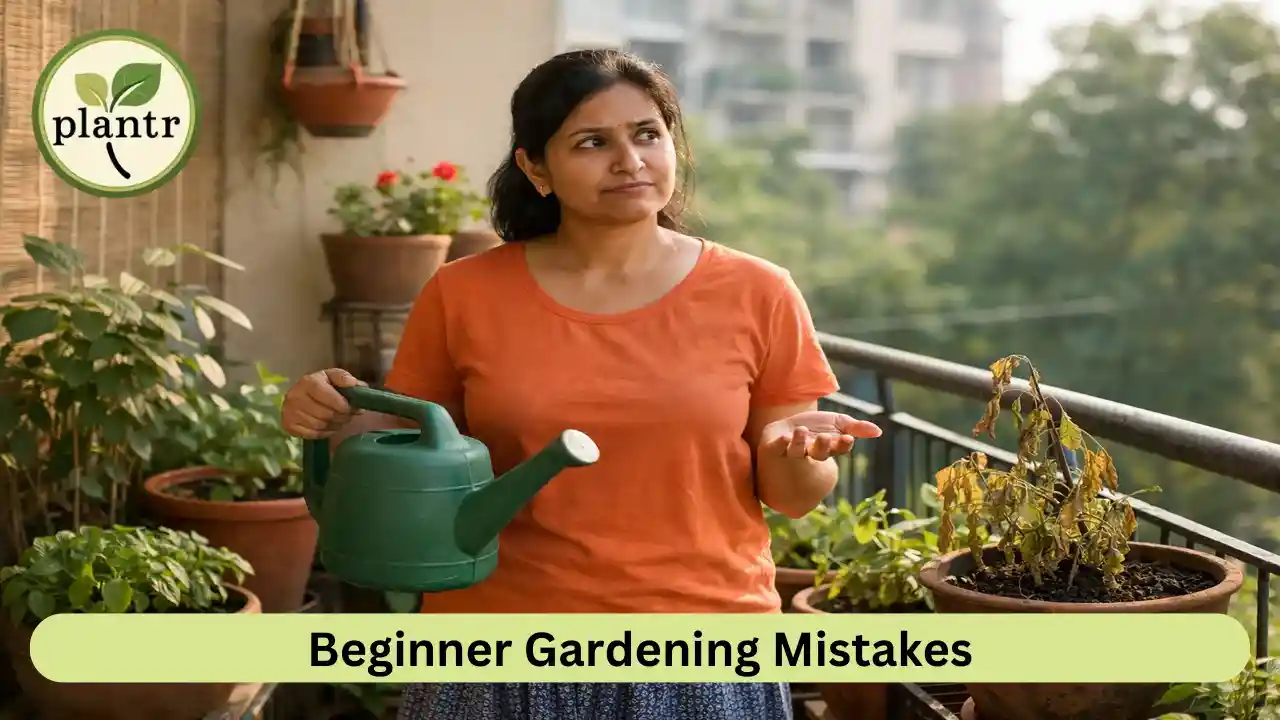
Overwatering is the most common gardening mistakes beginners make. Too much water drowns roots. Roots need oxygen to live. Symptoms are yellow leaves and soft stems.
How to fix it:
- Check soil moisture with your finger. If the top inch is dry, water.
- Use pots with drainage holes and well-draining soil.
- Water deeply but less often to encourage strong roots.
Personal tip: Early in my first garden, I watered every day. Most seedlings died. I switched to a soak-and-wait routine and they recovered.
Poor soil and not testing it
Poor soil quality is one of the common gardening mistakes beginners make. Many assume garden soil is ready for planting. It may be compacted or lack nutrients. Plants then struggle to grow.
How to fix it:
- Test soil pH and nutrients or use a basic test kit.
- Add organic matter like compost to improve structure.
- Use raised beds or containers with quality potting mix if ground soil is poor.
Choosing the wrong plants for the site
Picking plants that don’t fit your climate or light is a frequent gardening mistake beginners make. A full-sun plant in shade will fail. A thirsty plant in a dry corner will suffer.
How to fix it:
- Match plants to your USDA zone and local conditions.
- Read plant tags for light and water needs.
- Start with easy species known to perform well locally.
Ignoring light requirements
Misjudging light is a leading example of common gardening mistakes beginners make. Many rooms and yard spots are darker than they seem. Plants that need sun will be leggy or bloom poorly.
How to fix it:
- Observe sun patterns for a full day before planting.
- Use shade-tolerant plants in low light.
- Move potted plants seasonally to maximize light.
Overcrowding and wrong spacing
Crowding is a common gardening mistakes beginners make that reduces air flow and boosts disease. Plants may compete for water and nutrients.
How to fix it:
- Follow spacing on seed packets or plant labels.
- Thin seedlings to prevent crowding.
- Prune or transplant if plants become too dense.
Poor pruning and pruning at wrong times
Incorrect pruning is another of the common gardening mistakes beginners make. Cutting too much or at the wrong season can stress plants.
How to fix it:
- Learn basic pruning rules for each plant type.
- Prune flowering shrubs after bloom for spring-flowering types.
- Use sharp, clean tools to reduce disease risk.
Fertilizer misuse
Misunderstanding fertilizer is among the common gardening mistakes beginners make. Too much fertilizer burns roots; too little stunts growth.
How to fix it:
- Use slow-release or balanced fertilizers as instructed.
- Test soil first to know what nutrients are missing.
- Apply fertilizer in the growing season, not during dormancy.
Neglecting pests and disease early
Ignoring small problems is one of the common gardening mistakes beginners make. Minor pest or disease issues can become major if left unchecked.
How to fix it:
- Inspect plants weekly for damage or spots.
- Use organic controls first: handpicking, soap spray, beneficial insects.
- Remove and dispose of heavily infected material promptly.
Wrong containers and potting mixes
Using heavy garden soil in pots is one of the practical common gardening mistakes beginners make. This blocks drainage and compacts roots.
How to fix it:
- Use a good-quality potting mix for containers.
- Choose container size appropriate to the plant.
- Ensure pots have drainage holes.
Planting at the wrong time
Planting too early or too late is another common gardening mistakes beginners make. Frost or heat can kill plants.
How to fix it:
- Check local frost dates and planting calendars.
- Harden off seedlings before moving them outside.
- Use season-extending tools like row covers when needed.
After this list, reflect for a moment. The common gardening mistakes beginners make are often simple to fix. Small checks prevent big losses.

How to build good habits and a simple routine
Fixing mistakes is about habit. A few routines stop many errors. Try these easy steps.
- Observe daily for 5 minutes to catch issues early.
- Use a small notebook to track watering and fertilizing.
- Start small: a few pots or one bed. Expand as you learn.
- Label plants and records so you know what works.
From experience, a habit of quick checks saved many of my plants. It also made gardening less stressful.
.webp)
Tools, supplies, and quick checks every gardener needs
Right tools reduce common gardening mistakes beginners make. You do not need everything. Start with the essentials.
- A hand trowel and cultivator for small beds.
- Pruners for deadheading and shaping.
- A quality watering can or hose with a gentle nozzle.
- Soil test kit to check pH and nutrients.
- Labels and a notebook to track plant care.
Keeping tools clean also prevents disease spread. I clean pruners after each use, which cut down on infections in my beds.
Quick troubleshooting: common symptoms and fixes
Here are fast checks for frequent problems tied to the common gardening mistakes beginners make.
- Yellow leaves across the plant: check watering and drainage.
- Wilting during cool weather: look for root rot or overwatering.
- Slow growth: test soil and check light levels.
- Spots on leaves: remove affected leaves and check humidity.
Use these checks as a starting point. If the issue persists, test the soil or consult local extension resources.
Frequently Asked Questions of common gardening mistakes beginners make
How often should I water my garden?
Water deeply but less often. Check the top inch of soil; water when it is dry. Adjust for weather and plant needs.
How do I know if a plant is getting enough light?
Watch for leggy growth and sparse blooms. Use a simple sun map to track daily sun exposure in the spot.
Can I fix compacted soil without a garden makeover?
Yes. Add organic matter like compost and use a broadfork or aerator to loosen soil gently. Mulch helps too.
When should I fertilize my garden?
Fertilize in the active growing season and follow product instructions. Test soil first to avoid overfertilizing.
What is the best way to start as a beginner gardener?
Start small with a few easy plants that match your site’s light and water. Build skills before scaling up.
How can I prevent pests without chemicals?
Encourage beneficial insects, use hand removal, apply insecticidal soap when needed, and practice crop rotation.
Are raised beds better for beginners?
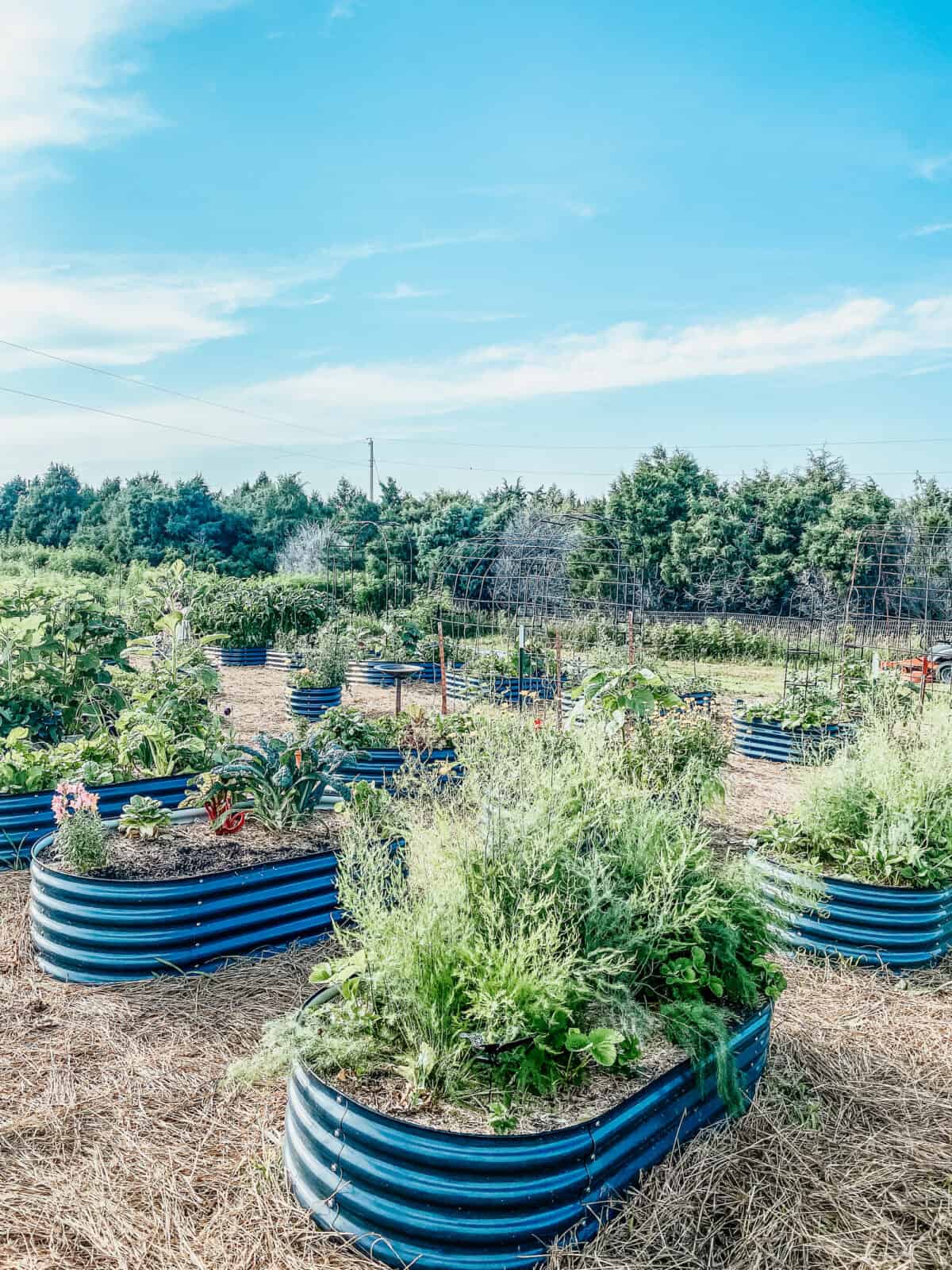
Raised beds often solve soil and drainage problems and make maintenance easier. They are a great option for many beginners.
How do I choose the right potting mix?
Pick mixes labeled for container gardening. Look for light, well-draining blends with some organic matter.
What should I do if my plants look sick but I’m not sure why?
Start with a soil test and check watering habits. Remove badly diseased tissue and compare symptoms to local guides.
How long before I see results from fixes?
You may see improvement in days for watering fixes and weeks for soil amendments. Some changes take a season.
Conclusion
Gardening is a learning process. The most common gardening mistakes beginners make are easy to avoid with a few habits: check soil, match plants to site, water wisely, and inspect plants often. Start small, keep records, and learn from each season. Try one change this week—test soil, adjust watering, or replant a struggling spot—and watch your confidence grow. If you found this guide helpful, leave a comment with your biggest gardening challenge or subscribe for more tips and seasonal checklists.