Grow vegetables in small spaces by choosing compact varieties, smart containers, and vertical methods.
I’ve helped dozens of neighbors turn balconies, patios, and tiny yards into steady vegetable sources. This guide explains how to grow vegetables in small space with clear steps, proven tips, and real-life lessons so you can get edible results fast, even with limited room. Read on for planning, plant choices, setups, watering, pests, and simple routines that work.

Plan and prioritize your space
Start by mapping sunlight, wind, and access. Measure the area and note hours of direct sun. Most vegetables need 5–8 hours of sun; leafy greens can grow in less. When you plan how to grow vegetables in small space, prioritize high-value plants you eat often, like herbs, salad greens, and cherry tomatoes.
Tips to plan
- Measure the area in square feet and note sun windows.
- Pick one or two locations to focus on for best results.
- Sketch a simple layout for containers and vertical supports.
:max_bytes(150000):strip_icc()/vegetable-gardening-in-small-spaces-1403451-containers-38fba88c8dd1449596b756304cae86cb.jpg)
Best containers and vertical solutions
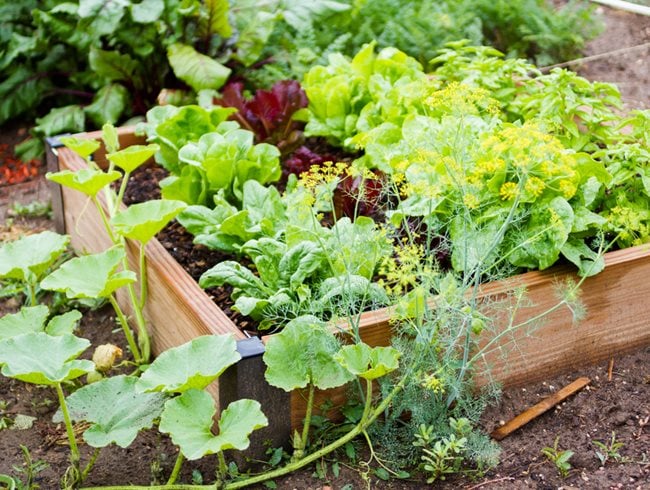
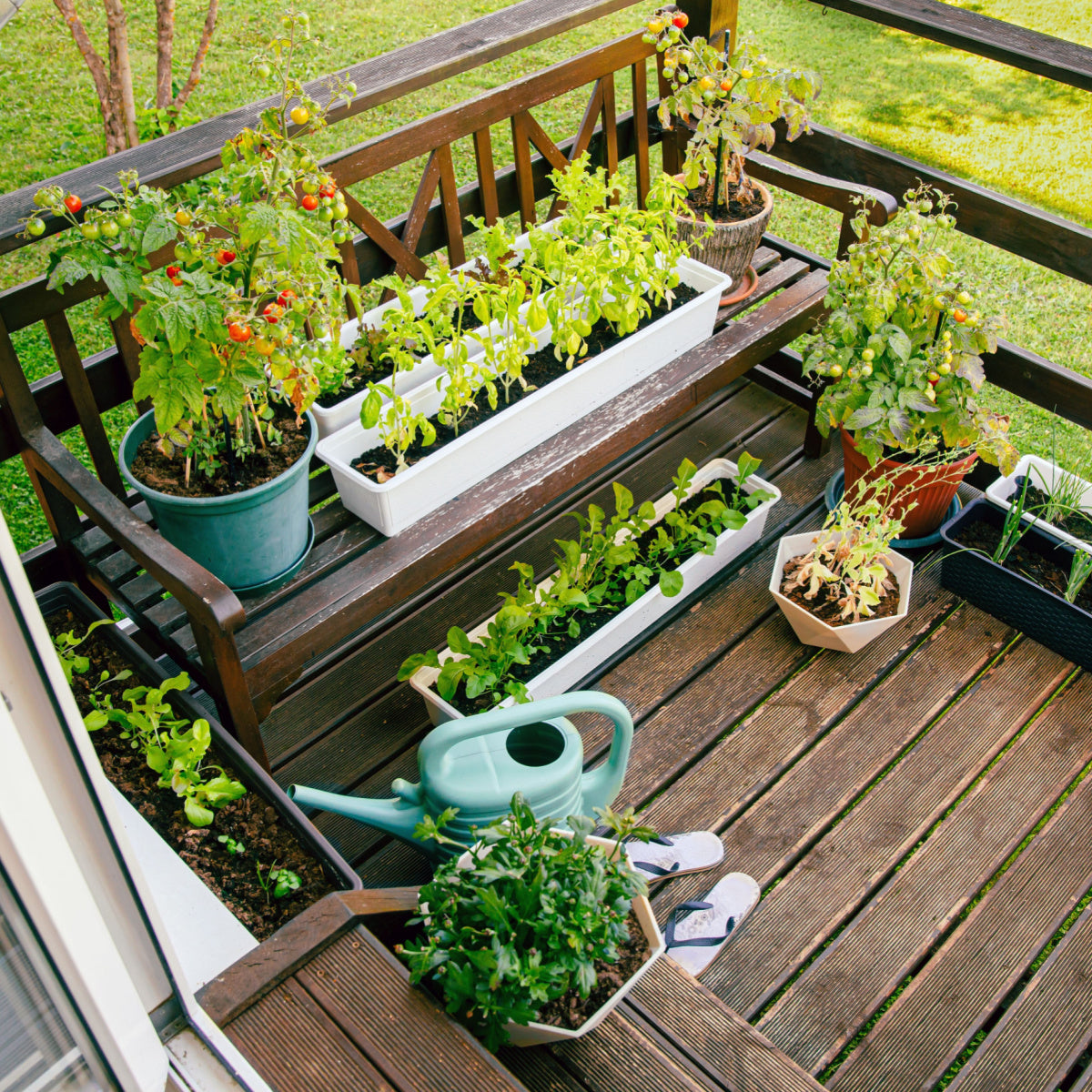
Containers save space and control soil quality. Use pots, grow bags, railing planters, and stacked or tiered systems. Vertical methods like trellises, wall pockets, and hanging planters let you grow vining crops without floor area. Choosing the right container is a key part of how to grow vegetables in small space efficiently.
Container choices
- Deep pots for root crops such as carrots and beets.
- Wide, shallow containers for lettuces and herbs.
- Hanging baskets or pockets for strawberries and bush beans.
Soil, compost, and feeding
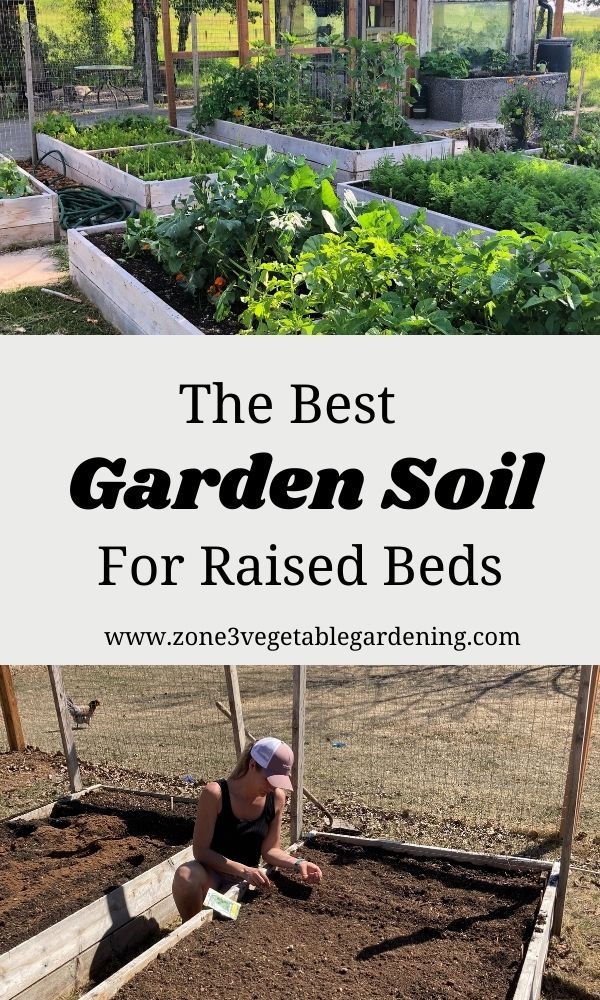
Good soil beats cheap containers. Use a mix of quality potting soil, compost, and a little perlite for drainage. Feed plants with balanced organic fertilizer and side-dress with compost midseason. If you want to know how to grow vegetables in small space long-term, focus on building soil biology in containers by adding compost and worm castings.
Simple soil recipe
- 60% high-quality potting mix
- 30% mature compost
- 10% perlite or coarse sand for drainage

Choosing the right vegetables
Pick compact, fast-maturing, or dwarf varieties labeled for containers. Good choices for small spaces include:
- Salad greens and spinach
- Cherry tomatoes and dwarf tomatoes
- Bush beans and compact peas
- Radishes, baby carrots, and beets
- Herbs such as basil, cilantro, and parsley
When you decide how to grow vegetables in small space, select varieties bred to be small or to yield quickly. This increases harvests and reduces the need for large beds.

Watering, light, and microclimates
Small containers dry faster. Water deeply but less often to encourage stronger roots. Use saucers or self-watering containers to hold moisture. Position sun-loving plants in the brightest spots and shade-tolerant ones where light is weaker. Understanding microclimates helps you decide how to grow vegetables in small space by matching crops to small-scale conditions.
Watering tips
- Check moisture daily in heat; reduce in cool months.
- Mulch topsoil in containers with straw or shredded leaves to conserve moisture.
- Morning watering reduces disease risk.

Pest and disease management
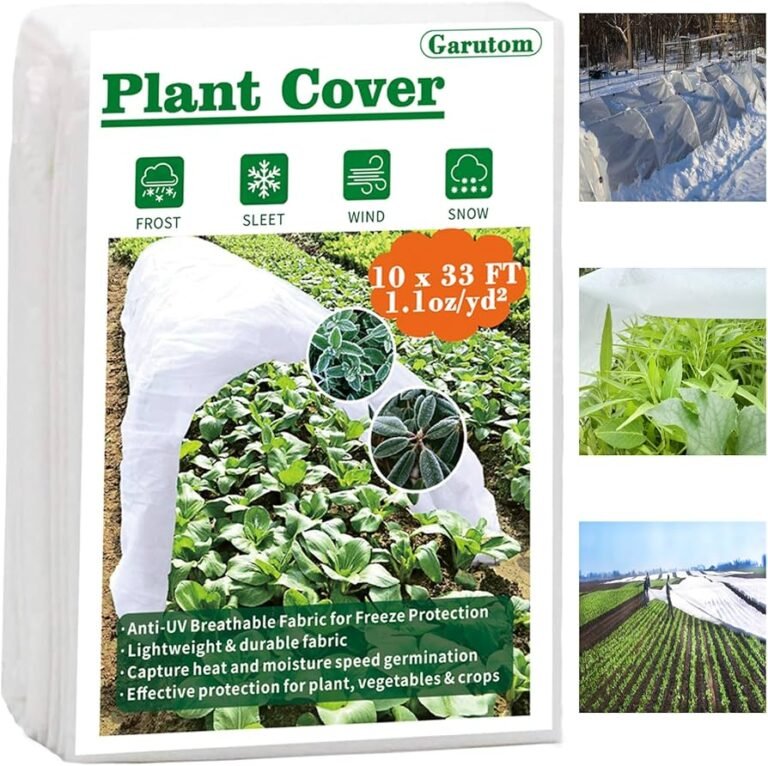
Pests can be worse in small spaces because plants are close together. Prevent problems with good hygiene, crop rotation in containers, and physical barriers. Use row covers for insects and hand-pick pests when possible. For organic control, use insecticidal soaps, neem oil, or biological controls when needed. Managing pests is part of practical strategies for how to grow vegetables in small space and keep yields steady.
Quick defenses
- Inspect plants weekly for pests and disease.
- Keep fallen leaves and debris out of containers.
- Introduce beneficial insects by planting flowering herbs.
Seasonal planning and succession planting
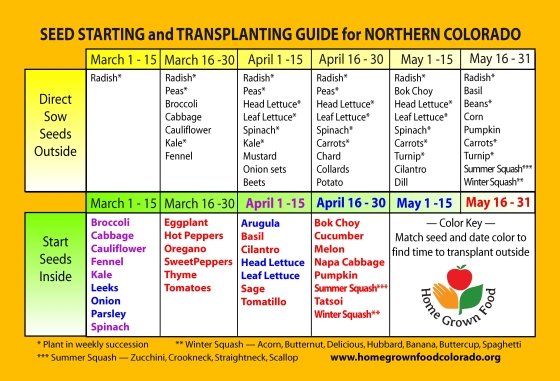
You get more food by staggering plantings. Start quick crops like radishes and salad mixes early. Follow with tomatoes or peppers in midseason. In fall, plant brassicas and hardy greens. Use cold frames or move containers indoors to extend the season. Smart timing is central to how to grow vegetables in small space year-round.
Succession example
- Week 0: Plant radishes and lettuce.
- Week 4: Sow bush beans in emptied radish beds.
- Week 8: Plant fast-maturing greens for fall.

Simple tools and maintenance routine
Keep your toolkit minimal and effective: a watering can or hose with a nozzle, pruners, a hand trowel, a soil meter, and gloves. Create a weekly 20-minute routine: check water, prune, harvest, and inspect for pests. Consistent care makes learning how to grow vegetables in small space feel manageable and rewarding.
Weekly checklist
- Water deeply and check drainage.
- Harvest ripe produce to encourage new growth.
- Remove yellow leaves and check stems for pests.

Personal tips, mistakes I made, and lessons learned
I started with too many plants in small pots. That taught me to space plants properly. I also underfed seedlings the first season and got slow growth. Now I use compost and regular feedings. I learned that minimal tools and consistent routines beat fancy gear. These personal lessons show practical ways to improve your approach when learning how to grow vegetables in small space.
Lessons to remember
- Less crowding, more air, better yields.
- Start with strong seedlings rather than too many seeds.
- Use vertical space early to avoid shading lower plants.
People also ask (PAA-style questions)
Can I grow tomatoes in a small space?
Yes. Choose cherry or dwarf determinate varieties and use deep pots or grow bags. Provide a sturdy trellis or cage to support fruit loads.
How much sun does a small-space vegetable garden need?
Most vegetables need 5–8 hours of direct sun; leafy greens will cope with 3–5 hours. Track sunlight to place plants where they get the right exposure.
What vegetables give the most yield in small containers?
Leafy greens, herbs, bush beans, and determinate tomatoes give high yields per square foot. Fast-growing crops that you harvest repeatedly offer steady returns.
Frequently Asked Questions of how to grow vegetables in small space
What are the best vegetables for balconies?
Salad greens, herbs, cherry tomatoes, radishes, and bush beans perform well on balconies. They need modest space and can thrive in containers or hanging planters.
How deep should containers be for vegetables?
Most vegetables need at least 8–12 inches of soil; root crops like carrots and beets need 12–18 inches. Deeper containers support healthier roots and better yields.
Can I grow vegetables indoors year-round?
Yes, with grow lights and good ventilation you can grow herbs, lettuce, and small tomatoes indoors year-round. Ensure you have adequate light and airflow to prevent disease.
How often should I fertilize container vegetables?
Feed container vegetables every 2–4 weeks with a balanced liquid fertilizer or monthly with slow-release granules. Containers lose nutrients faster than garden beds, so regular feeding helps.
Is compost necessary for container gardening?
Compost greatly improves soil fertility and water retention, but you can start with high-quality potting mix and add compost gradually. Compost boosts long-term soil health and yields.
Conclusion
Growing your own food in tight quarters is practical, satisfying, and cost-effective when you focus on planning, the right containers, good soil, and consistent care. Start small, pick compact varieties, and use vertical space to increase your harvests. Try one new setup this season, track what works, and adjust—your small space can produce more than you expect. If this guide helped, try a balcony planter or subscribe for more tips, and share your results or questions in the comments.