Direct sowing is best for hardy crops and low-labor gardens; transplanting suits tender or fast-yield needs.
I have spent years growing vegetables and flowers in varied climates, testing both direct sowing and transplanting methods. This guide on Direct Sowing vs Transplanting draws on hands-on experience, research, and practical tips so you can choose the right approach for your garden and get reliable results.

What are Direct Sowing and Transplanting?
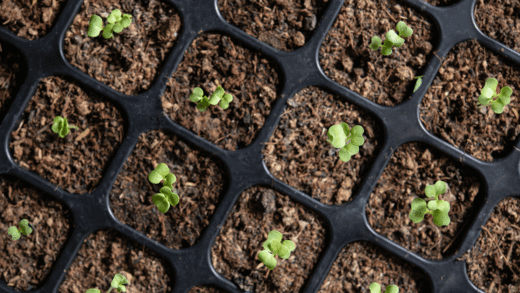
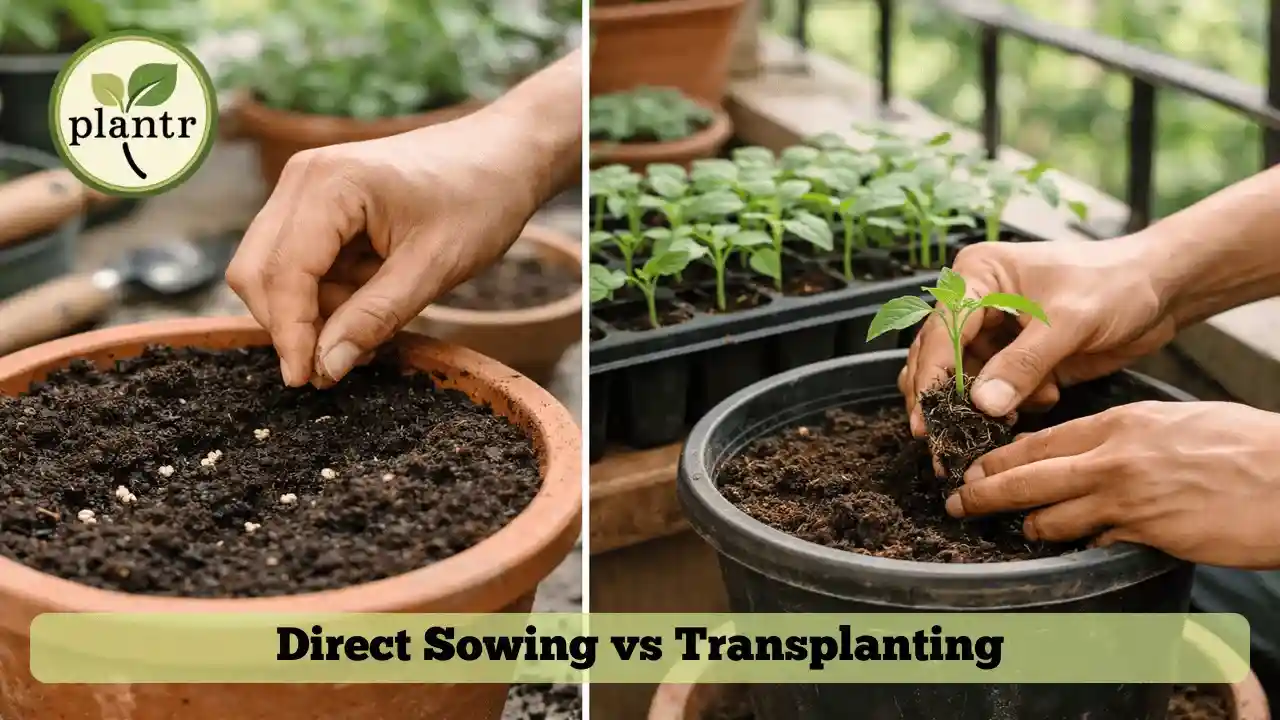
Direct sowing places seeds directly into the garden soil where the plants will grow. It is simple and requires less early care. Many root crops and hardy annuals do best this way.
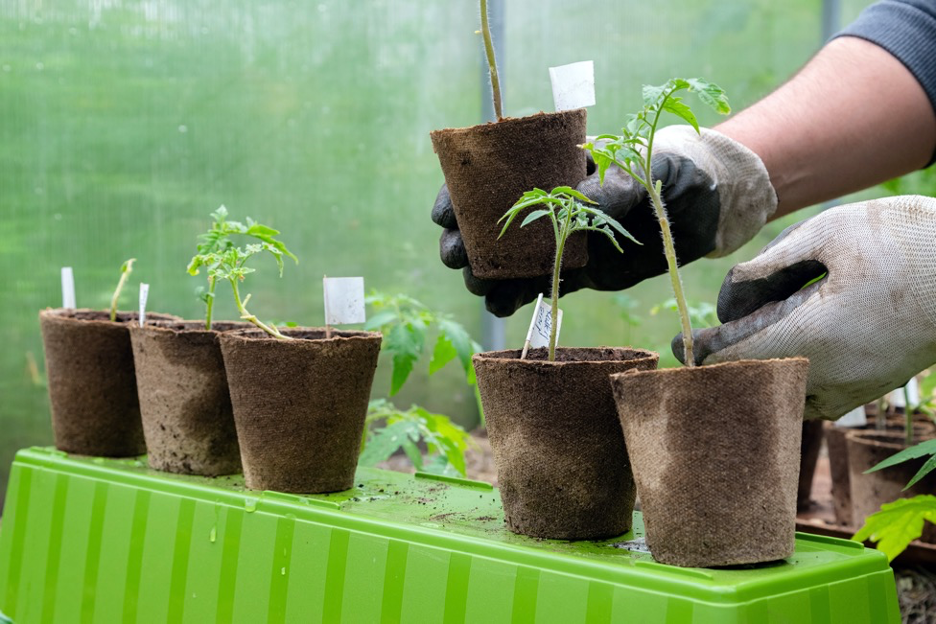
Transplanting starts seeds indoors or in protected beds. You move seedlings to the garden later. This gives fragile plants a head start and extends the growing season.
Direct Sowing vs Transplanting matters when you plan timing, labor, and crop choice. Both methods work. The right choice depends on plant type, climate, and goals.
Pros and Cons of Direct Sowing vs Transplanting
Direct Sowing
- Pros: Low cost and low transplant shock. Seeds can adapt to local soil and weather from day one.
- Pros: Less early labor and no need for trays or grow lights.
- Cons: Slower start and higher risk from pests and weather. Some seeds need long seasons that direct sowing can’t provide.
Transplanting
- Pros: Faster harvest and more control over early growth. Great for tender crops like tomatoes and peppers.
- Pros: Higher success for long-season or slow-germinating plants.
- Cons: More work, cost, and risk of transplant shock. Seedlings need extra care to harden off.
Direct Sowing vs Transplanting trade-offs are about speed, control, and scale. Choose what fits your garden and time.
When to Choose Direct Sowing vs Transplanting
Consider these factors when deciding between Direct Sowing vs Transplanting:
- Plant type: Root crops, beans, peas, and many annual flowers do well with direct sowing. Tomatoes, peppers, eggplants, and brassicas often need transplanting.
- Season length: Short seasons favor transplants. Long seasons can allow direct sowing to mature.
- Soil and weather: Cold, wet soils delay germination. Use transplants if spring soil stays cold long.
- Space and labor: Small spaces and time-poor gardeners benefit from transplants for faster results.
Practical example: If you want early tomatoes in a short season, transplants are best. If you have a long, warm summer and want carrots, direct sowing is ideal.

How to Direct Sow Successfully
Steps to direct sow with confidence:
- Time the sowing to your frost dates and soil temperature. Good timing boosts germination.
- Prepare the bed by removing weeds and loosening soil. Add compost for nutrients.
- Sow seeds at the depth on the packet. Overly deep seeds fail to emerge.
- Water gently and keep soil moist until seedlings appear. Mulch to hold moisture.
- Thin seedlings to the recommended spacing when true leaves form. Thinning prevents crowding.
Personal tip: I mark rows with popsicle sticks and note sowing dates. This makes thinning and harvesting easier.

How to Transplant Successfully
Follow these proven steps for transplanting:
- Start seeds indoors 4–8 weeks before last frost for many warm-season crops. Use a quality seed mix.
- Harden off seedlings by gradually exposing them to outdoor light and wind over 7–10 days.
- Water seedlings well before transplanting. Move them in cool parts of the day to reduce shock.
- Plant at the correct depth and firm soil gently. Add compost or starter fertilizer if needed.
- Water thoroughly after transplanting and monitor for wilting. Provide shade for a few days in hot sun.
Mistake to avoid: Planting seedlings too deep for plants that don’t like buried stems. This can cause rot.

Common Mistakes and Troubleshooting for Direct Sowing vs Transplanting
Typical problems and fixes:
- Poor germination: Check seed age and soil temperature. Use a soil thermometer and fresh seed.
- Damping-off disease for seedlings: Improve air flow, avoid overwatering, and use sterile mix.
- Transplant shock: Harden off longer and avoid transplanting in heat. Use gentle watering.
- Crowded seedlings from direct sowing: Thin on time to prevent stunting.
- Pests eating young plants: Use row covers or barriers for direct-sown and transplanted starts.
When troubleshooting, observe plants daily. Quick action prevents small issues from becoming crop failures.
Personal Experience and Practical Case Studies
I grew lettuce both ways for years. Direct sowing gave continuous harvests with less fuss. Transplanted lettuce gave a fast first harvest but bolted sooner under heat.
I also started peppers indoors and transplanted them after hardening. They produced earlier and yielded more fruit than direct-sown peppers in my cool spring climate.
Lessons learned:
- Match method to plant and climate.
- Hardening off is essential for transplants.
- Thinning matters for direct-sown rows.
- Keep records of sowing dates and results to improve season to season.

Frequently Asked Questions of Direct Sowing vs Transplanting
What plants are best for direct sowing?
Many root crops, most beans, peas, corn, and many annual flowers are best direct sown. These crops handle field conditions and don’t like root disturbance.
When should I transplant seedlings outdoors?
Transplant after the danger of frost passes and seedlings are hardened off. For many warm-season crops, this is 1–2 weeks after the last expected frost.
How long should I harden off transplants?
Harden off seedlings gradually over 7–14 days. Start with short periods outside and increase exposure slowly.
Can direct sowing save money?
Yes, direct sowing cuts costs on trays, soil, and indoor lights. It reduces materials and time spent caring for seedlings.
Does transplanting speed up harvest?
Transplanting usually gives an earlier harvest for long-season or slow-starting crops. It adds labor but can be worth it for early yield.
Conclusion
Direct Sowing vs Transplanting is a practical choice, not a one-size-fits-all rule. Match the method to the plant, season, and your goals. Try both methods on a small scale to see what works best in your yard or climate.
Takeaway: Start small, keep notes, and adjust each season. If you found this useful, try one new seed packet this month and share your results or questions in the comments.