Bypass pruners cut clean like scissors; anvil pruners crush branches and suit different tasks.
I’ve spent years pruning shrubs, roses, and small trees, and I’ve tested both styles closely. This article breaks down Bypass Pruners vs Anvil Pruners with clear, experience-driven guidance. You’ll learn how each tool works, which jobs each handles best, practical maintenance tips, and how to choose the right pruner for your garden and budget. Read on for straightforward advice you can use today.
How Bypass Pruners vs Anvil Pruners Work
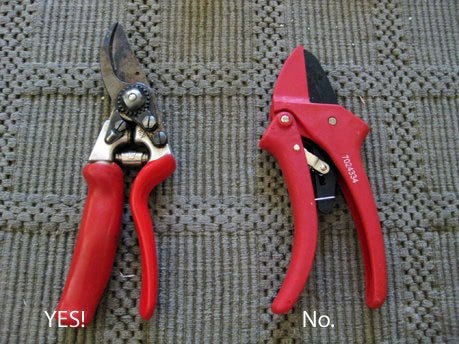
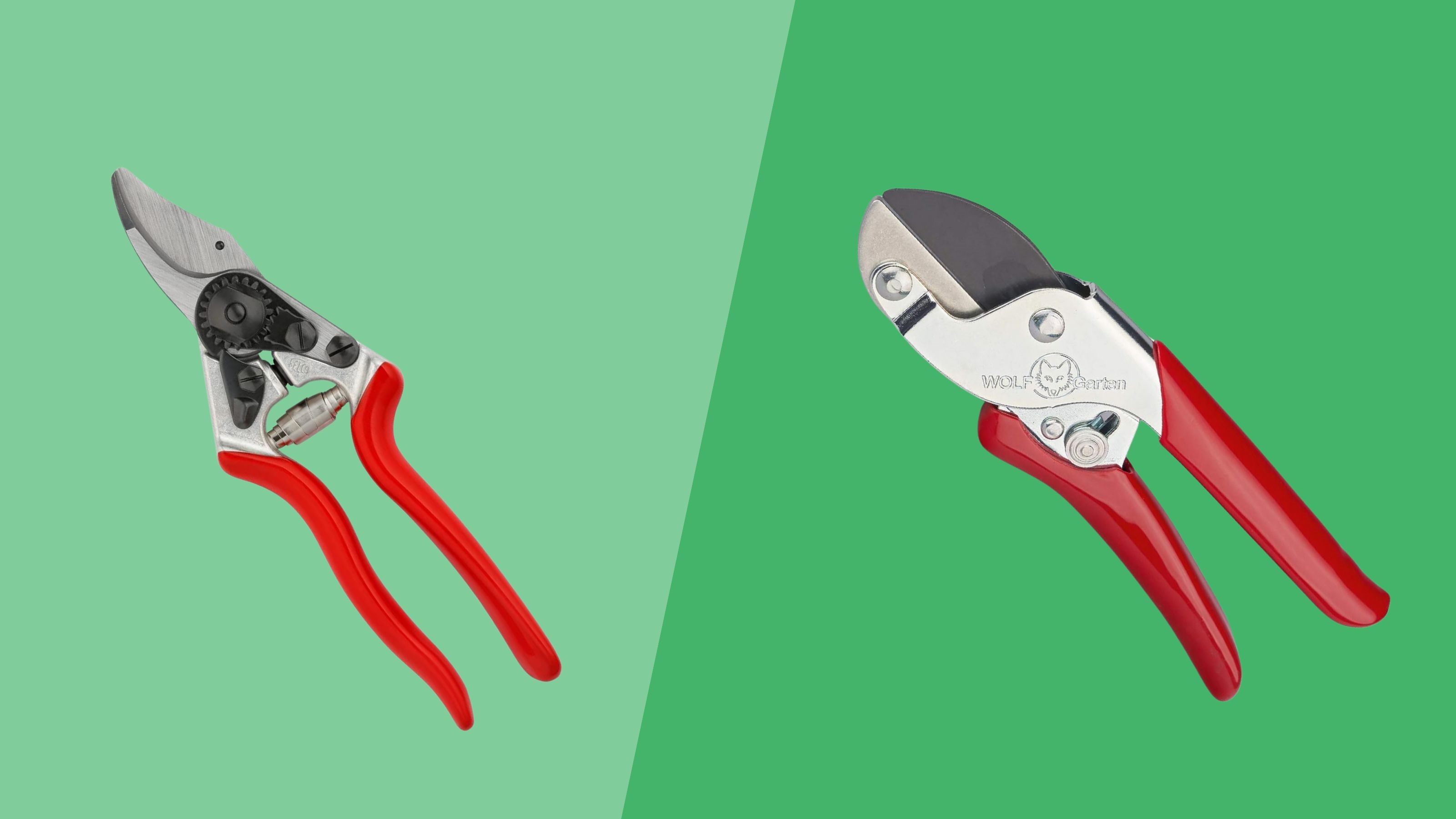
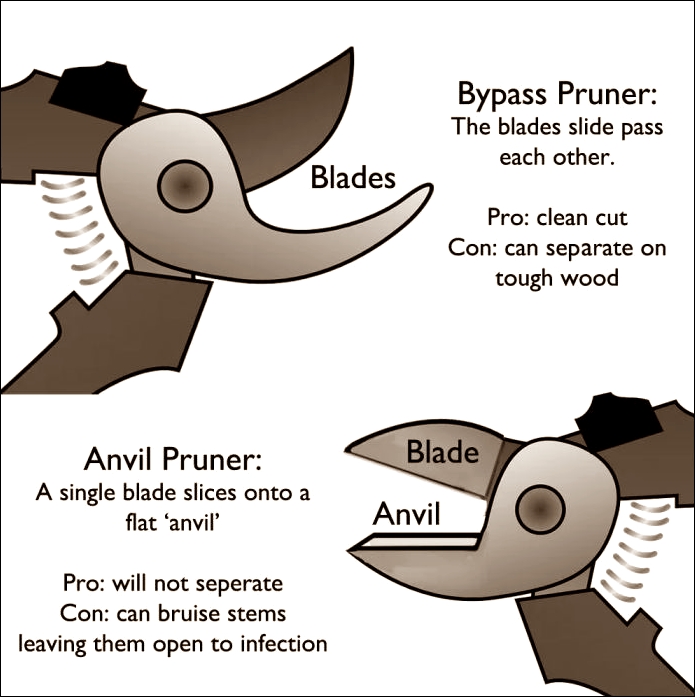
Bypass pruners use two curved blades that pass by each other, like scissors. The cutting blade slices cleanly against the counter blade. This gives a smooth cut that is gentle on live stems.
Anvil pruners have one sharp blade that closes onto a flat surface or pad. They crush the stem against the anvil. This is strong for woody or dead material but can bruise live tissue.
Key mechanical points:
- Bypass action favors precision and cleaner cuts.
- Anvil action favors power and can handle tough, dry wood.
- Bypass blades are usually thinner and sharper.
- Anvil blades are thicker and built to resist deformation.
Bypass Pruners vs Anvil Pruners matters when you care about plant health. Clean cuts heal faster. Crushing can invite disease into living plants. Use the right style for the job to avoid stress and long-term damage.

Key Differences at a Glance
Here are simple, quick comparisons you can scan.
- Cutting method: Bypass pruners slice; anvil pruners compress and sever.
- Best for live wood: Bypass pruners are ideal for green, living stems.
- Best for dead wood: Anvil pruners excel on dry, brittle branches.
- Cut quality: Bypass gives smooth cuts; anvil may cause crushing.
- Blade maintenance: Bypass needs more frequent sharpening.
- Safety: Anvil can be safer for small hands because it’s less likely to pinch unexpected material.
Understanding these differences helps you pick a tool that fits your pruning patterns. If you prune roses and shrubs, bypass is usually better. If you clear lots of dead wood or do rough pruning, anvil can be faster and easier.

Pros and Cons of Bypass Pruners vs Anvil Pruners
Below I list key pros and cons from hands-on use.
Bypass pruners — pros:
- Cleaner cuts that heal quickly.
- Better for precision pruning and shaping.
- Ideal for flowering shrubs and fruit trees.
Bypass pruners — cons:
- Blades dull faster on grit or frozen wood.
- Not as strong on thick, dead branches.
- Requires careful sharpening and alignment.
Anvil pruners — pros:
- Strong on hard, dead wood.
- Often cheaper and simpler to build.
- Less frequent sharpening needed.
Anvil pruners — cons:
- Can crush live tissue, slowing healing.
- Not ideal for delicate or live pruning jobs.
- Cuts may be ragged on green stems.
Knowing these trade-offs gives you clear reasons to choose one over the other. In many home gardens, having one of each covers nearly all tasks.

Best Uses and Which to Choose
Choosing between Bypass Pruners vs Anvil Pruners depends on plants and tasks.
Choose bypass if:
- You prune roses, fruit trees, or ornamental shrubs.
- You need clean cuts for fast healing.
- You care about preventing disease entry at cut sites.
Choose anvil if:
- You trim lots of dead wood, old canes, or thick dry branches.
- You need a tool that can handle stubborn, hard stems.
- You want a simpler tool that’s easy to maintain.
Practical scenarios:
- Cutting live rose canes: use bypass pruners.
- Trimming dried hydrangea stems in late winter: anvil pruners can do the job.
- Routine garden shaping and precision pruning: bypass pruners win.
People Also Ask — quick answers:
Will bypass pruners work on dead wood?
- Yes, bypass pruners can cut dead wood, but they may dull faster. For large, dry branches anvil pruners are often easier.
Can anvil pruners damage living plants?
- They can bruise living stems, which may slow healing. Use anvil pruners sparingly on green growth.
How thick can each type typically cut?
- Most hand pruners handle up to 3/4 inch. For thicker branches, use loppers or saws.
These quick checks guide real-world tool choices. Choose by task and plant type for best results.
Maintenance and Safety Tips for Both Types
Proper care keeps any pruner working well and living plants healthy.
Routine maintenance:
- Clean blades after each use to remove sap and dirt.
- Wipe blades with a lightly oiled cloth to prevent rust.
- Sharpen bypass blades often for clean cuts; anvil blades need less frequent sharpening.
- Check pivot bolts and adjust tension so blades meet cleanly without wobble.
Safety tips:
- Wear gloves and eye protection during pruning.
- Cut at a comfortable height and stance to avoid slips.
- Use loppers or a saw for branches thicker than the pruners’ capacity.
- Keep blades locked or sheathed when not in use.
A small habit, like cleaning and oiling after each session, extends tool life and keeps cuts healthy.

My Experience, Mistakes, and Practical Tips
I learned lessons the hard way. I once used an anvil pruner on rose canes. The cuts were crushed and the bushes took longer to recover. That taught me two things: match tool to task, and sharpen regularly.
Lessons and tips from real use:
- Always match choice to the plant. Bypass for living stems, anvil for dead wood.
- Don’t force cuts. If the pruner struggles, switch to loppers or a saw.
- Store pruners dry and apply a drop of oil to the pivot monthly.
- Use replacement parts from reputable brands when available.
Practical tip: If you only want one pruner and you prune mostly live plants, buy a high-quality bypass pruner. If you frequently clean up dead material and want a budget option, an anvil pruner is sensible.
Being honest, I keep both. The bypass pruner is my go-to for plant health. The anvil pruner is my backup for rough cleanup.

Cost, Brands, and What to Look For
Prices vary. Expect budget pruners under $20 and pro models above $50. Higher cost often brings better steel, tighter tolerances, and lifetime warranties.
What to look for:
- Sharp, replaceable blades for bypass pruners.
- Solid anvil plate for anvil pruners.
- Comfortable handles with non-slip grips.
- Good pivot and locking mechanism.
- Warranty and easy replacement parts.
Brand notes from experience:
- Mid-range pruners usually offer the best value for home gardeners.
- Avoid extremely cheap models that use brittle steel or weak pivots.
- Test feel in hand when possible; comfort matters during long sessions.
Bypass Pruners vs Anvil Pruners can be compared not just by cut style, but by quality, ergonomics, and value. Invest where you need performance.
Frequently Asked Questions of Bypass Pruners vs Anvil Pruners
What is the main difference between bypass pruners and anvil pruners?
The main difference is cutting action: bypass pruners slice with two blades, while anvil pruners crush against a flat surface. This affects cut quality and best use.
Which pruner type is better for roses?
Bypass pruners are better for roses because they make clean, precise cuts that heal quickly. Anvil pruners can bruise the stems and slow recovery.
Can an anvil pruner be used on live wood?
You can use an anvil pruner on live wood, but it may cause crushing and rough cuts. Use it sparingly on green stems and prefer bypass for frequent live pruning.
How often should I sharpen bypass pruners?
Sharpen bypass blades after several weeks of regular use or whenever cuts become ragged. Frequent light sharpening keeps cuts clean and reduces plant stress.
Are anvil pruners safer for novices?
Anvil pruners can be safer when cutting dead wood because they are simpler to use and less likely to trap material unexpectedly. However, misuse on living plants can still harm vegetation.
Conclusion
Choosing between Bypass Pruners vs Anvil Pruners comes down to the plants you care for and the work you do. Bypass pruners give clean cuts and protect live growth. Anvil pruners give power for dead, tough branches. My practical advice: if you prune mostly living shrubs and fruit trees, buy a quality bypass pruner. If you clear old, dry stems often, keep an anvil pruner on hand as a handy backup.
Take action today: evaluate your pruning tasks, pick the pruner that matches those needs, and commit to basic maintenance. Your plants will heal better and your tools will last longer. Share your pruning questions or experiences below and subscribe for more practical gardening tips.