Garden Fork vs Spade: a garden fork lifts and loosens soil; a spade cuts, digs, and edges.
I have spent decades digging beds, turning compost, and rescuing stubborn roots. In this piece I break down Garden Fork vs Spade with clear, tested advice. You will learn when to reach for a garden fork and when a spade will save your back. Expect definitions, uses, pros and cons, buying tips, care steps, and real-life lessons from my years in backyard and market gardening.

How Garden Fork and Spade Differ: Design and Function
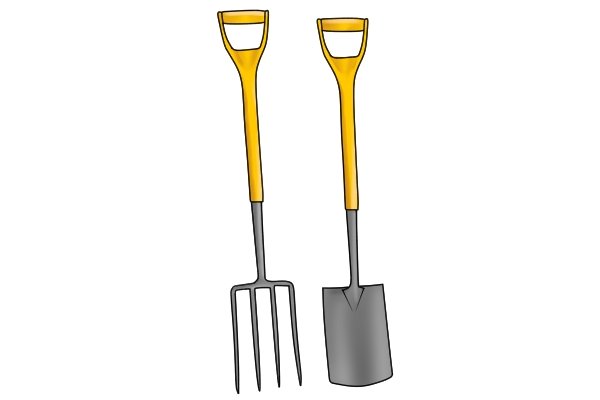
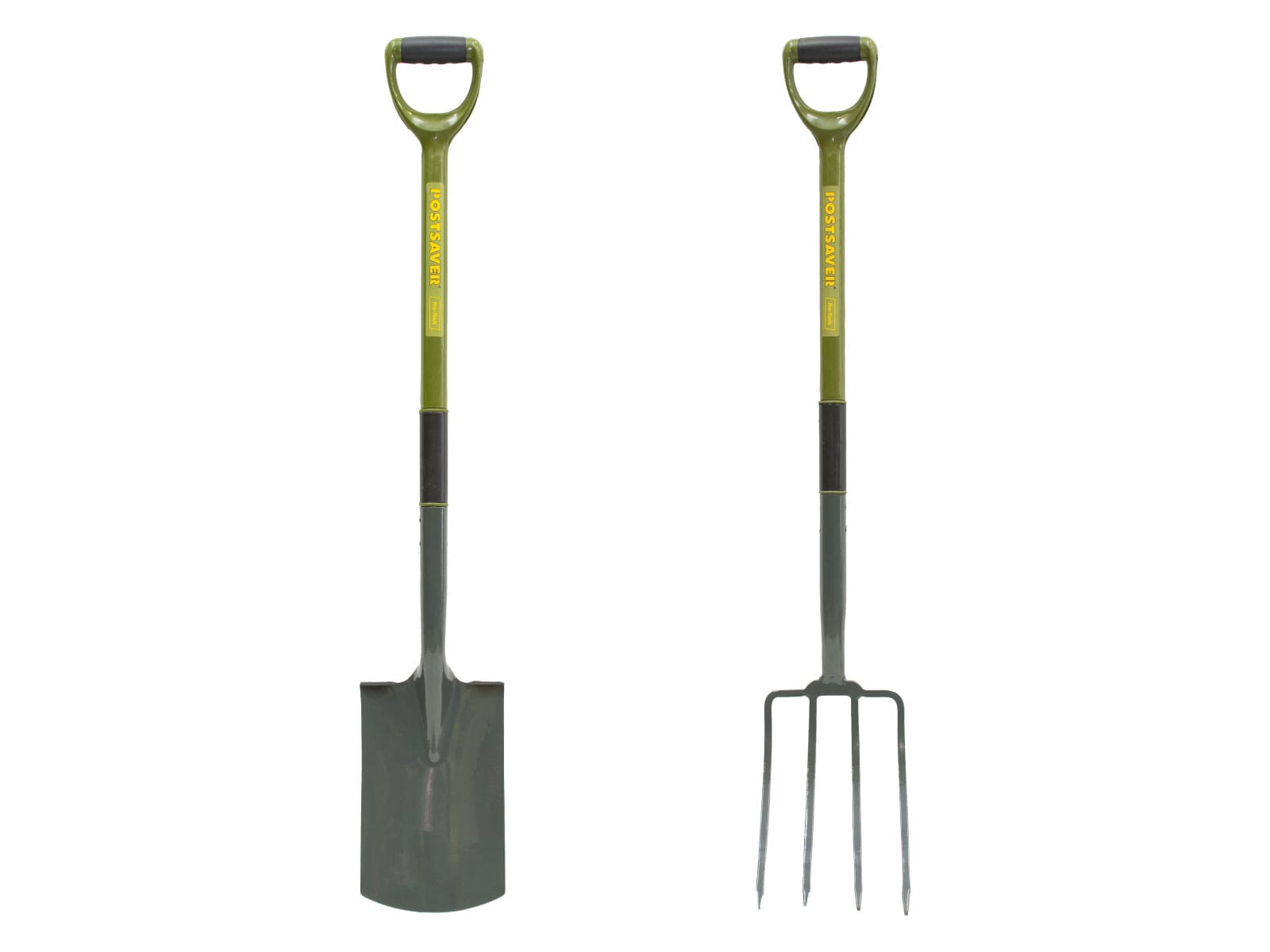
A garden fork and a spade look similar at first. The garden fork has tines. The spade has a flat blade. Garden Fork vs Spade is about shape and purpose.
Garden fork key traits
- Upright handle and several strong tines.
- Tines usually 3 to 5, square or slightly tapered.
- Works by lifting and breaking soil without slicing.
Spade key traits
- Flat or slightly curved blade with a sharp edge.
- Blade often rectangular or rounded.
- Works by cutting, edging, and moving soil in neat slices.
Practical functional differences
- Garden Fork vs Spade for loosening: fork breaks compacted soil with less effort.
- Garden Fork vs Spade for digging: spade slices through roots and sod cleanly.
- Garden Fork vs Spade for transplanting: fork helps preserve root balls; spade helps create clean planting holes.
I tested both tools over many seasons. When I needed to save soil structure, I grabbed the garden fork. When I made straight beds or cut turf, the spade was the better choice.
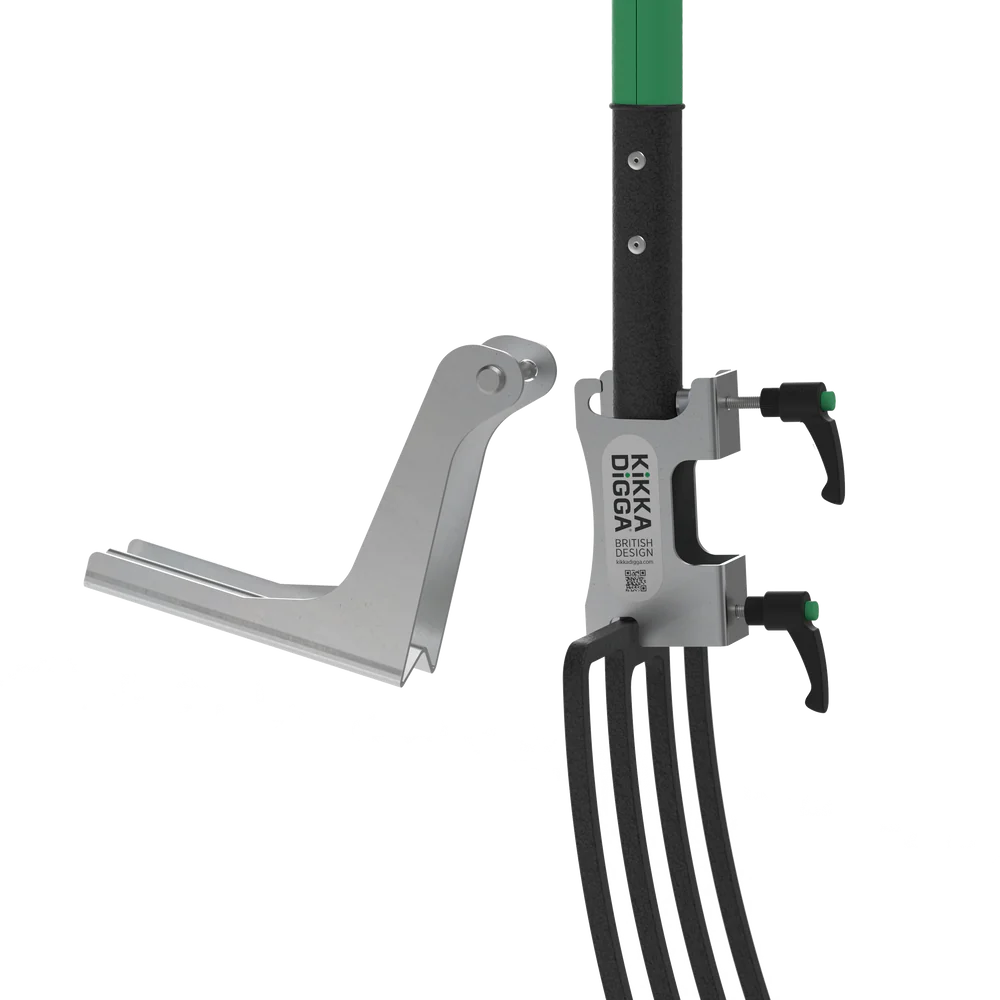
When to Use a Garden Fork vs Spade: Tasks and Soil Types
Match task to tool. That gives faster work and less strain.
Best tasks for a garden fork
- Breaking up compacted soil and aerating beds.
- Lifting root crops like potatoes and carrots.
- Turning compost where gentle mixing is preferred.
- Removing deep perennial roots without excessive slicing.
Best tasks for a spade
- Cutting turf and edging lawns.
- Digging planting holes and trenches.
- Moving soil, compost, or gravel in measured amounts.
- Cutting through dense root mats and sod.
Soil type guide
- Clay soil: Garden fork vs Spade — fork loosens and reduces compaction; spade cuts through clay for planting.
- Sandy soil: Either works, but spade makes cleaner holes; fork can over-disturb sandy structure.
- Rocky soil: Spade often chips out rocks; fork tines can bend if struck.
Personal tip: In heavy clay I start with a garden fork to lift and loosen, then finish with a spade to shape the bed. That cuts my digging time and keeps soil structure healthy.
Can I use a spade instead of a garden fork?
Yes in a pinch, but a spade chops and compacts soil more. For root crops or aeration, a garden fork protects soil structure better.
Is a garden fork better for clay soil?
Often yes. A garden fork lifts and breaks clay without slicing, which helps drainage and root growth.
Choosing the Right Tool: Materials, Size, and Comfort
Choosing well saves money and avoids injuries. Here are the key features to check.
Handle type and length
- Short handles: More control for edging and tight beds.
- Long handles: Less bending for deep digging and heavy lifting.
- Material: Ash and hickory feel springy; fiberglass is lighter and resists rot.
Head material and design
- Forged steel heads last longer and resist bending.
- Stainless heads resist rust but can cost more.
- Tine shape: wider tines for lifting, narrow tines for dense soils.
Comfort and ergonomics
- D-grip handles help leverage with a spade.
- Straight shaft helps a garden fork apply downward lift.
- Check balance: well-balanced tools reduce wrist strain.
Sizing guide by task
- Small plots and raised beds: Choose a lighter garden fork vs spade for ease.
- Large gardens and heavy soils: Choose a heavy-duty forged spade and a sturdy fork.
- Raised beds and containers: Short-handled tools give control and fit smaller spaces.
My buying rule: spend on the head first, then handle. A good head with a replaced handle lasts decades.
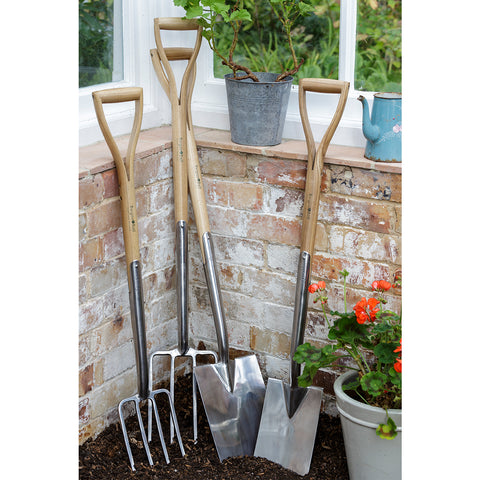
Care and Maintenance for Garden Fork vs Spade
Simple care keeps tools sharp and safe. Follow these steps.
Basic maintenance steps
- Clean after each use to remove soil and moisture.
- Sharpen spade edges with a file for clean cuts.
- Straighten or replace bent tines on a fork promptly.
- Oil wooden handles and tighten loose fittings annually.
Storage tips
- Hang tools to keep blades off the ground.
- Store in a dry shed to avoid rust and rot.
- Use blade covers for safety and to protect edges.
When to replace parts
- Replace a cracked handle immediately to avoid injury.
- Replace the head if tines bend repeatedly or welds break.
- Consider a professional repair for high-end forged tools.
Regular maintenance made my tools last. A little care saved me time and kept digging safe and fast.
My Personal Experience with Garden Fork vs Spade
I started gardening with hand-me-down tools. Over the years I tried cheap and premium options. This taught me what matters.
Lessons learned
- Cheap thin-tined forks bend in rocky soils. Buy forged if you face stones.
- Lightweight spades are great for raised beds but struggle with heavy clay.
- Ergonomic handles reduced my back pain when digging for long sessions.
A memorable project
- I once rebuilt a quarter-acre veg bed. I used a garden fork to loosen compaction and a spade to cut beds and plant edges. The yield improved because roots had space and soil structure stayed intact.
Mistakes to avoid
- Don’t force a garden fork into rock; it bends. Use a mattock or spade chip first.
- Don’t store tools dirty. Rust costs more than a new handle.
These simple habits changed how quickly I work. They will help you too.
Common Mistakes and How to Avoid Them
Avoid common errors to get the best from Garden Fork vs Spade.
Mistake: Using the wrong tool for the task
- Fix: Match task to tool—fork for lifting, spade for cutting.
Mistake: Poor maintenance
- Fix: Clean and sharpen regularly.
Mistake: Wrong handle length
- Fix: Test handle length before buying for comfort.
Mistake: Overworking soil when wet
- Fix: Wait until soil is workable to avoid compaction.
These fixes are easy and cut work time.

Environmental and Practical Considerations
Think about soil health, ergonomics, and sustainability.
Soil health
- Garden Fork vs Spade impacts structure: fork preserves; spade slices and can compact when overused.
- Rotate tasks to protect soil — use forks after heavy rain to gently loosen.
Sustainability
- Choose durable tools to reduce waste.
- Repair handles rather than replace entire tools when possible.
Practical buying notes
- Test a tool in store if possible.
- Read warranties for forged heads and handle materials.
Frequently Asked Questions of Garden Fork vs Spade
What is the main difference between a garden fork and a spade?
The main difference is function: a garden fork lifts and loosens soil with tines, while a spade cuts and slices soil with a flat blade. Each excels at different tasks in the garden.
Which tool is better for digging in clay soil?
A garden fork is often better for loosening clay because it breaks clumps without compacting the soil. A spade can be used after loosening to shape beds or dig holes.
Can I use a garden fork to remove weeds?
Yes, a garden fork can lift weeds and root balls with minimal soil disturbance. For deep-rooted runners, use a spade to cut roots cleanly.
How often should I sharpen my spade?
Sharpen the spade edge a few times a season or when it struggles to cut sod. A sharp edge makes cutting easier and reduces effort.
Are forged tools worth the extra cost?
Forged tools cost more but last longer and resist bending. For heavy soils and regular use, forged heads offer better value over time.
Conclusion
Garden Fork vs Spade is not a contest. They are partners. Use a garden fork to lift, loosen, and protect soil structure. Use a spade to cut, edge, and move soil cleanly. Choose tools that match your soil, tasks, and body size. Care for them and they will repay you with faster, easier work.
Takeaway: pick both if you can. Start with one that fits your most common tasks, then add the other as needs grow. Try a test in your soil this weekend and notice the difference.
Share your experience, ask questions, or subscribe for more hands-on garden tool guides.