Hand pruners are best for precise, small cuts; loppers handle thicker branches and add reach.
I’ve spent years pruning gardens, orchards, and hedges, and I know which tool fits each job. This guide breaks down Hand Pruners vs Loppers with clear, practical advice, real-world tips, and step-by-step guidance so you can choose the right tool, avoid common mistakes, and keep your plants healthy.
:max_bytes(150000):strip_icc()/SPR-garden-pruner-preference-1403219-hero-e364c36e3a88465bbd4eced329e6aa8e.jpg)
Understanding the tools
Hand pruners are small, one-handed cutters made for precise trimming. They come as bypass pruners, which slice like scissors, and anvil pruners, which crush against a flat plate. Hand pruners cut stems and small branches cleanly, usually up to about 3/4 inch in diameter.
Loppers are larger, two-handed tools with longer handles that increase leverage and reach. Typical loppers cut branches from about 3/4 inch up to 1.5 inches, while ratchet or compound-action loppers can manage thicker wood. There are fixed-handle and telescoping-handle loppers for extra reach.
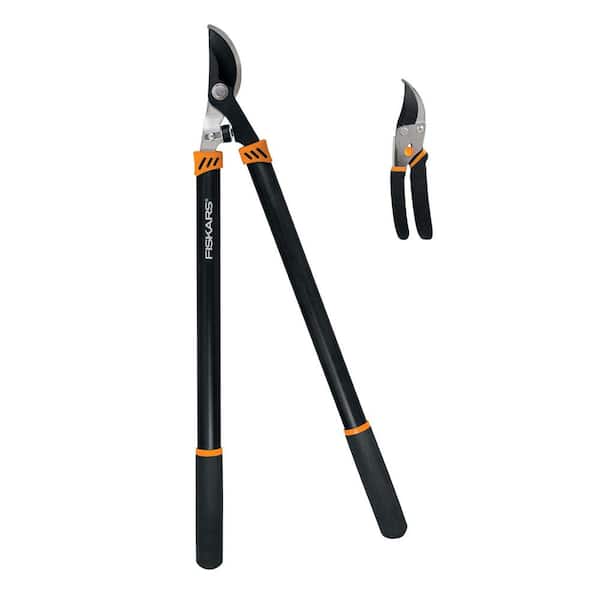
Key differences: Hand Pruners vs Loppers
- Cutting capacity
- Hand pruners cut small stems and softwood up to roughly 3/4 inch.
- Loppers handle thicker branches, often 1 to 2 inches depending on type.
- Leverage and effort
- Hand pruners rely on wrist and hand strength.
- Loppers use long handles to multiply force, reducing strain.
- Precision
- Hand pruners offer fine control for shaping, deadheading, and pruning close to buds.
- Loppers are for bulk cutting and rough shaping.
- Reach and access
- Hand pruners are for close-up work.
- Loppers extend reach and let you cut higher or deeper into shrubs without a ladder.
- Blade type and action
- Both tools come in bypass and anvil styles; bypass is best for living wood, anvil can be fine for dead wood.
- Weight and storage
- Hand pruners are lightweight and pocket-sized.
- Loppers are heavier and need more storage space.
- Price and durability
- Good hand pruners cost less and are often easier to maintain.
- High-quality loppers cost more but last longer on heavy-duty jobs.
:max_bytes(150000):strip_icc()/SPR-garden-pruner-preference-1403219-hero-e364c36e3a88465bbd4eced329e6aa8e.jpg)
When to use hand pruners
Use hand pruners for detail work and frequent small cuts. Ideal jobs include:
- Deadheading flowers and cutting back perennials.
- Pruning roses and fruit tree shoots.
- Trimming young growth and shaping small shrubs.
Practical tip: Cut at a 45-degree angle just above a bud to encourage proper healing and new growth. I use bypass hand pruners for living wood to get a clean slice and reduce disease risk.

When to use loppers
Reach for loppers when branches are too thick or awkward for hand pruners. Typical uses:
- Removing branches between 3/4 and 2 inches.
- Thinning overgrown shrubs and small trees.
- Cutting back older growth and structural branches.
If you need extra power with less effort, choose ratchet-action loppers. I keep a telescoping lopper for high hedges so I avoid ladders and reduce strain on my back.

Choosing based on plant type and task
Consider what you prune most often:
- Roses and ornamentals
- Use hand pruners for precise cuts and shaping.
- Shrubs and hedges
- Use loppers for thicker stems and to clear bulk growth.
- Fruit trees and small trees
- Start with loppers for scaffold branches, finish with pruning saws for larger limbs.
- Vines and climbers
- Hand pruners for frequent maintenance; loppers for heavy cutting in late winter.
PAA-style questions
- Can loppers replace hand pruners?
- Loppers can cut many stems, but they lack the precision of hand pruners for delicate tasks.
- How thick can loppers cut?
- Typical loppers handle 1 to 1.5 inches; ratchet models can go thicker, sometimes up to 2 inches.
- Should I use bypass or anvil blades?
- Use bypass for live wood and cleaner cuts; anvil can be fine for dead, dry branches where crushing is acceptable.

Maintenance and safety
Keep blades sharp, clean, and lightly oiled. Wipe sap off after each use and sanitize between trees to prevent disease spread. Check bolts and replace worn parts to maintain alignment and cutting power.
Safety tips
- Wear gloves and eye protection when using loppers or pruning with force.
- Stand on solid ground; avoid overreaching with long loppers.
- Use the right tool for the diameter to avoid blade damage and reduce accidents.

Buying guide and cost considerations
What to look for
- Blade material: hardened steel holds an edge longer.
- Action: bypass for live wood; ratchet or compound for more power.
- Handle: ergonomic grips reduce hand fatigue; telescoping handles add reach.
- Weight: balance power and comfort; lighter tools reduce strain.
- Warranty: longer warranties indicate better build quality.
Price ranges
- Basic hand pruners: budget to mid-range, durable for casual gardeners.
- Premium hand pruners: better steel, replaceable parts, higher cost.
- Basic loppers: mid-range for regular yard work.
- High-end loppers: forged heads, compound mechanics, higher price but longer life.
:strip_icc()/GettyImages-1321495778-aead93dca47c41f2a13c38cea79cdf63.jpg)
My experience and practical tips
I learned early to match tool to task. I once tried to prune a 1.25-inch branch with hand pruners and quickly broke a blade. After that, I kept both tools close and used loppers for anything over 3/4 inch. Other lessons:
- Sharpen regularly—clean cuts heal faster.
- Use bypass pruners on living plants to reduce infections.
- Store tools indoors to prevent rust; replace grips when they wear.
Frequently Asked Questions of Hand Pruners vs Loppers
What is the main difference between hand pruners and loppers?
Hand pruners are one-handed tools for small, precise cuts, while loppers are two-handed tools that give more leverage and reach for thicker branches. Loppers handle larger-diameter wood and reduce the effort needed.
How thick can hand pruners cut?
Most hand pruners cut up to about 3/4 inch. For anything thicker, a lopper or pruning saw is safer and more effective.
Are bypass pruners better than anvil pruners?
Bypass pruners make cleaner cuts on live wood and are generally preferred for garden pruning; anvil pruners can work for dead wood but may crush soft stems.
Can I use loppers instead of a saw for tree branches?
Loppers can handle branches up to about 1.5 to 2 inches, depending on the model, but for larger limbs a pruning saw is safer and more efficient. Using the proper tool avoids damage to the plant and tool.
How do I keep pruners and loppers sharp?
Sharpen blades with a sharpening stone or file, clean sap with rubbing alcohol, and apply a thin oil film to prevent rust. Regular maintenance extends tool life and improves cut quality.
When should I choose ratchet loppers?
Choose ratchet loppers if you have limited hand strength or need extra cutting power for tough, older wood. They let you make progressive cuts with less force.
Conclusion
Hand pruners and loppers each serve clear roles: hand pruners for precise, small cuts and loppers for thicker branches and added reach. Match the tool to the plant and task, maintain blades, and practice safe techniques to keep plants healthy and work efficient. Try pairing a good bypass hand pruner with a reliable compound-action lopper—your garden will thank you.
Takeaway: pick the right tool for the job, sharpen and clean often, and avoid forcing tools beyond their limits. If this guide helped, leave a comment with your pruning questions or subscribe for more hands-on gardening tips.