Neem Oil vs Insecticidal Soap: Neem for slower, systemic effects; soap for fast, contact control.
I’ve spent years managing pests in small vegetable plots and ornamental beds, testing many organic tools. In this article I’ll compare Neem Oil vs Insecticidal Soap across how they work, what pests they control, safety, application tips, and real-world pros and cons. You’ll get clear guidance on which to pick, how to use each safely, and how to combine them when needed. Read on for practical, tested advice to protect plants with minimal harm to beneficial insects and people.

How Neem Oil and Insecticidal Soap Work
Neem Oil vs Insecticidal Soap act differently. Neem is an oil extracted from the neem tree that contains azadirachtin and other compounds. It disrupts insect hormones, reduces feeding, and can slow insect growth and reproduction. It also smothers some soft-bodied pests on contact.
Insecticidal soap is a salt of fatty acids. It works by breaking down insect outer membranes and dissolving waxes, causing dehydration and death on contact. Soaps act very fast but have no lasting systemic effect.
Common targets for Neem Oil vs Insecticidal Soap include aphids, whiteflies, mealybugs, spider mites, and scale. Neem also shows activity against certain fungal problems and can be somewhat systemic when absorbed by leaves or soil.

Key Differences at a Glance
- Composition: Neem Oil vs Insecticidal Soap differ chemically; neem is a botanical oil, soap is fatty-acid salts.
- Mode of action: Neem acts as both a contact and growth regulator; soap is strictly contact-kill.
- Residual activity: Neem can leave a residual deterrent on foliage; soap has almost no residual.
- Speed of kill: Soap kills faster on contact; neem may take longer and reduce feeding and reproduction instead.
- Plant safety: Both are generally safe when used properly, but soaps can burn sensitive leaves if too concentrated.
- Environmental impact: Neem is biodegradable and low risk when used correctly; soaps break down quickly and are generally safe for soil.
- Organic status: Both are accepted in many organic programs, but always check labels for certification.

Source: savvygardening.com
Pros and Cons
Neem Oil: Pros and Cons
- Pros:
- Broad action: insect growth regulator and repellent.
- Some antifungal benefits for powdery mildew and rust.
- Lasting deterrent on foliage.
- Cons:
- Slower visible kill than soap.
- Can cause leaf burn in hot sun or at high concentrations.
- Smell and oiliness may bother some users.
Insecticidal Soap: Pros and Cons
- Pros:
- Fast, reliable contact kill on soft-bodied pests.
- Very safe for most people and pets when rinsed or dried.
- Minimal residual impact on environment.
- Cons:
- No residual control or systemic activity.
- Ineffective against hard-shelled insects and eggs.
- Can damage tender or drought-stressed plants.
Source: co.in
How to Use Them Safely and Effectively
- Read the label: Always follow concentration and reapplication guidelines.
- Test first: Spray one leaf and wait 24 hours to check for sensitivity.
- Timing: Apply early morning or late afternoon to avoid sunburn and to protect pollinators.
- Coverage: Both need thorough coverage of undersides and leaf joints where pests hide.
- Frequency: Soap often needs repeat use every 3–7 days until control; neem can be applied every 7–14 days depending on the product.
- Mixing: Avoid mixing with strong chemicals. Neem Oil vs Insecticidal Soap can sometimes be tank-mixed with horticultural oils or compatible fertilizers, but always do a jar test and follow label instructions.

Source: savvygardening.com
When to Choose Neem Oil vs Insecticidal Soap
- Use insecticidal soap when you need a quick knockdown of aphids, whiteflies, or mealybugs and pests are visible.
- Choose neem oil when you want longer-term suppression, growth disruption, or some antifungal benefit.
- For eggs and hard-shelled pests, consider other options; neither Neem Oil vs Insecticidal Soap reliably controls insect eggs.
- For organic vegetable gardens, both are solid options; select based on pest stage and plant sensitivity.
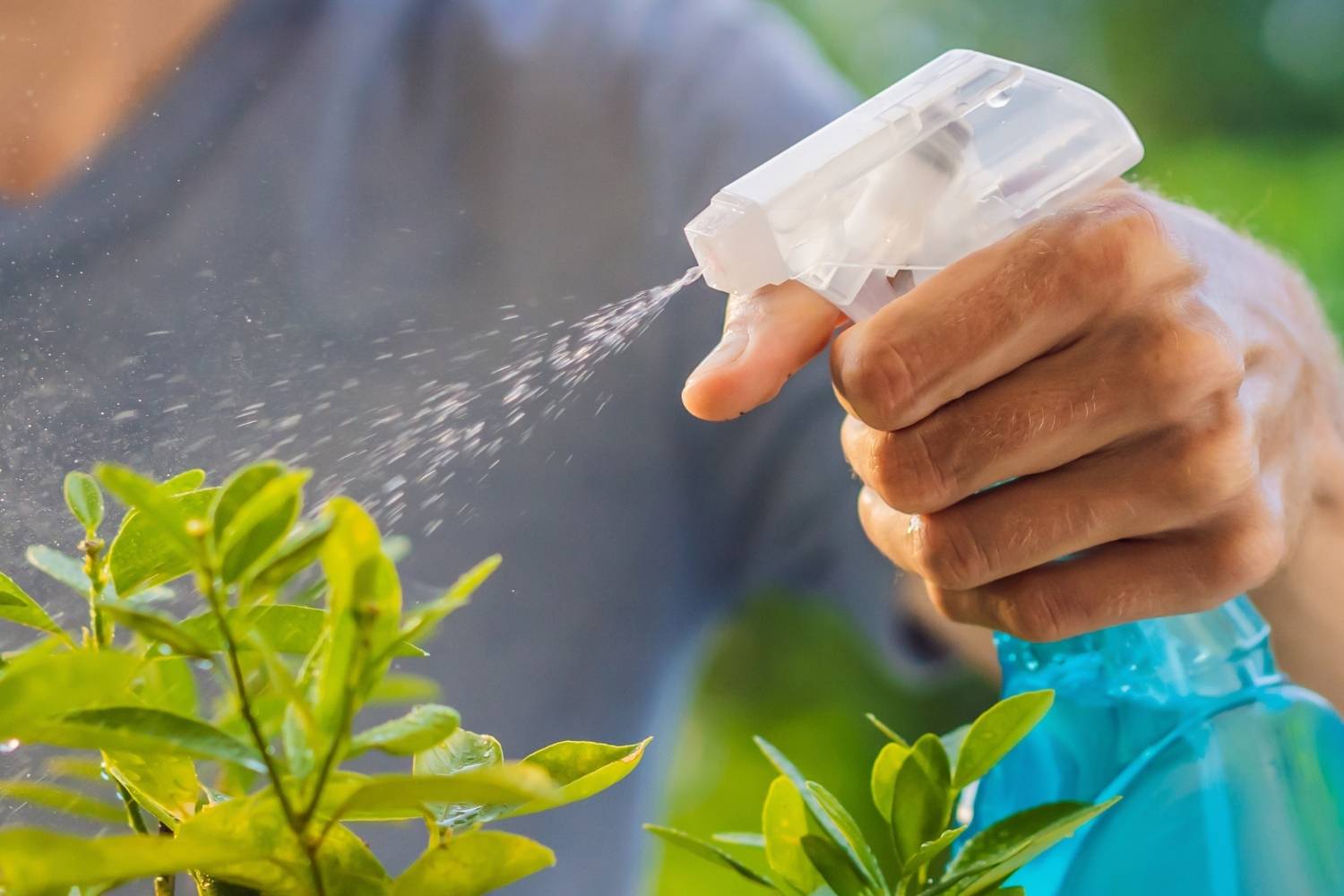
Source: humboldtssecretsupplies.com
Environmental and Safety Considerations
- Pollinators: Both can harm bees on direct contact. Apply at dusk or dawn and avoid spraying flowering plants while bees are active.
- Beneficial insects: Broad use may impact predators and parasitoids; target treatments to reduce non-target harm.
- Pets and people: Both have low mammalian toxicity when used as directed, but avoid ingestion and rinse treated produce before eating.
- Persistence: Neem Oil vs Insecticidal Soap break down relatively quickly; neem may last longer on leaves but still biodegrades.

Source: savvygardening.com
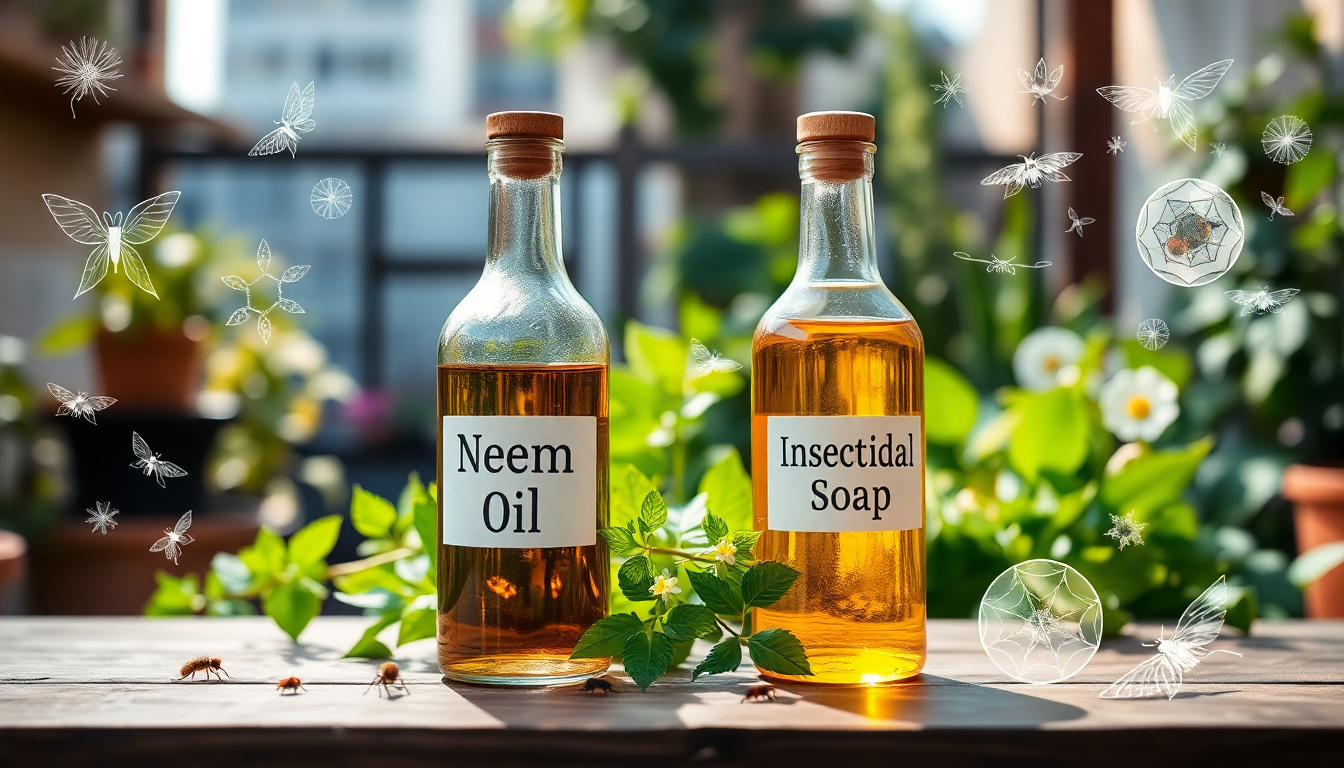
DIY Recipes and Commercial Options
- Basic insecticidal soap recipe:
- Mix 1 to 2 teaspoons of pure liquid soap per quart of water. Spray thoroughly.
- Simple neem spray:
- Use commercial cold-pressed neem concentrate per label, commonly 1–2 tablespoons per gallon with a small amount of mild soap or an approved spreader-sticker.
- Storage:
- Store concentrates in cool, dark places. Mix fresh when possible.
- Buying tips:
- Look for 100% cold-pressed neem or labeled insecticidal soap. Read active ingredient concentrations to compare products.
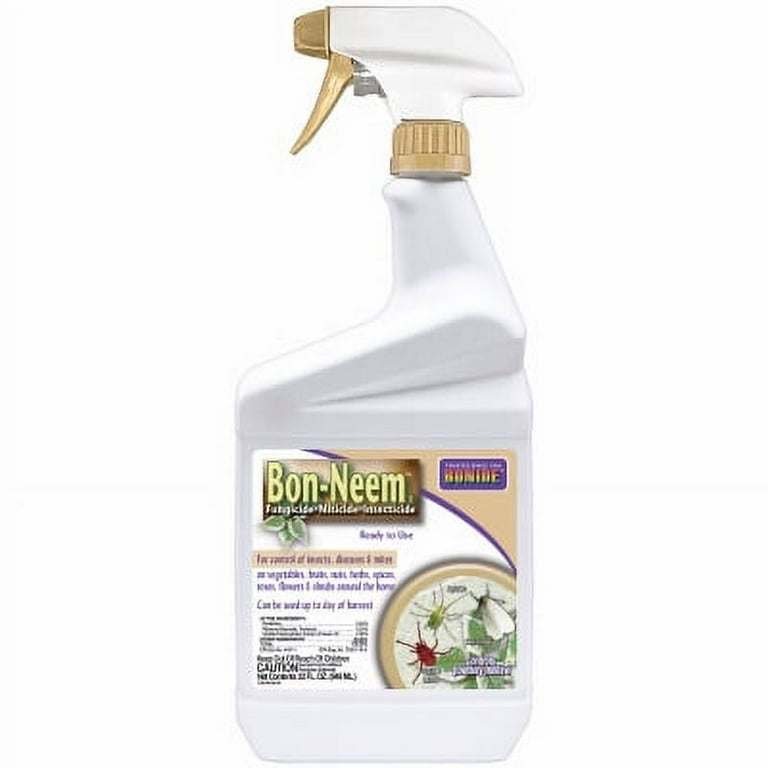
Source: walmart.com
- Look for 100% cold-pressed neem or labeled insecticidal soap. Read active ingredient concentrations to compare products.
Personal Experience and Common Mistakes
I used Neem Oil vs Insecticidal Soap for years in a mixed vegetable and flower garden. Here are lessons I learned:
- Mistake: Spraying in midday sun caused leaf scorch. Tip: Always spray in cooler hours.
- Mistake: Overuse killed beneficial insects. Tip: Spot-treat only the affected plants.
- Success: Combining soap for a quick knockdown, then neem a week later, gave lasting suppression. Tip: Stagger treatments to balance fast control and residual action.
- Note: I always test on one leaf and keep records of dates, weather, and pest levels to refine timing.

Source: savvygardening.com
Cost, Availability, and Buying Tips
- Cost: Concentrates are more cost-effective long term than ready-to-use bottles. Neem Oil vs Insecticidal Soap concentrates vary by brand but are generally affordable.
- Availability: Found at garden centers, farm stores, and online; check for organic certification if required.
- Label reading: Look for active ingredient percentage, application rate, and restrictions. Prefer products with clear instructions and safety guidance.
Frequently Asked Questions of Neem Oil vs Insecticidal Soap
Will neem oil kill aphids faster than insecticidal soap?
Insecticidal soap typically kills aphids faster on contact. Neem oil slows feeding and reproduction and may take longer to reduce populations.
Can I mix neem oil and insecticidal soap together?
You can mix them in some cases, but always do a jar test and follow label guidance. Mixing increases risk of leaf burn on sensitive plants.
Are these safe for edible plants and vegetables?
Yes, both are commonly used on edibles when applied as directed. Always rinse produce before eating and follow pre-harvest intervals on labels.
Will neem oil control fungal diseases better than soap?
Neem oil offers some antifungal properties and can help prevent powdery mildew. Insecticidal soap has little to no antifungal activity.
Do these products harm bees and beneficial insects?
Both can harm beneficials on direct contact. Apply at times when bees are not active and target treatments to minimize impact.
Conclusion
Both Neem Oil vs Insecticidal Soap are valuable, low-toxicity tools for pest management. Soap gives fast, contact control. Neem provides longer-term suppression and some antifungal benefits. Use the one that fits the pest, plant sensitivity, and timing. Test before wide use, protect pollinators, and keep records to improve results over time. Try a targeted soap spray for quick problems, and add neem for lasting control; leave a comment about your experience or subscribe for more practical organic pest tips.